
9 Beauty Trends Marie Antoinette Made Famous
By Alexus Mosley
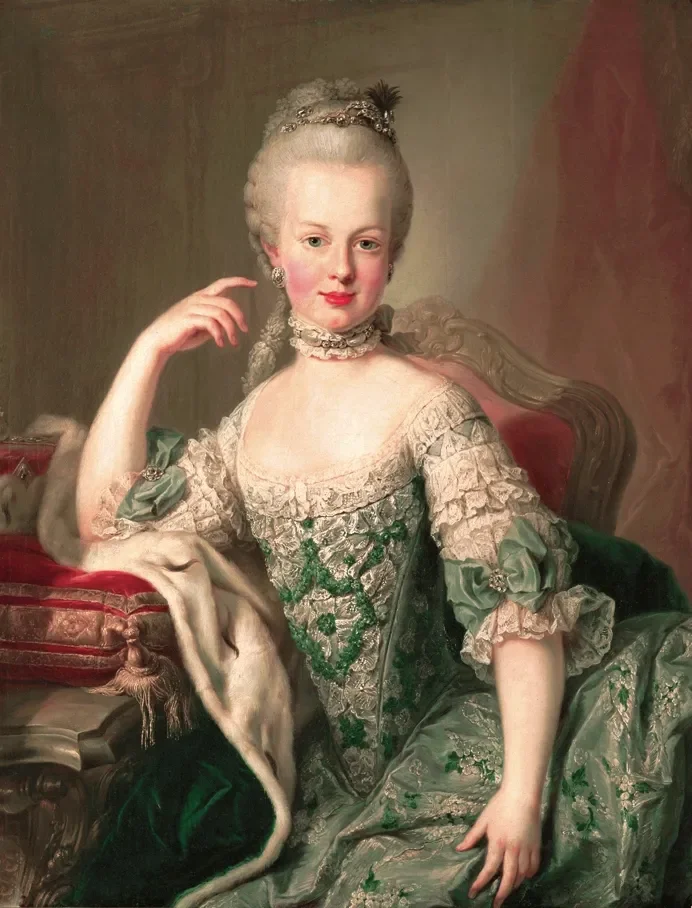
Martin van Meytens (1769)
If Versailles had a beauty editor, it would’ve been Marie Antoinette. The last Queen of France transformed the palace into the ultimate beauty playground, where hairstyles reached extraordinary heights, blush was unapologetically bold, and skincare became an elaborate ritual. While some of her beauty habits belonged to the extravagance of the 18th century, many have quietly found new life in modern beauty. Here are nine iconic beauty trends that Marie Antoinette helped make unforgettable.
Dramatic, Lifted Blush
Marie Antoinette wasn’t interested in subtle blush. Rosy cheeks were swept high toward the temples to create a youthful, doll-like appearance that immediately stood out. Modern blush trends, particularly the lifted blush technique, echo this centuries-old approach to sculpting the face with color.
Homemade Face Masks
Long before luxury skincare brands existed, beauty treatments were often prepared at home using ingredients like eggs, almonds, honey, herbs, and dairy. Marie Antoinette reportedly embraced homemade beauty remedies as part of her skincare routine, making DIY beauty far older than many realize.
Rosewater Bath Rituals
Bathing wasn’t simply about cleanliness. It doubled as an indulgent beauty ritual. Rosewater was prized for its delicate fragrance and soothing properties, transforming ordinary baths into luxurious moments of self-care. Today, rose-infused beauty products continue that centuries-old tradition.
The “Pouf” Hairstyle
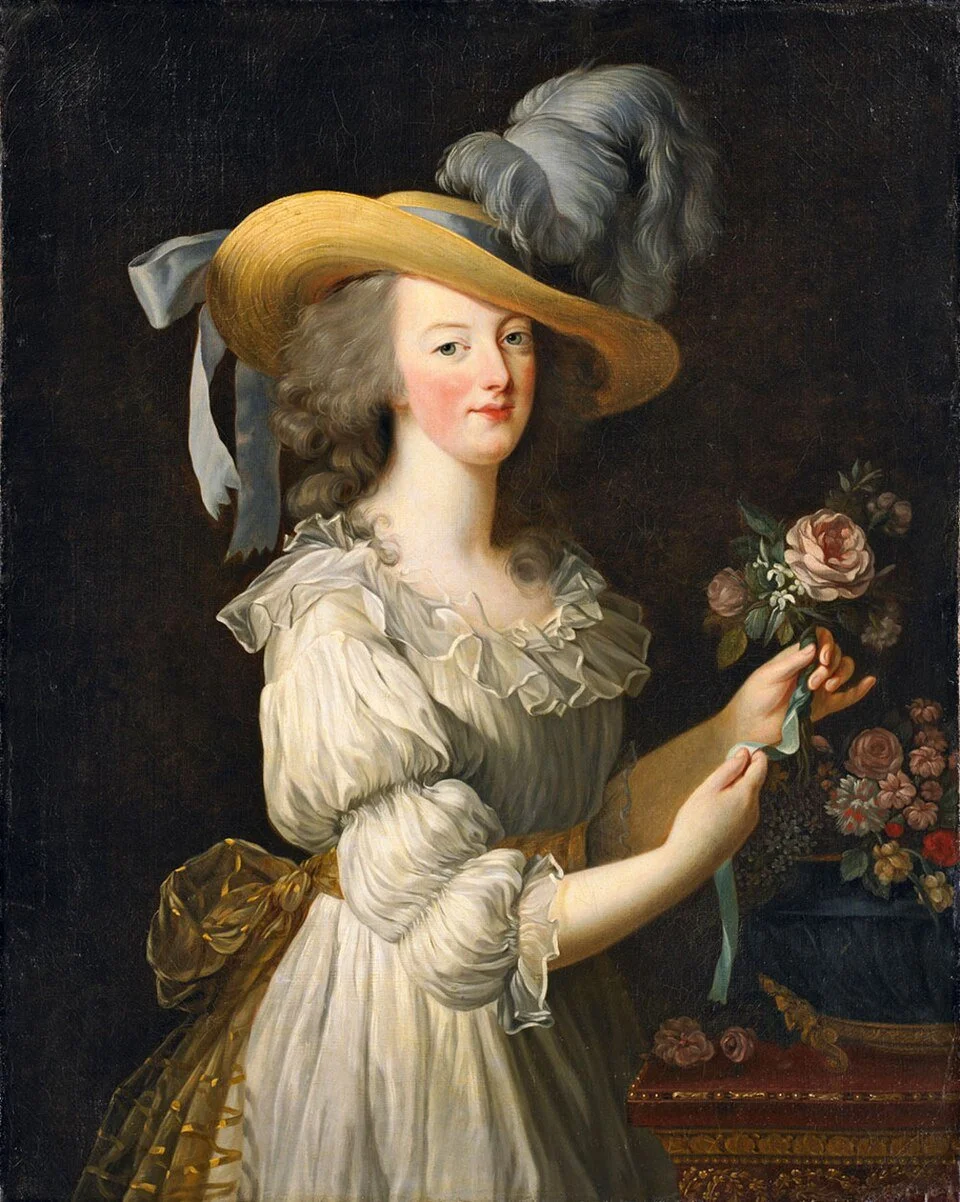
Élisabeth Louise Vigée Le Brun (1783)
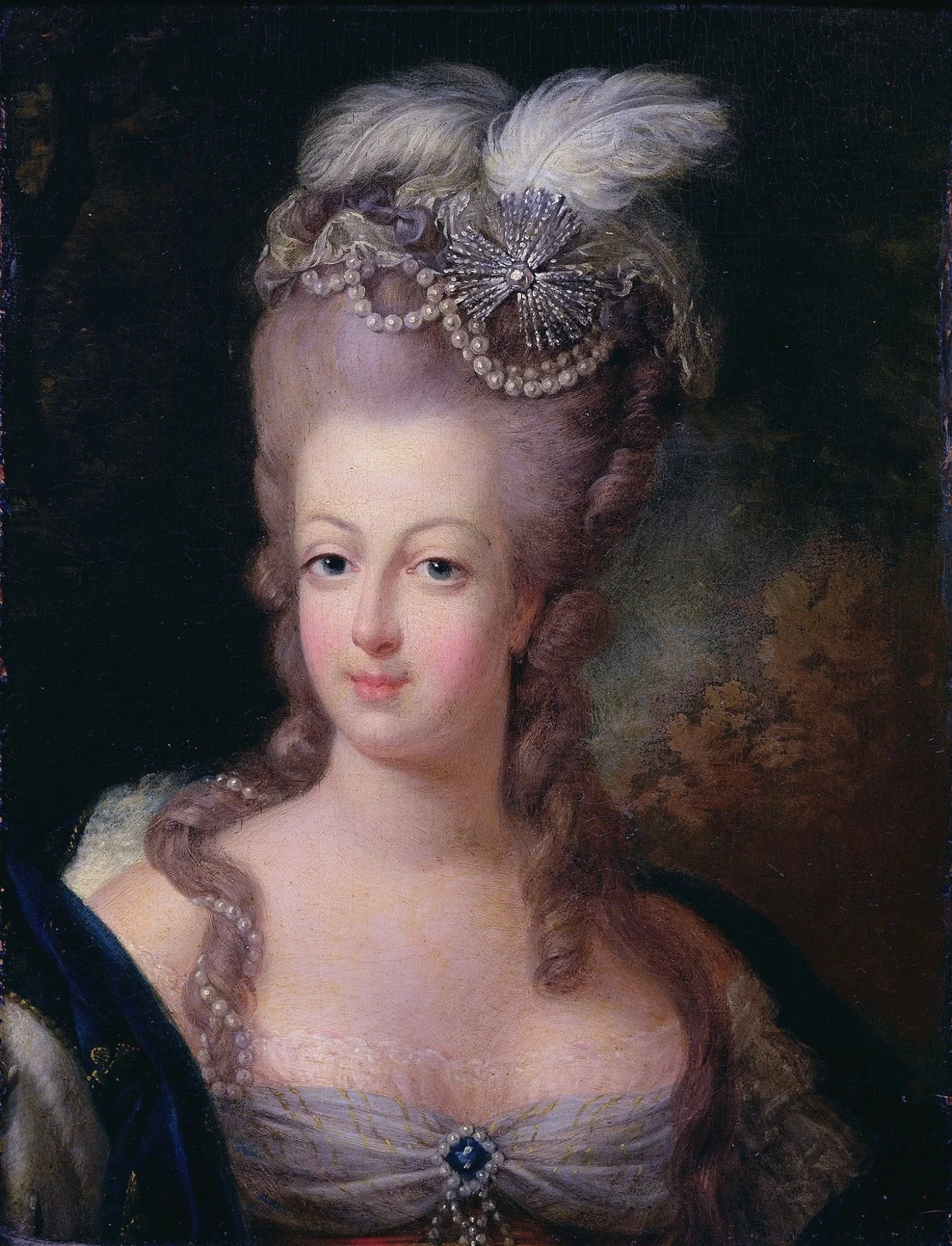
There’s no argument that the hairstyle that defined Marie Antoinette’s reign was the legendary pouf. Towering high above the head and often decorated with feathers, flowers, ribbons, pearls, and even miniature ships, the extravagant style became a symbol of aristocratic glamour. While today’s hairstyles are considerably more practical, the love of dramatic volume remains very much alive.
Coiffure à l’Enfant
Later in life, Marie Antoinette embraced a softer hairstyle known as the coiffure à l’enfant, featuring loose, natural curls rather than towering, powdered creations. The relaxed look reflected a growing appreciation for effortless beauty and feels surprisingly modern alongside today’s embrace of natural texture.
Artificial Beauty Marks
Known as mouches, tiny silk or velvet beauty patches were applied to the face as fashionable accessories. Beyond enhancing beauty, they could disguise blemishes and serve as playful symbols depending on where they were placed. Beauty marks remain one of history’s most recognizable beauty statements.
Porcelain-White Complexions
Jean-Baptiste André Gautier-Dagoty (1775)
Pale skin represented wealth and refinement during Marie Antoinette’s era because it suggested a life lived indoors rather than working in the fields. Powdered complexions became an essential part of aristocratic beauty, creating the smooth porcelain finish that still inspires editorial makeup today.
Flower Crowns
Fresh flowers woven into elaborate hairstyles became another signature of Marie Antoinette’s romantic aesthetic. Roses, blossoms, greenery, and delicate floral arrangements softened even the grandest hairstyles and continue to inspire bridal beauty, festivals, editorials, and spring collections.
Scented Gloves & Perfume
Fragrance was considered an essential finishing touch at Versailles. Gloves were delicately scented with floral perfumes while luxurious fragrances accompanied nearly every aspect of aristocratic life. Marie Antoinette’s appreciation for beautiful scents helped reinforce perfume as one of beauty’s most enduring accessories.
Inside Marilyn Monroe’s Beauty Routine: The Rituals Behind Old Hollywood’s Most Iconic Face