
How Hiromix’s Seventeen Girl Days Captured Japanese Girlhood in a Pre-Social Media World
By Alexus Mosley
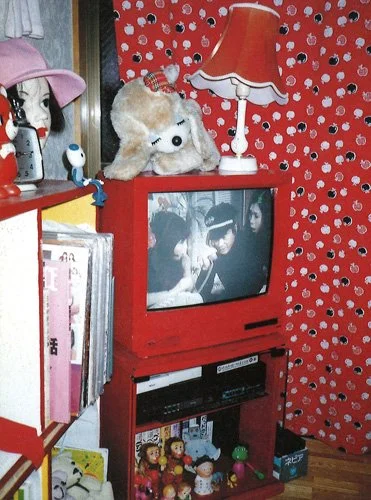
Before social media transformed everyday life into performance, Japanese photographer Hiromix quietly documented girlhood as lived experience. Her landmark project, Seventeen Girl Days, stands today as one of the most intimate and influential visual records of youth in 1990s Japan. It’s not staged or stylized, but deeply personal.
Consisting of 50 pages of photographs, Seventeen Girl Days draws directly from Hiromix’s daily life as a high school senior. Rather than photographing subjects from a distance, she turned the camera inward, capturing moments with friends, private spaces, boredom, tenderness, and fleeting emotional states that defined being seventeen. The result feels less like a traditional photography book and more like a visual diary, fragmented, honest, and unresolved.
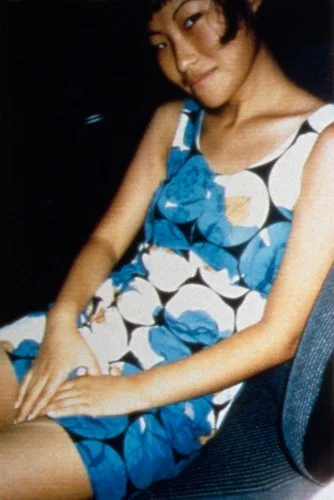
The project was originally presented in an even more raw form. In March 1995, Hiromix submitted a 36-page photo zine version of Seventeen Girl Days to the 11th New Cosmos of Photography contest, a prestigious competition sponsored by Canon. The work won the Grand Prix, selected by renowned photographer Nobuyoshi Araki, marking a major turning point not only in Hiromix’s career, but in Japanese photographic culture as a whole. At the time, Japanese photography was still largely shaped by male-dominated traditions that emphasized formal composition, documentary distance, or conceptual rigor. Hiromix disrupted this lineage entirely. With Seventeen Girl Days, she shifted Japan’s photographic tradition by centering the everyday inner life of a teenage girl. Positioning female youth not as subjects to be observed, but as authors of their own narratives.
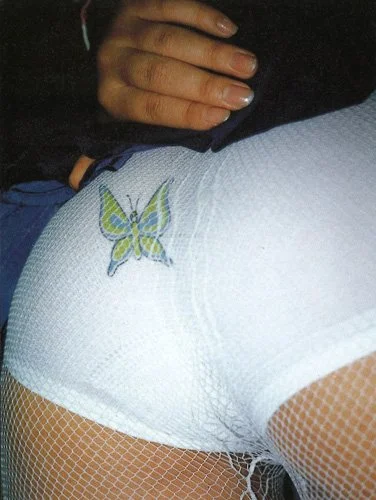
The aesthetic itself was revolutionary in its simplicity. The series was shot using a Konica Big Mini point-and-shoot camera, a choice that reinforced the project’s immediacy and intimacy. There was no theatrical lighting or technical spectacle. The camera functioned as an extension of daily life. Quick, instinctive, and unobtrusive, allowing moments to unfold naturally rather than be constructed. This approach helped spearhead a new movement in female youth representation, one rooted in authenticity rather than idealization. Hiromix’s work rejected polished femininity and instead embraced awkwardness, softness, boredom, and emotional ambiguity. In doing so, she laid the groundwork for what would later be recognized as the raw diary aesthetic, a visual language that prioritizes lived experience over aesthetic perfection. One that would shape the artistic perspectives of many storytellers to come, such as Sofia Coppola.
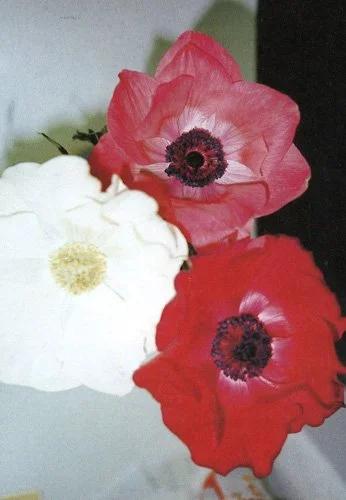
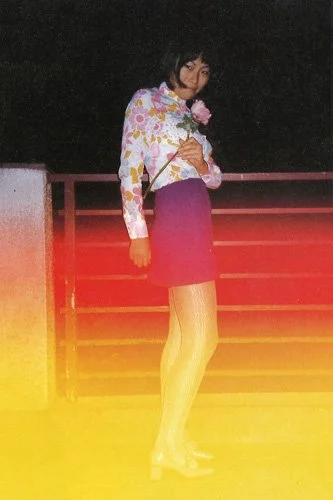
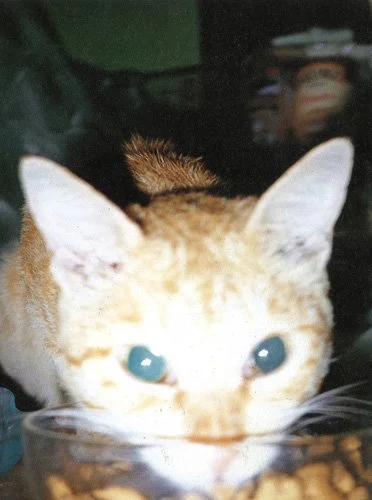
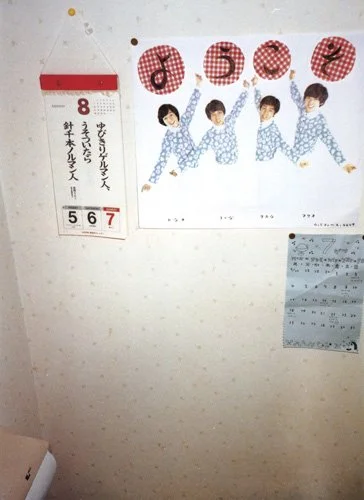
Crucially, Seventeen Girl Days emerged in a pre-social media world, when documenting one’s life was not tied to visibility, validation, or audience response. No likes or algorithms were shaping the work. The photographs existed because Hiromix felt compelled to make them, not because they were meant to be consumed. That absence of performance gives the series a lasting emotional truth that feels increasingly rare today
Decades later, Seventeen Girl Days reads as both a cultural artifact and a quiet manifesto. Hiromix did more than document her life at seventeen. She changed the way girlhood could be seen, photographed, and valued. By trusting her own perspective, she opened the door for generations of young women to claim authorship over their own stories. No matter how raw or unfinished, they can be entirely their own.