
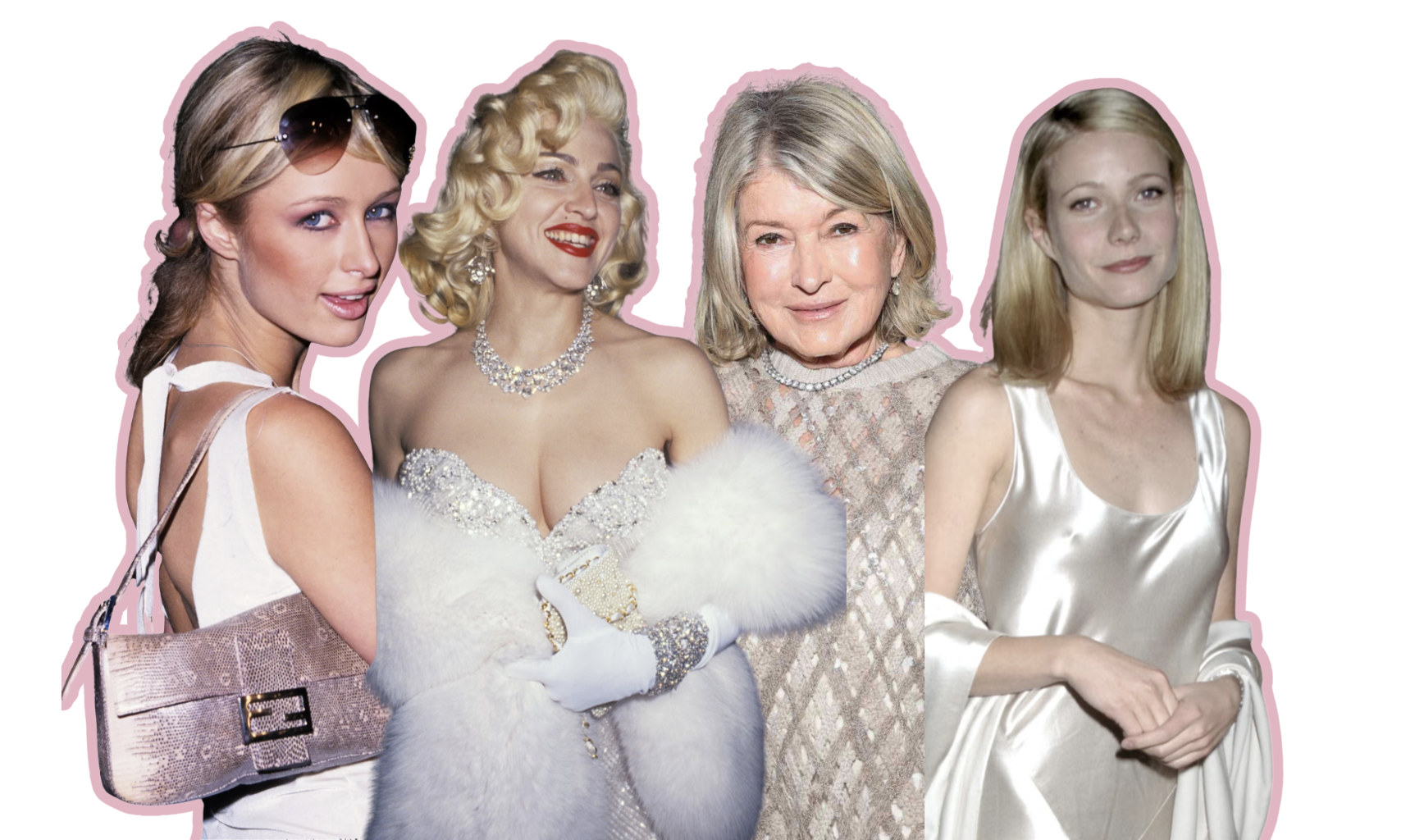
Billion Dollar Blondes: The Business of Being Blonde
By Alexus Mosley
Gentlemen may prefer blondes, but apparently, so does capitalism. For decades, popular culture has perpetuated the idea that beauty and brains were mutually exclusive, particularly when it came to women with blonde ambitions. From the ditzy blonde to the glamorous bombshell, femininity was often packaged as something to be admired rather than taken seriously. But while the world was busy making blonde jokes, some of its most recognizable blondes were busy building empires.
From bestselling perfumes and luxury fashion houses to production companies and record-breaking concert tours, these women turned their cultural capital into financial capital. And they did it without sacrificing an ounce of their signature glamour. Not every woman on this list is personally a billionaire, but their stories collectively illustrate the extraordinary commercial power of celebrity, intellectual property, and a well-managed image.
Paris Hilton: That's Hot, and That's Business
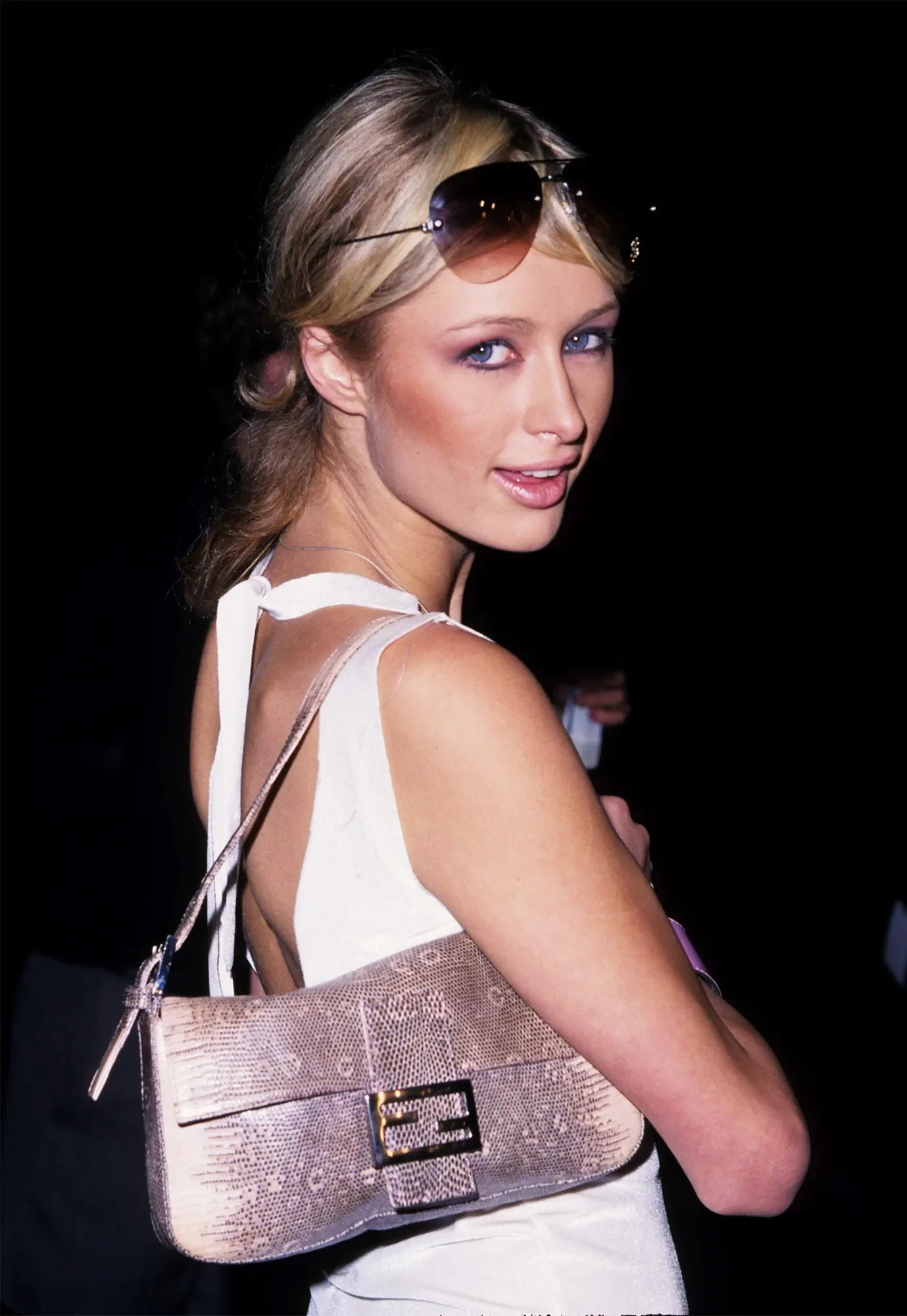
Photo Credit: Steve Granitz / WireImage / Getty Images
If anyone deserves credit for writing the modern influencer playbook, it's Paris Hilton. Before social media made personal branding a full-time occupation, Hilton had already mastered the art of monetizing her lifestyle. The pink-loving hotel heiress turned her unmistakable persona into a global commercial enterprise spanning fragrance, fashion, beauty, entertainment, and licensing.
Since launching her first fragrance in 2004, Hilton has introduced more than 30 perfumes. According to her official website, Paris-branded products have generated $4 billion in retail sales. As it turns out, playing the ditzy blonde on television was considerably more lucrative than taking the stereotype at face value.
Jessica Simpson: Chicken of the Sea, Queen of Retail
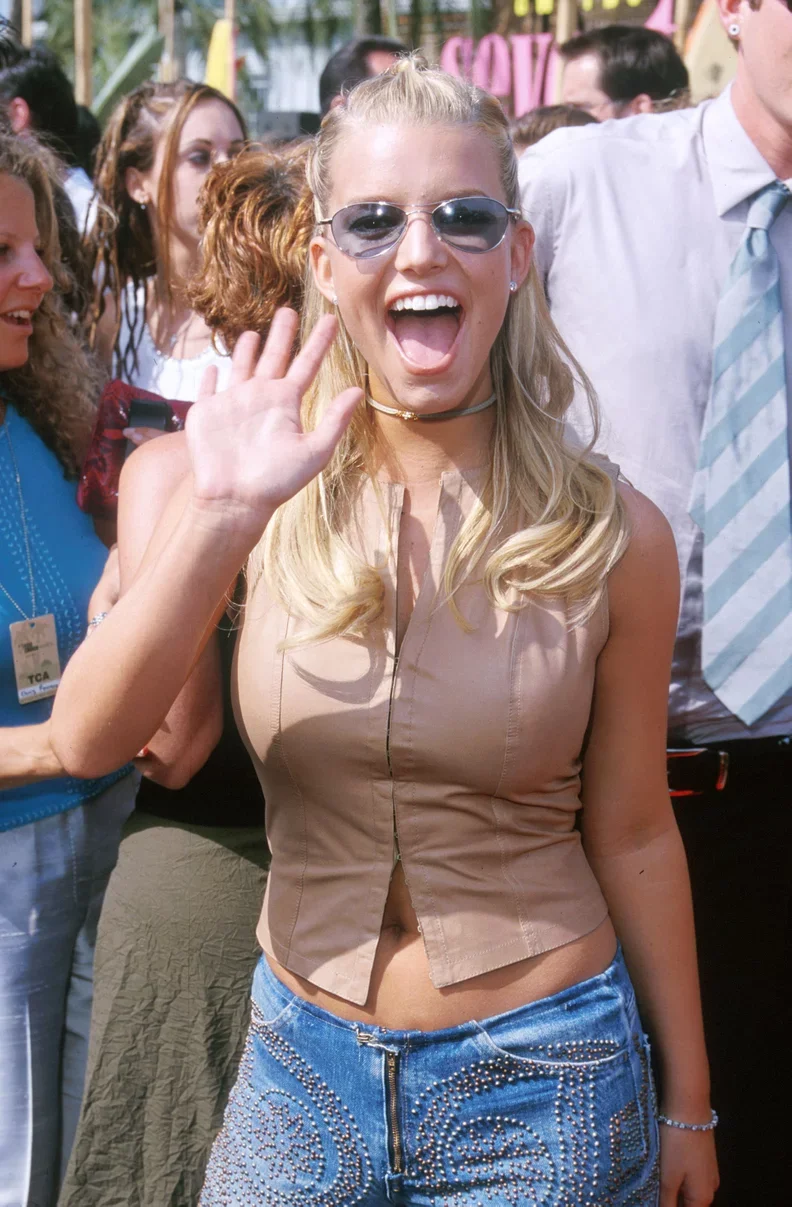
Photo Credit: Getty Images
Remember when Jessica Simpson couldn't distinguish chicken from tuna? Well, the joke's on us. In 2005, Simpson launched her namesake fashion collection, transforming her approachable, all-American glamour into a retail phenomenon. What began with footwear expanded into clothing, handbags, accessories, and other lifestyle categories, eventually becoming a billion-dollar retail business at its peak.
In 2021, Simpson and her mother regained full ownership of the brand following the bankruptcy of its former majority owner. From reality television punchline to fashion mogul, Simpson's trajectory is a particularly fabulous lesson in the dangers of underestimating a woman in heels.
Taylor Swift: Billionaire, Taylor's Version
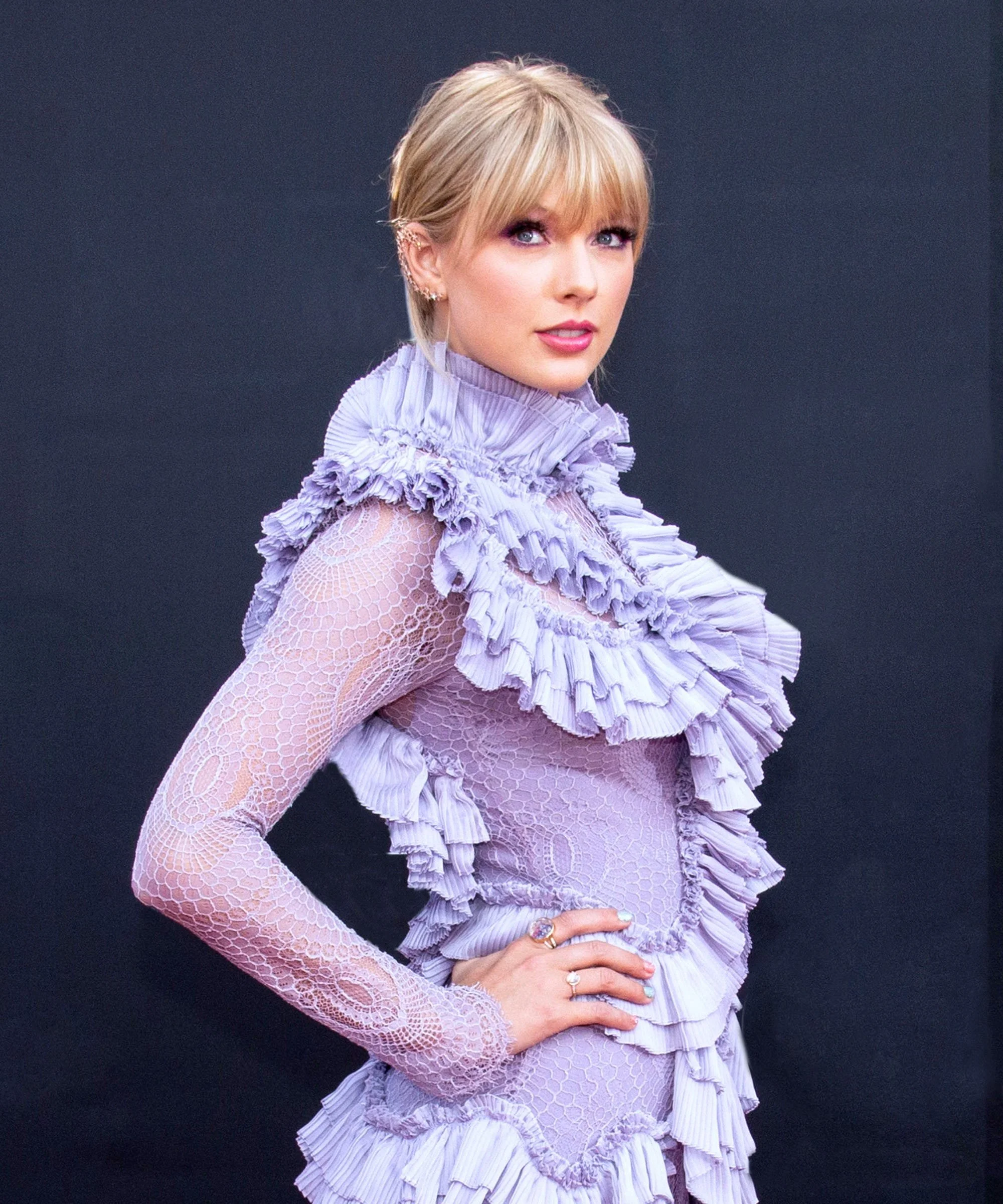
Photo Credit: Getty Images
For Taylor Swift, the most valuable accessory a woman can own is her intellectual property. The singer-songwriter transformed her discography into one of the most commercially powerful catalogs in contemporary music. Her decision to re-record her earlier albums following a dispute over their ownership became both a cultural phenomenon and a remarkable business strategy.
Then came the Eras Tour, which generated more than $2 billion in ticket sales, followed by her acquisition of the original masters of her first six albums in 2025. By July 2026, Forbes estimated her personal fortune at more than $2.1 billion. Some women collect diamonds, but Taylor prefers copyrights.
Reese Witherspoon: Legally Bankable
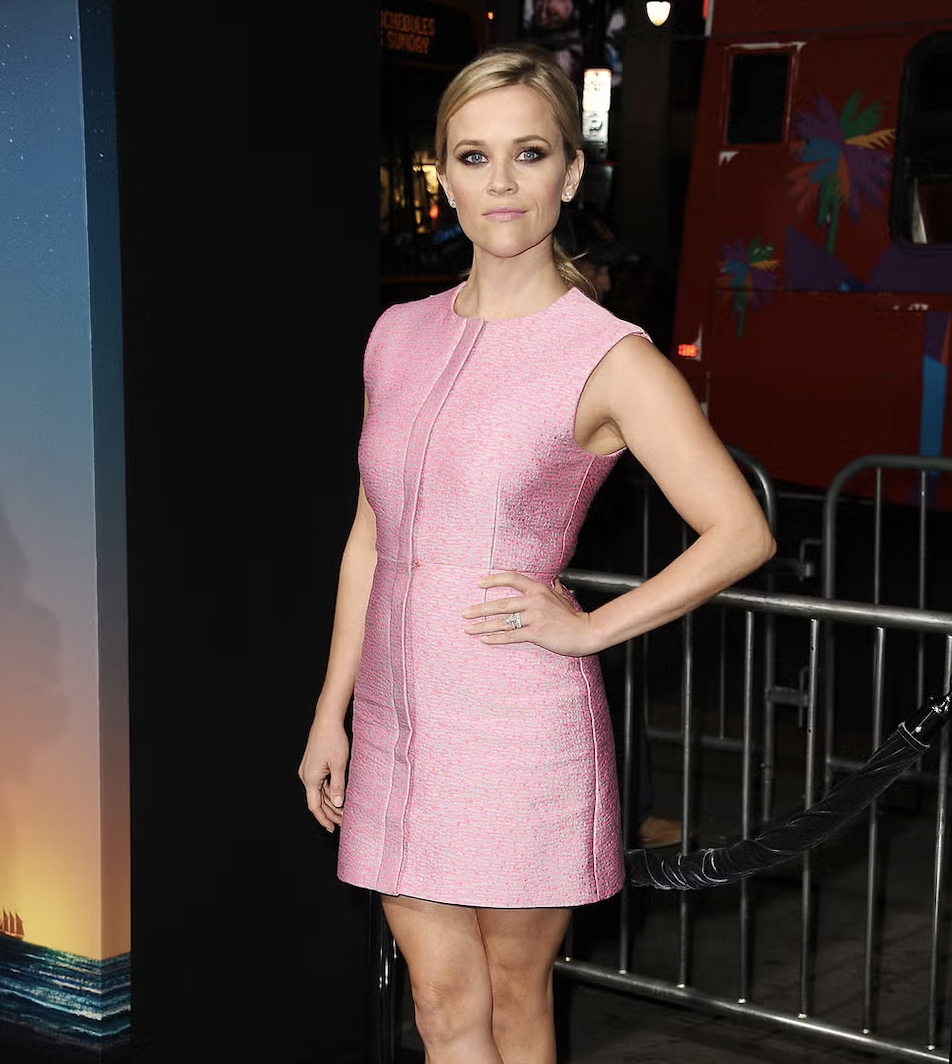
Photo Credit: Getty Images
Elle Woods walked so Hello Sunshine could run. While Reese Witherspoon became synonymous with one of cinema's most beloved blondes, her greatest professional plot twist came behind the camera. Frustrated by the limited opportunities available to women in Hollywood, Witherspoon co-founded Hello Sunshine in 2016, a media company dedicated to placing women's stories at the center of entertainment.
Through projects such as Big Little Lies, The Morning Show, and Little Fires Everywhere, she demonstrated that stories about women weren't merely culturally significant. They were commercially valuable.
In 2021, a majority-stake acquisition reportedly valued Hello Sunshine at approximately $900 million. What, like it's hard?
Dolly Parton: Rhinestones and Royalties
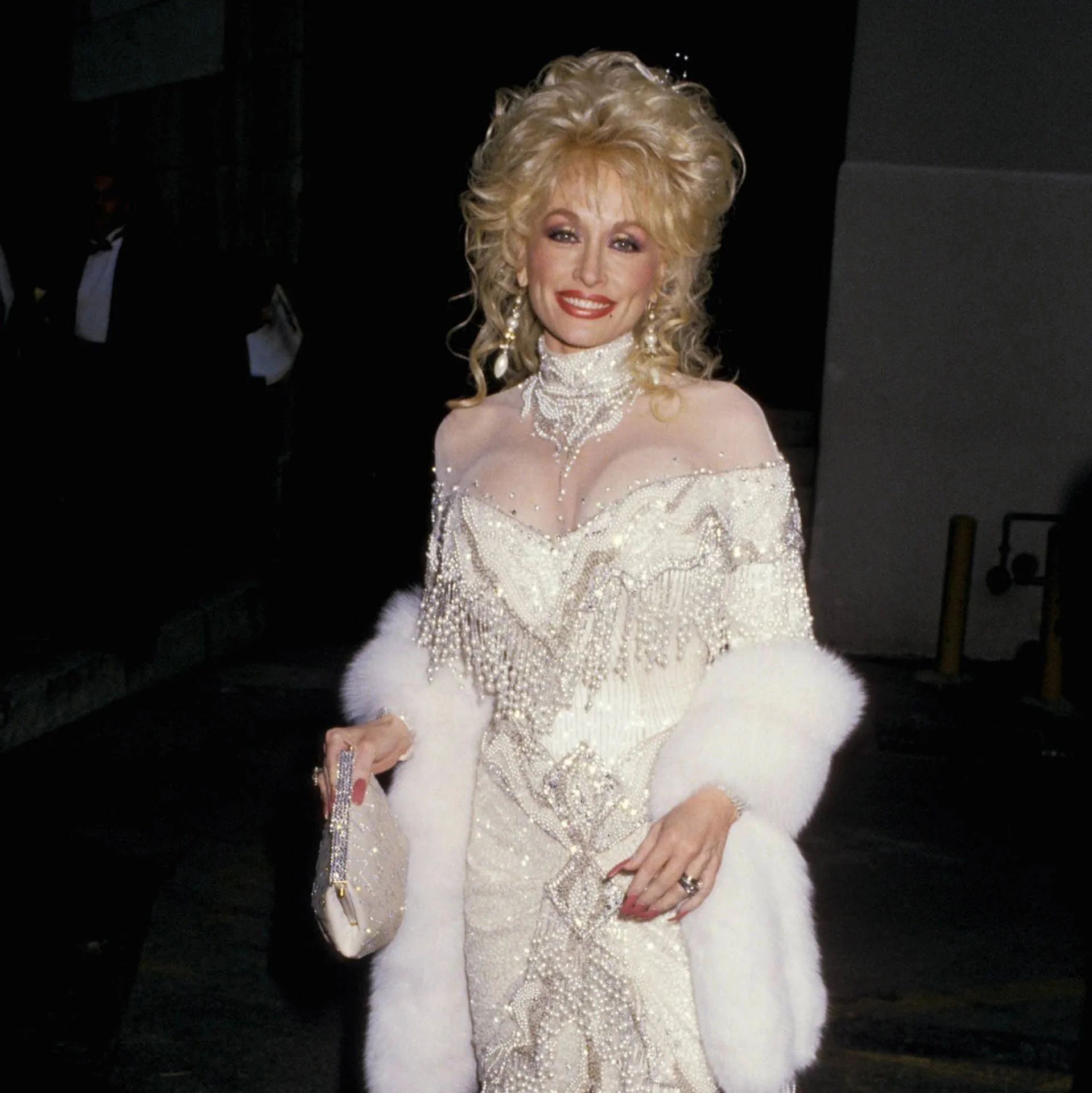
Photo Credit: Getty Images
Few women understood the economic power of a signature look quite like Dolly Parton. With her towering blonde wigs, rhinestone-encrusted ensembles, and unmistakable Southern charm, Parton constructed one of entertainment's most recognizable visual identities. But beneath the sequins was a remarkably shrewd businesswoman.
Her decision to retain ownership of her songwriting rights helped establish a valuable intellectual property portfolio, while her investment in Dollywood expanded her empire beyond music and into tourism, hospitality, and entertainment. Before her death in August 2026, Forbes estimated Parton's personal fortune at approximately $450 million.
The enduring brilliance of Dolly Parton was that she never needed to tone down her femininity to establish her authority. The bigger the hair, the bigger the business.
Madonna: The Material Girl Who Built an Empire
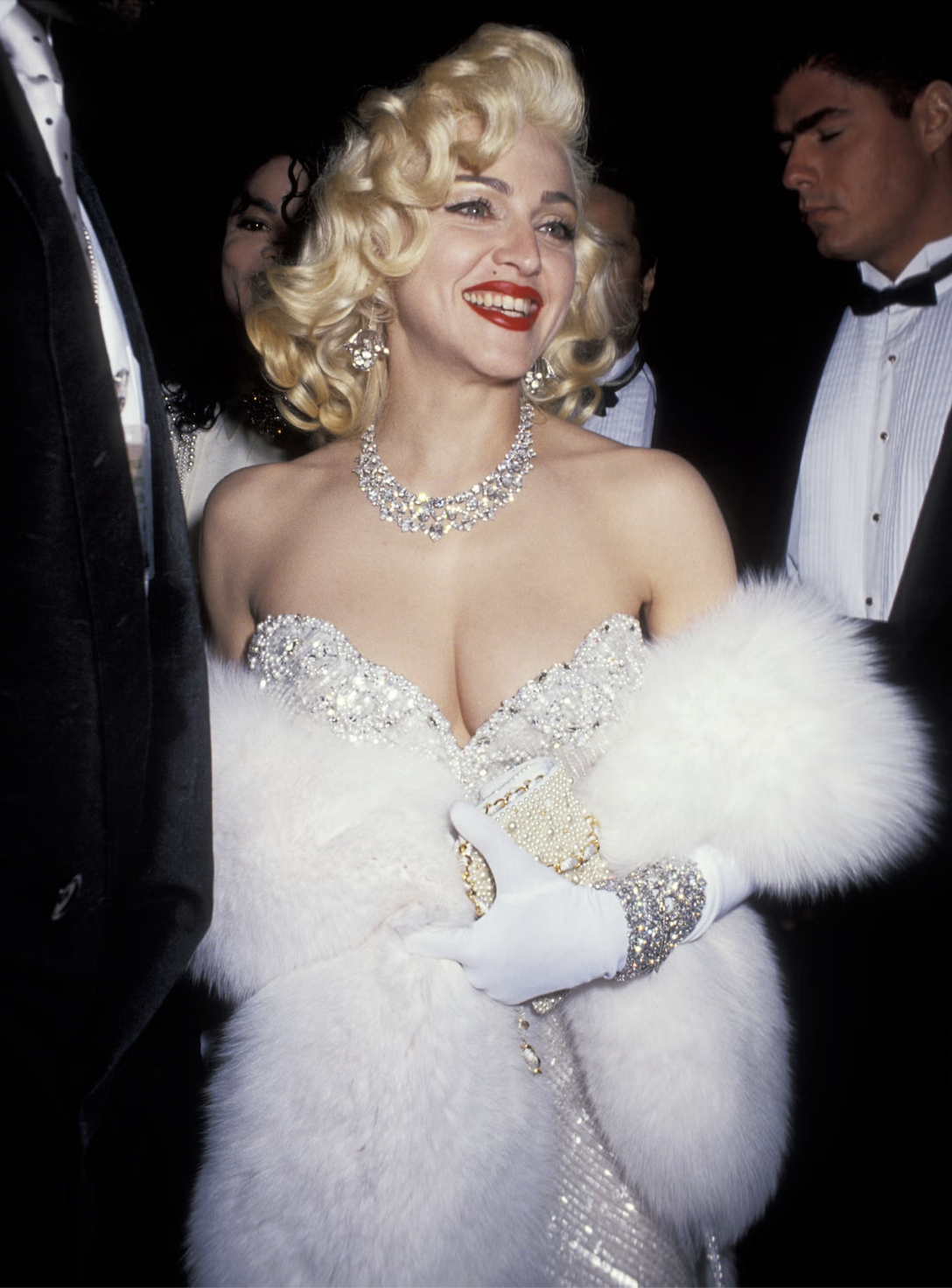
Photo Credit: Ron Galella Collection / Getty Images
When Madonna declared herself a material girl in 1984, she was only getting started. Throughout her career, the Queen of Pop has treated reinvention as a business strategy, transforming fashion, controversy, music, and performance into an internationally recognizable brand. From her Marilyn Monroe-inspired glamour to the Jean Paul Gaultier cone bra, Madonna understood that fashion could serve as both a creative expression and a powerful commercial instrument.
By 2024, her concert tours alone had collectively grossed more than $1.6 billion. Madonna didn't simply sell records. She sold eras, aesthetics, and cultural moments, repeatedly demonstrating that a woman's ability to reinvent herself could be one of her most valuable assets.
Mary-Kate and Ashley Olsen: From Full House to Fashion House
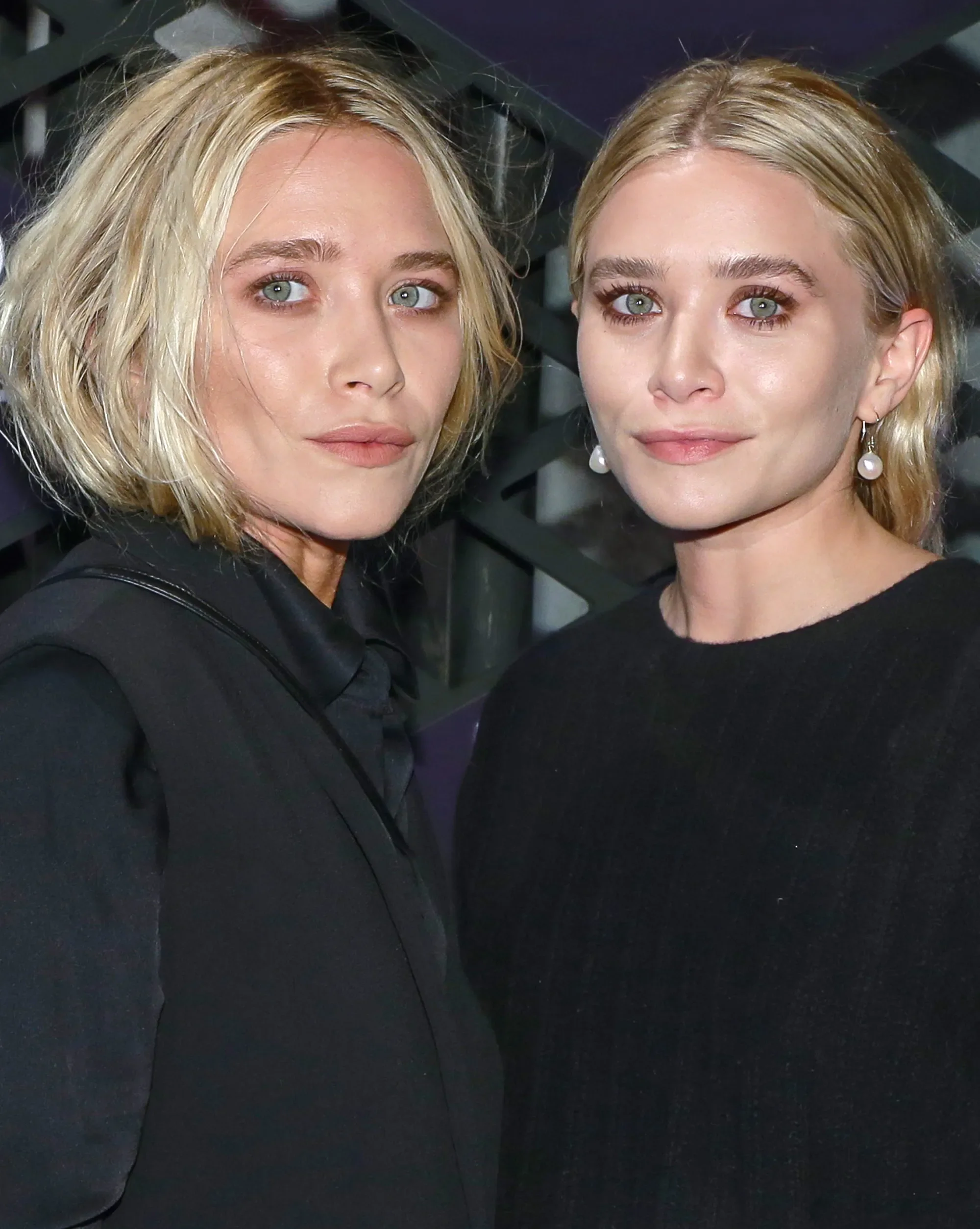
Photo Credit: Taylor Hill / Getty Images
Before quiet luxury became the internet's favorite fashion aesthetic, Mary-Kate and Ashley Olsen were already speaking its language. The twins grew up in front of the camera before establishing themselves as formidable entrepreneurs through Dualstar Entertainment Group. Their names appeared on everything from films and books to clothing, accessories, and beauty products, turning their childhood celebrity into an international merchandising empire. But perhaps their most impressive reinvention came in 2006 with the founding of The Row.
Trading tween merchandise for exquisite tailoring, understated handbags and luxurious fabrics, the Olsen twins earned the respect of an industry not particularly known for embracing celebrity designers. Their transformation from television sweethearts to acclaimed fashion executives is a masterclass in knowing when to reinvent not only your image but your entire business.
Less is more, especially when it costs more.
Martha Stewart: The Domestic Goddess of Wall Street
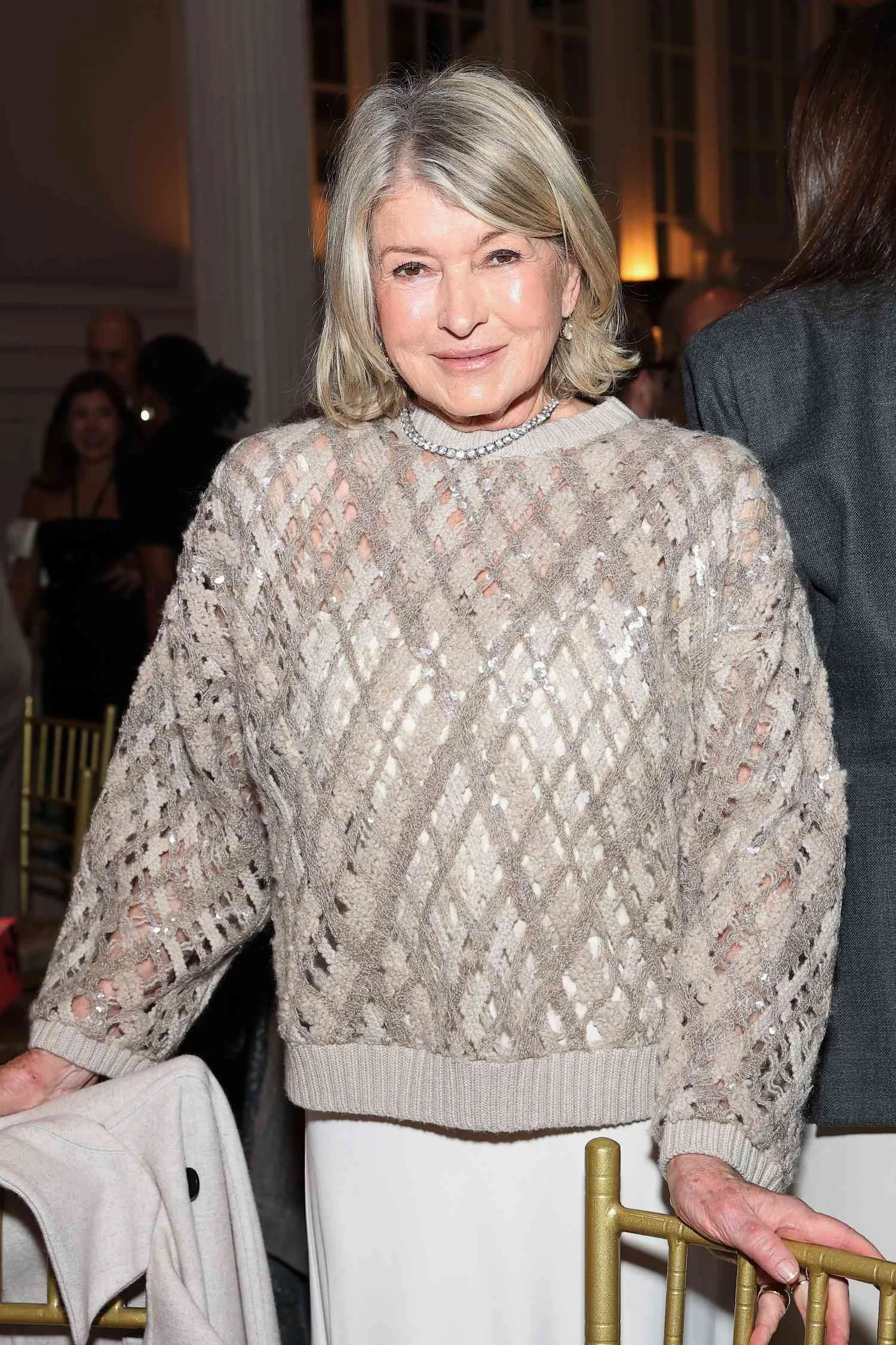
Photo Credit: Getty Images
Who knew setting the table could lead to ringing the opening bell? Martha Stewart built a media and merchandising empire around the art of living well, elevating traditionally feminine domestic pursuits into a sophisticated commercial enterprise. Through cookbooks, magazines, television programming, and home merchandise, Stewart transformed her expertise into a lifestyle brand that permeated American households.
When Martha Stewart Living Omnimedia went public in 1999, she briefly achieved billionaire status, making history as America's first self-made female billionaire. Her career has weathered scandal, incarceration, corporate changes, and multiple reinventions, yet her cultural relevance has endured.
From impeccably arranged dinner tables to Wall Street, Martha proved that domesticity and corporate ambition could coexist quite beautifully.
Marilyn Monroe: The Original Blonde Blueprint
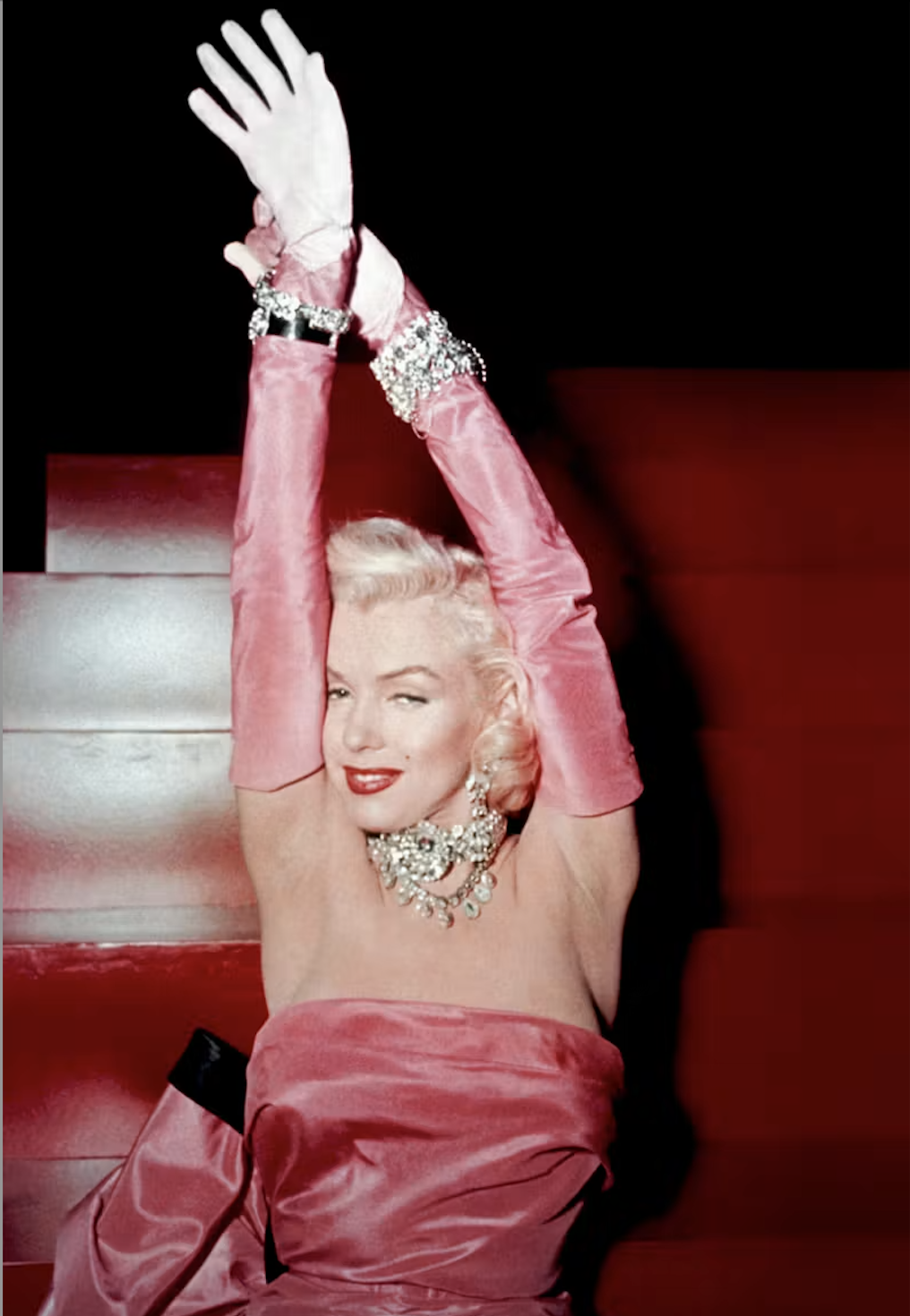
Photo Credit: 20th Century-Fox
Before there was blonde ambition, there was Marilyn. With her platinum curls, breathy voice, and signature red lipstick, Marilyn Monroe became the personification of the Hollywood bombshell. But beneath the carefully cultivated image was a woman who understood the limitations of being beautiful in an industry that wasn't particularly interested in what beautiful women had to say.
In 1955, Monroe established Marilyn Monroe Productions alongside photographer Milton Greene, challenging Hollywood's studio system in pursuit of greater creative and financial control over her career. Although her life was tragically short, her commercial appeal proved remarkably enduring. Decades after her death, her likeness continues to grace everything from fashion campaigns and beauty collections to artwork and luxury merchandise.
Marilyn may have famously declared that diamonds were a girl's best friend, but her legacy makes a rather compelling argument for intellectual property.
Gwyneth Paltrow: The Golden Girl of Wellness
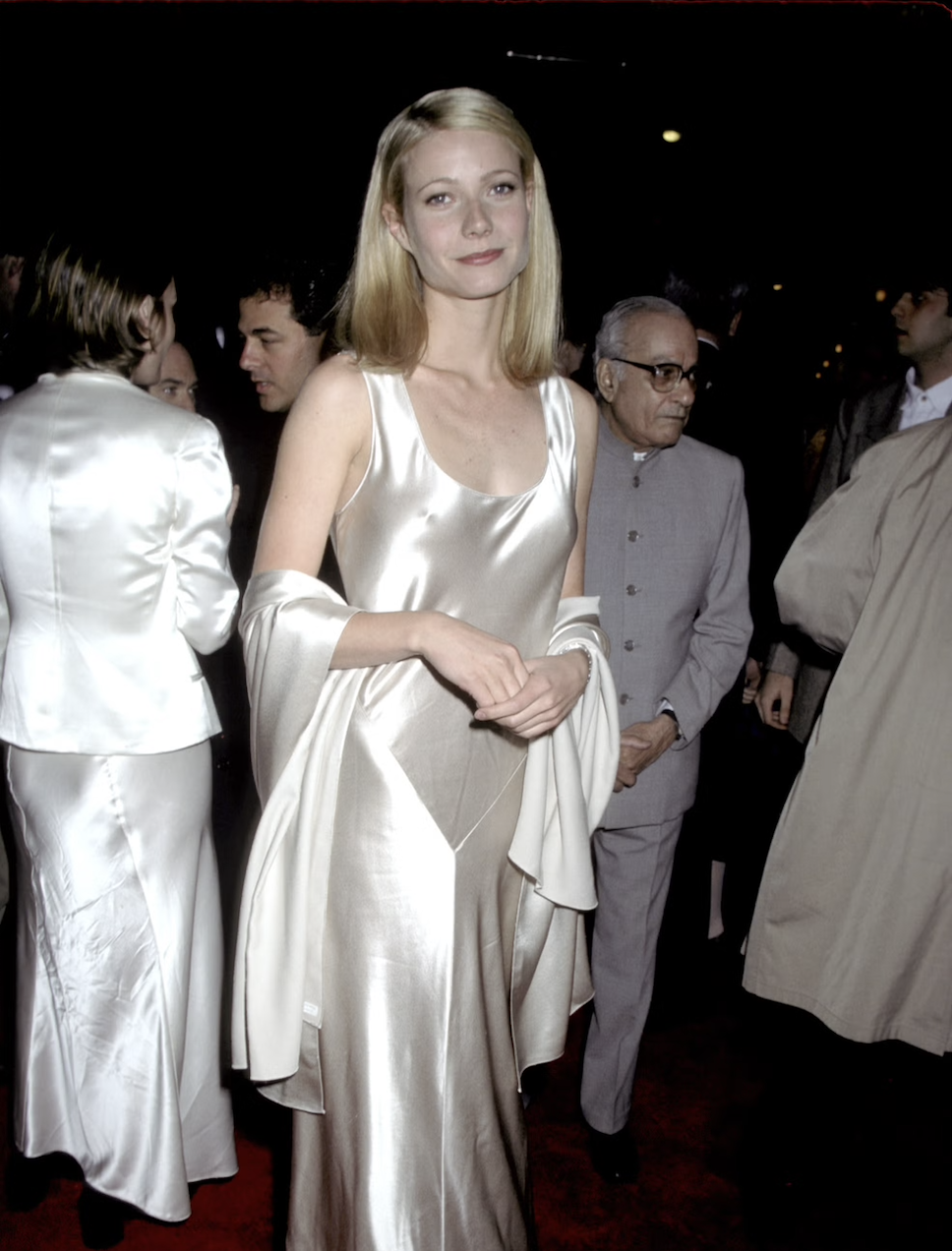
Photo Credit: Ron Galella Collection via Getty
Many women sell products, but Gwyneth Paltrow sells an entire way of life. What began as a lifestyle newsletter in 2008 evolved into Goop, a business spanning beauty, wellness, fashion, editorial content, and luxury experiences.
Through Goop, Paltrow transformed her personal taste into a commercial proposition. Her recommendations, routines, and occasionally polarizing approach to wellness became the foundation of a recognizable lifestyle brand.
And while some of Goop's wellness claims have attracted legitimate criticism, its ability to generate cultural conversation is an undeniable part of its history. Unlike the unapologetically flashy glamour of Paris Hilton, Paltrow's brand of blonde ambition is rooted in understated luxury, exclusivity, and the aspiration of living exceptionally well. After all, why simply have expensive taste when you can monetize it?
Barbie: The Ultimate Billion Dollar Blonde
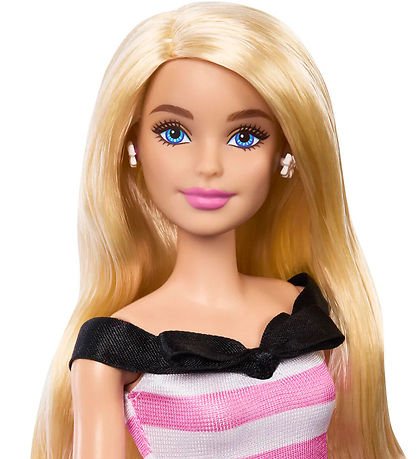
Photo Credit: Mattel / Barbie
Of course, no conversation about billion-dollar blondes would be complete without Barbara Millicent Roberts. Introduced by Mattel in 1959, Barbie has spent more than six decades building quite the résumé. She's been a fashion model, astronaut, doctor, presidential candidate, and just about everything in between, all while maintaining an enviable wardrobe and an impressive real estate portfolio. But beyond her fictional accomplishments lies a very real commercial empire.
Through dolls, fashion collaborations, licensing agreements, animated entertainment, and the blockbuster 2023 film Barbie, the world's most recognizable fashion doll has transcended the toy aisle to become a global cultural institution. In 2025 alone, Mattel reported approximately $1.2 billion in worldwide gross billings for the Barbie brand.
Although Barbie has evolved to represent a broader range of appearances, identities, and aspirations, her original blonde bombshell aesthetic remains one of the most recognizable images in popular culture. Not bad for a woman made of plastic.