
What the Saks Global Bankruptcy Signals for the Future of Luxury Retail
By Alexus Mosley
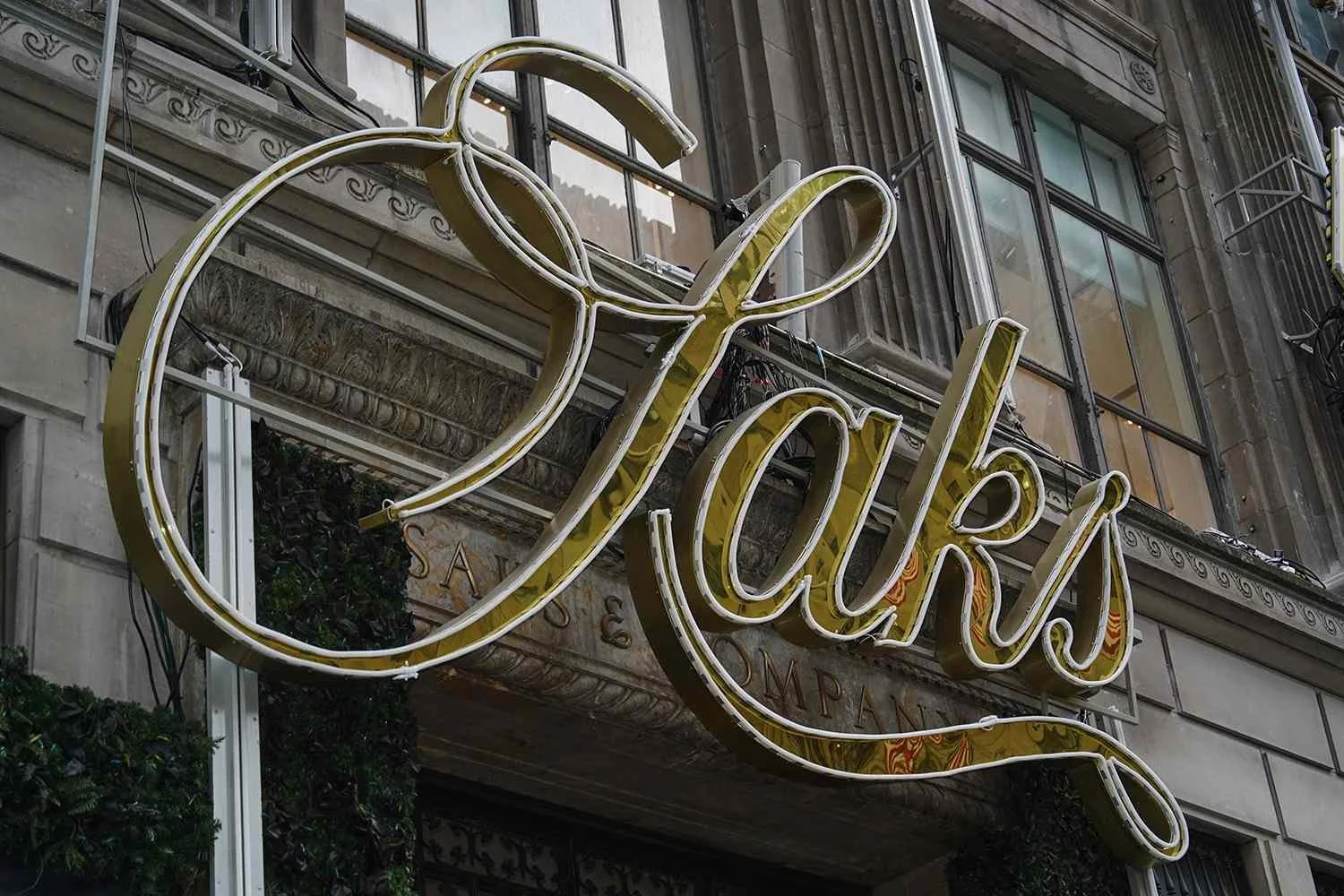
Saks Global has officially filed for Chapter 11 bankruptcy protection, less than two years after its highly publicized acquisition of Neiman Marcus.
The bankruptcy follows a $2.65 billion deal completed in 2024, when Saks’ parent company, Hudson’s Bay Company, acquired Neiman Marcus and consolidated the businesses under the Saks Global umbrella. While the move was positioned as a strategic unification of luxury retail powerhouses, the financial strain of the acquisition quickly became apparent.
A significant factor in the filing was the substantial debt load carried by Neiman Marcus, which Saks Global assumed as part of the deal. That burden intensified when the company missed a major debt payment earlier this month, triggering leadership changes and accelerating restructuring efforts.
In early January, CEO Marc Metrick stepped down, followed by a broader leadership transition. Saks Global executive chairman Richard Baker temporarily assumed control but is now preparing to step aside. Former Neiman Marcus chief executive Geoffroy van Raemdonck is expected to assume leadership following post-bankruptcy proceedings.
Addressing the restructuring, van Raemdonck acknowledged the significance of the moment, stating, “This is a defining moment for Saks Global, and the path ahead presents a meaningful opportunity to strengthen the foundation of our business and position it for the future.”
As part of the Chapter 11 process, store closures are expected across both banners, including plans to shutter approximately half of Saks OFF 5TH locations, alongside select Saks Fifth Avenue and Neiman Marcus stores. The bankruptcy also highlights mounting strain between luxury retailers and their suppliers. Saks Global has reportedly struggled to meet vendor payment obligations, owing major fashion houses millions. Chanel alone is listed among the largest unsecured creditors, with claims totaling over $136 million.
Beyond company-specific challenges, the filing reflects broader shifts in American luxury consumption. Ongoing economic uncertainty, a cooling job market, and growing consumer dissatisfaction, particularly complaints of higher prices paired with lower perceived quality, have dampened enthusiasm for traditional luxury shopping. At the same time, shoppers have steadily moved away from large department stores toward direct-to-consumer models, where brands exert tighter control over pricing, storytelling, and customer relationships. This shift has quietly eroded the department store’s long-standing role as luxury’s central gatekeeper.
Saks Global’s Chapter 11 filing is not simply a corporate restructuring but a signal that prestige alone is no longer enough to sustain legacy luxury retail models in a changing economic and cultural landscape.