
The Art of Matching: How Girl Groups Made Coordinated Fashion Iconic
By Alexus Mosley
In addition to their chart-topping hits, girl groups mastered another kind of harmony: the art of getting dressed. There is something undeniably fabulous about a group of women stepping into the spotlight in perfectly coordinated ensembles. Matching silhouettes, complementary colors, sparkling embellishments, and carefully considered accessories working together to create a fashion moment just as memorable as the music itself.
For decades, girl groups have used fashion to establish their identities, reflecting the cultural attitudes of their eras and making statements that extend far beyond the stage. Whether dressed in glamorous evening gowns or oversized streetwear, these women understood that a cohesive wardrobe could be every bit as powerful as a catchy chorus.
The Supremes: Glamour in Perfect Harmony
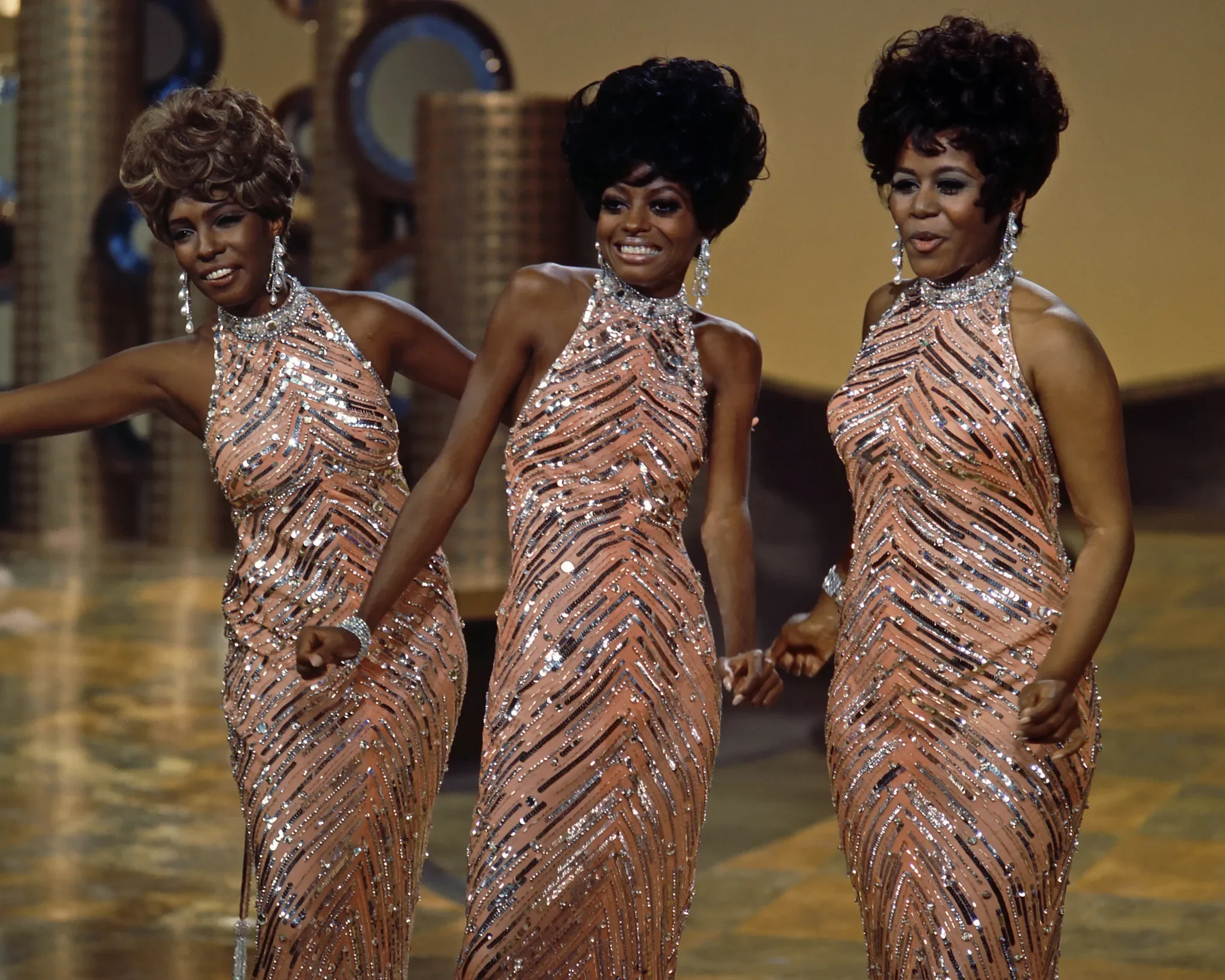
Before coordinated stage outfits became synonymous with pop superstardom, The Supremes were demonstrating the power of a perfectly polished presentation. During the 1960s, Diana Ross, Mary Wilson and Florence Ballard helped usher in a new era of girl group glamour with an extraordinary wardrobe of sequined gowns, elegant silhouettes, and dazzling accessories. As Motown's most successful female group, The Supremes became known not only for their chart-topping hits but also for their sophisticated visual identity. Their matching ensembles projected elegance, unity, and star power, helping position the trio as glamorous entertainers with appeal across racial and cultural boundaries.
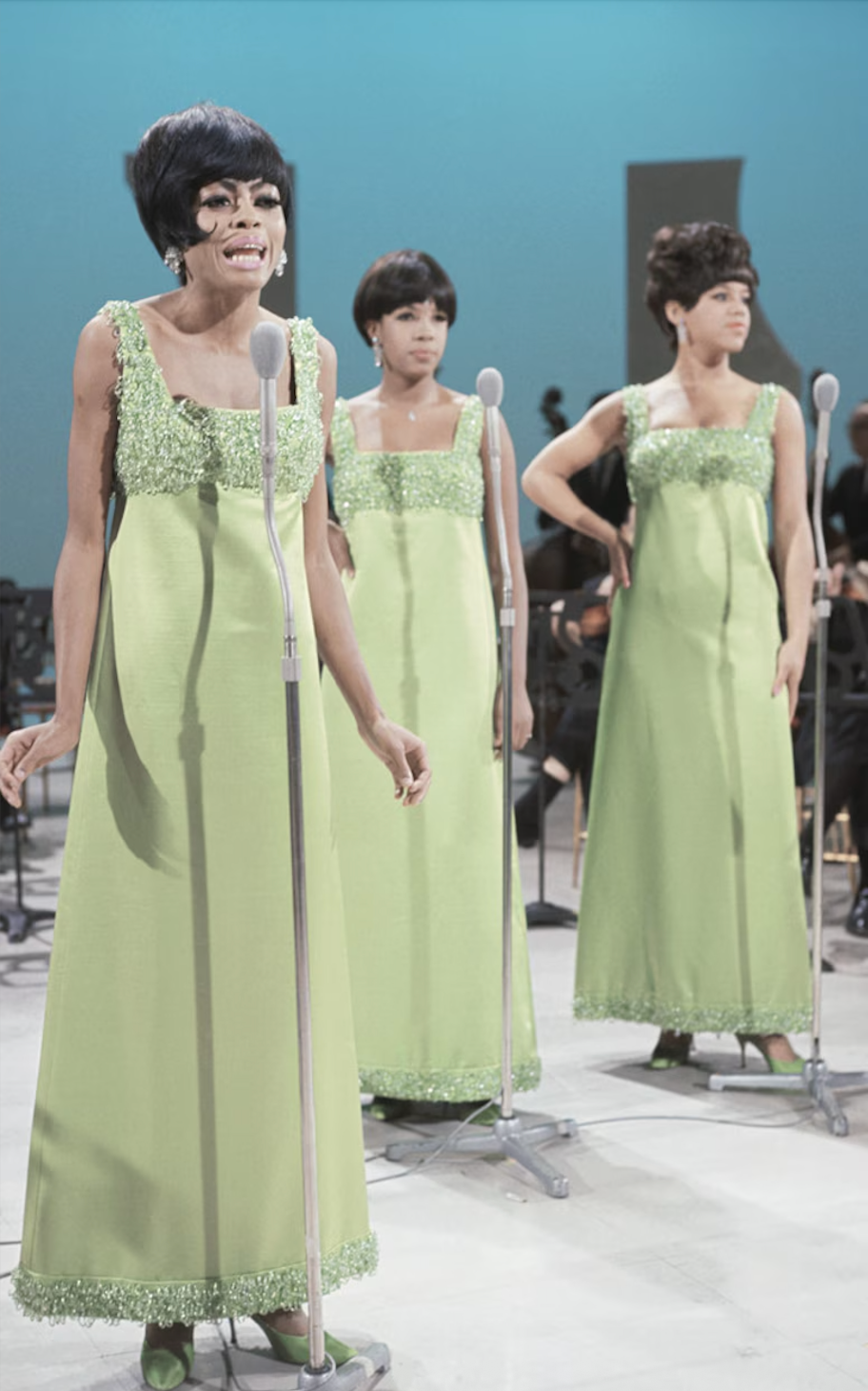
Photo Credit: Getty Images
Their wardrobe was especially significant during a period when Black performers faced considerable barriers within mainstream American entertainment. The group's refined presentation was part of Motown's broader effort to introduce its artists to wider audiences, although the women's fashion influence would ultimately extend well beyond that strategy.
From shimmering floor-length dresses to elaborate hairstyles, The Supremes demonstrated how coordinated fashion could transform three individual performers into one unforgettable image. And naturally, a little sparkle never hurt anybody.
TLC: A New Kind of Girl Group Uniform
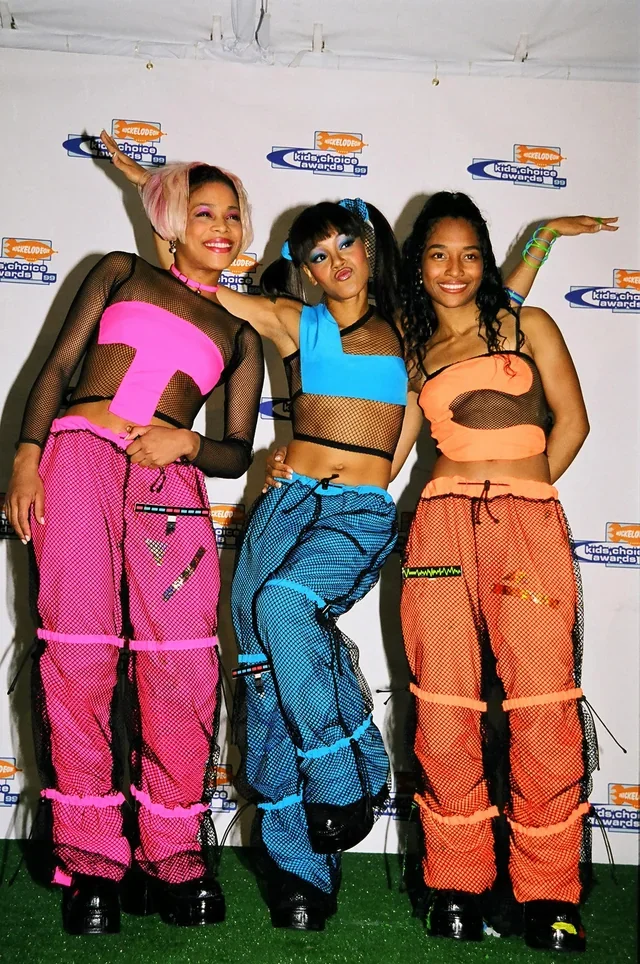
Photo Credit: Getty Images
By the early 1990s, the rules of girl group fashion were ready for a fabulous reinvention. Enter TLC.
Tionne “T-Boz” Watkins, Lisa “Left Eye” Lopes, and Rozonda “Chilli” Thomas traded the traditional matching gowns of earlier generations for oversized silhouettes, colorful streetwear, and unapologetically playful accessories. Their early wardrobe featured baggy jeans, loose-fitting shirts, athletic influences, and bold color combinations that reflected the growing relationship between hip-hop culture and mainstream fashion. Yet their outfits were anything but accidental.
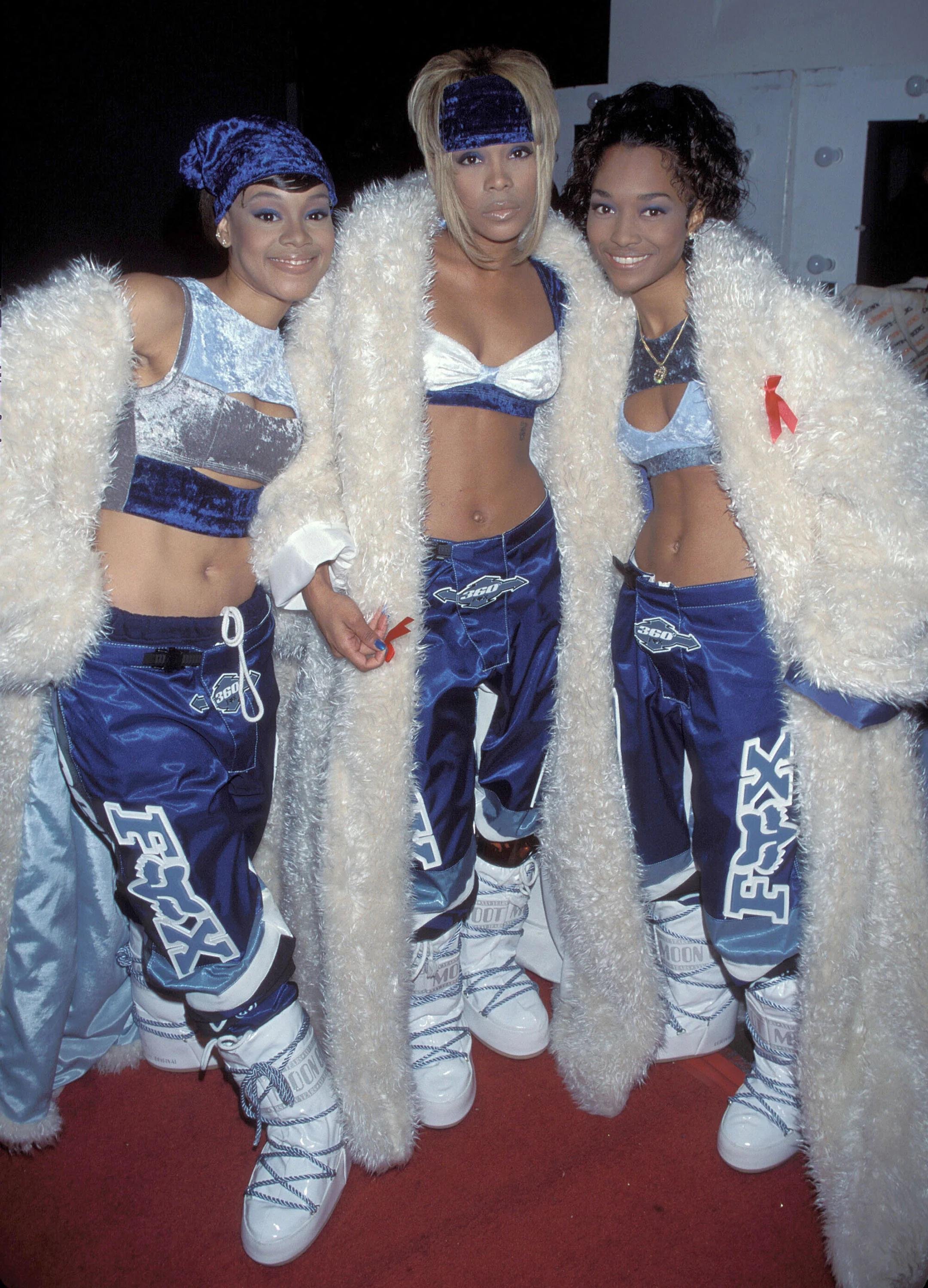
Photo Credit: Getty Images
Although each member maintained her own personality, the trio's coordinated looks created a distinct visual identity that was instantly recognizable. Their fashion communicated confidence, youthfulness, and a refreshing disregard for the expectation that female performers should always dress in conventionally glamorous or revealing clothing. As their careers evolved, so did their wardrobes. The futuristic styling of their FanMail era introduced sleek silhouettes, metallic finishes, and experimental fashion that felt perfectly suited to the approaching millennium.
TLC proved that matching didn't have to mean traditional femininity. Sometimes, the most fashionable thing three girls could wear was a pair of oversized pants and an attitude.
The Spice Girls: Five Personalities, One Fashion Phenomenon
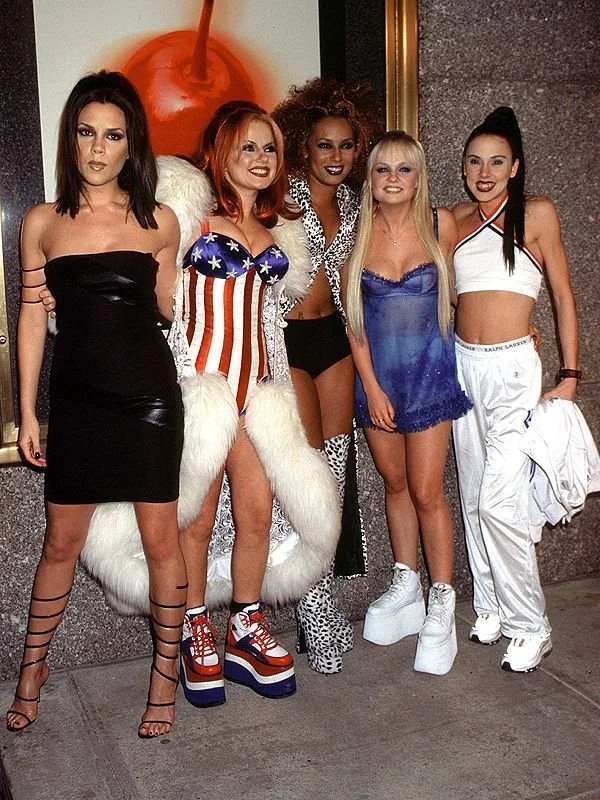
Photo Credit: Getty Images
If The Supremes perfected visual harmony and TLC reinvented the girl group uniform, the Spice Girls introduced another possibility entirely: coordinated individuality. When the British pop group exploded onto the international music scene during the 1990s, each member arrived with a distinctive fashion identity.
There was Victoria Beckham's sleek and sophisticated Posh Spice, Emma Bunton's sweet and playful Baby Spice, Melanie Brown's bold Scary Spice, Melanie Chisholm's athletic Sporty Spice, and Geri Halliwell's exuberant Ginger Spice. Together, they created a fashion phenomenon that celebrated the differences between them.
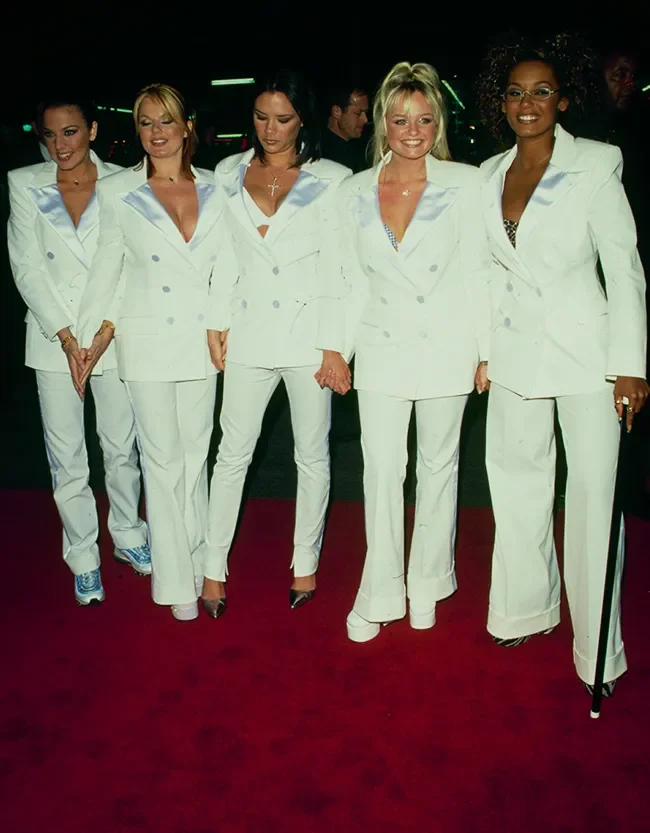
Photo Credit: R. T. Granitz
Rather than relying on identical outfits, the Spice Girls embraced a wardrobe philosophy that allowed each member to represent a different expression of femininity. Platform sneakers, minidresses, tracksuits, leopard prints and Union Jack-inspired fashion became essential components of their collective image. Their looks were rarely identical, but they were always unmistakably connected.
The result was a masterclass in visual branding. Fans could identify with an individual Spice Girl while still embracing the group as a whole. That may have been their greatest fashion achievement: proving that five women could dress completely differently and still look perfectly in sync.
Destiny's Child: The Art of the Custom-Made Ensemble
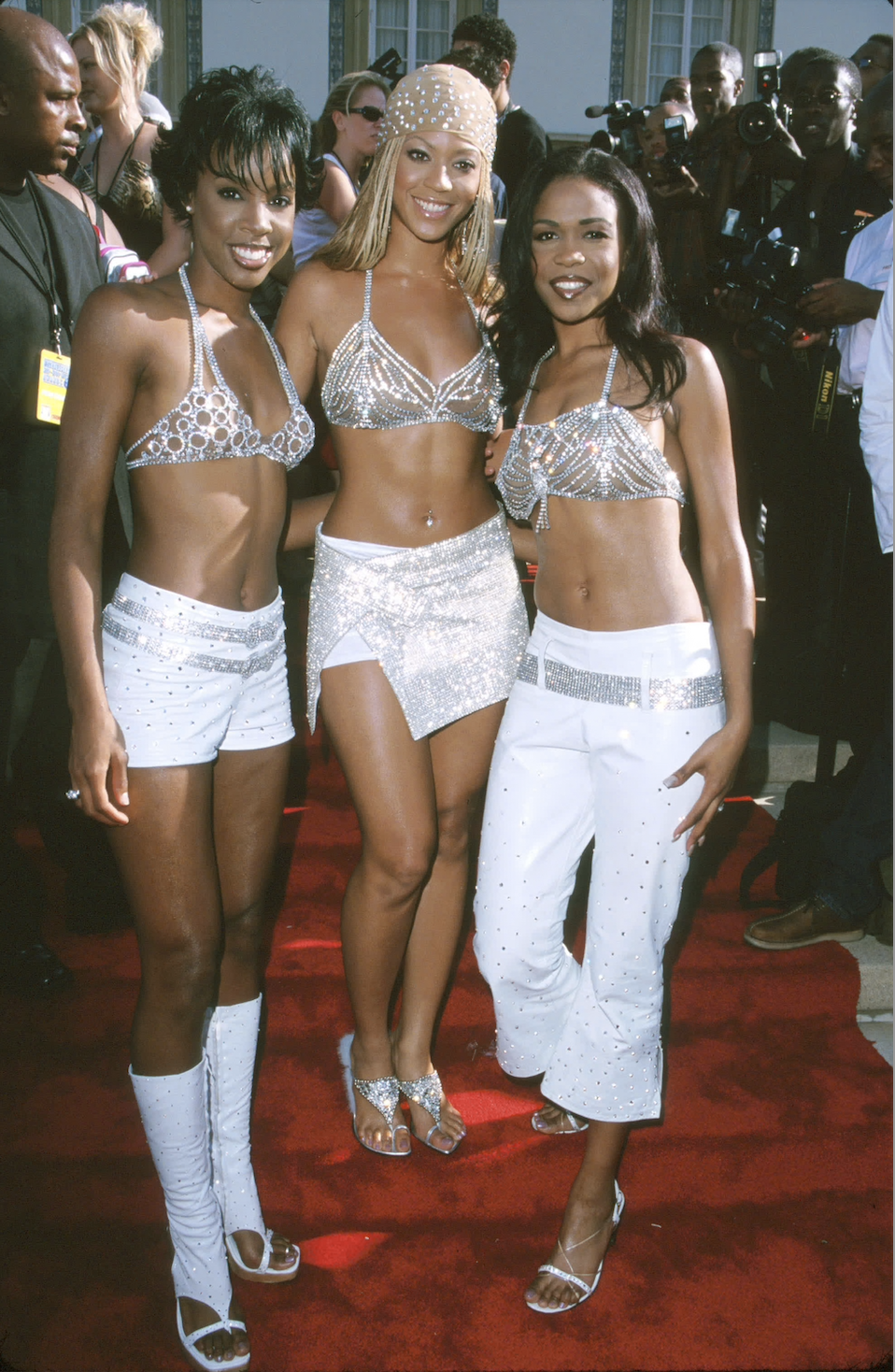
Photo Credit: Getty Images
Few girl groups have embraced the magic of matching quite like Destiny's Child. Throughout the late 1990s and early 2000s, the group delivered a seemingly endless collection of coordinated ensembles, from embellished denim and colorful leather to metallic fabrics, dramatic cutouts, and sparkling stage costumes. Behind many of those unforgettable looks was Tina Knowles, Beyoncé's mother, who played an instrumental role in shaping the group's fashion identity.
At a time when major fashion houses were not always willing to dress emerging Black female performers, Knowles helped create custom wardrobes that ensured the group would never go unnoticed. Her designs often incorporated the same fabrics, colors, and decorative elements across multiple outfits while allowing each member's silhouette to vary.
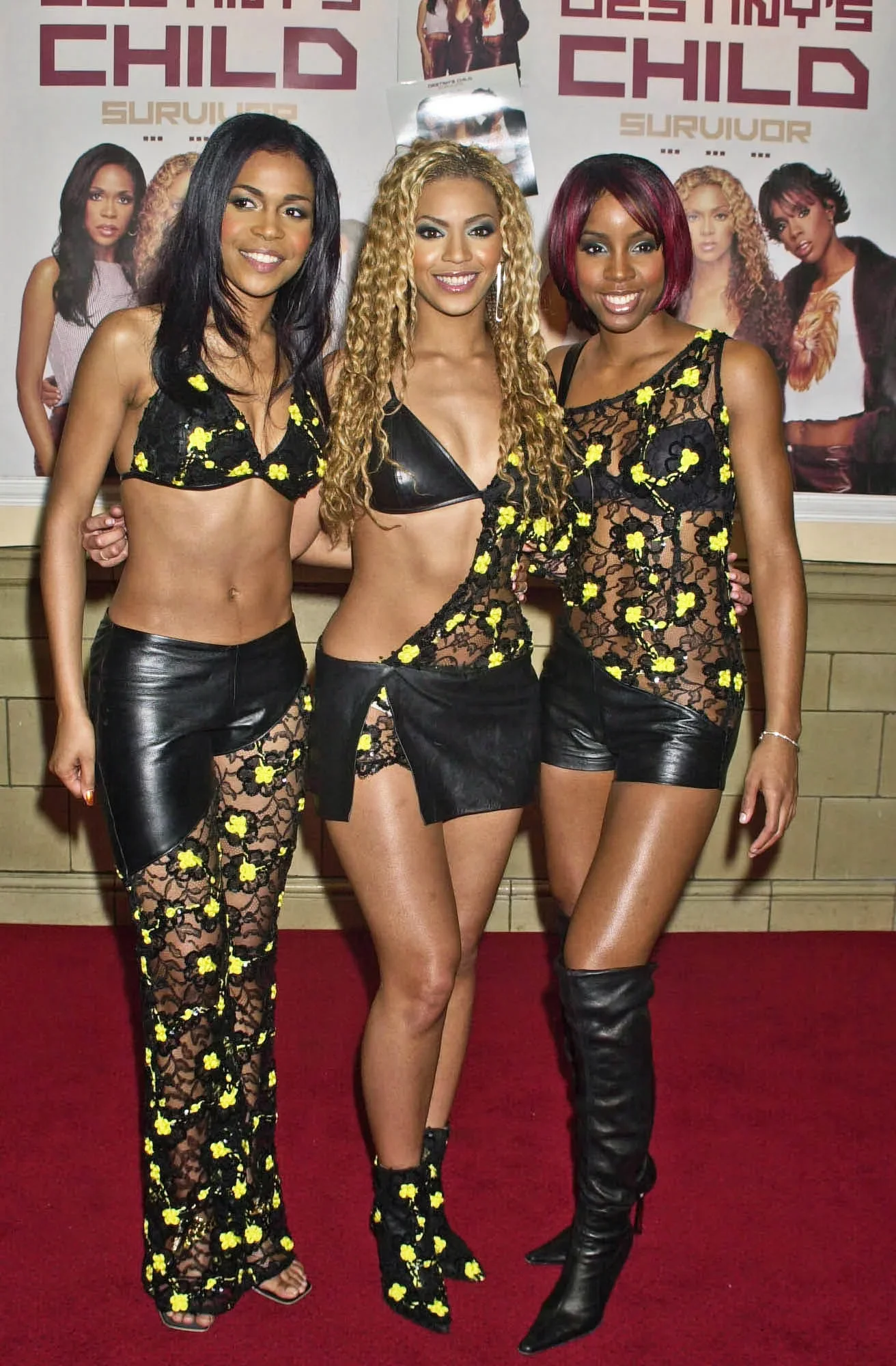
Photo Credit: Getty Images
Whether performing onstage, attending an awards ceremony or appearing in a music video, Destiny's Child consistently demonstrated how coordinated clothing could make a group appear polished, powerful and completely unified. Their fashion also captured the exuberance of the Y2K era. Rhinestones, exposed midriffs, bold prints, and head-to-toe coordination became defining features of the group's image, inspiring a generation of young women to experiment with matching looks of their own.
Today, their archival outfits remain a source of inspiration for fashion enthusiasts who appreciate the fearless glamour of early-2000s style. After all, some fashion moments are simply too fabulous to forget.
The Lasting Magic of Matching
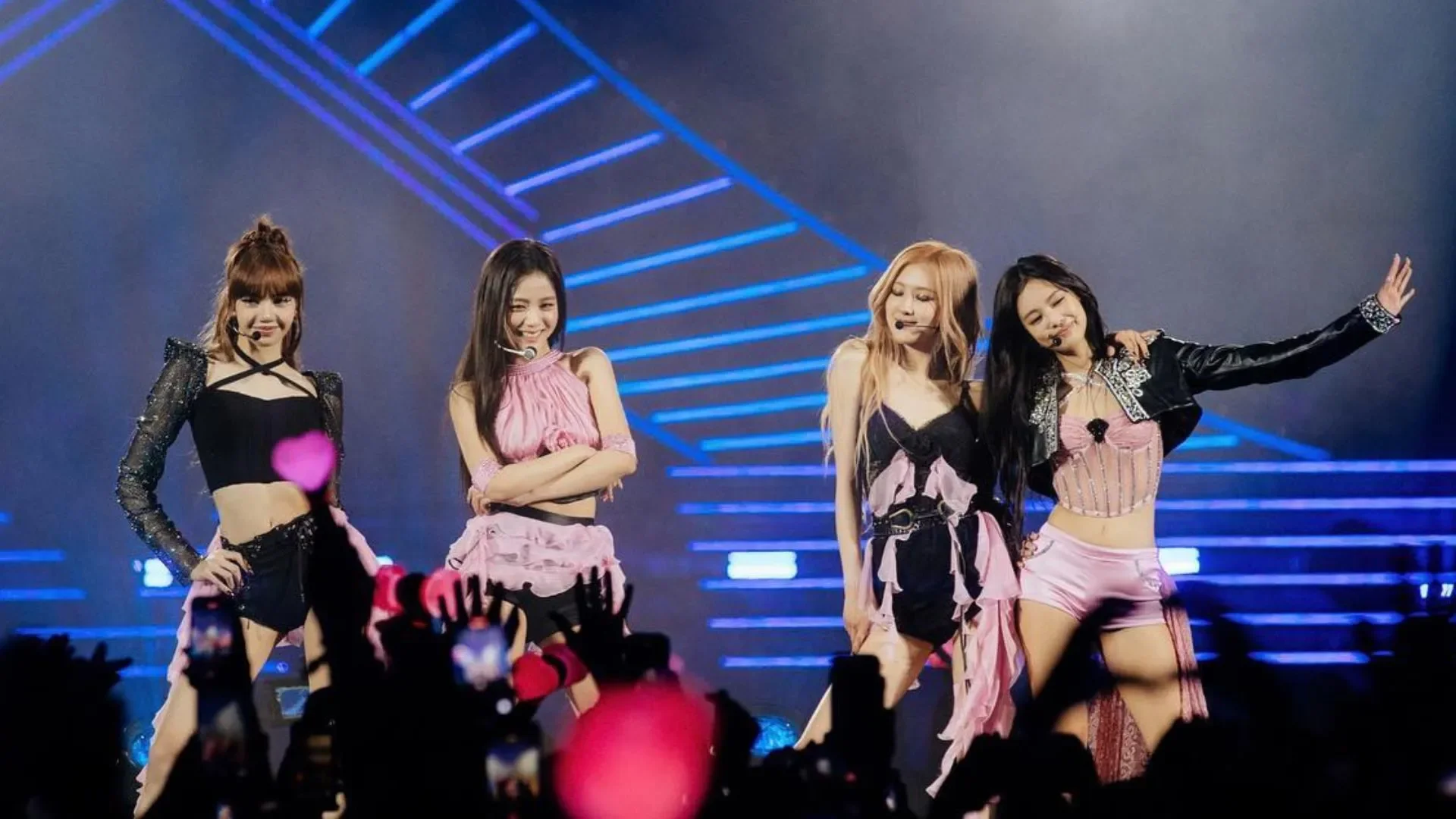
Photo Credit: Getty Images
The influence of girl group fashion extends far beyond the decades in which these artists first found fame. Contemporary pop groups continue to experiment with coordinated wardrobes, drawing on everything from nostalgic Y2K styling to high-fashion runway collections. Groups such as BLACKPINK and TWICE frequently embrace complementary colors, shared design details, and individualized silhouettes to create visually cohesive performances without sacrificing each member's identity. The formula may have evolved, but the underlying principle remains the same.
Matching outfits create an immediate sense of belonging. They communicate unity, reinforce a group's image, and transform individual performers into a collective fashion statement, making girl group fashion about finding the perfect balance between individuality and togetherness, allowing each woman to shine while contributing to something greater.
From the sequined elegance of The Supremes to the fearless experimentation of TLC, the personality-driven wardrobes of the Spice Girls and the custom-made glamour of Destiny's Child, girl groups have repeatedly demonstrated that fashion is an essential part of their cultural legacy. Because when it comes to making fashion history, sometimes the best looks come in twos, threes, fours, or fives.
The Tiny Dent in Jackie Kennedy's Hat That Helped Make Halston Famous