
The Story of the Little Black Dress: History of Fashion’s Most Iconic Look
By Alexus Mosley
The little black dress, often shortened to the iconic acronym LBD, is one of fashion’s most enduring symbols of elegance. Defined as a simple black cocktail or evening dress, the LBD was designed to be versatile, accessible, and timeless. Nearly a century after its rise, it remains a staple of the modern wardrobe, praised for its ability to move effortlessly from day to night with only a change of accessories.
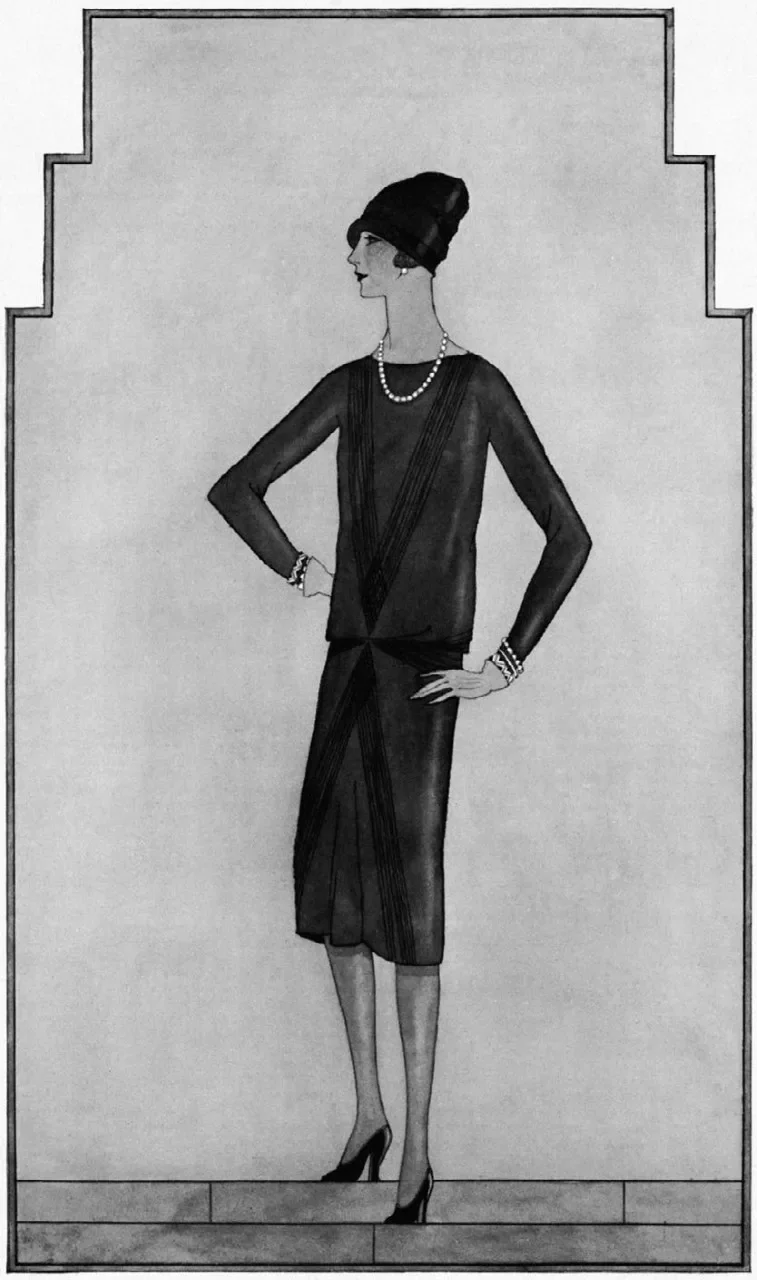
Coco Chanel’s Little Black Dress Illustration published in the October 1926 issue of American Vogue magazine
While black had long been a color rich in symbolism, associated at various points in history with wealth, romance, artistry, and mourning, it was French designer Coco Chanel who forever altered its meaning in modern fashion. In 1926, Chanel published an illustration of a short, simple black dress in American Vogue. The calf-length, straight-cut design was striking in its restraint. Vogue famously dubbed it “Chanel’s Ford,” likening it to the Model T for its accessibility and predicting it would become “a sort of uniform for all women of taste.” Chanel soon brought the illustration to life with a crepe de chine dress, helping to disassociate black from mourning and recast it as chic, modern, and quietly powerful. “I imposed black; it’s still going strong today,” she once said, capturing the revolutionary spirit behind the silhouette.
The LBD rose alongside the modernization of women’s dress in the Roaring Twenties, a time when women were shedding restrictive corsets in favor of freer, tubular silhouettes and shorter hemlines.
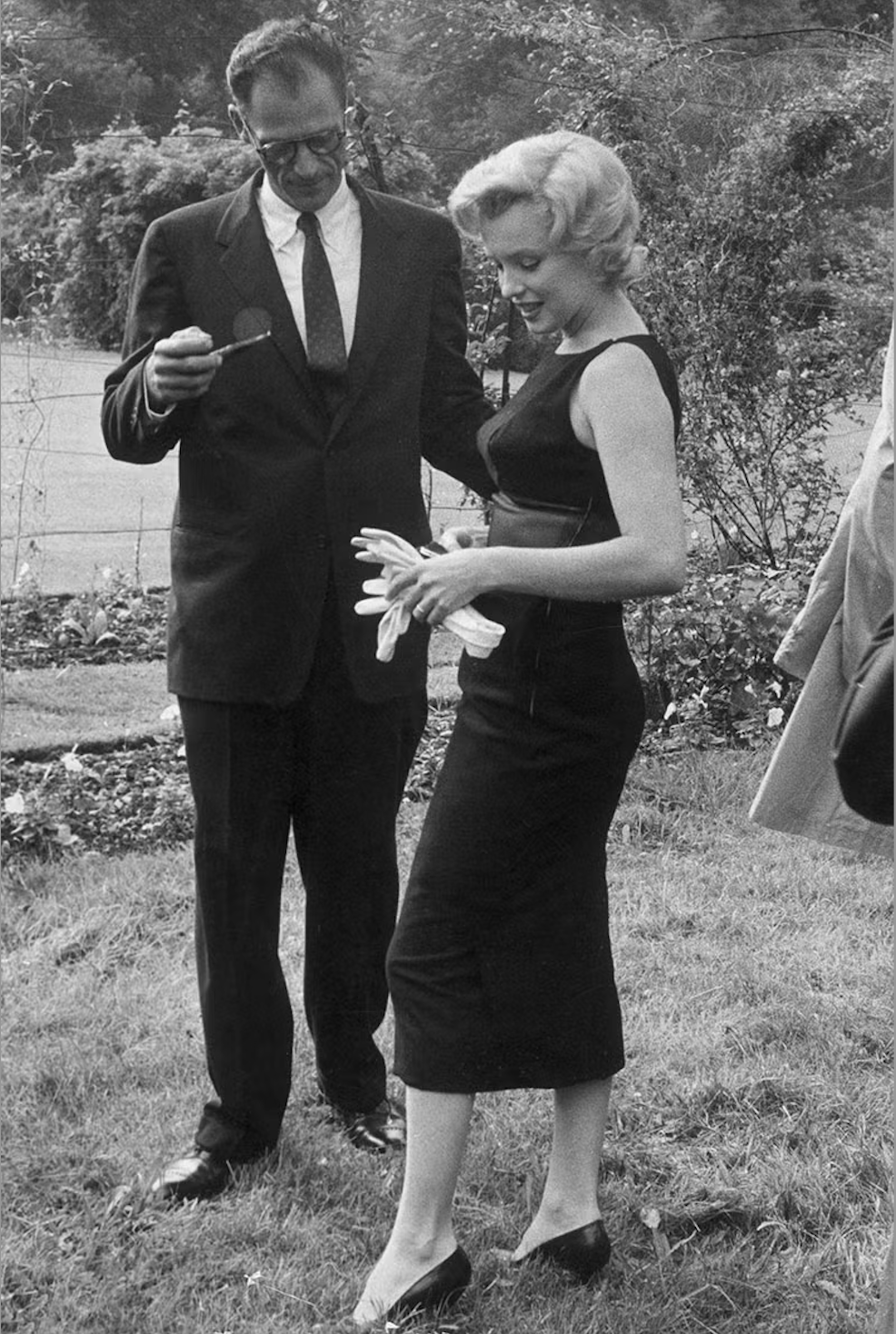
Marilyn Monroe in Little Black, 1956
Photo Credit/Getty Images
The dress aligned seamlessly with flapper fashion and the cultural shift toward female independence. Its appeal only deepened during the Great Depression, when its economy and elegance made it a practical yet refined choice for women navigating uncertain times. Hollywood further elevated the little black dress throughout the 1930s and 1940s. As Technicolor films became more common, filmmakers often relied on black garments, which translated more reliably on screen than certain saturated hues. During World War II, rationing and the entrance of women into the workforce reinforced the LBD’s place as a functional uniform, easily accessorized for both business and evening wear.
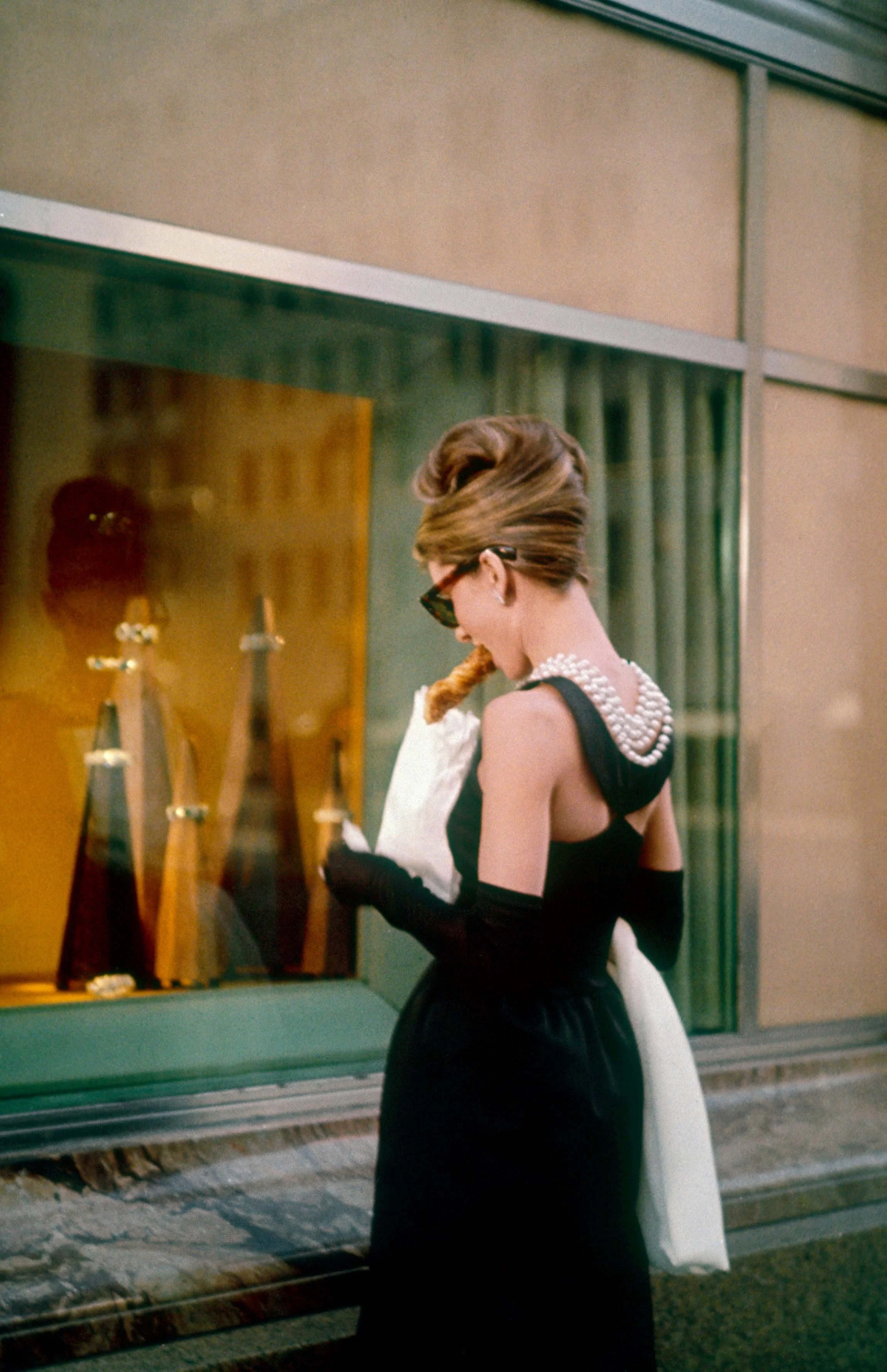
Audrey Hepburn in Little Black Dress as Holly Golightly in Breakfast at Tiffany’s
Photo Credit/Paramount/Kobal/Shutterstock
In the postwar years, the silhouette evolved with each cultural shift. A subtle marker of danger and allure in contrast to the pastel dresses of wholesome heroines, the conservatism of the 1950s cast the little black dress as the uniform of the femme fatale. By the 1960s, youth culture reimagined the LBD in mini lengths and daring cuts, while Audrey Hepburn’s black Givenchy gown in Breakfast at Tiffany’s cemented the dress as a cinematic icon of modern femininity.
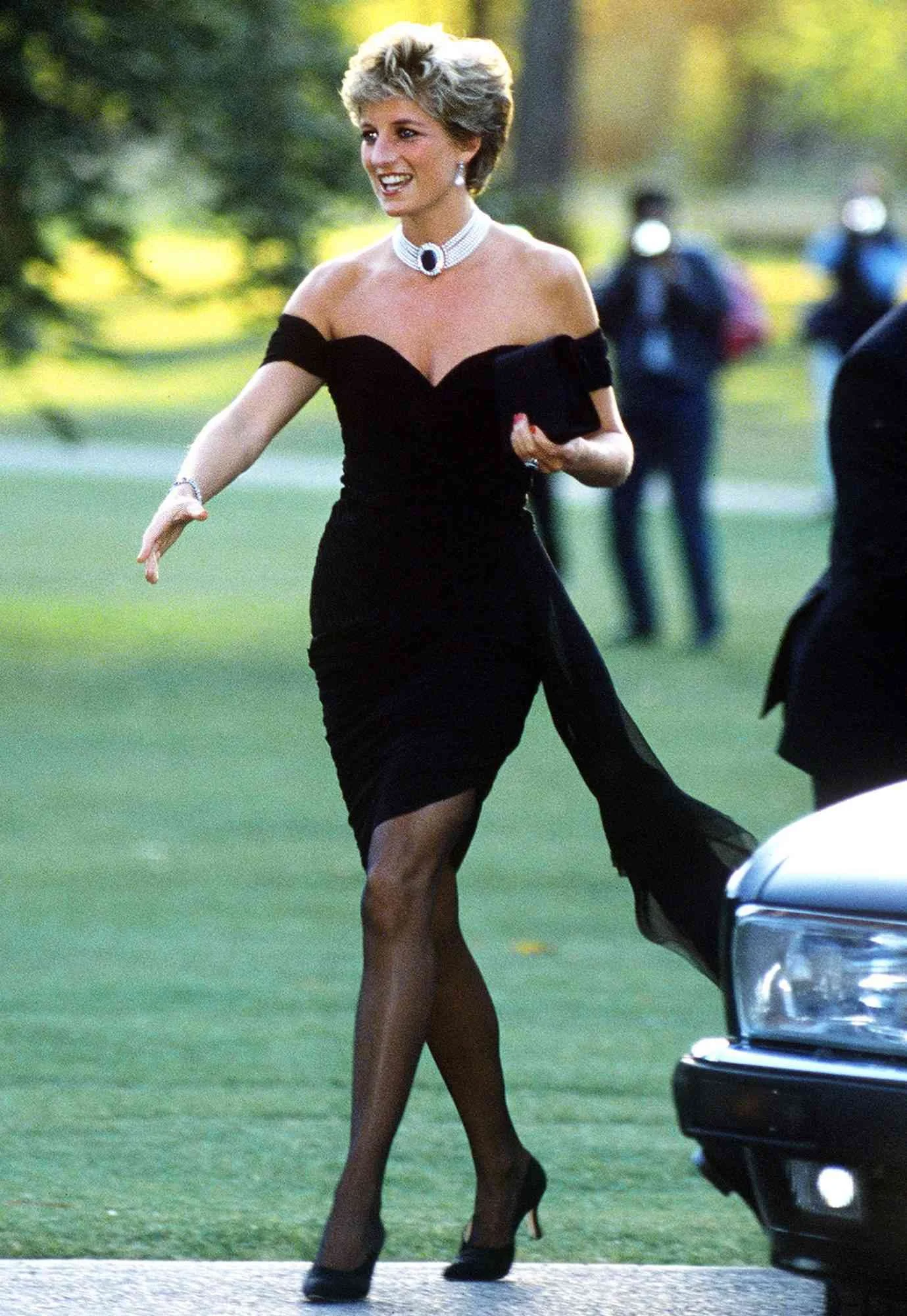
Princess Diana in Little Black Dress known as her “Revenge Dress,” 1994
Photo Credit/Getty Images
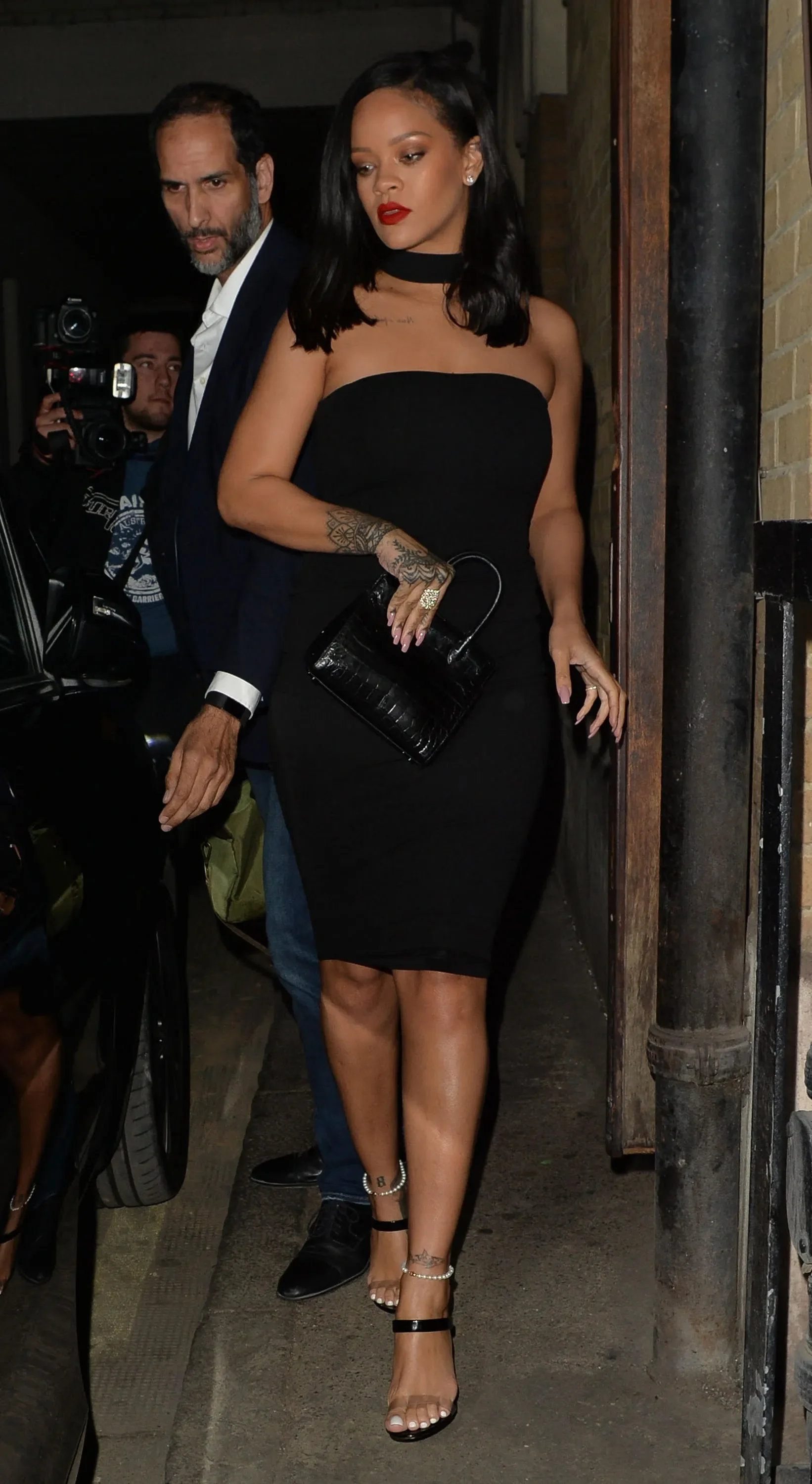
Rihanna in Little Black Dress, 2018
Photo Credit/Vantage News
More than a trend, the little black dress endures as a cultural shorthand for elegance. It is a garment that belongs to no single decade or single muse, but to all the woman who wears it. In its restraint lies its power, proving that the most iconic looks are often the simplest.
Diamonds, Drama, and Dynasty: How the Show Defined 80s Power Dressing