
Marc Jacobs Enters a New Era After LVMH Sells the Brand
By Alexus Mosley
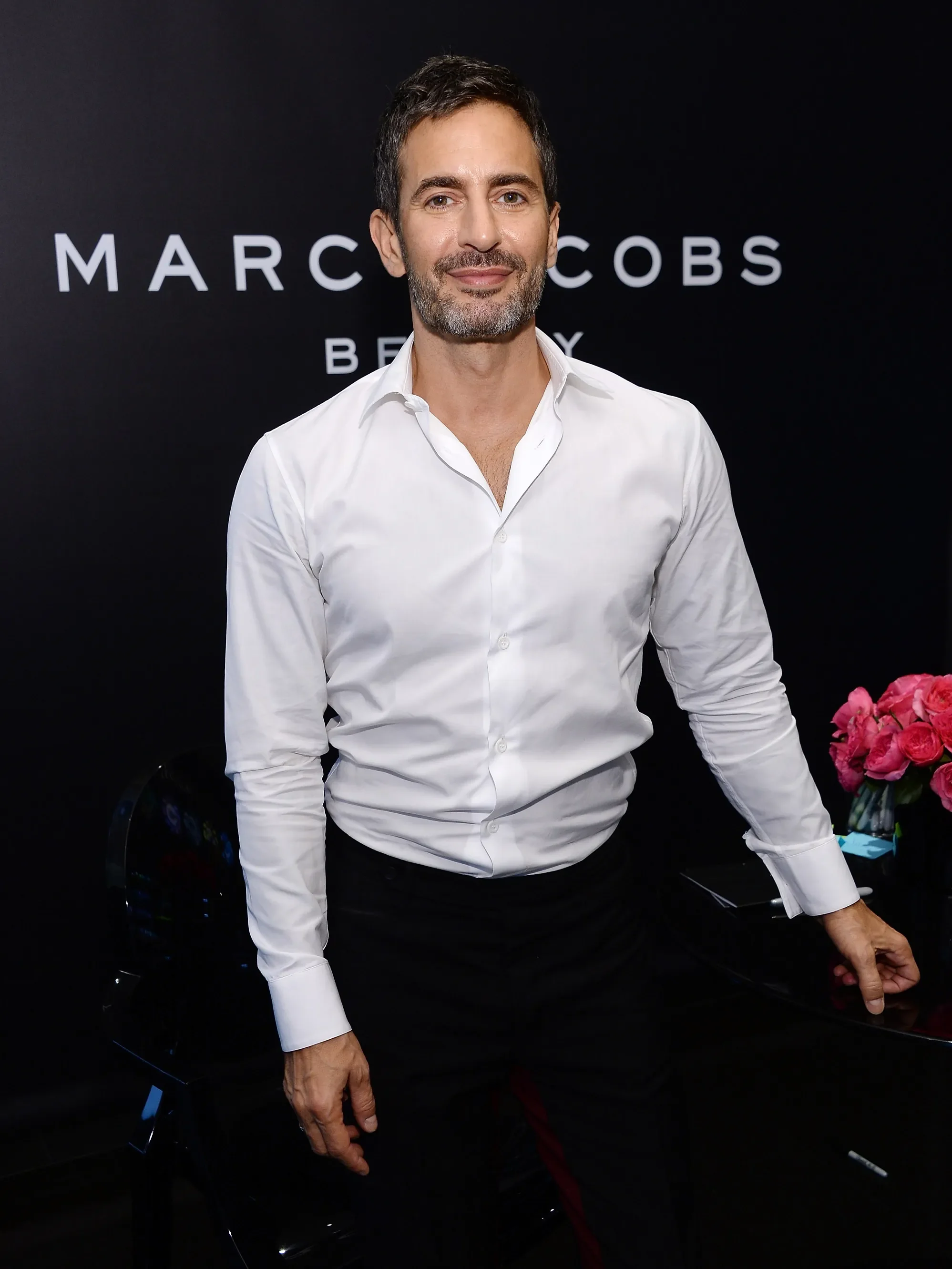
Photo Credit: Patrick McMullan / Getty Images
After nearly three decades under LVMH, Marc Jacobs is officially entering a new chapter.
WHP Global and G-III Apparel Group announced on Sept. 1 that they have completed their acquisition of the Marc Jacobs brand from LVMH, bringing one of fashion’s longest-running designer-luxury conglomerate relationships to an end.
The deal places the Marc Jacobs intellectual property into a new 50/50 joint venture owned by WHP Global and G-III. WHP will lead global brand licensing, while G-III will own and operate the business across wholesale, retail and e-commerce. Marc Jacobs himself isn’t going anywhere, The American designer will remain founder and creative director, overseeing the brand’s creative vision, runway collections and fashion shows.
LVMH first acquired a majority stake in Marc Jacobs in 1997, beginning a partnership that would help transform the designer’s namesake label into a globally recognized fashion business.
During those years, Jacobs also served as creative director of Louis Vuitton from 1997 until 2013, a tenure that helped usher the French house into the modern fashion era through ready-to-wear, headline-making collaborations and a more pop-cultural approach to luxury.
When the sale was initially announced in May, Jacobs thanked LVMH chairman and CEO Bernard Arnault for nearly 30 years of support and said he was looking forward to the brand’s “bright new chapter.”
The acquisition isn’t simply a change of ownership. The new partners are signaling that they see significant room to make Marc Jacobs even bigger. G-III said Wednesday that it is targeting $1 billion in long-term annual revenue for the brand. The company plans to use its expertise in product development, sourcing, merchandising, wholesale and international distribution, while WHP brings its global licensing operation to the partnership.
Marc Jacobs already occupies an unusual sweet spot in fashion. The label can stage conceptual runway collections while simultaneously producing highly recognizable commercial hits like The Tote Bag, The Snapshot and its Heaven diffusion line. That combination of cultural cachet and accessible products may be exactly what makes the brand attractive to its new owners.
The most important detail for fashion fans is that the designer remains firmly attached to the house that bears his name. Unlike acquisitions that come with a creative shakeup, this one appears focused on expanding the business around Jacobs rather than replacing his point of view.
More than 40 years of Marc Jacobs building one of American fashion’s most recognizable worlds, that continuity matters. LVMH may be leaving the building, but Marc Jacobs is still very much at Marc Jacobs.