9 Fictional It Girls Who Defined the 2000s
By Alexus Mosley
What if I told you that in the 2000s, some of the decade’s most influential It Girls weren’t even real? The 2000s gave us a fabulous roster of fictional women who shaped the way we thought about fashion, beauty, ambition and the good life. They carried Birkins, wore bandage dresses, lunched at fabulous restaurants and treated getting dressed as an event. Some were born into privilege while others were determined to create glamorous lives of their own. A few were absolute nightmares, but fascinating nightmares nonetheless.
From Carrie Bradshaw’s Manolos to Toni Childs’ unapologetic taste for luxury, these nine fictional It Girls helped define the decade.
Serena van der Woodsen — Gossip Girl
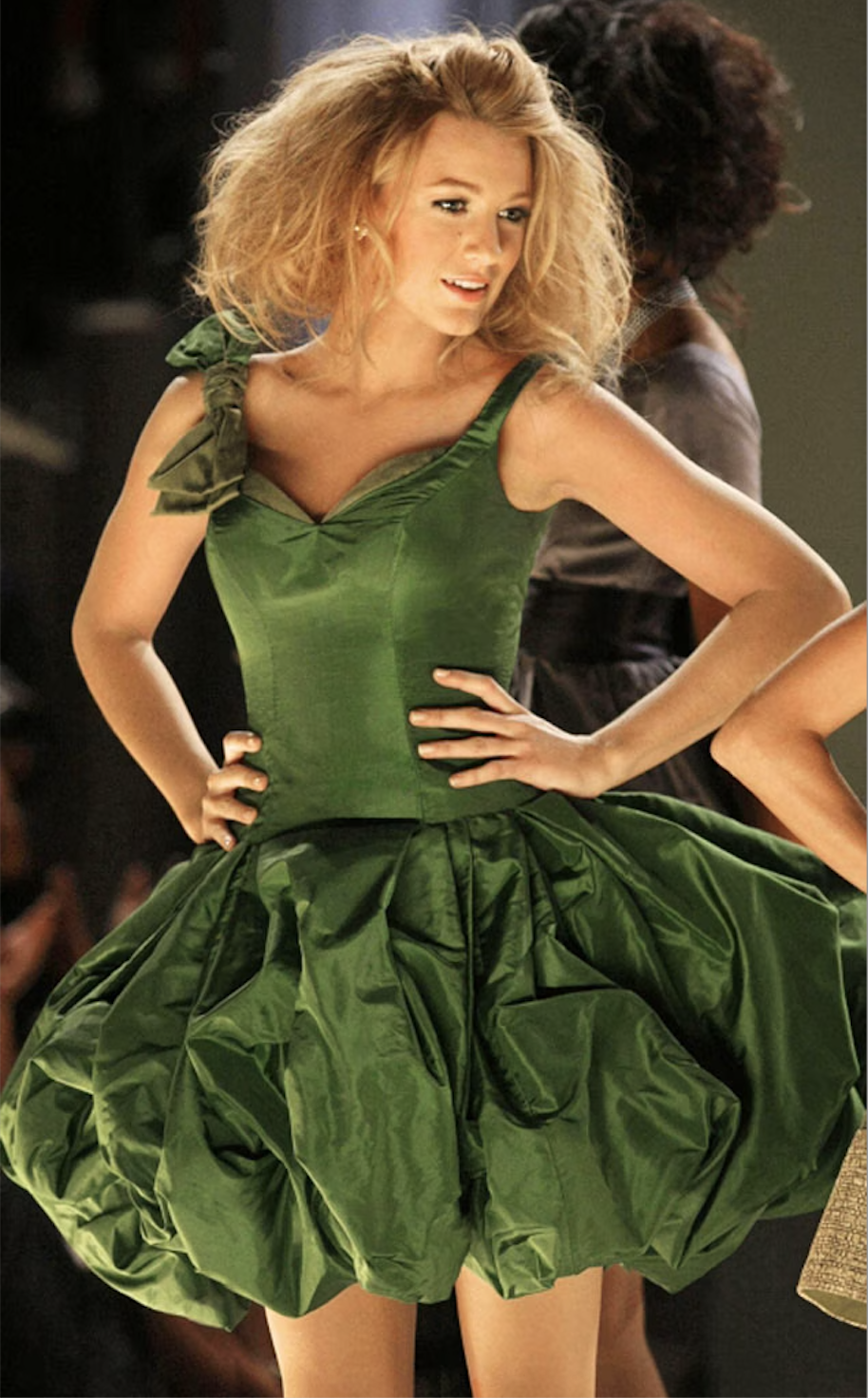
If Elinor Glyn’s original idea of “It” was an inexplicable magnetic quality, Serena van der Woodsen might be its perfect fictional embodiment. Serena didn’t have to campaign for attention because attention found her.
Beautiful, wealthy and surrounded by just enough scandal to keep Manhattan interested, Serena returned to the Upper East Side in the opening moments of Gossip Girl and immediately became news.
She wasn’t merely popular. People were curious about her and fascinated too. That distinction is what made Serena an It Girl.
Blair Waldorf — Gossip Girl
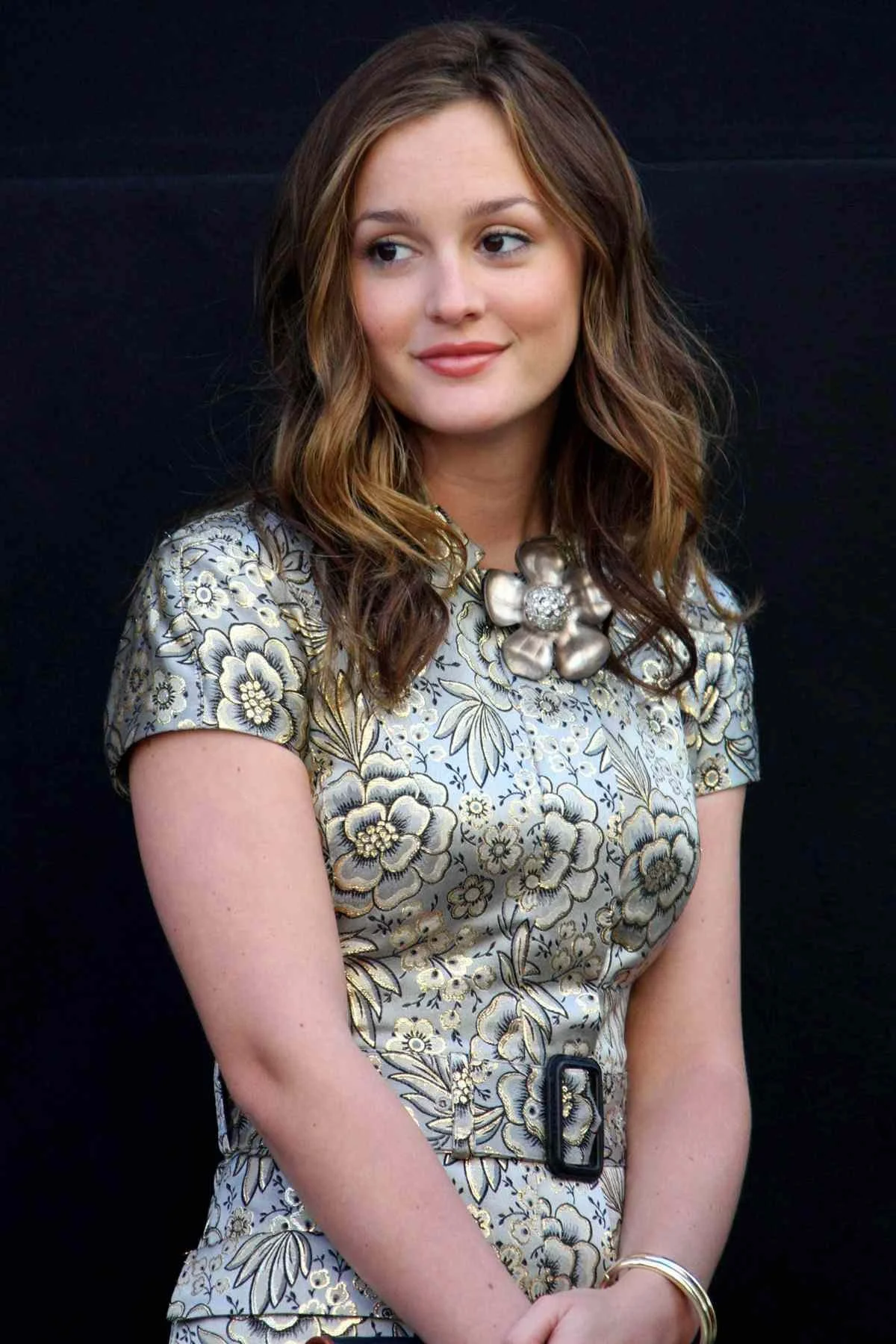
If Serena possessed It naturally, Blair Waldorf was determined to manufacture perfection herself.
With headbands, colored tights, elaborate parties, and carefully maintained social hierarchies, Blair understood something fundamental about image: presentation matters.
Her version of It Girl status was built around taste, exclusivity and control. She didn’t simply want to attend the right party. She wanted to decide who was invited. And while Blair’s schemes frequently blew up spectacularly, her commitment to creating a beautiful life made her one of the defining fashion characters of the late 2000s.
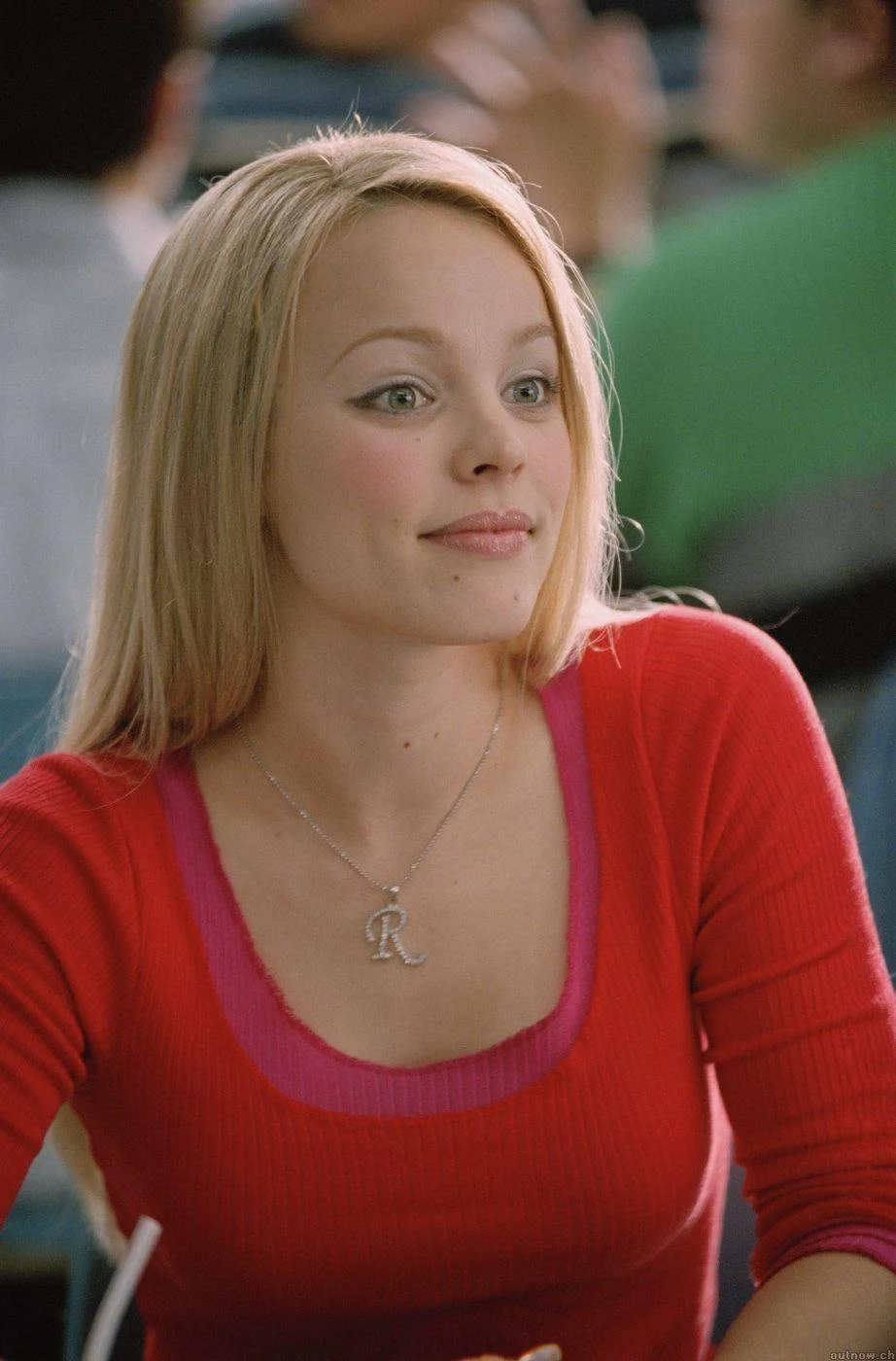
Regina George —Mean Girls
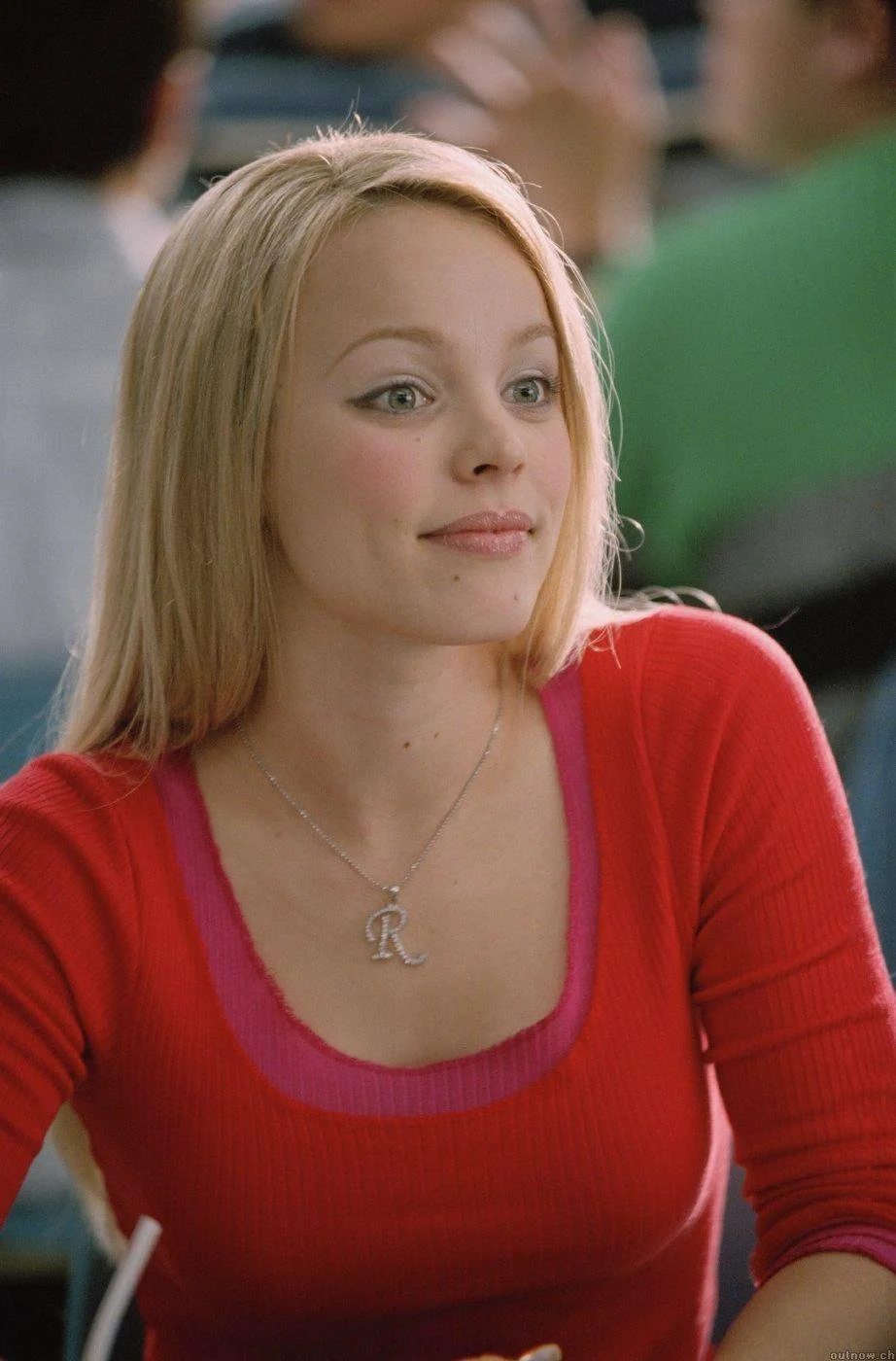
Regina George didn’t follow trends. She decided what they were.
As the undisputed leader of the Plastics, Regina possessed the kind of social influence most fictional Queen Bees could only dream about. What she wore mattered and who she dated did too. Even accidentally cutting holes into her shirt resulted in other girls copying the look.
That is influence.
Joan Clayton —Girlfriends
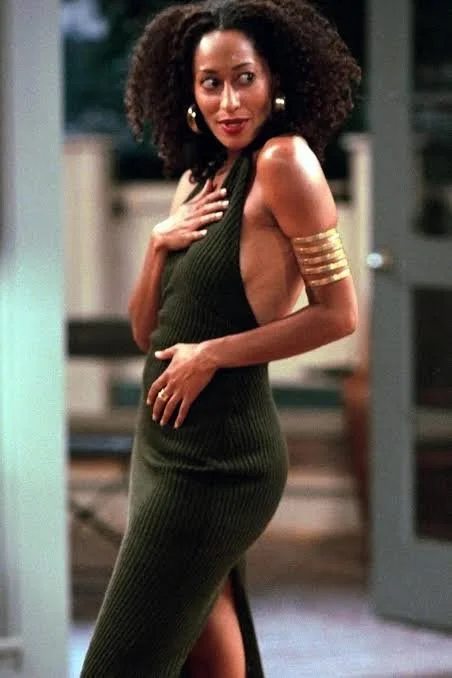
Joan Clayton represented another kind of 2000s aspiration. She was a successful attorney with a beautiful Los Angeles home, a fabulous group of girlfriends and a wardrobe perfectly suited to the accomplished professional woman she had become.
Unlike Toni’s unabashed materialism, Joan’s glamour was intertwined with achievement. She wanted the career, the relationship, the beautiful home, the social life and eventually the freedom to reinvent herself professionally.
Was she occasionally neurotic about obtaining all of it? Absolutely. But that was part of her appeal.
Toni Childs —Girlfriends
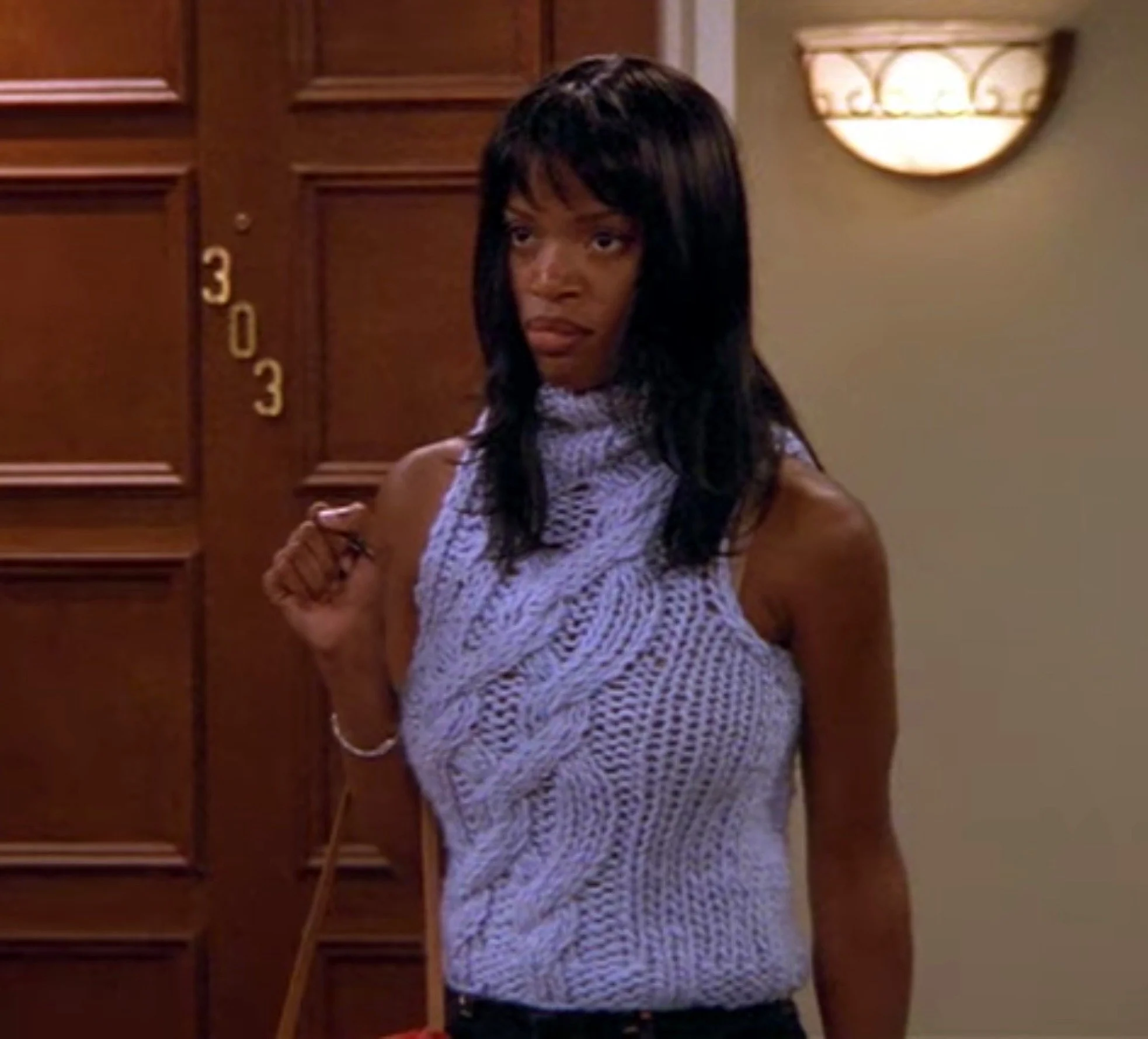
Toni Childs never saw anything wrong with wanting the finer things in life.
Beautiful, ambitious and gloriously materialistic, Toni approached luxury with the conviction that she wasn’t merely attracted to beautiful things — she belonged among them. Designer clothes, expensive cars, fabulous restaurants, wealthy men and an enviable Los Angeles lifestyle weren’t guilty pleasures, bur standards.
And unlike the heiresses who populated so much of 2000s pop culture, Toni was determined to finance the fantasy herself. Her career in real estate gave her ambition to match her expensive taste, making her a particularly delicious version of the decade’s It Girl.
Elle Woods —Legally Blonde
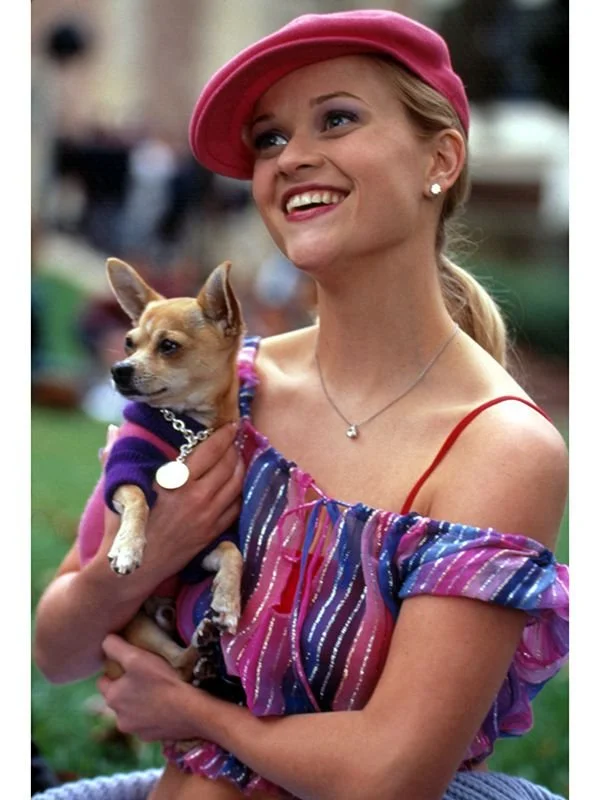
Elle Woods offered the 2000s something even better than the fashionable blonde stereotype: its subversion.
When we first meet her, Elle already has many of the traditional ingredients of an It Girl. She’s beautiful, impeccably dressed, popular, socially confident and president of her sorority. Then she gets into Harvard Law School.
What makes Elle enduring isn’t that she abandons her hyperfemininity to become serious. It’s that she refuses to accept the premise that she has to choose. For a decade that loved the ditzy socialite archetype, Elle Woods gave the blonde in pink the last laugh.
Dee Dee Thorne —Half & Half
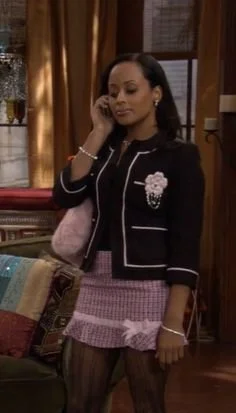
Dee Dee Thorne was pure early-2000s feminine fabulousness. The privileged younger half-sister at the center of Half & Half, Dee Dee was bubbly, fashionable, romantic and accustomed to a certain level of comfort. Her colorful wardrobe and unapologetically girly presentation captured a version of Y2K style that feels particularly fun to revisit now.
But reducing Dee Dee to spoiled rich girl would miss much of her charm. She was warm, optimistic and eager to establish a relationship with her older sister Mona, giving her the kind of likability that separates a genuine It Girl from a simple Queen Bee.
Dee Dee didn’t need to be intimidating to command attention. Sometimes being pretty, charming, wonderfully dressed and completely committed to enjoying life is enough.
Marissa Cooper —The O.C.
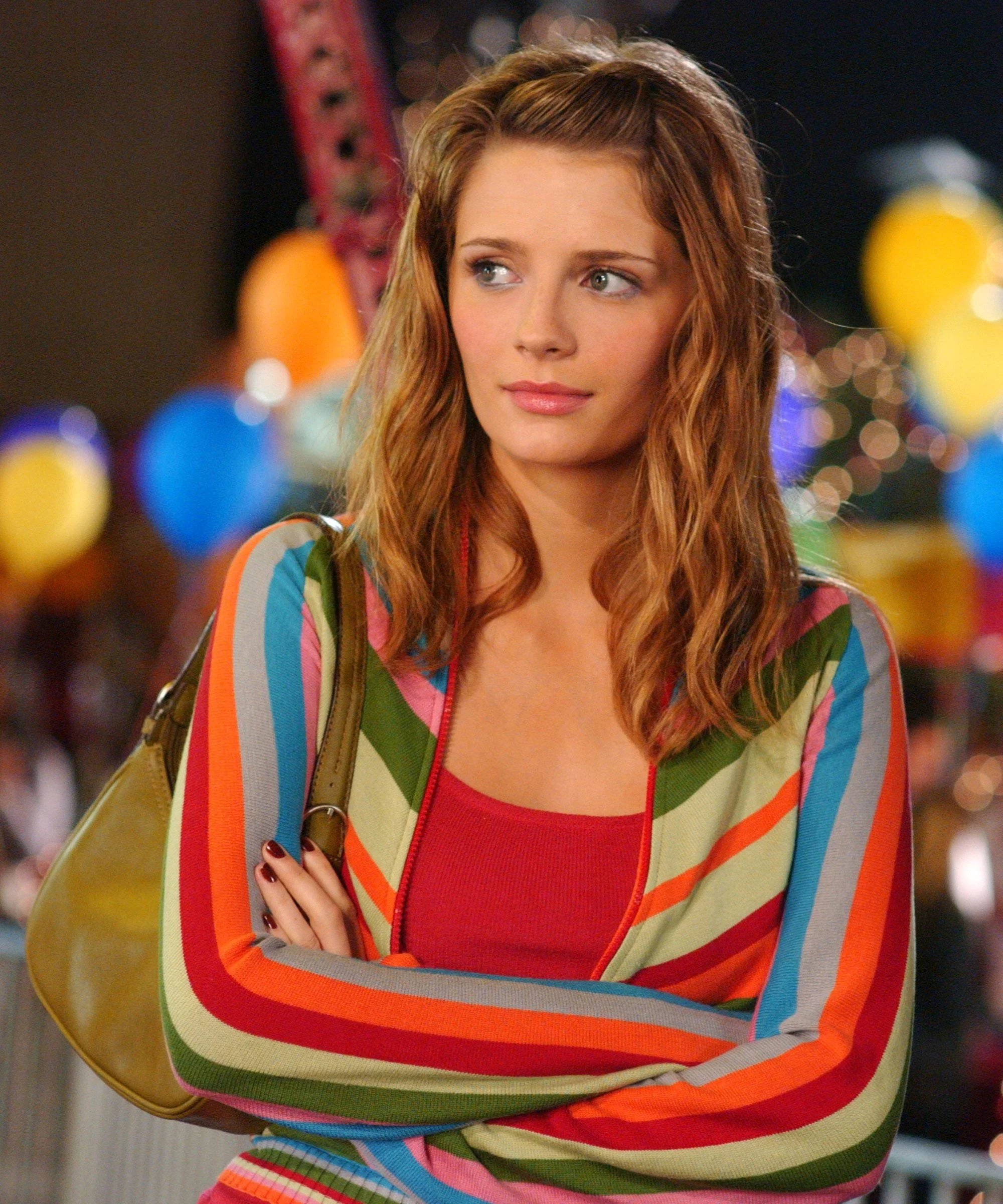
Every era needs its beautiful, troubled society girl. For the 2000s, that girl was Marissa Cooper.
Living among the mansions and manicured lawns of Newport Beach, Marissa seemingly had everything required of an It Girl: beauty, money, popularity, great clothes and access to an enviable social world. But underneath the California sunshine was something considerably darker.
Marissa’s complicated family life, relationships and self-destructive tendencies transformed her from merely another wealthy teen character into the decade’s quintessential tragic It Girl.
Summer Roberts —The O.C.
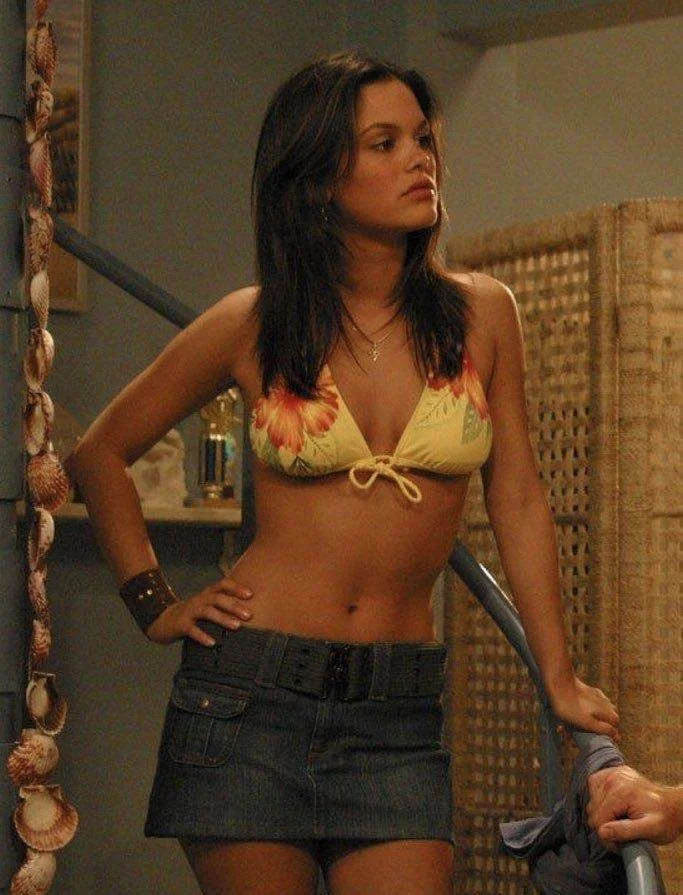
If Marissa Cooper was Newport Beach’s beautiful tragedy, Summer Roberts was its social butterfly.
Pretty, popular and perfectly at home among the pool parties, designer boutiques and sprawling mansions of Orange County, Summer embodied the glossy California It Girl of the early 2000s. She loved fashion, celebrity gossip and the finer things in life, and she had enough confidence to make being a little spoiled part of her charm.
But Summer became far more interesting than the superficial popular girl she appeared to be at first. Beneath the tiny dresses and perfectly highlighted hair was someone smart, fiercely loyal and increasingly willing to care about things beyond the Newport bubble.