
What Makes an It Girl? The Truth Behind the Archetype
By Alexus Mosley
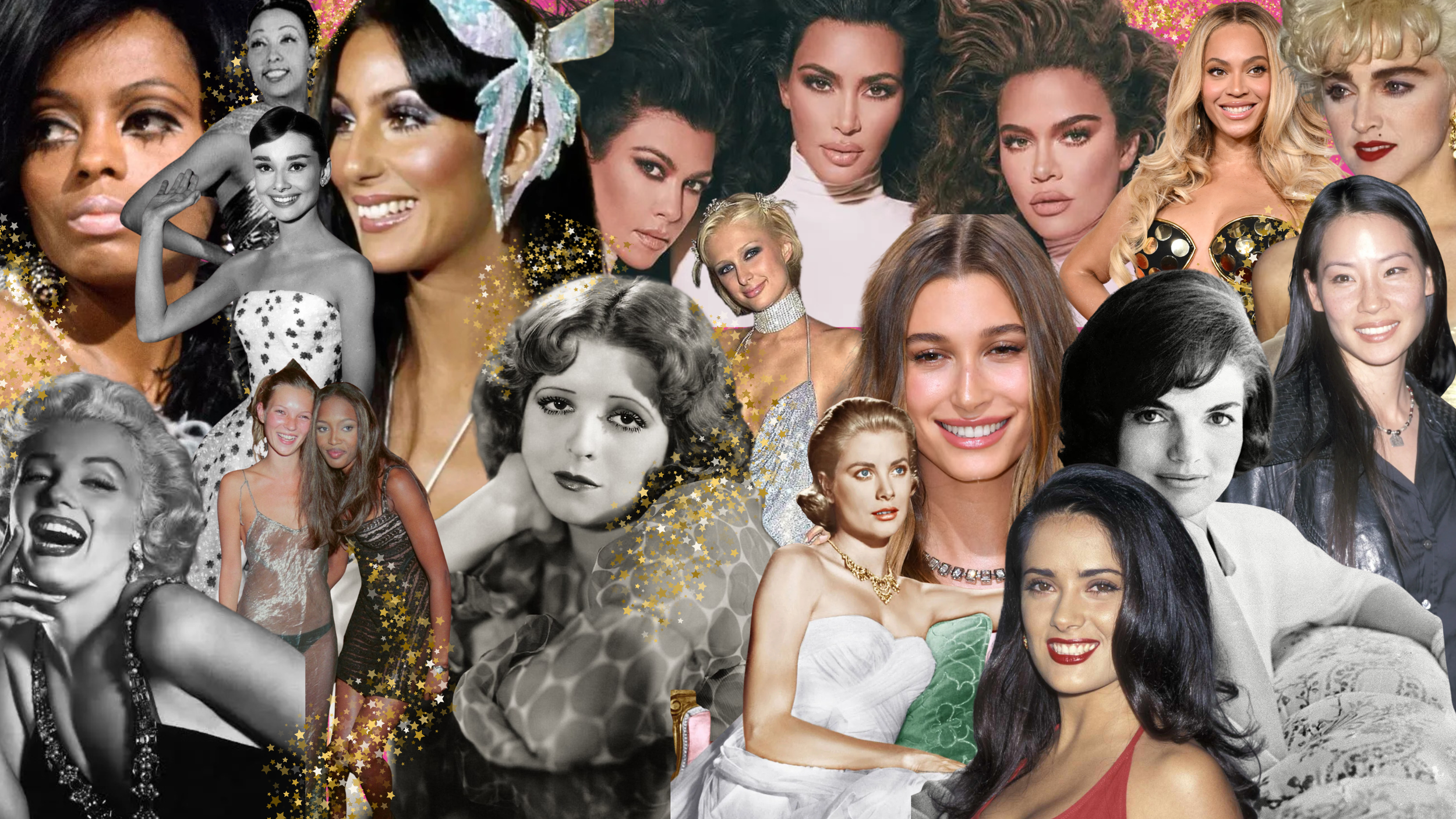
What makes an It Girl? That is a question that has been asked for a century now. Almost always posed when one tries to analyze women who seem to command attention without effort and define their era simply by existing within it. The answer has never been as simple as beauty or fashion, as an It Girl is not made by clothes alone, nor by trends. Instead, she is shaped almost by presence alone, existing as a cultural moment.
Though she may not seek it, attention follows her. And if, in fact, she does seek, it requires little action on her part. She may not be the most conventionally beautiful woman in the room, but she is the one people can’t stop watching. There is something about her energy, the way she moves, speaks, and exists, that draws others in. At its core, the It Girl archetype is a combination of charisma, feminine mystique, effortless style, and a story the world wants to follow. Rooted in authenticity rather than perfection or performance, qualities that can’t be manufactured but are immediately felt.
To truly understand the It Girl, it’s a must that we return to the beginning. Long before social media, celebrity branding, or fashion influencers, there was Clara Bow, the original Hollywood It Girl. In 1927, Bow starred in a film literally titled It, which defined “It” as an irresistible blend of charm, confidence, warmth, and sex appeal. After the film’s release, the press officially crowned her the It Girl, giving the archetype its name and its first icon.
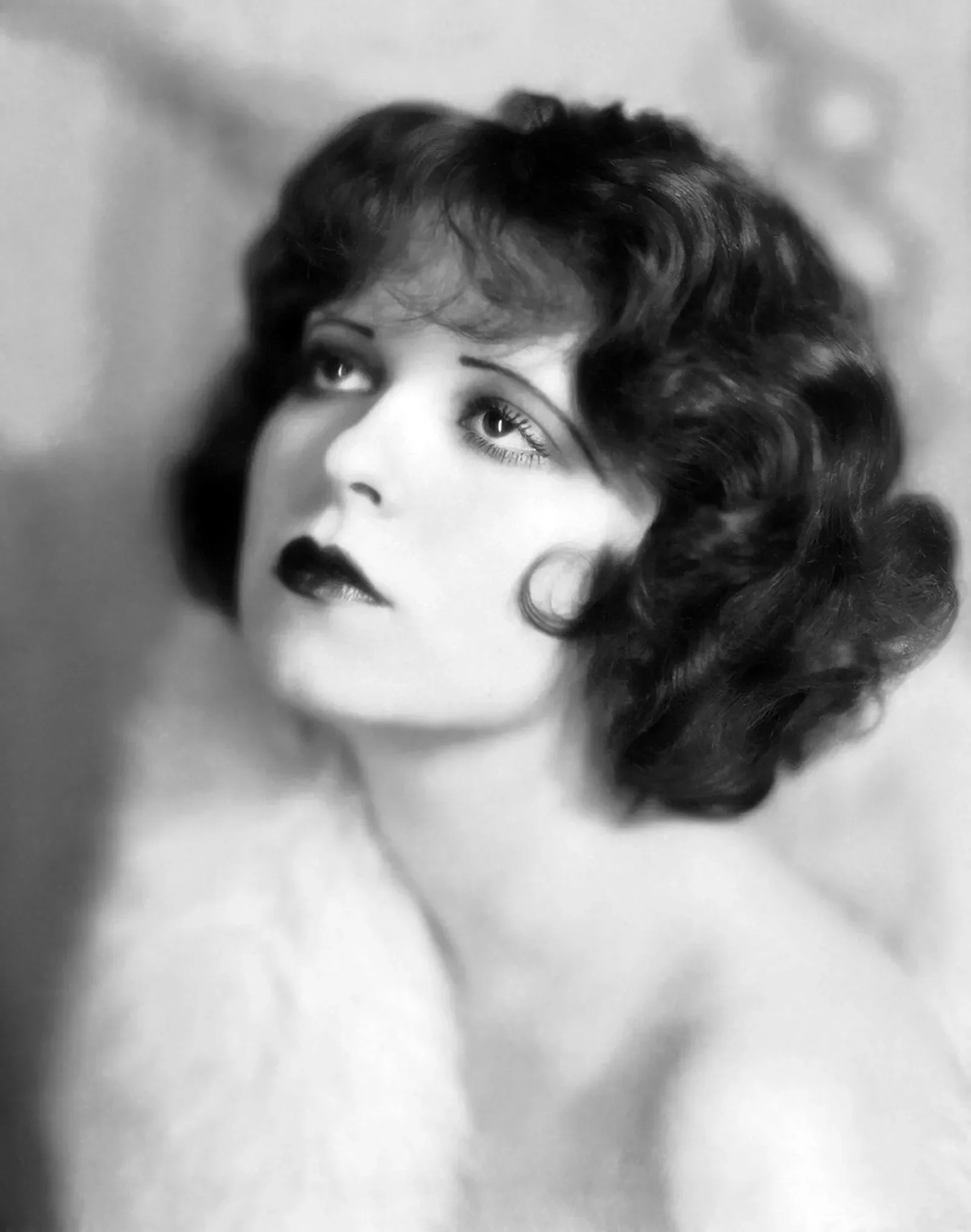
Clara Bow photographed by Eugene Robert Richee for Paramount Studios
Clara Bow’s influence extended far beyond the screen. Her bob haircut, bold makeup, slang, and carefree attitude shaped 1920s youth culture and redefined femininity for a new generation. Her rise was so powerful that Hollywood studios began studying her appeal, laying the groundwork for the modern publicity machine. In many ways, she was the first It Girl and the first modern influencer.
Psychologically, It Girls function as what scholars describe as charismatic anchors. They command attention not through dominance, but through energy. They embody duality: soft yet strong, confident yet approachable. Clara Bow, for example, projected a flirty, rebellious image, while also possessing a vulnerability that made audiences root for her. Making balance is essential to the archetype.
Every era creates its own version of the It Girl because every era desires something different. In the 1920s, the world craved rebellion and freedom. These qualities Clara Bow represented perfectly, and while in the decades to come, those ideals would shift, the underlying structure of the It Girl remained the same.
Clara Bow’s legacy can still be seen today. From bold beauty statements to the idea of the “girl of the moment,” her influence shaped the path for future icons. From Old Hollywood sirens to supermodels, pop stars, and modern cultural muses alike, the platforms have changed, but the essence has not.
So what makes an It Girl? Our answer is confidence, style, and story, all anchored by that intangible spark that turns visibility into influence. An It Girl is admired in her time and remembered long after it.
Welcome to It Girls, a column dedicated to the women who shaped culture through presence, power, and undeniable allure. Here, we explore the icons who dazzled history.