
Pop Culturette Flashback: The Bling Ring and the Height of 2000s Celebrity Obsession
By Alexus Mosley

Once upon a time, there was the chaotic glitter storm that was 2000s celebrity culture. The pre-influencer and live-stream era was defined by paparazzi flashbulbs, TMZ headlines, oversized Balenciaga bags, and a public obsession with the lives of young Hollywood It Girls. Somewhere in the middle of that frenzy emerged a group of fame-obsessed teenagers whose celebrity burglaries quickly became one of the most surreal pop culture scandals of the late 2000s. They would become known as the Bling Ring.
Between 2008 and 2009, the group, made up primarily of Los Angeles teenagers, Rachel Lee, Nick Prugo, Alexis Haines (formerly Neiers), Diana Tamayo, and Courtney Ames, targeted celebrities including Paris Hilton, Lindsay Lohan, Audrina Patridge, and Rachel Bilson. According to reports at the time, they used celebrity blogs, paparazzi photos, and social media updates to track when stars were out of town before breaking into their homes, stealing over $3 million in cash and designer goods. Though the Bling Ring set out only to steal handbags and jewelry, in many ways, they unintentionally exposed how deeply celebrity culture had embedded itself in the identity of an entire generation. After numerous confessions and interviews, it became clear that they weren’t just motivated by a passion for fashion, but at the center of it all was the intoxicating fantasy of celebrity access.
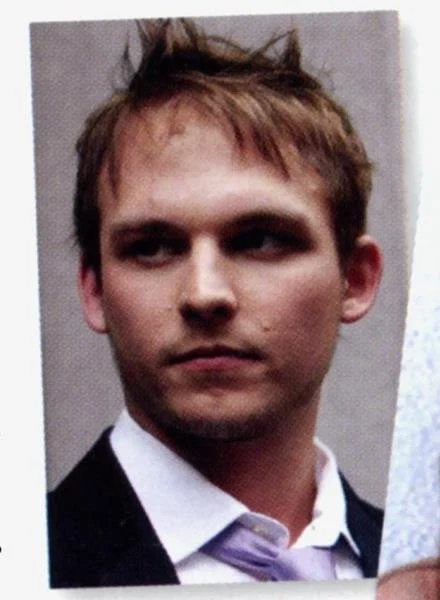
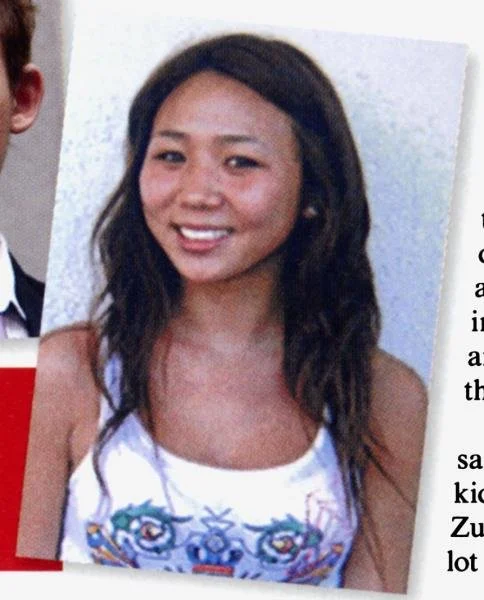
The ringleaders of the Bling Ring, Nick Prugo and Rachel Lee.
This was the peak of the cultural moment where young Hollywood figures like Paris Hilton and Nicole Richie dominated tabloids, reality television, and gossip blogs simply by existing stylishly in public. Now, often referred to as the “famous for being famous” era, fame itself had become aspirational currency. The Bling Ring represented an extreme version of that obsession. These teenagers didn’t just admire celebrity culture, but desperately wanted to step inside it, at any cost.

Nick Prugo and Rachel Lee
Photo Credit: HBO

CCTV footage of the Bling Ring members in July 2009
Photo Credit: Netflix
Thanks to the evolution of paparazzi, our favorite mega pop artists, box-office stars, and socialites were constantly being snapped at the airport in Juicy Couture tracksuits and giant sunglasses. Tabloids had become a culture in the late 2000s. Celebrities were accessible in a way they had never been before, and fans weren’t just watching stars in movies anymore. They were also studying what they carried, where they partied, and what was inside their closets. That blurred line between admiration and imitation became central to the fascination surrounding the Bling Ring story.
In 2013, The Bling Ring transformed the scandal into a dreamy, glittery cinematic spectacle. Directed by Sofia Coppola and starring Emma Watson, the film leaned heavily into the seductive aesthetic of fame, fashion, and excess. While some critics argued it glamorized the crimes, others saw it as a sharp commentary on celebrity worship and internet-fueled vanity. Either way, the story became permanently cemented in pop culture history.
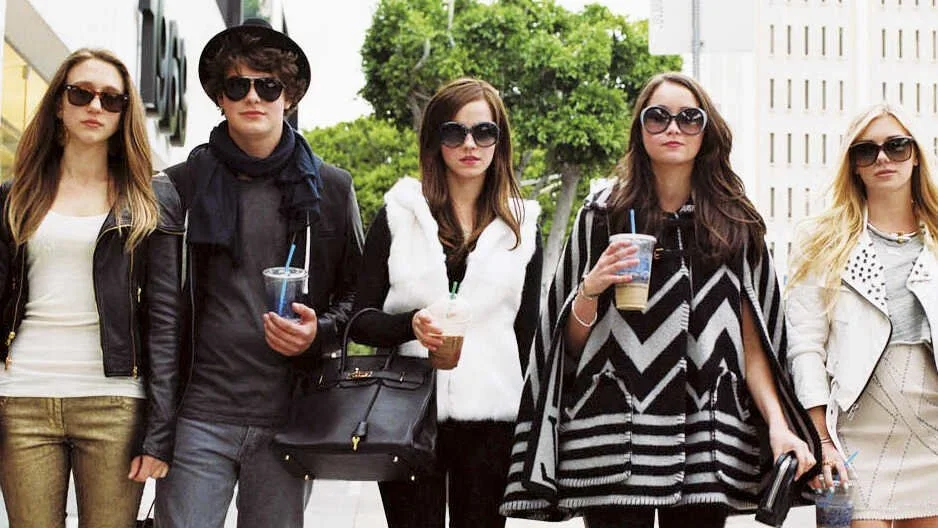
Sofia Coppola’s The Bling Ring (2013)
Looking back now, the Bling Ring almost feels like a strange preview of the influencer era to come. The obsession with visibility, luxury, and curated lifestyles that dominated the late 2000s has only intensified in the age of TikTok, Instagram, and influencer culture. The Bling Ring wasn’t just a tabloid scandal. It was one of the earliest signs of a culture becoming completely consumed by fame, access, and the illusion of glamorous living.