
Black History Was Made at the Ballot Box in the 2026 Midterms
By Alexus Mosley
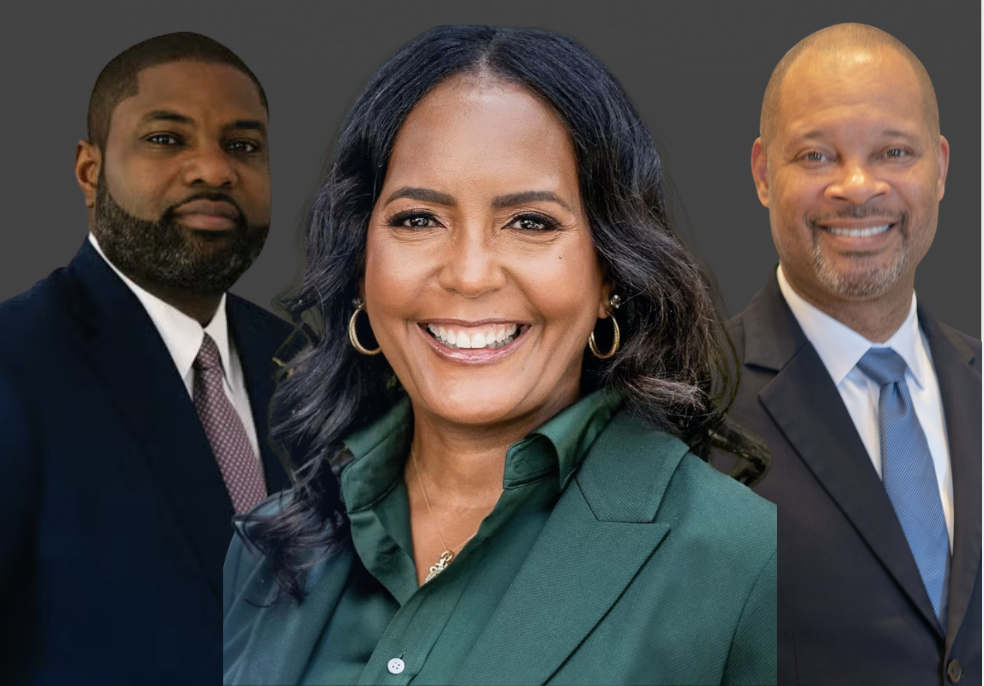
On November 3, 2026, voters across the United States delivered an election night that will occupy a significant place in Black American political history. For the first time, Americans elected a Black woman to serve as governor. Three other states elected their first Black governors, while a historic Senate victory expanded Black women's representation in Congress. The results crossed political and geographic lines, with Black candidates from both major parties breaking barriers in states that had never elected a Black governor.
Keisha Lance Bottoms Makes American History in Georgia
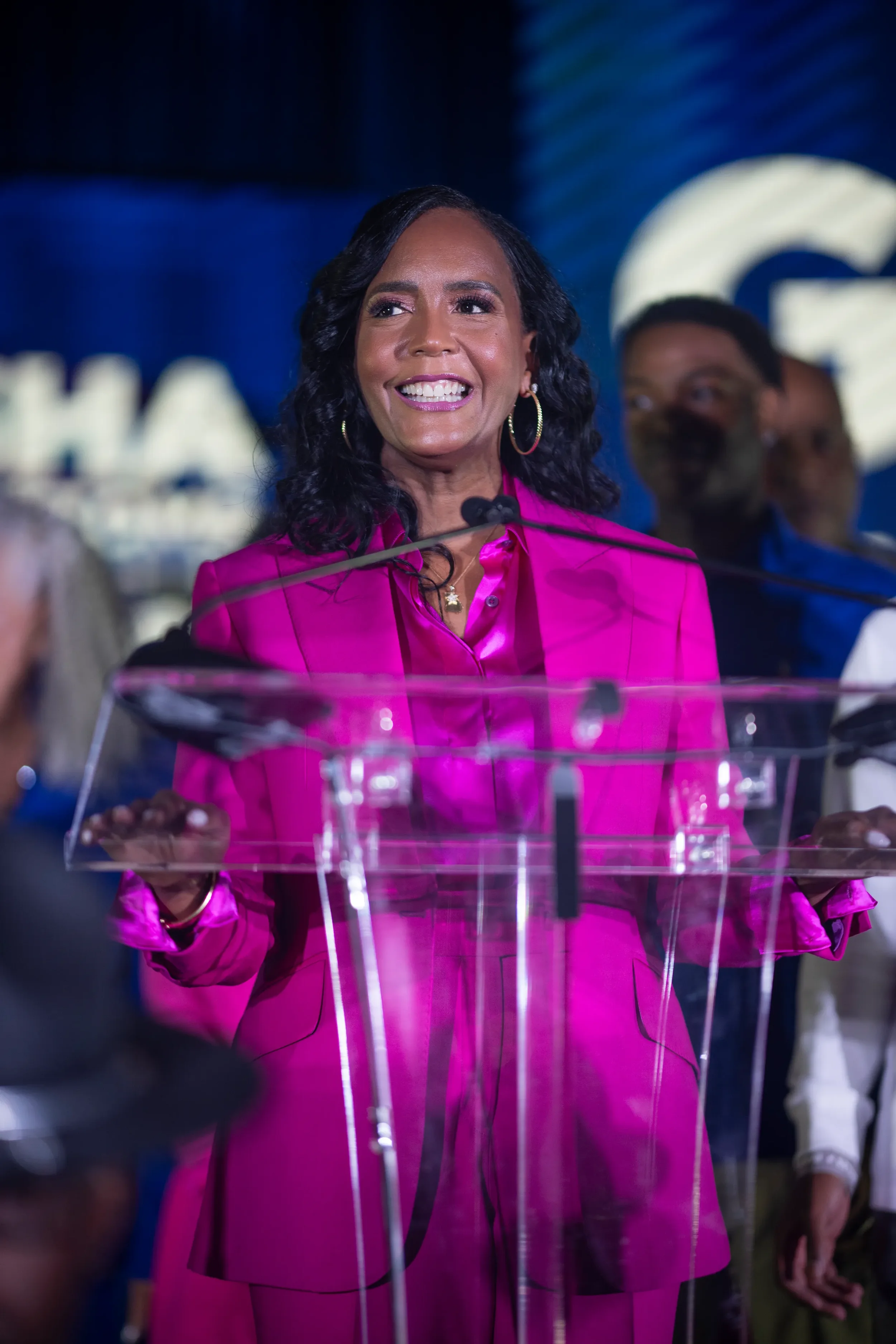
Photo Credit: Megan Varner/Getty Images
Former Atlanta Mayor Keisha Lance Bottoms became the first Black woman elected governor in the United States. The Democrat defeated Republican businessman Rick Jackson, securing a landmark victory in Georgia, a state whose political history is deeply intertwined with slavery, segregation, and the civil rights movement.
Bottoms previously served as Atlanta's mayor from 2018 to 2022 and held a senior advisory role in the Biden administration. Her victory also follows the groundbreaking gubernatorial campaigns of Stacey Abrams, who became the first Black woman nominated for governor by a major political party in the United States in 2018.
Byron Donalds Becomes Florida's First Black Governor
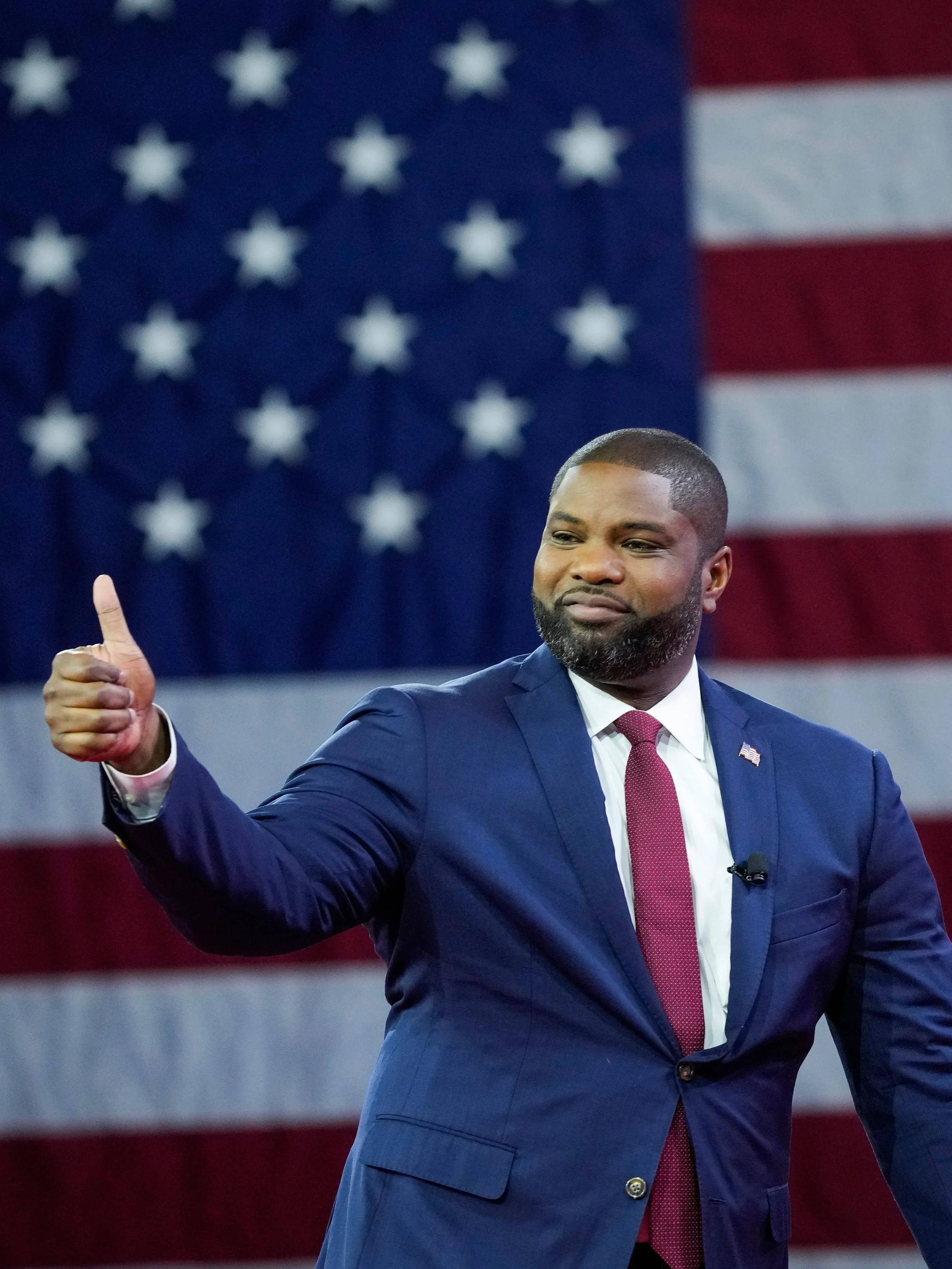
Photo Credit: Jack Gruber / USA TODAY
Republican Congressman Byron Donalds made history in Florida, defeating Democrat David Jolly to become the state's first Black governor. Donalds, who has represented Florida's 19th Congressional District since 2021, will succeed Republican Governor Ron DeSantis.
His victory is particularly notable within the history of Black Republican leadership. Before the 2026 election, every Black candidate elected governor of a U.S. state had been a Democrat.
Aaron Ford Breaks a Barrier in Nevada
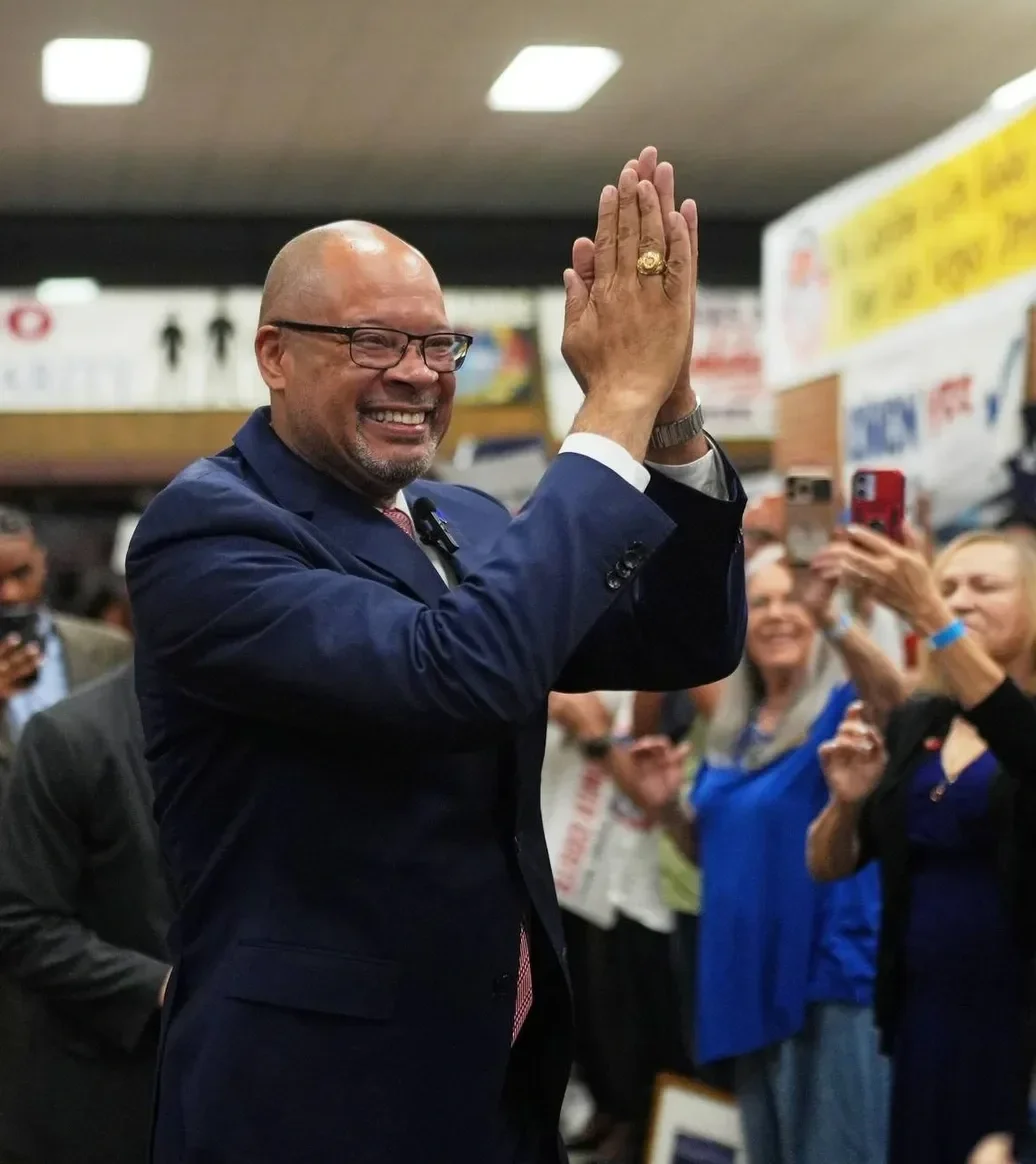
Photo Credit: Jae C. Hong / Associated Press (AP Photo)
Nevada Attorney General Aaron Ford became the state's first Black governor after defeating Republican incumbent Joe Lombardo. Ford, a Democrat who has served as Nevada's attorney general since 2019, previously made history as the state's first Black attorney general.
Raised in a working-class family, Ford worked as a teacher before pursuing a legal career and eventually entering politics. His election adds another milestone to a political career already defined by historic firsts.
David Crowley Makes Wisconsin History
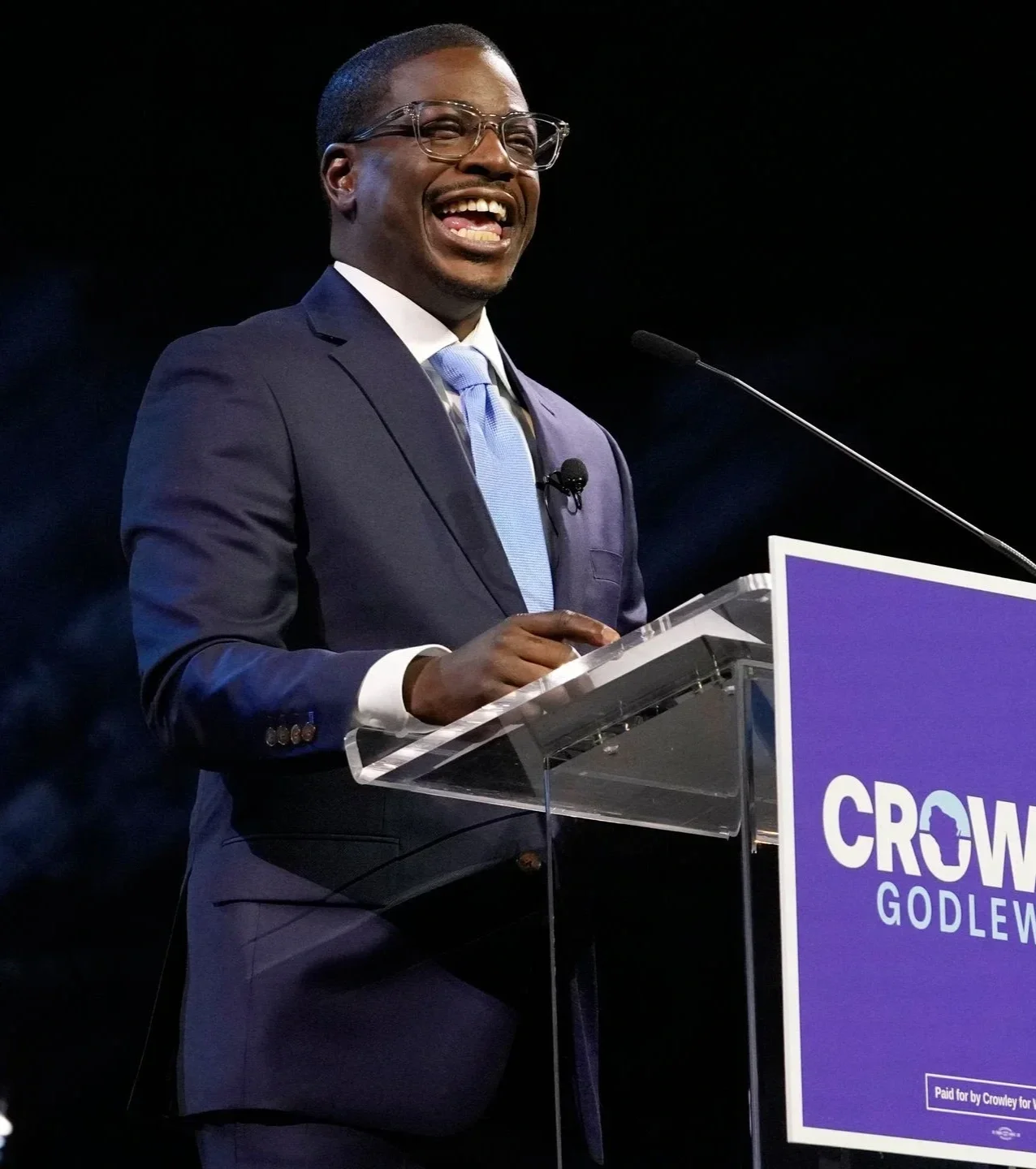
Photo Credit: John Moore / Getty Images
Milwaukee County Executive David Crowley became Wisconsin's first Black governor after defeating Republican Congressman Tom Tiffany. Crowley, a Democrat, previously made history in 2020 when he became the first Black person elected Milwaukee County executive.
His political career began in the Wisconsin State Assembly, where he represented Milwaukee communities before assuming countywide leadership. His gubernatorial victory marks another first in a state with a Black population that has historically been concentrated in Milwaukee.
The significance of these victories extends beyond individual candidates and marks a new chapter in Black political history. In 1989, Douglas Wilder of Virginia became the first Black person elected governor of a U.S. state. Seventeen years later, Deval Patrick became the second when Massachusetts elected him in 2006. Wes Moore followed in 2022.
Before the 2026 midterms, only three Black Americans had ever been elected governor. Now, four additional Black politicians have won gubernatorial elections in a single election cycle, including the nation's first Black woman governor. The results also reflect the political diversity of Black America. The newly elected governors represent different parties, policy priorities, and constituencies. Their shared historical significance does not mean they share a political agenda.
Representation alone cannot resolve longstanding inequalities or guarantee particular policy outcomes. The decisions these leaders make in office will ultimately determine their political legacies. Still, the historical importance of November 3, 2026, is unmistakable.
In a country where Black Americans were once systematically denied the right to vote and excluded from political power, the election of these leaders marks another chapter in the continuing evolution of American democracy.