
The Woman Behind the First Black Barbie: Kitty Black Perkins' Lasting Legacy
By Alexus Mosley
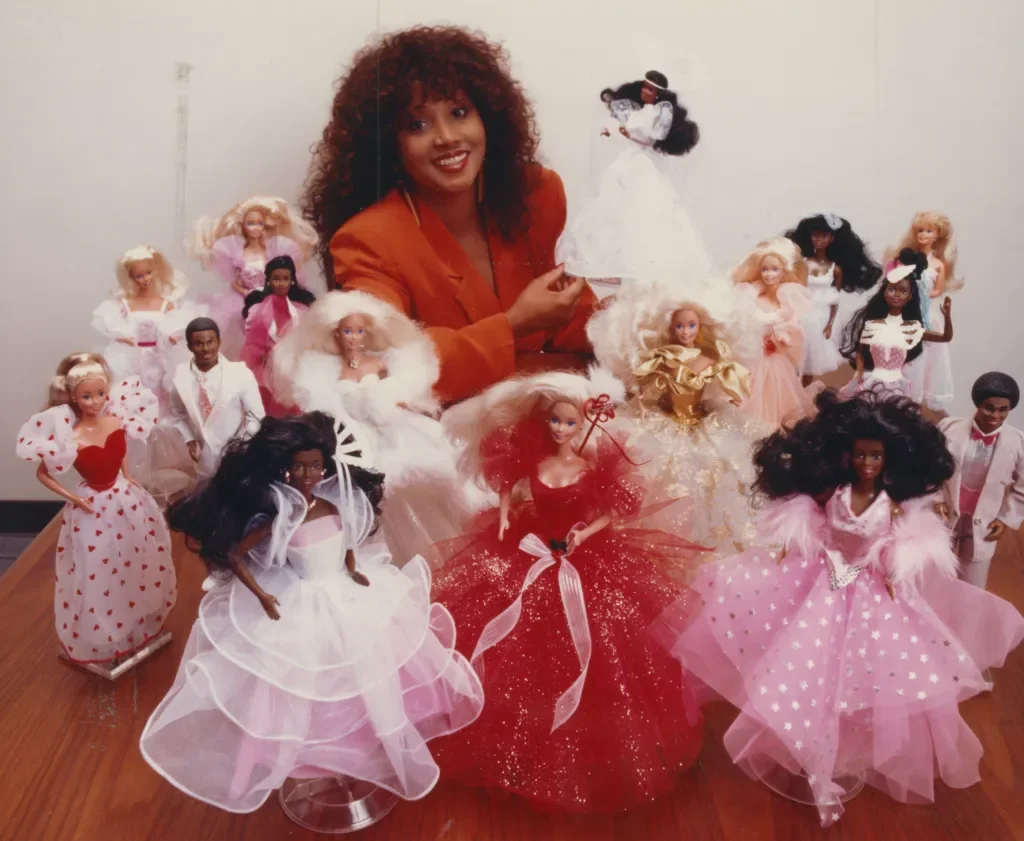
Photo Credit: Larry Bessel / Los Angeles Times
In 1980, Barbie made history. For the first time, one of the world’s most famous dolls reflected millions of little Black girls who had long waited to see themselves represented. Behind that groundbreaking moment was fashion designer Kitty Black Perkins.
Born in 1948 in racially segregated Spartanburg, South Carolina, Perkins grew up playing with white dolls gifted to her by her mother’s employers. From an early age, fashion had become her creative language, and although her family couldn't afford black dolls, she improvised by coloring the skin of her paper dolls brown.
After graduating from Los Angeles Trade Technical College with an associate degree in fashion design in 1971, Perkins began working in the fashion industry, never imagining that her career would eventually lead her to one of the world’s most recognizable brands. In the summer of 1976, Perkins responded to a blind newspaper advertisement seeking a clothing designer. Ironically, she didn’t even own a Barbie doll when she interviewed at Mattel. To prepare for the opportunity, she purchased her very first Barbie from Toys “R” Us. Mattel asked her to take the doll home and return one week later with an original outfit she had designed herself. Perkins hand-sewed an elaborate floral jumpsuit featuring puff sleeves, tiered pant legs, and a matching wide-brimmed hat. Although executives felt the design was too intricate for mass production, they were impressed by her creativity. After initially passing on her application, Perkins convinced them to give her another opportunity, and she was eventually hired.
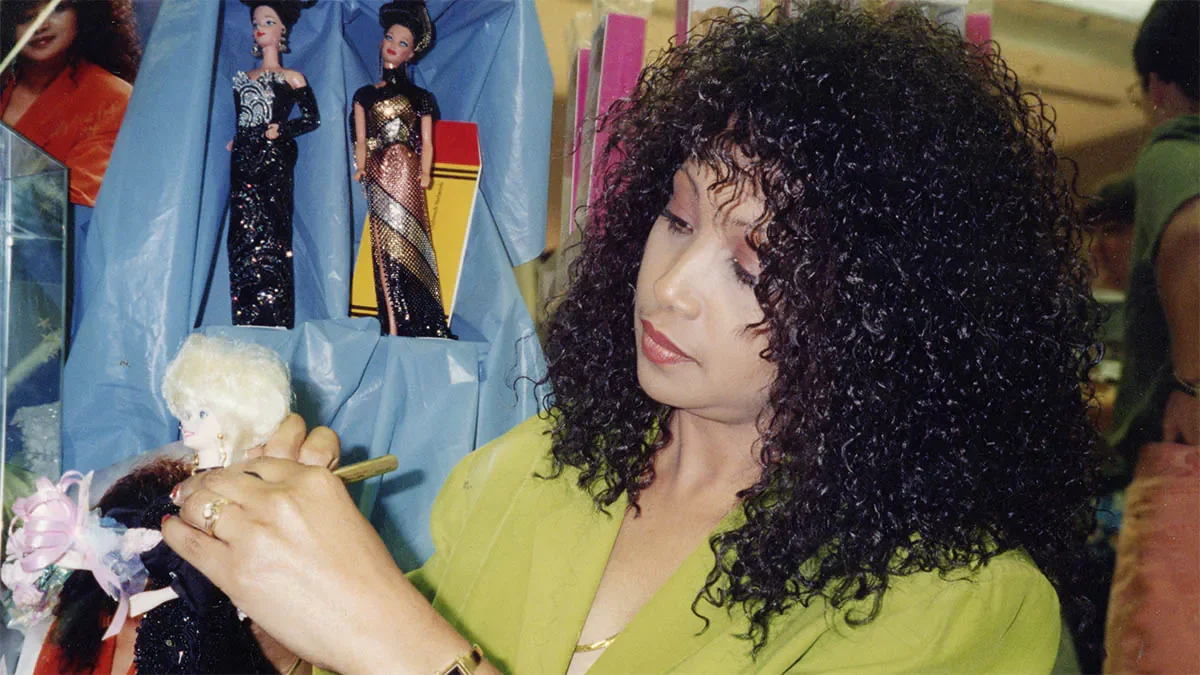
Photo Credit: Larry Bessel / Los Angeles Times
By 1978, Perkins had become Barbie’s principal designer, and just two years later, she took on an assignment that would forever change the brand’s history: designing the first official Black Barbie.
While Mattel had previously introduced Black dolls as Barbie’s friends, this was the first time Barbie herself was reimagined as a Black woman. Inspired by the glamorous style and commanding stage presence of Diana Ross, Perkins designed the doll with a rounded fro, full lips, and elegant features that celebrated Black beauty at a time when such representation remained rare in the toy industry. Released in 1980, the doll arrived with a bold declaration on its packaging: “She’s Black! She’s beautiful! She’s dynamite!”
For Perkins, however, the significance of the doll extended far beyond introducing another Barbie to store shelves. In Shonda Rhimes’ Netflix documentary Black Barbie, Perkins reflected on the inspiration behind the groundbreaking design: “When I designed this doll, there was a need for the little black girl to really have something she could play with that looked like her. I wanted her just to reflect the total look of a black woman.”
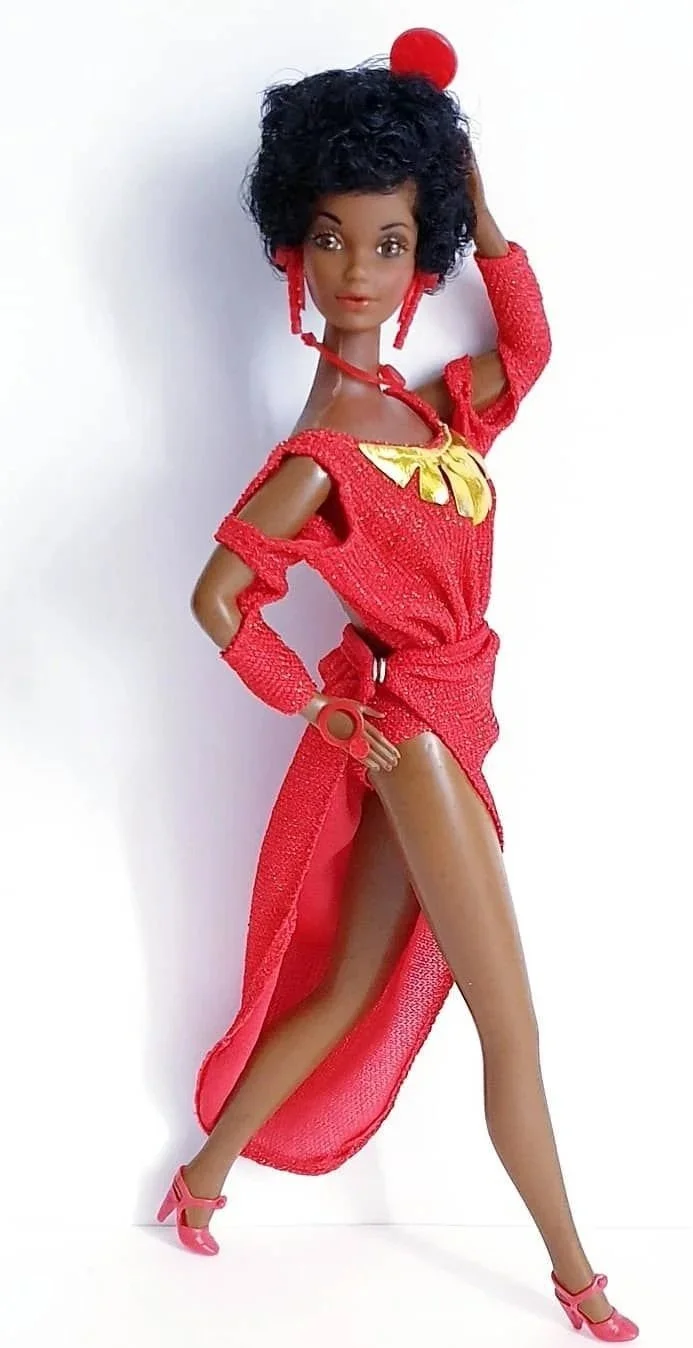
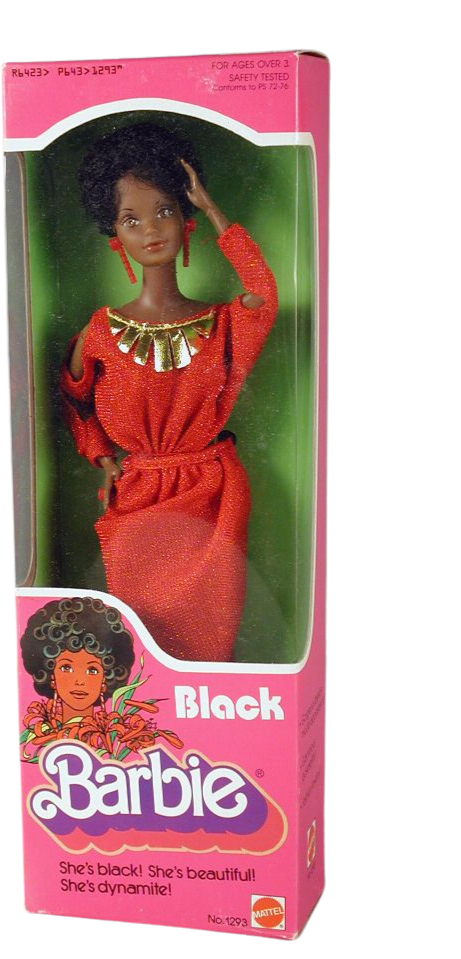
Those words capture why the first Black Barbie became so much more than a toy. For countless children, she represented visibility, possibility, and belonging. She offered young Black girls the opportunity to see themselves reflected in one of the world’s most recognizable cultural icons, something previous generations of doll lovers had rarely experienced.
Perkins’ influence extended far beyond a single doll. As Chief Designer of Fashions and Doll Concepts for Barbie, she created more than 100 designs each year while helping shape Barbie’s evolving identity for nearly three decades.
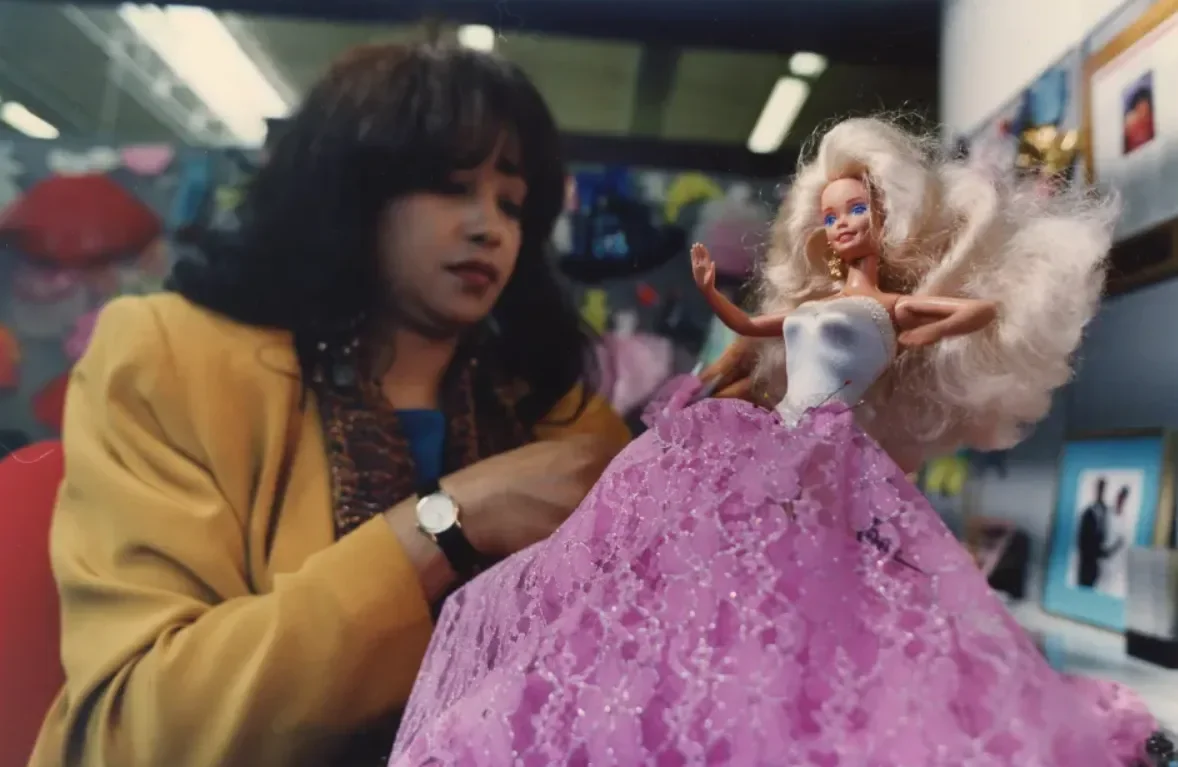
Photo Credit: Larry Bessel / Los Angeles Times
Among her most memorable creations were the very first Holiday Barbie released in 1988, as well as Holiday Barbies for the years 1989, 1990, and 1996. Perkins also created Shani and Friends, Fashion Savvy Barbie, Bathtime Barbie, and the Brandy doll. Outside of Mattel, she also designed clothing for legendary entertainers including Gladys Knight and Thelma Houston, proving her creative talents reached well beyond the toy aisle. Perkins’ remarkable career earned her some of Mattel’s highest honors, including the prestigious Chairman’s Award twice, in 1985 and 1987. She also received the Doll of the Year Award, one of the industry’s highest distinctions, before being inducted into the Black Hall of Fame in 2001. She retired from Mattel in 2002 after helping shape generations of Barbie dolls and inspiring countless designers along the way.
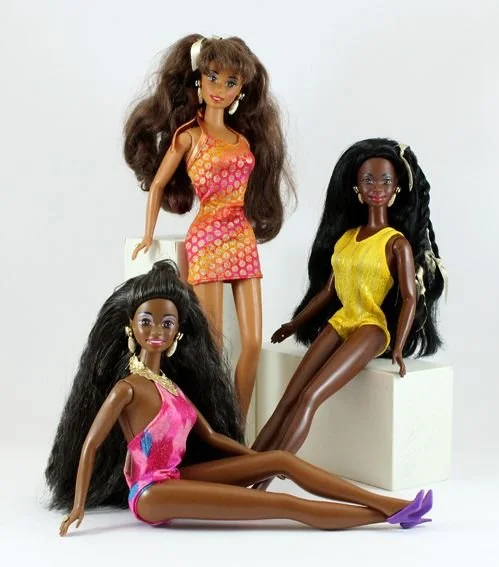
Mattel Shani series from the early 1990s
Today, Barbie is celebrated for representing a wider range of cultures, careers, body types, and backgrounds than ever before. That evolution didn’t happen overnight. It was made possible by trailblazers like Kitty Black Perkins, whose work demonstrated that representation belongs at the heart of one of the world’s most influential brands.
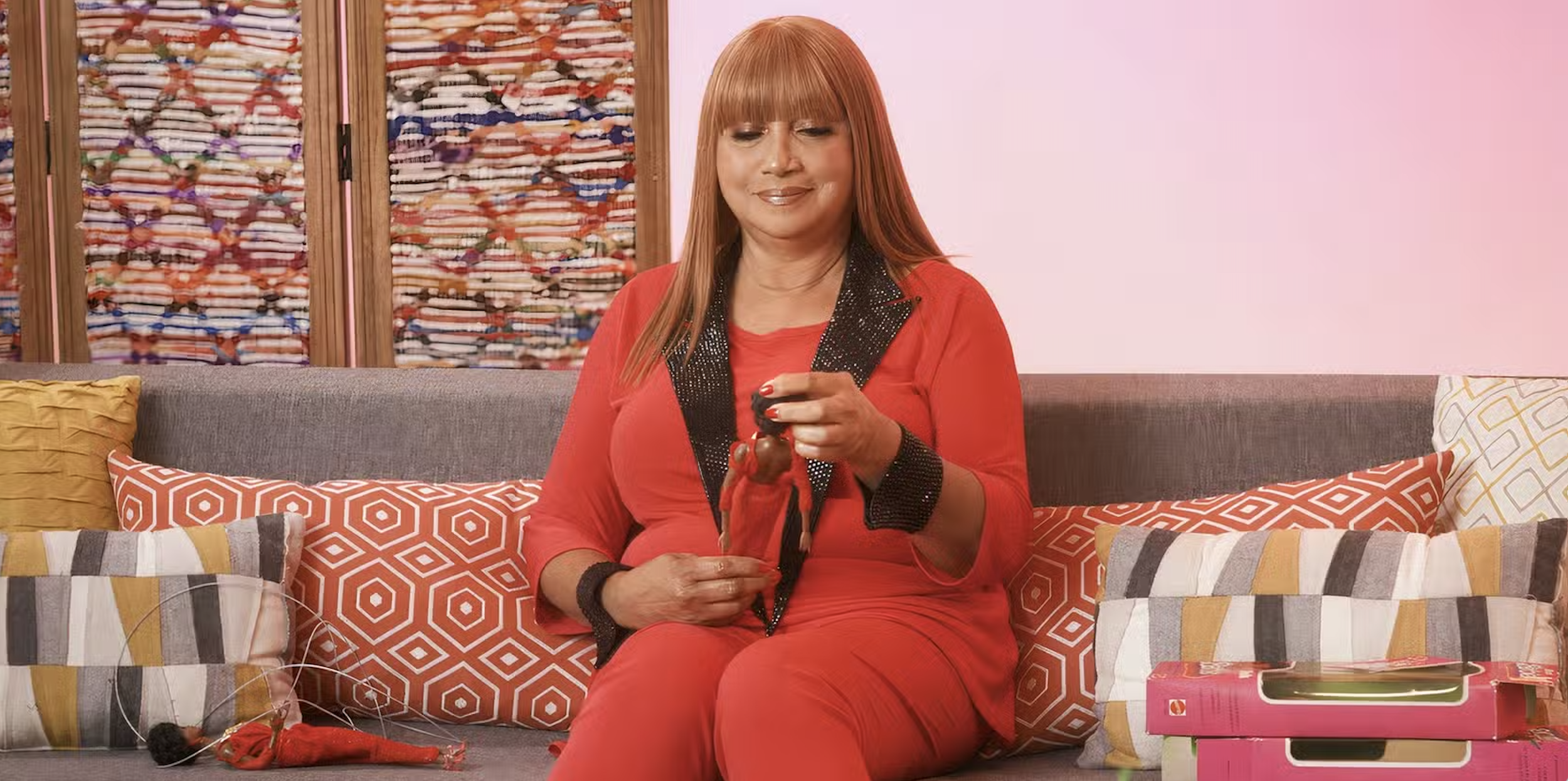
Kitty Black Perkins captured in a promotional still from the Netflix documentary Black Barbie (2024)
More than four decades after the debut of the first Black Barbie, her impact continues to resonate, not only in toy aisles but across fashion, design, and popular culture. Her work reminds us that great design isn’t simply about creating beautiful things. At its best, it allows people to see themselves, their stories, and their possibilities reflected back at them.
And sometimes, changing history begins with something as simple and as powerful as a doll.