
Is Consumerism Driving Us All Insane? The Psychology Behind Our Shopping Obsession
By Alexus Mosley
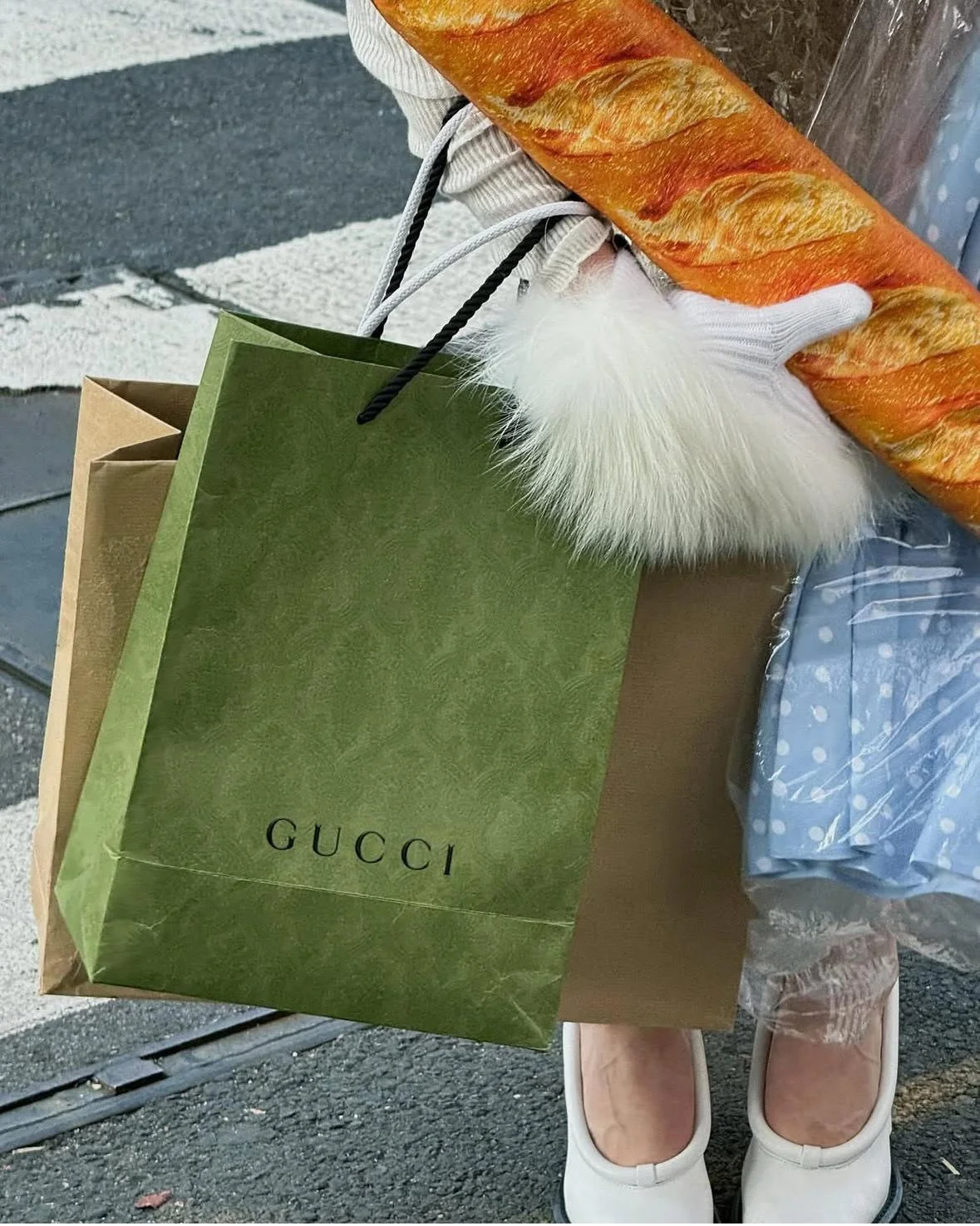
Photo Credit: Cosmopolitan
Consumerism has become the background noise of modern life. It’s a constant hum telling us to buy more, upgrade again, and never sit still in what we already have. Our feeds refresh every second with “must-haves,” micro-trends, shopping hauls, and limited-edition drops. We barely realize it, but we’re living inside one of the most powerful psychological machines ever built. I call it the “attention-to-purchase pipeline.”
In a world where trends change every 30 seconds and sales happen every single day, we’ve quietly been conditioned to believe that buying more will somehow fix everything. It’s the magic fix to our mood, looks, status, and place in the world. “Treat yourself” has gone from a cute mantra to a cultural coping mechanism. And while shopping itself isn’t the enemy (we love fashion here), the culture around it is starting to feel… unhinged.
But here’s the uncomfortable truth: studies show that people with highly materialistic values report lower happiness and more anxiety, which makes sense when your worth is tied to what you can buy. When self-esteem becomes dependent on the next purchase, we’re perpetually one checkout away from feeling “good enough.” Making your shopping cart your identity often leads to your peace becoming fragile. And so, we’re not consuming anymore but are being consumed.
I began to notice it when every week there was a new “essential,” micro-trend, or aesthetic to master. Quiet luxury, Mob Wife aesthetic, glazed donut nails, the churn never stops because it’s not meant to. The entire system runs on the belief that we’ll never feel complete for more than 48 hours. Not only is it financial pressure, but it can also be emotionally exhausting. It’s the feeling that you can’t repeat an outfit. That you need another serum to be “that girl.” That your worth rises and falls with delivery notifications. And because of the serious sights we have set on consumerism, sometimes a package being en route is the only thing we give ourselves to look forward to.
There’s a psychology behind the madness. When buying becomes a coping mechanism, a distraction, or a performance, the aftermath hits harder. There’s a subtle guilt, numbness, and quiet “why did I buy this?” that follows the dopamine crash. The more we chase the high of consumption, the faster it fades. It’s a cycle designed to repeat. As for social media? It’s the gasoline that ignites the fire. You see others living their curated best life. New bags, new homes, new fillers, new flights, and suddenly your perfectly fine existence feels insufficient. Consumerism flourishes in a comparison culture. In fact, the entire system depends on it.
So are we all going insane?
Not literally. But we are collectively burnt out, overstimulated, and overstretched. Even the trends reflect it: “de-influencing,” capsule wardrobes, no-buy months, slow fashion, quiet mornings, and mental decluttering are being googled more than ever. People are craving stillness, and that’s something consumerism can’t sell.
Maybe the cure isn’t consuming altogether, just consuming more consciously. There’s certainly nothing wrong with loving fashion, beauty, or luxury. The Styled Chat exists because we celebrate them.
But sanity begins where pressure ends. Buy what you love, not what performs. Wear what feels like you, not what trends dictate. Let your style be expression, not exhaustion.
And maybe the most rebellious thing we can do in a world obsessed with more… is to remember that enough is enough.