
How Marc Jacobs Took Louis Vuitton From Trunks to Trendsetter
By Alexus Mosley
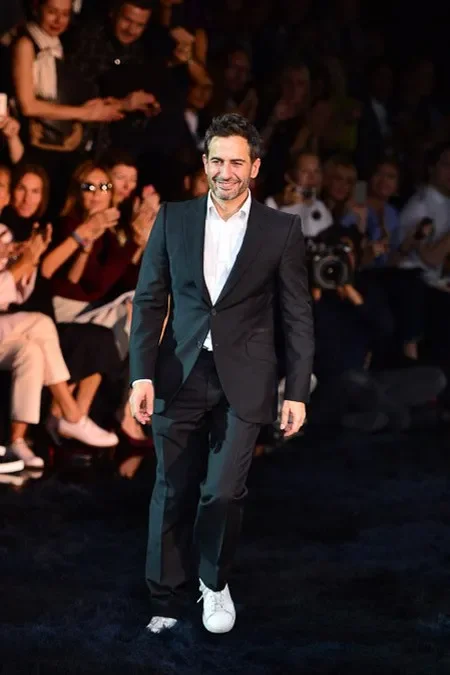
Photo Credit: Getty Images
Every great fashion house has a turning point. For Chanel, it was the little black dress, and for Dior, the New Look. But for Louis Vuitton, the moment Marc Jacobs walked through the door.
When Marc Jacobs arrived at Louis Vuitton in 1997, the French luxury house was already one of the world’s most prestigious luxury brands. The house had spent more than a century perfecting the art of travel, becoming synonymous with beautifully crafted trunks, luggage, and leather goods. But while Vuitton was respected, it wasn’t necessarily driving the fashion conversation. Sixteen years later, Marc Jacobs left behind a completely different Louis Vuitton: one that had become a runway destination, an It Girl favorite, and one of the defining fashion houses of the 21st century.
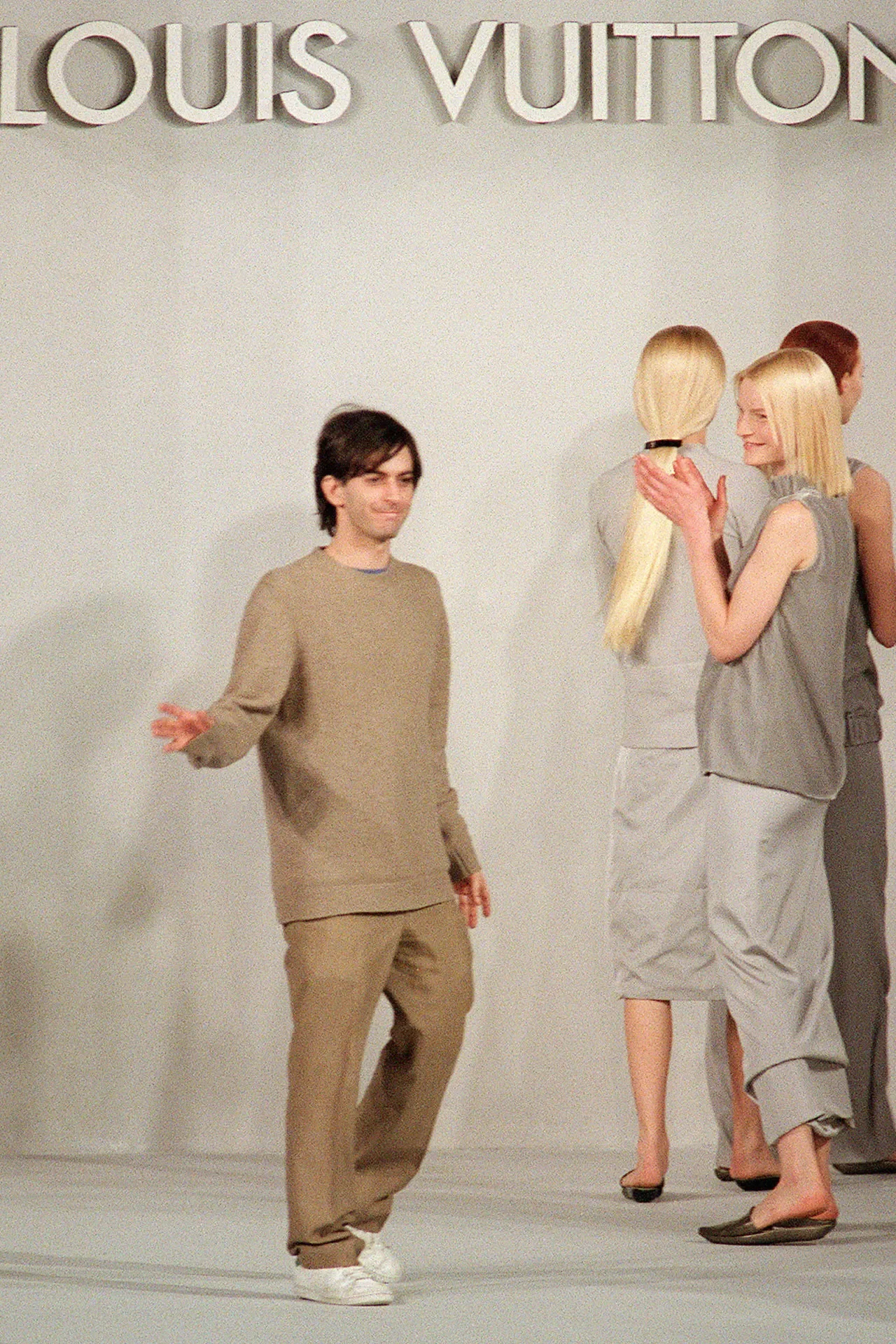
Marc Jacobs during his debut Louis Vuitton show in 1998.
Photo Credit: Getty Images
When LVMH acquired a majority stake in Marc Jacobs’ namesake label in 1997, they were betting on a designer they hoped would become a creative visionary. That same year, Jacobs became Louis Vuitton’s first-ever Creative Director. Just months after joining the house in March 1998, Jacobs unveiled Louis Vuitton’s first ready-to-wear collection for Fall/Winter 1998. The collection featured sharp tailoring, luxurious fabrics, clean lines, and soft neutral tones, introducing a modern wardrobe that complemented the brand’s iconic leather goods. For the first time, Louis Vuitton wasn’t just selling what you carried but also what you wore.
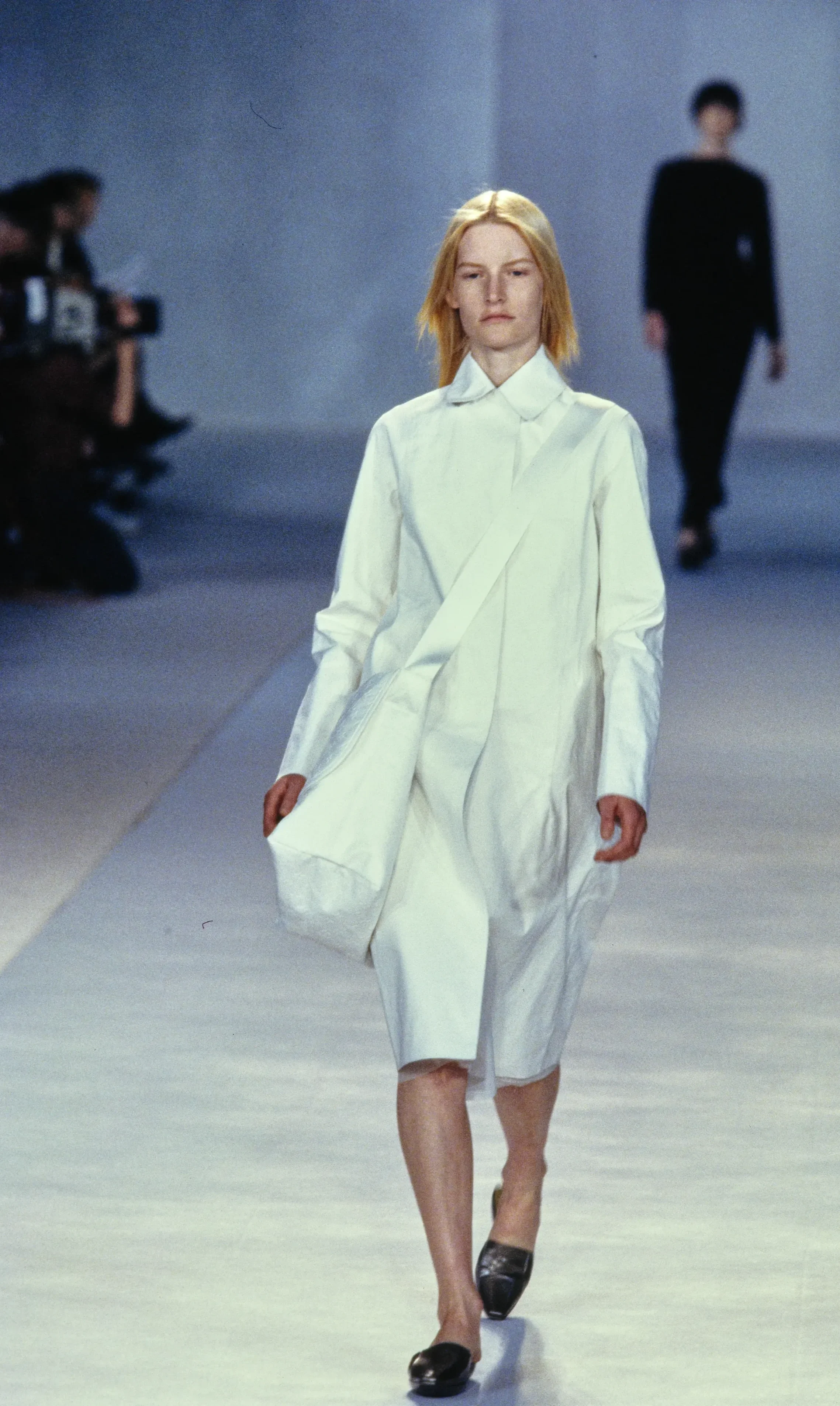
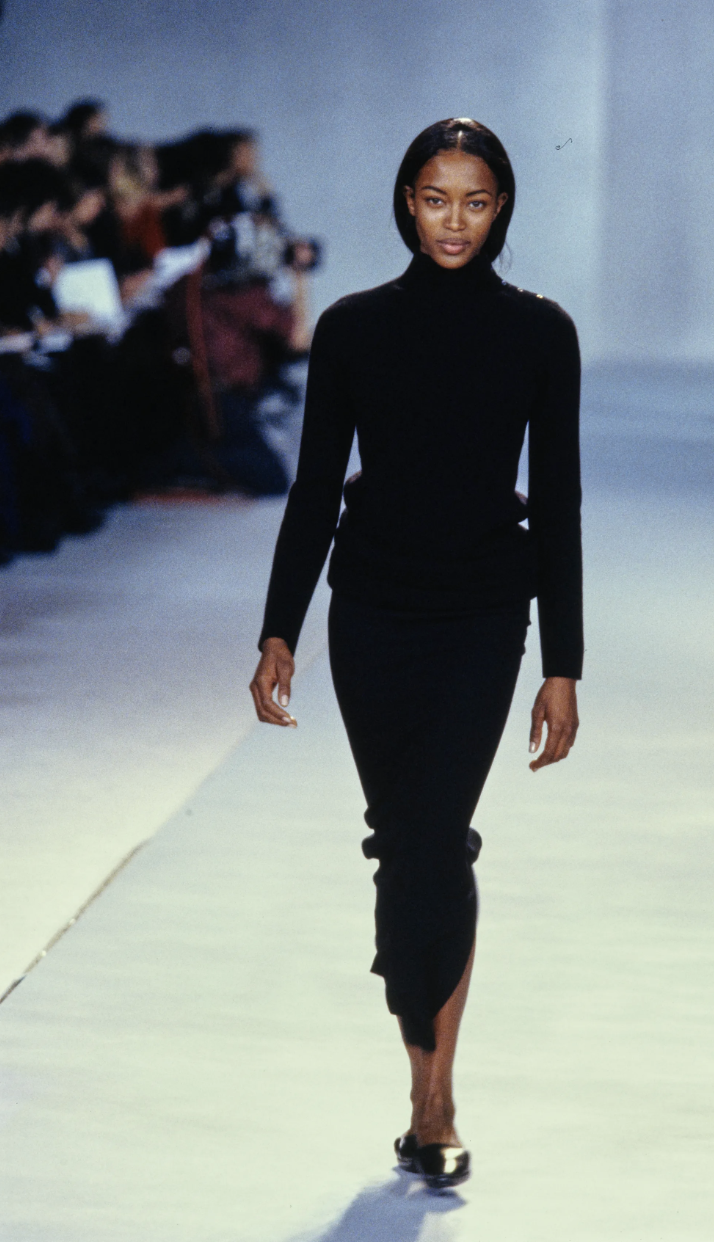
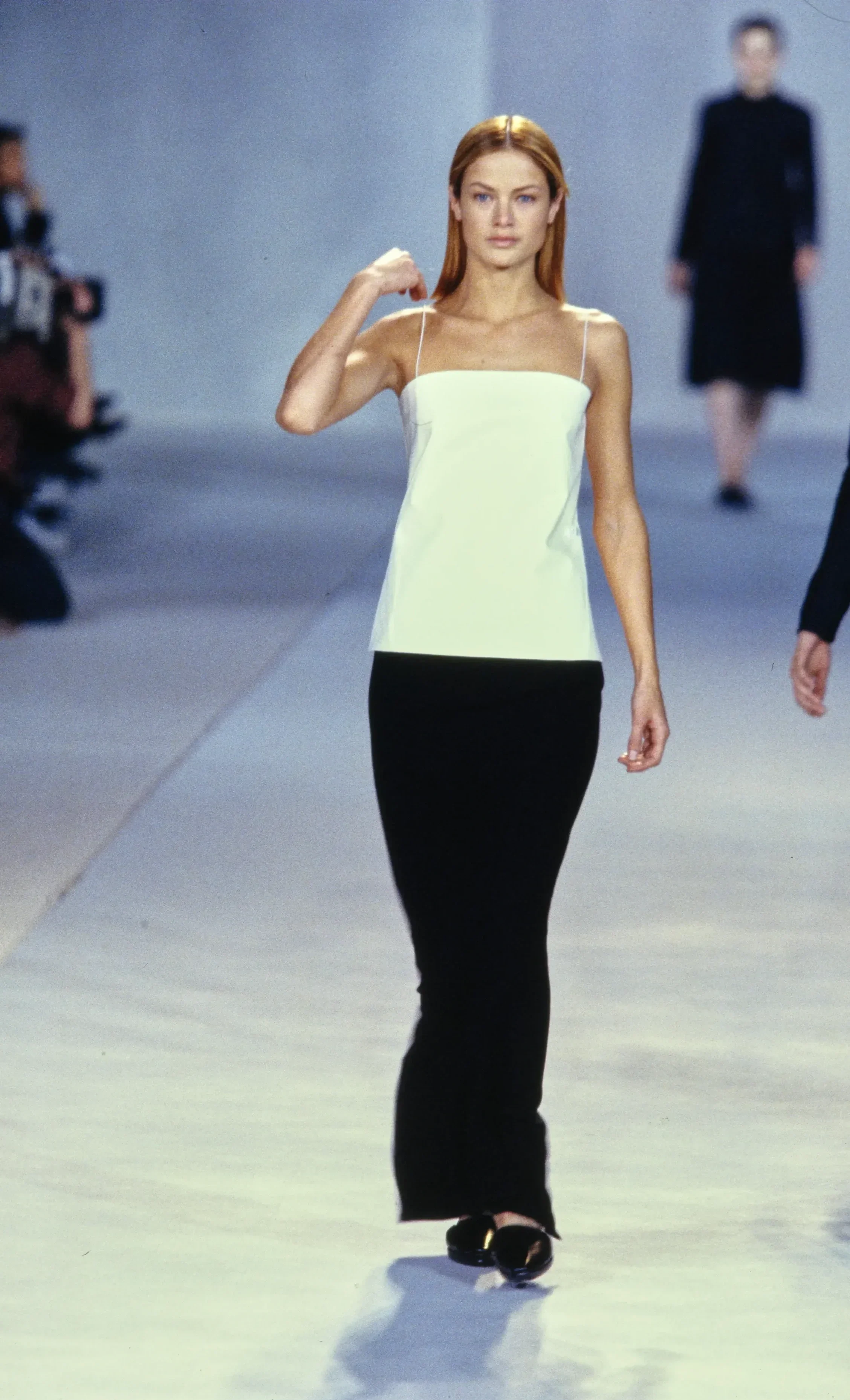
Louis Vuitton Fall/Winter 1998
When Jacobs first joined the house, he was reportedly warned not to alter Louis Vuitton’s famous monogram, but being the imaginative visionary he is, naturally he disregarded those boundaries. In Spring 2001, Jacobs partnered with artist Stephen Sprouse to send Monogram Graffiti, layering fluorescent neon graffiti lettering across Louis Vuitton’s classic canvas down the runway. Shocking traditionalists and selling out, luxury was now rebellious. If Stephen Sprouse challenged tradition, Takashi Murakami exploded it in technicolor. The duo introduced the now-legendary Multicolore Monogram, replacing Louis Vuitton’s classic brown-and-gold canvas with 33 vibrant colors. They followed it with whimsical collections like Cherry Blossom, Cerises, Panda, Monogramouflage, Eye Love Monogram, and later Superflat Monogram.
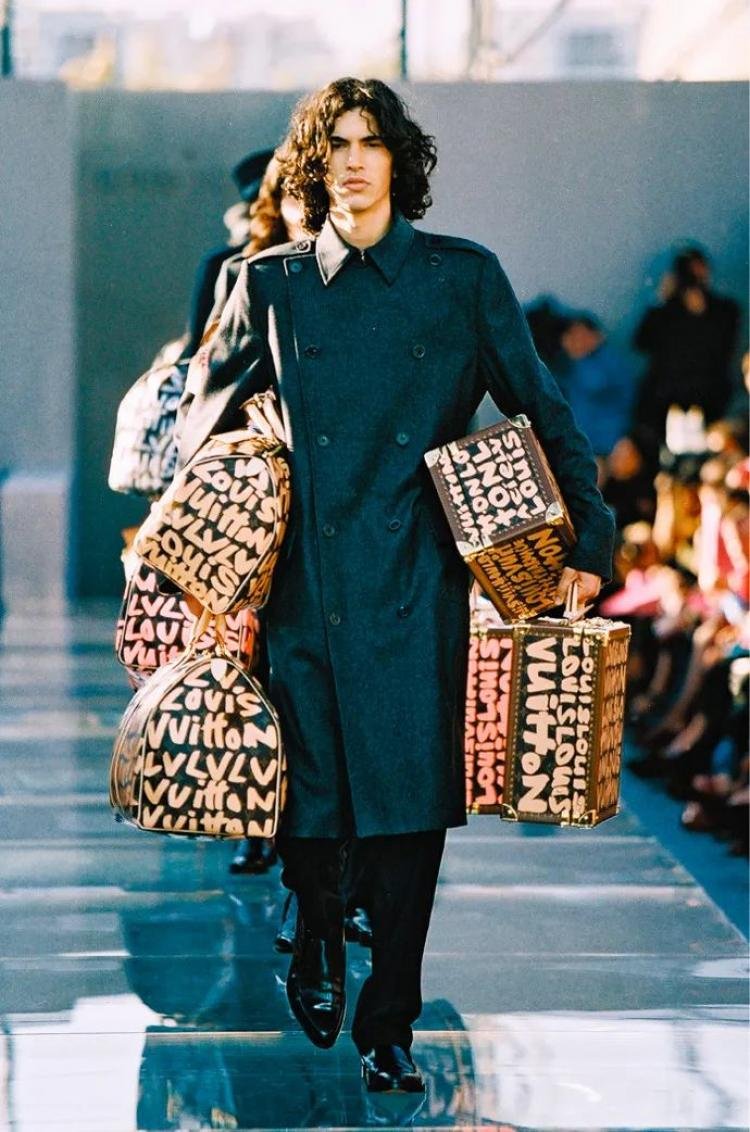
Louis Vuitton x Stephen Sprouse luggage from the Spring 2001 Monogram Graffiti collection
Photo Credit: Getty Images
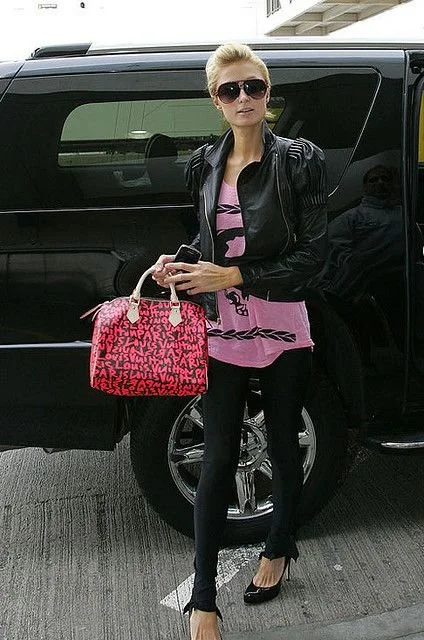
Paris Hilton arriving at LAX carrying the Louis Vuitton x Stephen Sprouse Monogram Graffiti Speedy 30 handbag
Photo Credit: Getty Images
The bags became instant status symbols and cultural artifacts. Swinging from the arms of Paris Hilton, Jessica Simpson, Lindsay Lohan, Nicole Richie, and Kim Kardashian, countless celebrities helped make them some of the most recognizable accessories of the early 2000s.
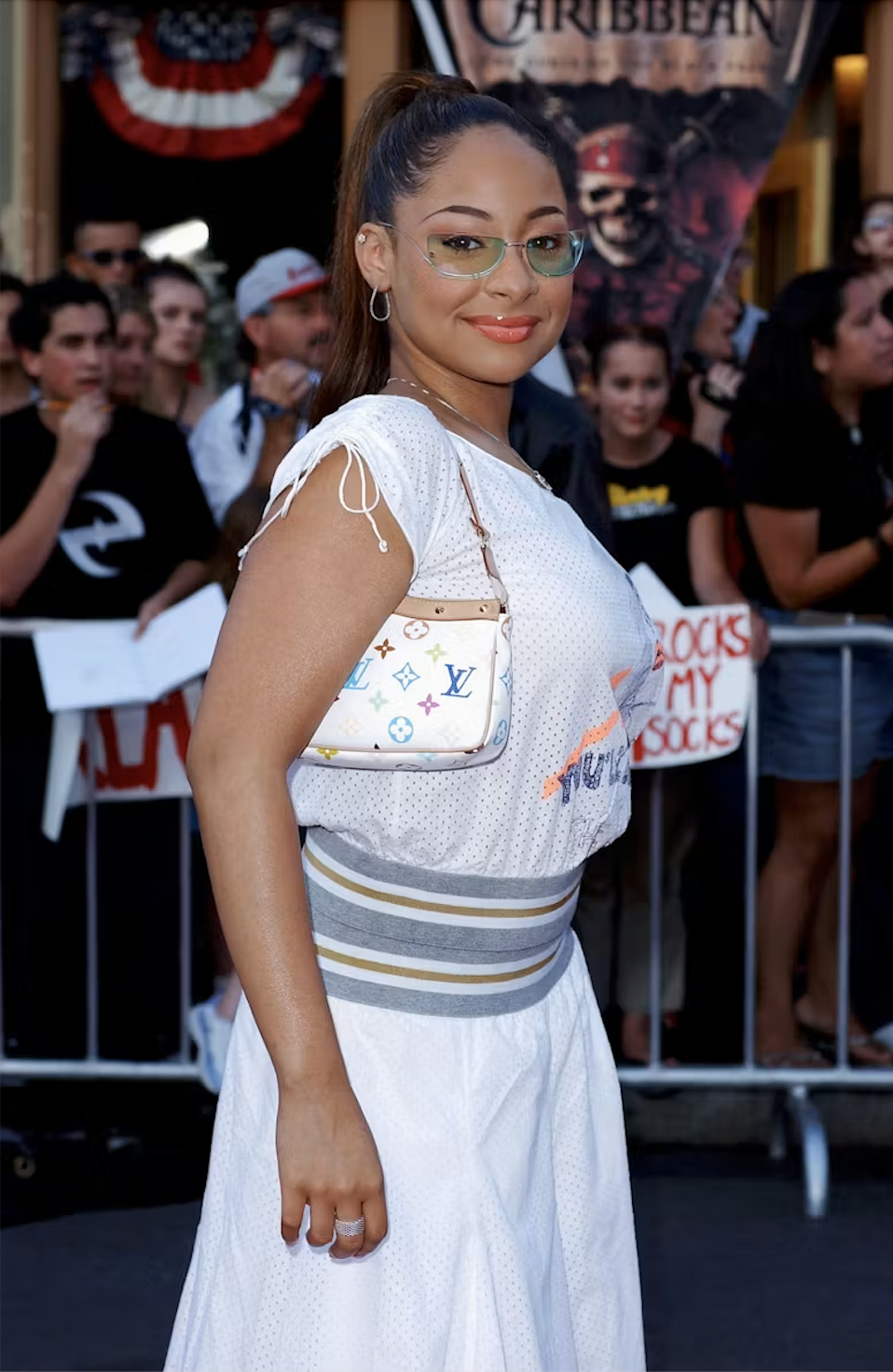
Raven-Symoné carrying a Louis Vuitton x Takashi Murakami Monogram Multicolore Pochette at the World Premiere of "Pirates of the Caribbean: The Curse of the Black Pearl"
Photo Credit: WireImage
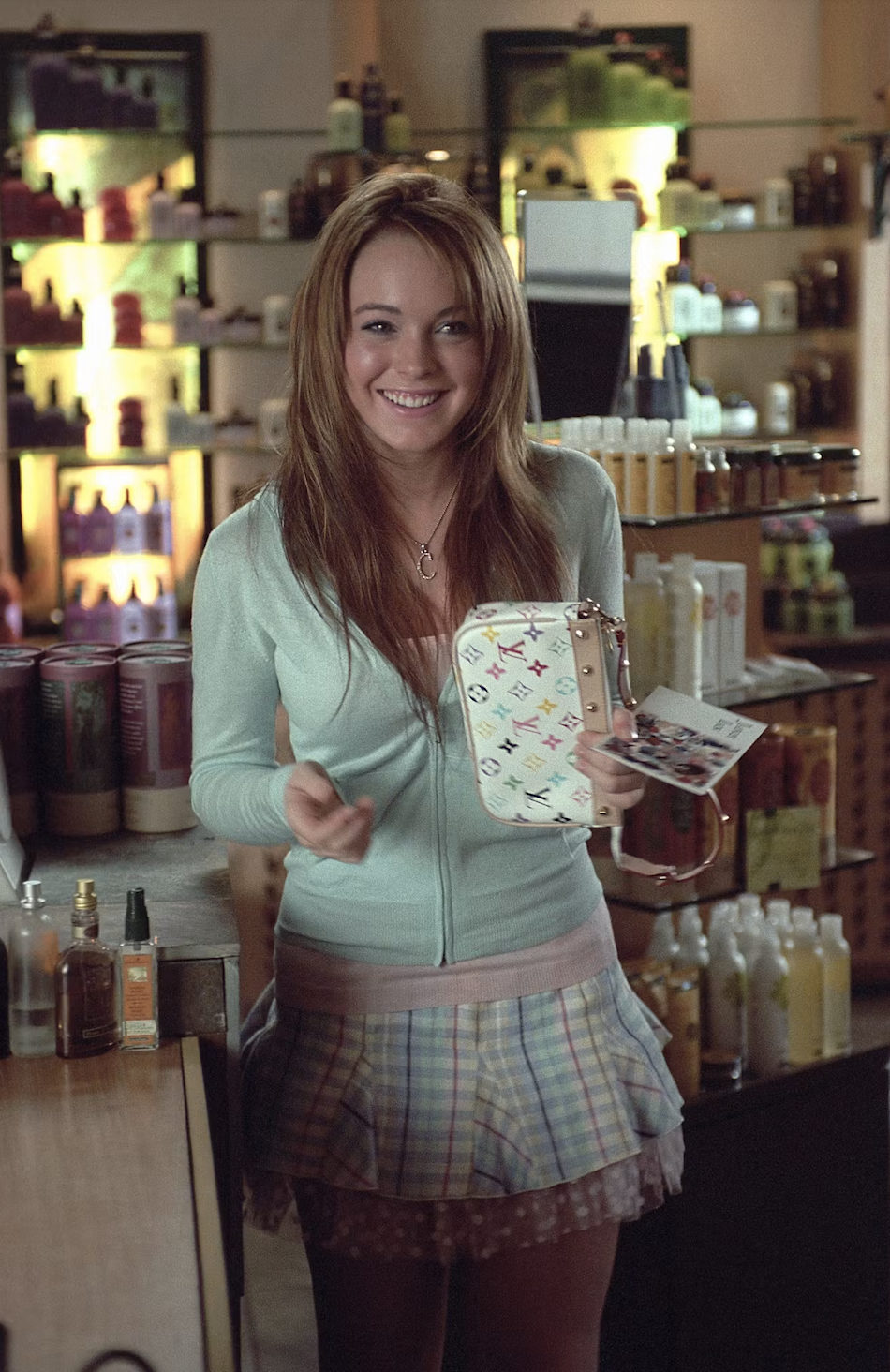
Lindsay Lohan as Cady Heron in the teen comedy Mean Girls, carrying a Louis Vuitton x Takashi Murakami Pochette
Photo Credit: Paramount Pictures
Jacobs wasn’t only reinventing accessories. In 2004, he introduced Louis Vuitton’s first menswear collection, bringing together sharp tailoring, technical fabrics, and luxury travel influences for a "metrosexual-dandy" and "sporty-elegant" result that was both polished and youthful, redefining modern luxury menswear.
Meanwhile, Louis Vuitton runway shows became events in their own right. There was the unforgettable Spring 2012 carousel, where models, including Kate Moss, descended from life-sized carousel horses. During the Paris Fashion Week Spring/Summer 2013 women's show, four large custom escalators designed in collaboration with artist Daniel Buren emerged from a mirrored stage inside a tent at the Cour Carrée of the Louvre. These theatrical sets blurred the line between fashion show and performance art, cementing the fashion house as a cinematic spectacle. Attending a Louis Vuitton show under Marc Jacobs was about experiencing a world first and seeing clothes second. His commitment to art continued through collaborations with Richard Prince and Yayoi Kusama, proving that luxury fashion could be intellectually curious, commercially successful, and culturally influential all at once.
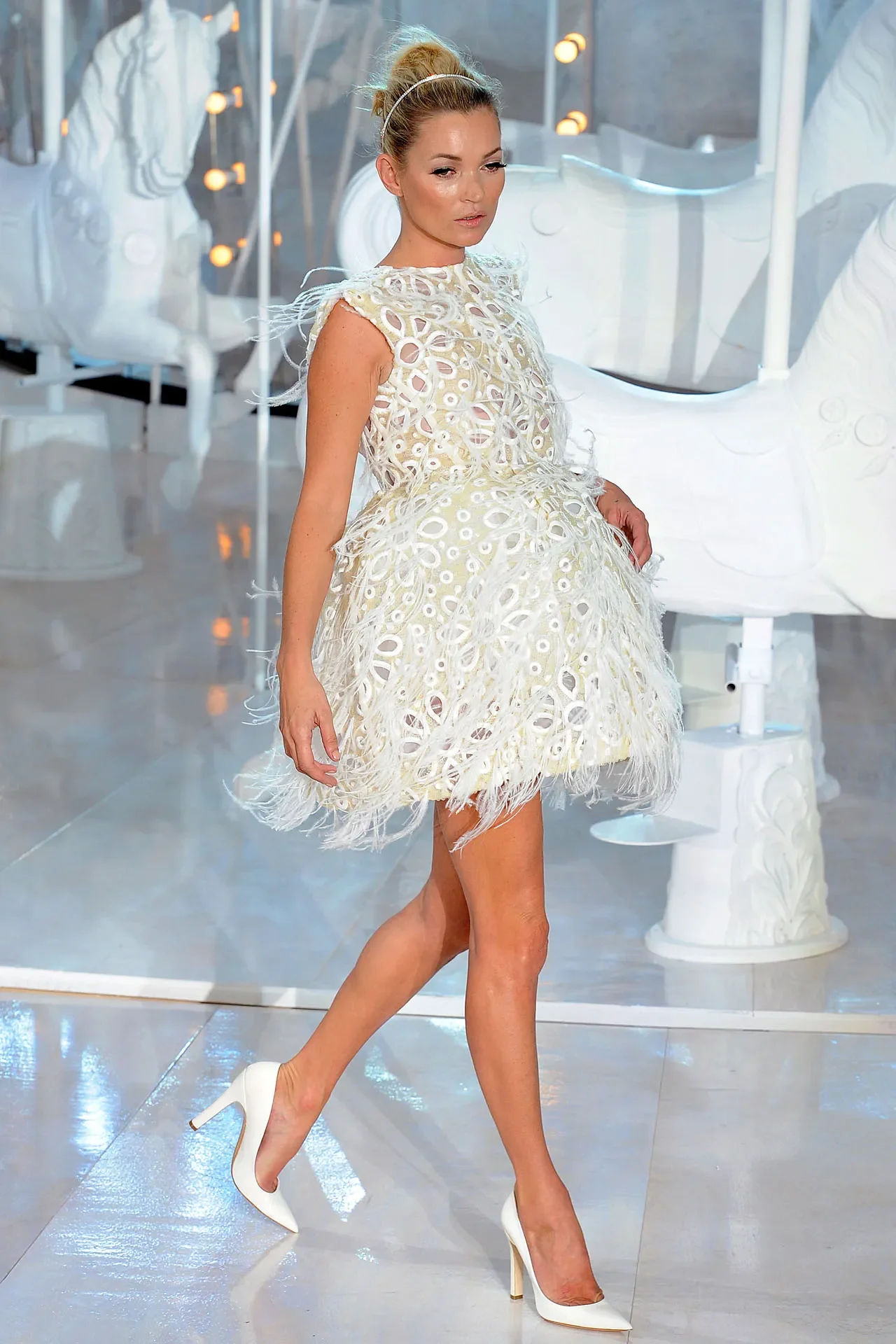
Kate Moss walks the runway for the Louis Vuitton Spring/Summer 2012 show.
Photo Credit: Getty Images
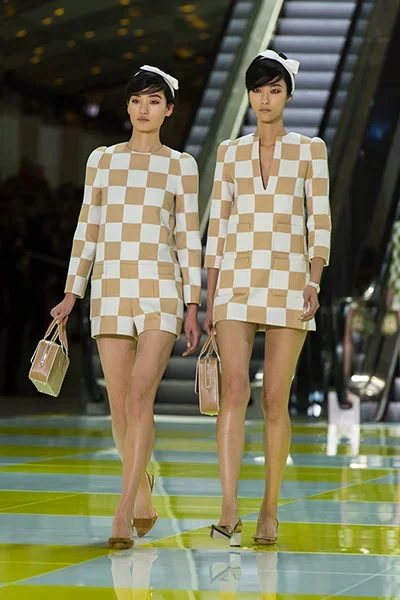
Louis Vuitton Spring/Summer 2013 runway show
Photo Credit: Getty Images
By the time Jacobs stepped down in 2013 to focus on his own label, he had spent 16 years transforming Louis Vuitton into far more than a leather goods company. Helping to establish ready-to-wear, launch menswear, and pioneering luxury’s relationship with contemporary artists, he created some of the most recognizable It Bags of the 2000s. Perhaps most importantly, he made one of fashion’s oldest houses feel exciting to an entirely new generation. Today, artist collaborations, runway spectacles, and fashion-meets-pop-culture moments are expected from luxury brands. But back then, it was Marc Jacobs that wrote the playbook.
Not all of the great fashion revolutions begin with a new silhouette. Sometimes, they begin with someone brave enough to scribble graffiti across the world’s most famous monogram.
Don’t Let the Name Fool You: Matières Fécales Is Fashion’s Most Fantastical Brand