
Holly Golightly: The Original Upper East Side It Girl
By Alexus Mosley
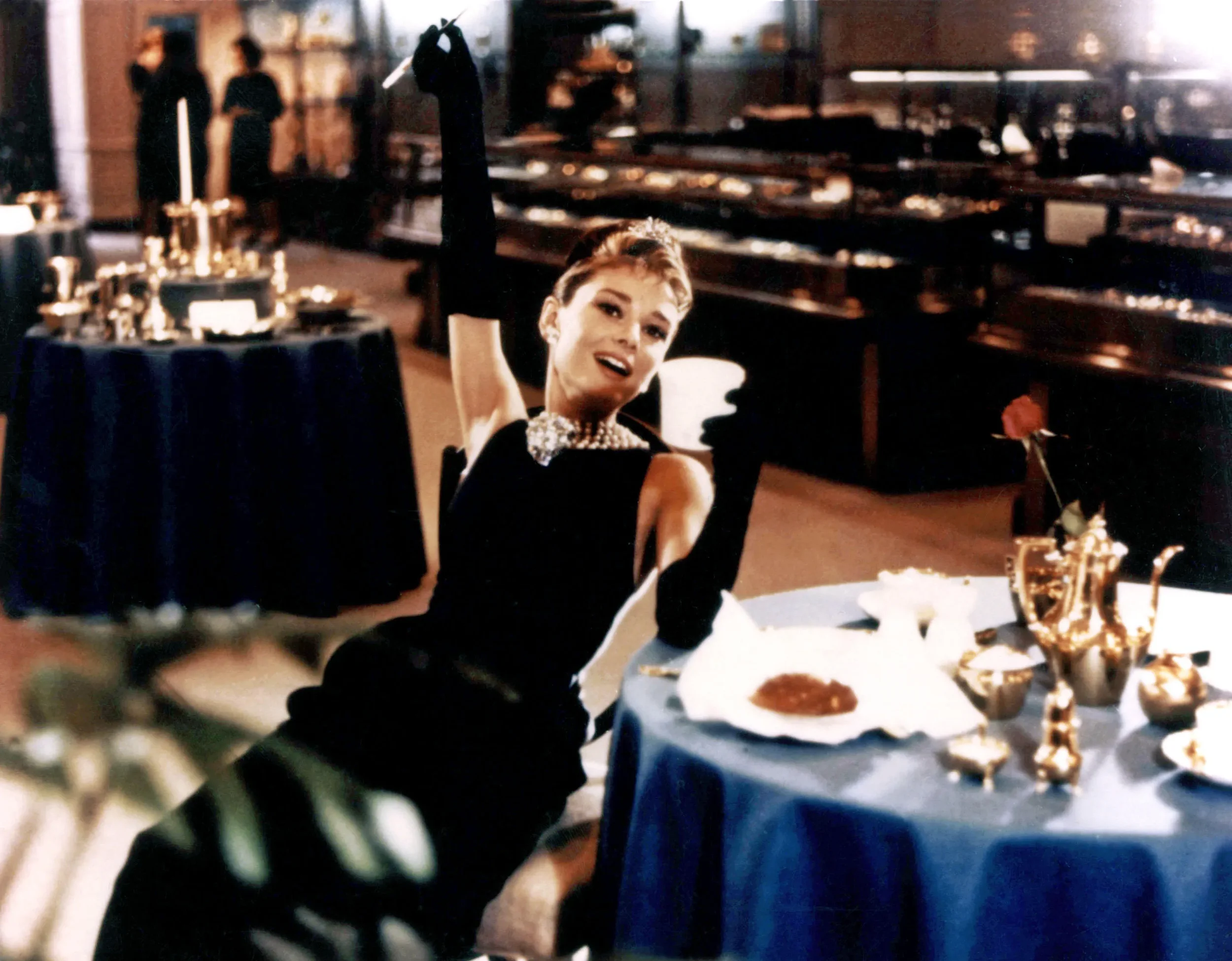
Sixty-five years after Breakfast at Tiffany’s arrived in theaters, the girl in the Givenchy dress remains the ultimate symbol of Manhattan glamour. But behind the fabulous parties and Fifth Avenue window-shopping was a woman determined to reinvent herself.
Before Carrie Bradshaw made Manolo Blahniks a Manhattan necessity and Blair Waldorf ruled the steps of the Met, there was Holly Golightly. She wore Givenchy, hosted fabulous parties, entertained wealthy gentlemen, and lived in a brownstone on East 71st Street. She could turn an ordinary morning into a fashion moment and a trip to the jewelry store into a remedy for life’s troubles. With her oversized sunglasses, impeccable updos, and little black dresses, Holly seemed to possess the sort of effortless sophistication that New York girls have spent decades attempting to replicate.
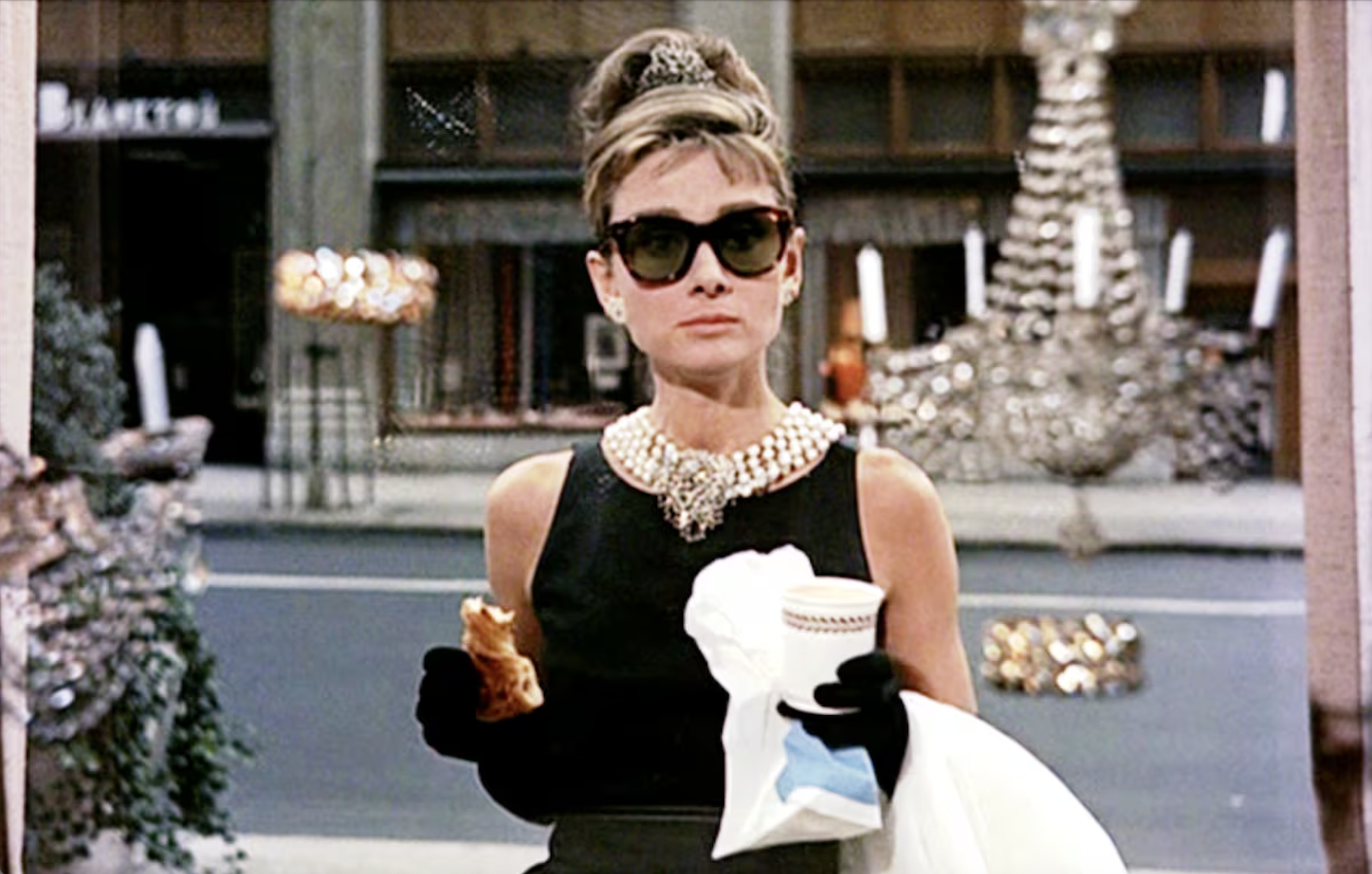
On October 5, 1961, audiences were introduced to Audrey Hepburn’s unforgettable portrayal of Holly Golightly in Breakfast at Tiffany’s. Adapted from Truman Capote’s 1958 novella, the film gave us one of cinema’s most enduring portraits of the glamorous New York woman. But Holly wasn’t quite the socialite she appeared to be, and that’s what made her so interesting.
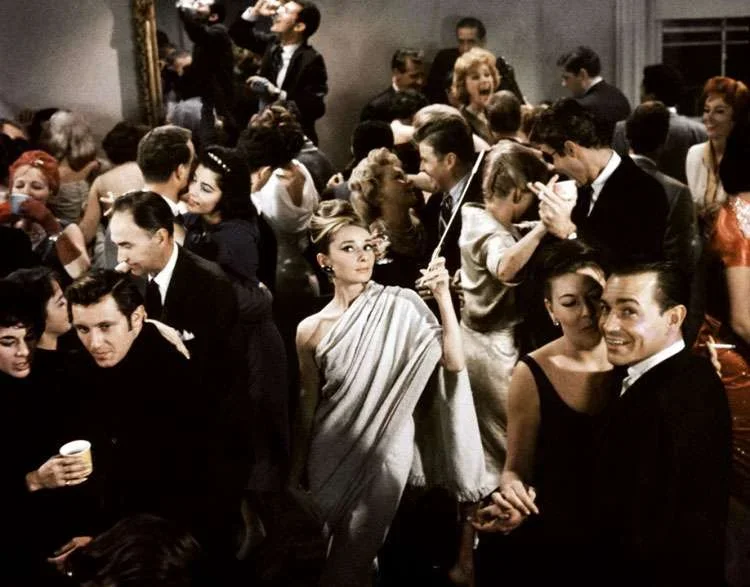
On the Upper East Side, your address is your calling card. For Holly, it was a brownstone located at 169 East 71st Street where she lived among an ever-changing collection of party guests, gentlemen callers, and eccentric neighbors. And although Holly’s apartment was hardly a showcase of traditional Upper East Side decorating, her social life was another matter entirely.
With parties that were chaotic, crowded, and wonderfully theatrical, her apartment became a revolving door of personalities. Making certain that champagne flowed and guests mingled, Holly understood something that would later become essential to the mythology of the New York It Girl: glamour isn’t always about what you own, but the world you create around yourself.
She wasn’t an heiress presiding over a family fortune or a society debutante following a carefully prescribed path. She was an outsider with an extraordinary talent for making herself interesting. In a city obsessed with status, being interesting can be its own kind of currency.
Of course, Holly’s wardrobe played an equally important role in her carefully constructed image. With a little help from Hubert de Givenchy, she made the little black dress, oversized sunglasses, and layers of pearls synonymous with Manhattan sophistication. Whether she was having breakfast outside Tiffany’s or entertaining guests in her apartment, Holly understood the power of looking the part. Her clothes weren’t simply fashionable. They were an extension of the woman she wanted the world to see.
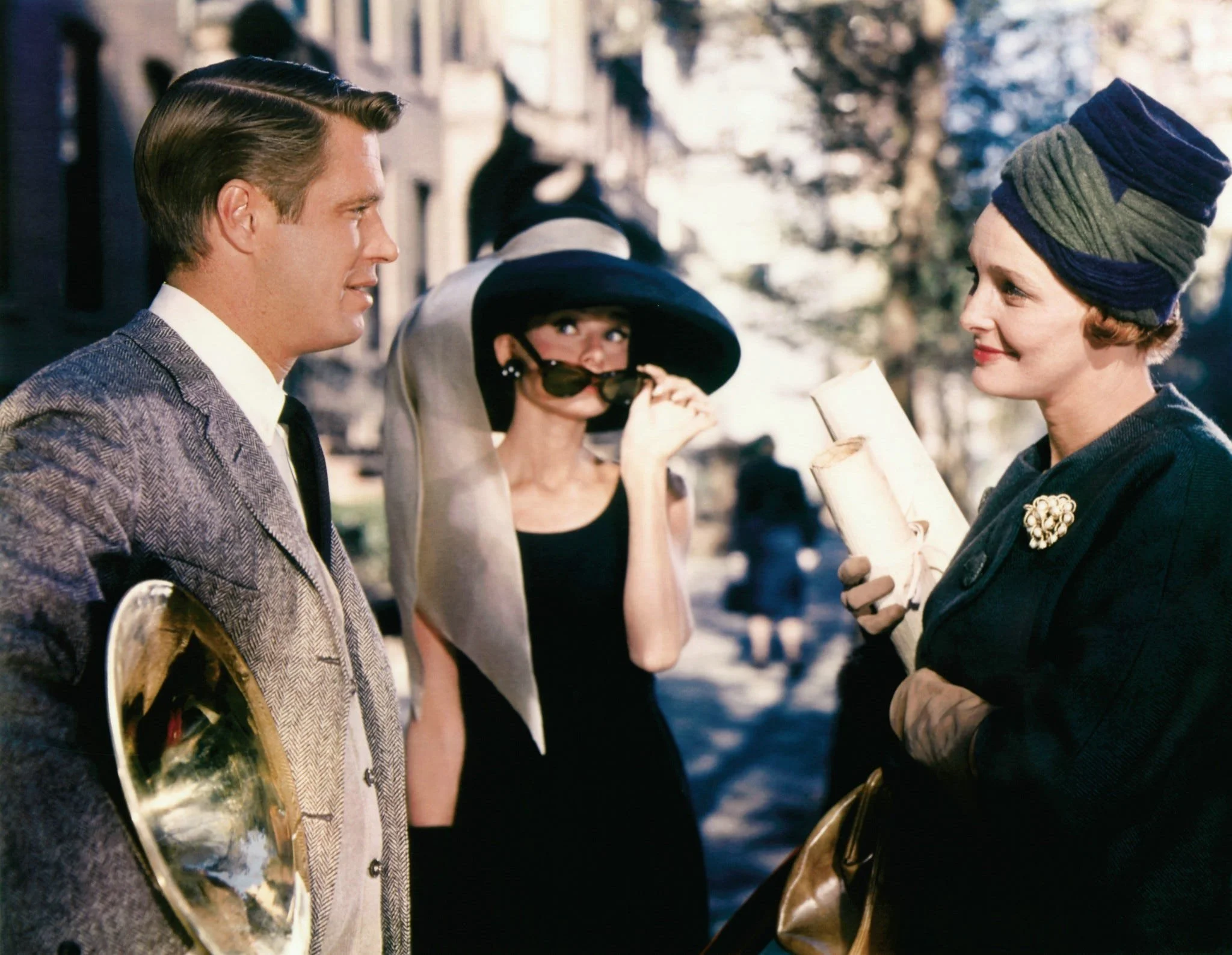
But before Holly Golightly, there was Lulamae Barnes, a young girl from rural Texas with a past far removed from Fifth Avenue's glamorous world. Her transformation was more than a change of name or wardrobe. It was an exercise in reinvention, a pursuit that has long been part of New York City’s allure. After all, what better place to become someone new than a city where almost everyone arrives with a dream?
Holly wasn’t an heiress presiding over a family fortune or a society debutante following a carefully prescribed path. She was an outsider with an extraordinary talent for making herself interesting. In a city obsessed with status, being interesting can be its own kind of currency.