
Chappell Roan, an 11-Year-Old Fan, and the Incident That Sparked a Celebrity Responsibility Debate
By Alexus Mosley
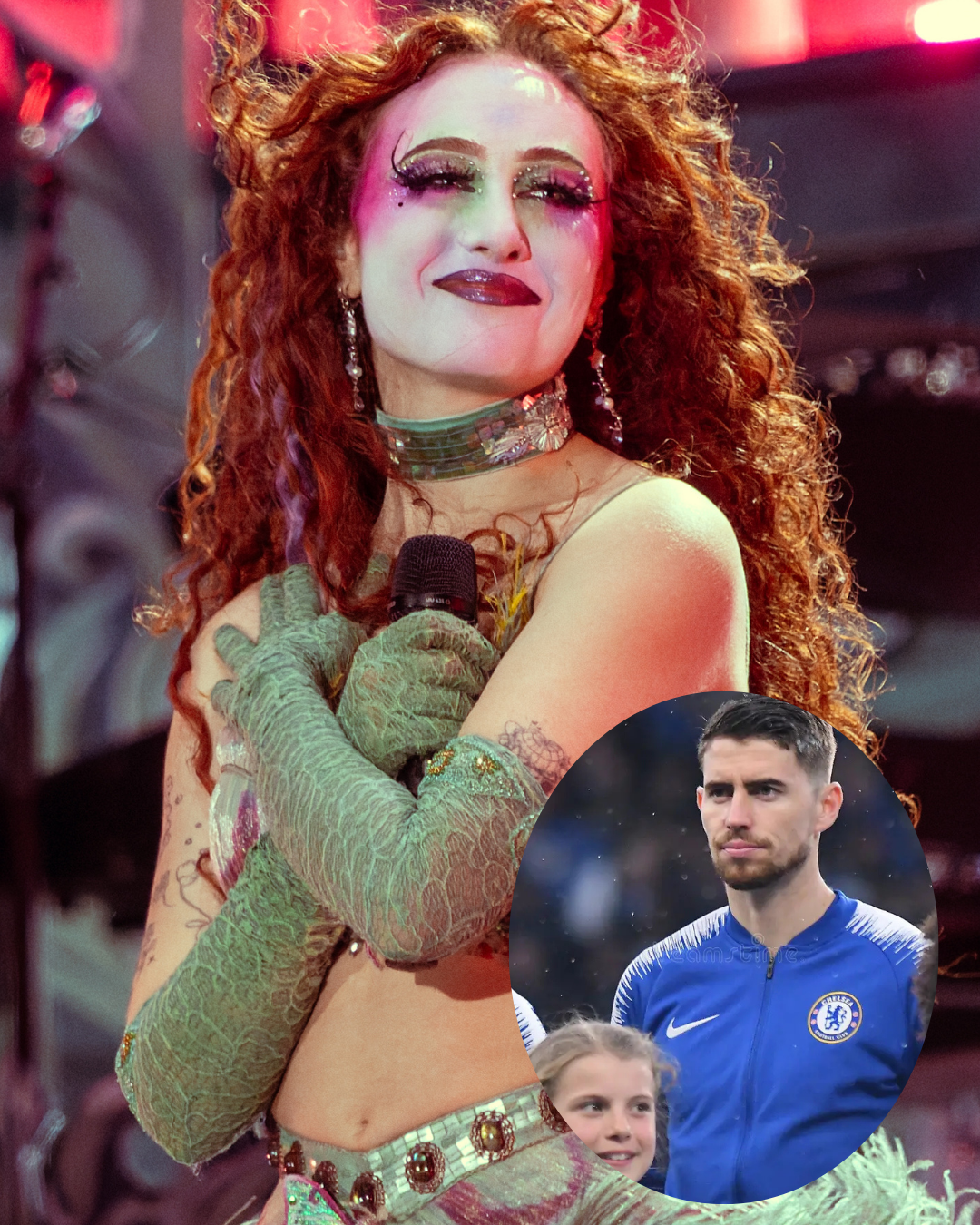
The internet has found its latest cultural debate. This time, it’s centered around Chappell Roan, an 11-year-old fan, and the increasingly complicated relationship between celebrities and the people who admire them.
Over the weekend, Brazilian soccer player Jorginho Frello took to social media with a serious accusation. His stepdaughter (who is also the daughter of Jude Law and singer Catherine Harding) was left in tears after being confronted by a security guard while simply admiring Roan at a hotel in São Paulo.
According to Frello, the 11-year-old spotted Roan at breakfast during Lollapalooza Brazil, smiled at her from a distance, and returned to her table, only for a security guard to allegedly approach and accuse her of harassment in what he described as an “extremely aggressive” manner. “It was just a child admiring someone,” Frello wrote. “Without your fans, you would be nothing.”
Roan quickly pushed back. In a video posted to her Instagram story, the “Pink Pony Club” singer denied any involvement, stating she never saw the child or her mother and that the man in question was hotel security, not a member of her team. “I do not hate people who are fans of my music. I do not hate children,” she said, adding an apology to the family for the situation.
Still, the story didn’t end there. Harding, who was present during the incident, added another layer of ambiguity. While she couldn’t confirm whether the guard was part of Roan’s team, she did claim he appeared to be associated with the singer. Her larger point, however, struck at something deeper. Does celebrity responsibility extend to representation? “If he’s acting on her behalf, that’s a problem,” Harding explained. “That’s not how she would want to be represented.”
Beyond the conflicting accounts, this moment taps into a much larger cultural shift. Chappell Roan has been outspoken about fan boundaries, previously calling out what she described as “predatory behavior disguised as superfandom” and sharing that she has felt unsafe due to intense fan interactions. And that’s where the tension lies. In today’s fame economy, celebrities are expected to be accessible, warm, and grateful while also protecting their privacy and safety. When those boundaries collide with a moment as seemingly innocent as a child simply looking at an artist, the optics become complicated almost instantly.