
Stephen Colbert’s Final Late Show Marked the End of an Era for Late-Night TV
By Alexus Mosley
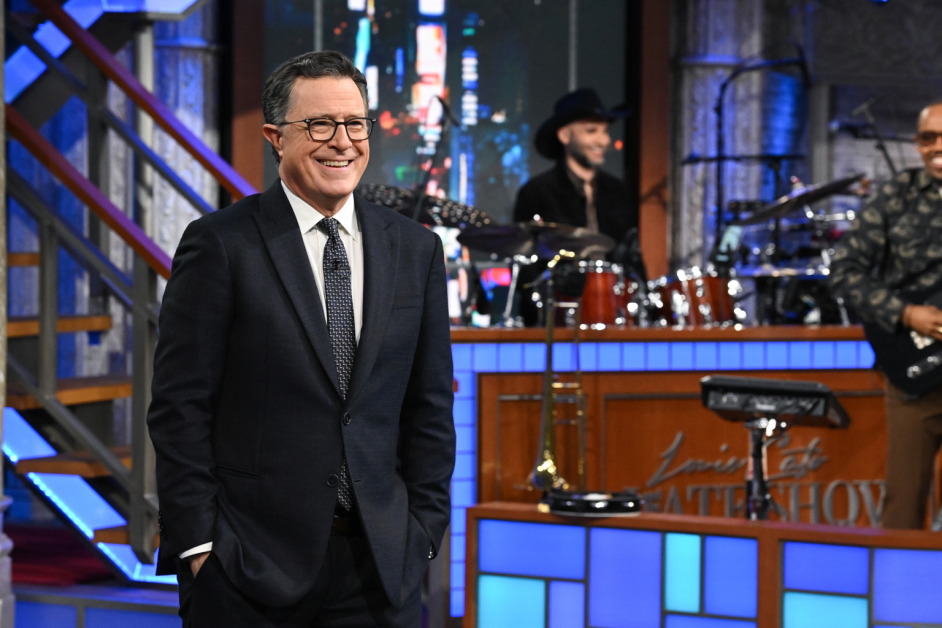
Late-night television said goodbye to one of its defining modern voices. After nearly 11 years of hosting The Late Show with Stephen Colbert, Colbert closed out his final episode with music, surreal humor, celebrity cameos, and a surprisingly emotional sense of reflection. But Stephen Colbert’s farewell felt bigger than a single show ending. By the time the lights dimmed inside Ed Sullivan Theater, it almost felt like an entire era of television was quietly taking its final bow alongside him.
Joined onstage by Paul McCartney, Elvis Costello, Jon Batiste, and Louis Cato, Colbert sang “Hello, Goodbye” as the theater transformed into one final whimsical spectacle. The symbolism could not have been more perfect, as The Ed Sullivan Theater isn’t just another studio, but one of television’s most legendary cultural landmarks where The Beatles famously made their American debut in 1964, and where David Letterman redefined late-night television for decades. But for the last eleven years, it became home to Colbert’s sharp blend of satire, political commentary, and celebrity interviews.
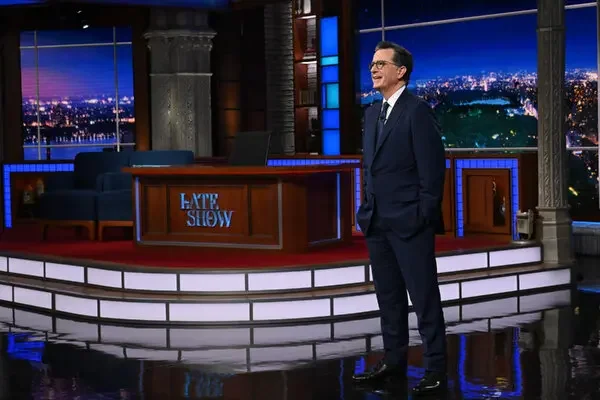
By the finale’s closing moments, visual effects literally swallowed the theater into a giant green interdimensional wormhole, which occasionally resembled the CBS logo. Was it absolutely? Yes, but also fitting as it felt like a metaphor for the disappearing world of traditional late-night television itself.
Earlier in the evening, Colbert was joined by fellow late-night hosts Jimmy Fallon, Jimmy Kimmel, Seth Meyers, and John Oliver, collectively known online as “Strike Force Five.” “We came to say, we’re going to miss you,” Kimmel told Colbert. Meyers jokingly added, “Where will Americans turn to see a middle-aged white man make jokes about the news?”
For decades, late-night hosts helped shape national conversations nightly. Their monologues became next-day office chatter, viral moments, and shared cultural rituals. But in an era dominated by TikTok clips, podcasts, YouTube commentary, streaming, and fragmented media consumption, the traditional late-night formula no longer carries the same cultural gravity it once did.
After CBS announced the cancellation of the show last year, many fans and industry figures speculated the decision was connected to Colbert’s frequent criticism of President Trump, though the network maintained it was purely financial amid broader struggles in late-night television.
Notably absent from Colbert’s final monologue was politics entirely, which is what he had become known for. Instead, the finale leaned into nostalgia, performance, absurdity, friendship, and television history itself.
As Colbert and McCartney shut off the lights together inside the Ed Sullivan Theater, one television era ended inside the very building where so many others had once begun.