
Why Hilary & Ashley Banks Mattered: The Power of the Spoiled Black Girl in Media
By Alexus Mosley
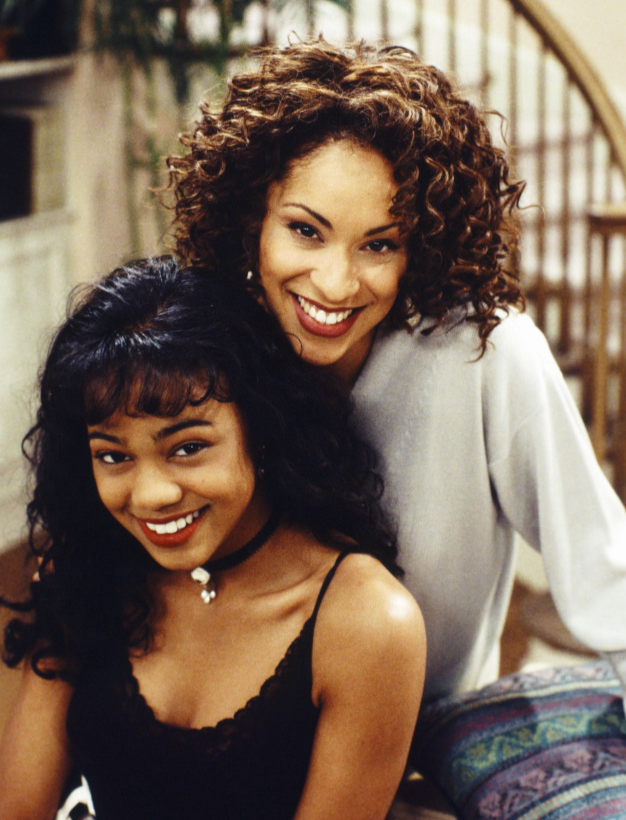
Long before “soft life” became a social media mantra, Hilary and Ashley Banks embodied a version of Black girlhood shaped by comfort, care, and the freedom to simply be. On The Fresh Prince of Bel-Air, their lives unfolded not around survival, but around abundance. A portrayal that remains quietly radical even now.
For decades, Black girlhood in mainstream media has been framed through resilience rather than rest, responsibility rather than indulgence. Hilary and Ashley Banks quietly disrupted that pattern, offering a version of Black girlhood rooted in protection, excessive luxury, and emotional safety.
The word “spoiled” is sometimes used as shorthand for moral failure and a lack of discipline, gratitude, or grounding. But Hilary and Ashley were not neglected or morally adrift. They were deeply loved, materially resourced, and shielded from early hardship. Their world was one where asking for more did not feel dangerous, and where provision was expected rather than exceptional. Hilary’s casual on-screen refrain, “Daddy, I need $300,” was the perfect representation of this reality. More than just a joke about wealth and Hilary’s carefree, glamorous personality and entitlement, it was also a signal of safety. She was a young woman so protected and cared for that she could assume her needs would be met without fear or negotiation.
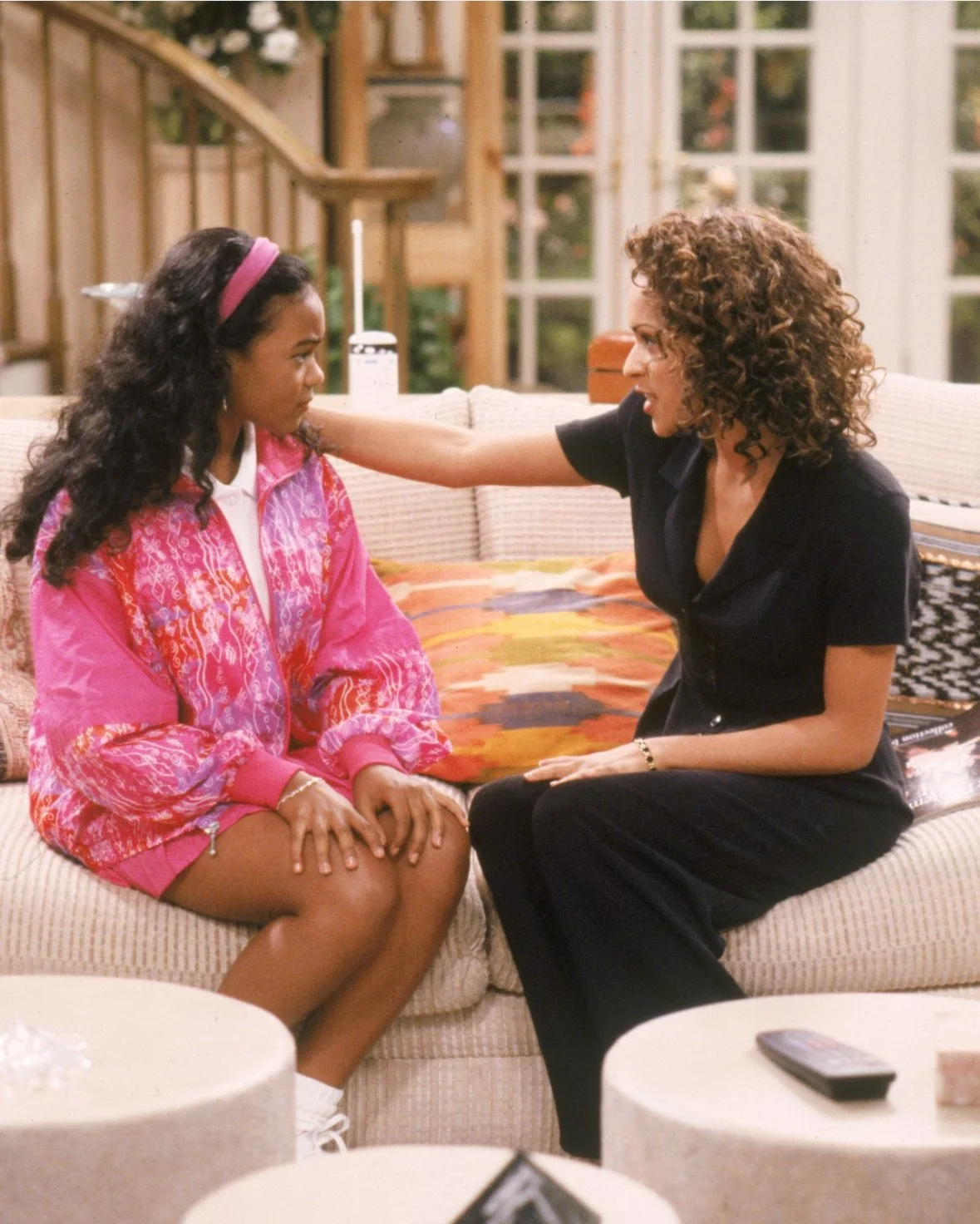
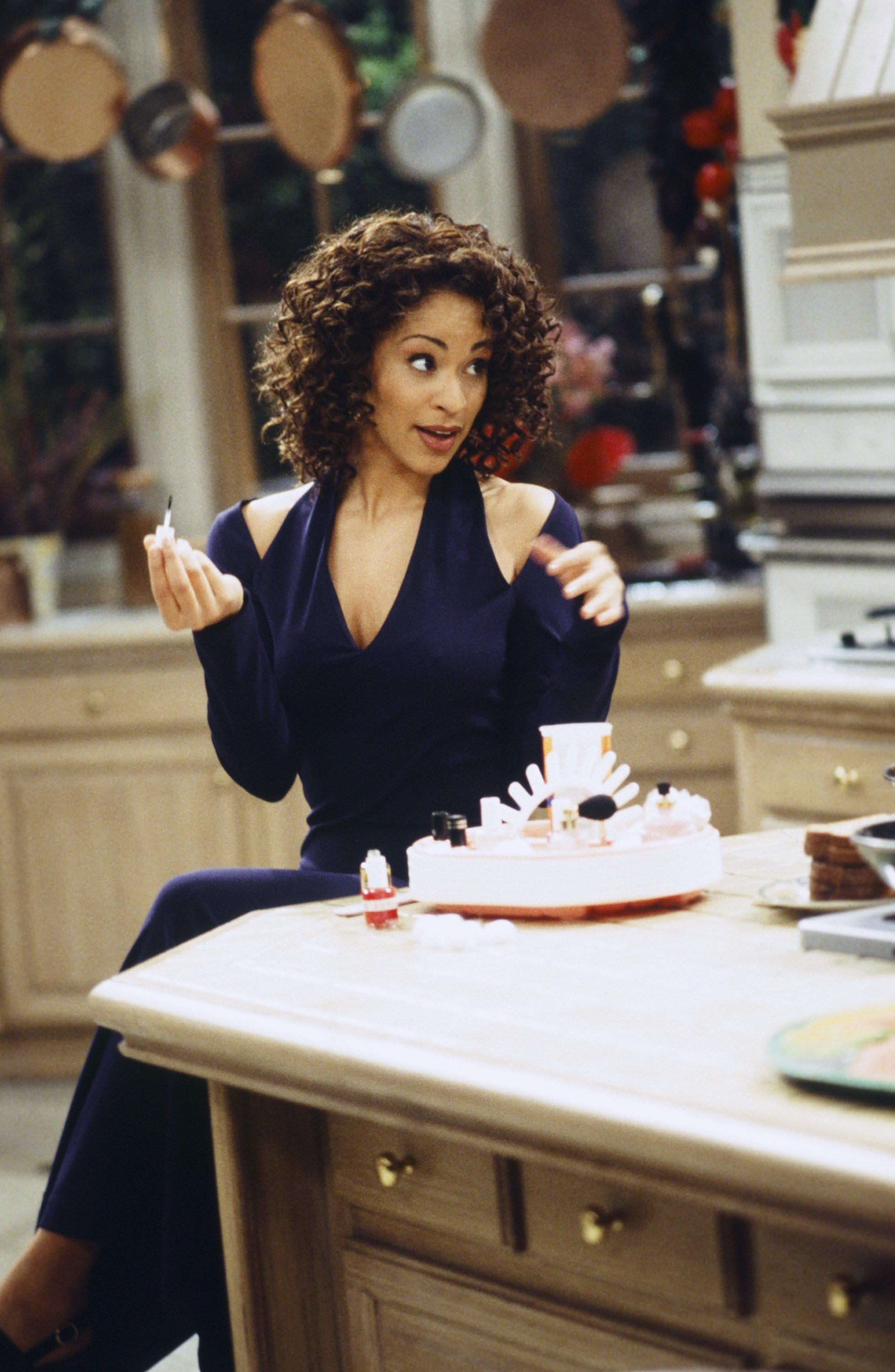
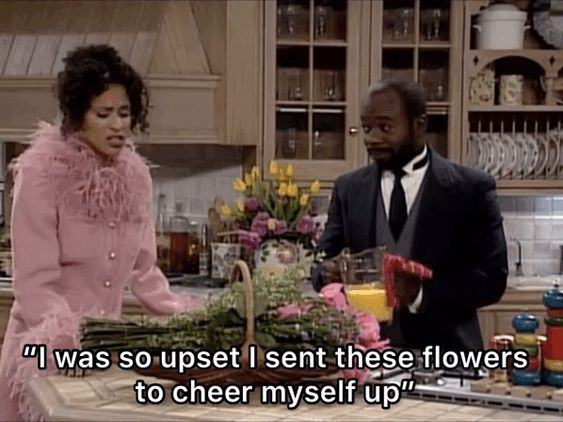
In the media landscape, Black children are frequently portrayed as prematurely hardened or forced into adult roles. The Banks sisters were allowed to experience girlhood without the looming weight of struggle. Hilary Banks, in particular, was permitted to want loudly. She was fashion-obsessed, boy-crazy, dramatic, and unapologetically indulgent. Her newfound independence meant moving into the family poolhouse. She desired beauty, romance, attention, and luxury, and got it without being framed as a cautionary tale or moral failure. She was simply Hilary. Crucially, as the eldest sister, she was not the ethical center of the family, burdened with representing respectability and the responsibility of caring for her siblings. Instead, she embodied a version of Black femininity rooted in pleasure, self-expression, and desire rather than sacrifice. In doing so, she disrupted a long-standing tradition of Black female characters being written primarily through endurance.
Ashley Banks offered another rarity: innocence. She was allowed to be naive, sheltered, and gently guided into adulthood. Her storylines centered on ordinary rites of passage. From first crushes, soft teenage rebellion, and awkward growth, she went without being cast as prematurely worldly or emotionally hardened. Black girls on television are often denied this slow unfolding of girlhood, expected to mature quickly and carry emotional weight far beyond their years. Ashley’s arc insisted that Black girlhood could include protection, softness, and the freedom to grow slowly.
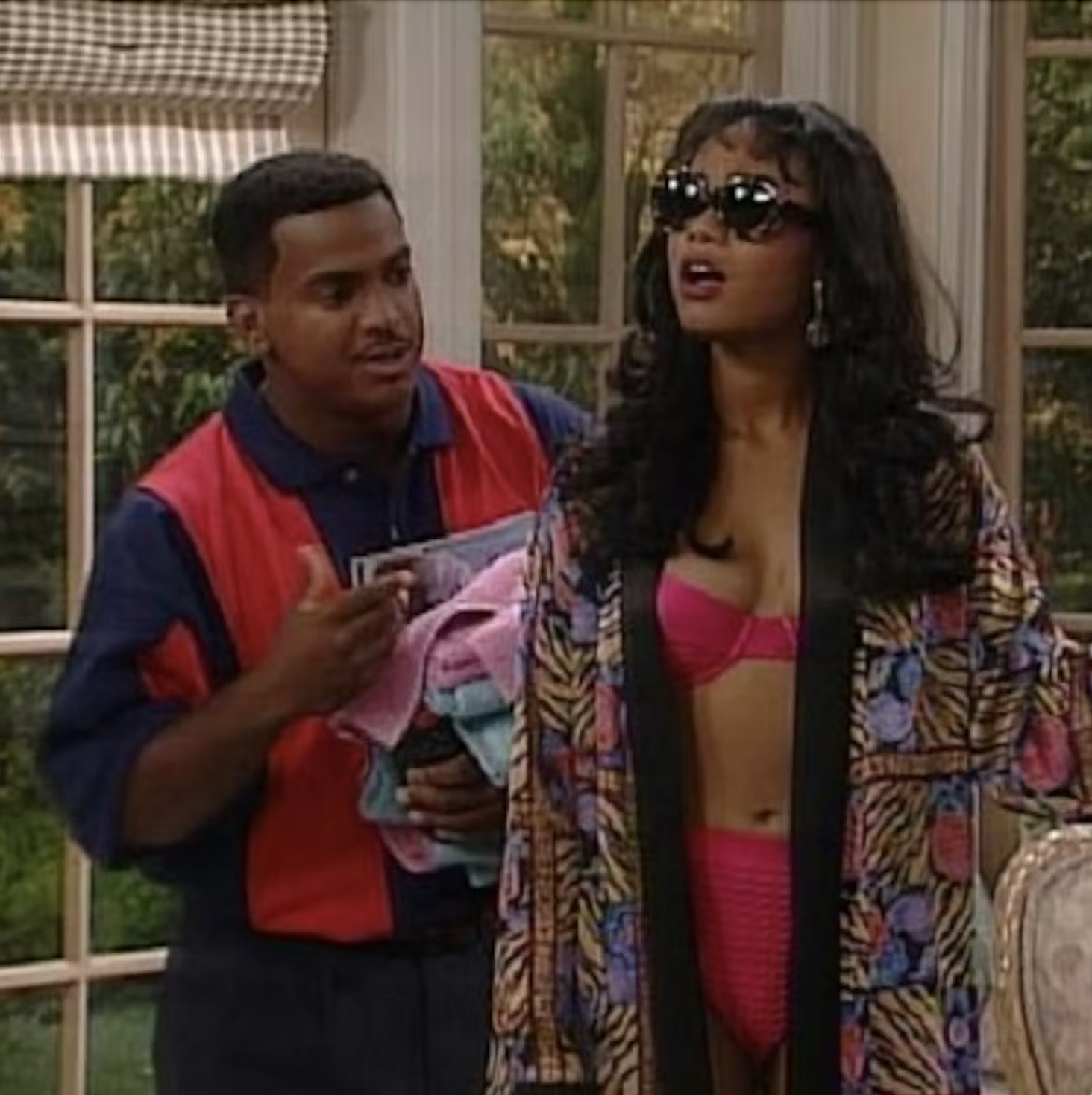

In a society that frequently associates Black adolescence with struggle, dysfunction, or survival, portraying Black girls in comfort is itself a political act. The Banks family normalized images of Black wealth, Black family protection, and Black girlhood as worthy of ease and enjoyment.
Today’s “soft life” discourse, luxury Black girl aesthetics, and online celebrations of rest and beauty are not emerging in a vacuum. They echo the cultural groundwork laid by characters like Hillary and Ashley Banks. The desire many Black women express now for rest, leisure, and beauty reflects a generational longing for what earlier representations made visible.

The spoiled Black girl is not a failure of parenting, discipline, or morality. She is evidence of care. In a culture that has historically denied Black girls gentleness, the freedom to be adored, protected, and frivolous is not shallow. It is quietly revolutionary.