
K-Beauty Isn't About Trends, It's About Devotion
By Alexus Mosley
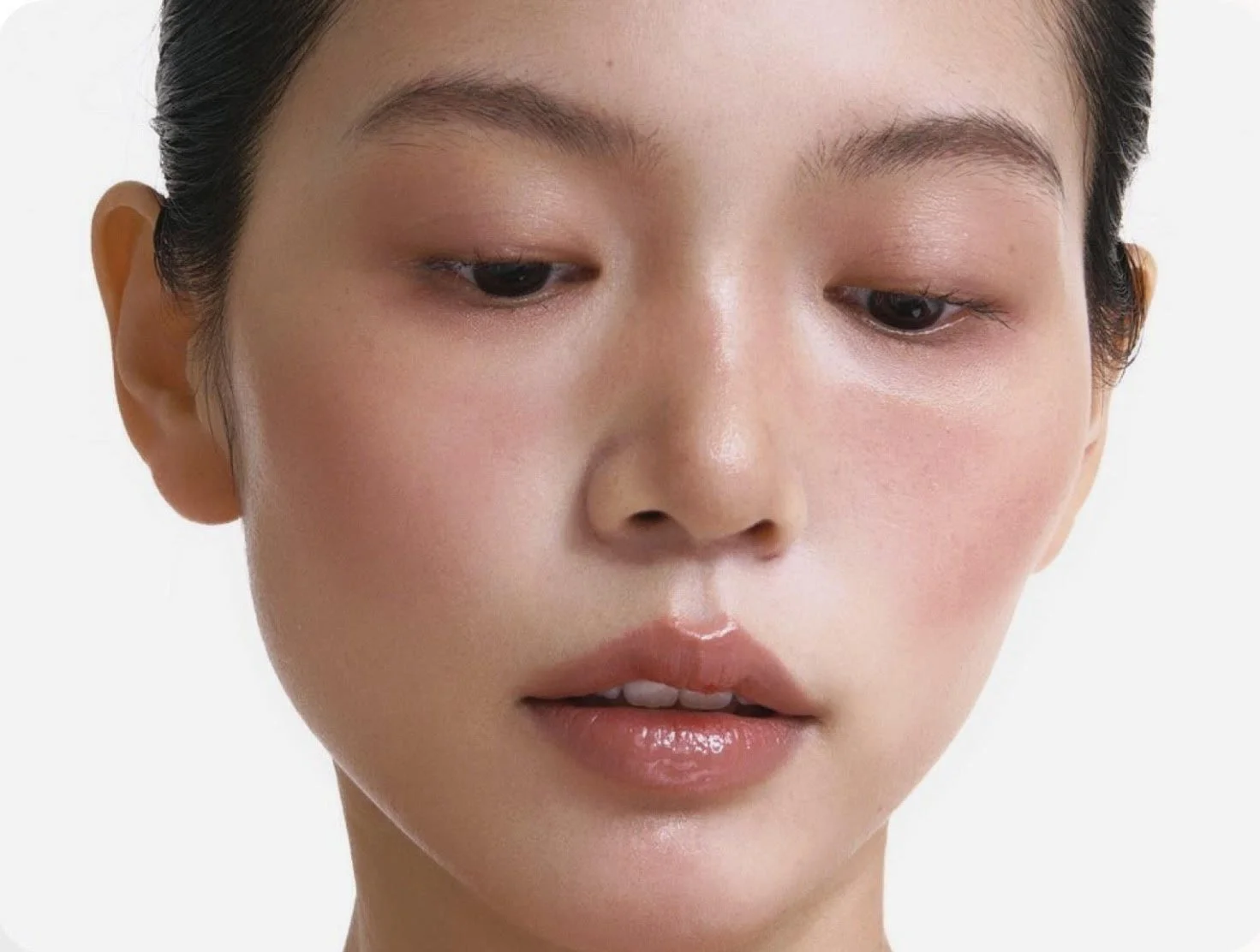
K-Beauty’s rise in popularity in the West can be compared to a torpedo, straight-running and explosive. Rare is it to be on Beautytok and not notice a new Korean skincare “must have” from your favorite beauty connoisseur. But with its surge in popularity has come a significant misunderstanding. Reduced to “10-step routines” in order to achieve poreless “glass skin,” viral sheet masks, or whatever ingredient happens to trend on social media that month, Korean skincare is often treated as a novelty rather than what it truly is: a philosophy. At its core, K-Beauty is not about chasing trends but self-devotion.
In Korea, skincare is not a reaction to problems once they appear. It is preventative, intentional, and deeply habitual. The goal is not instant transformation but long-term harmony between skin, lifestyle, and environment. This mindset alone sets K-Beauty apart from much of Western beauty culture, which often prioritizes urgency, correction, and quick results. Devotion, in the K-Beauty sense, is quiet, consisting of the daily act of cleansing gently, hydrating consistently, and protecting the skin before damage occurs. The beauty is less about dramatic before-and-afters and more about discipline and showing up for your skin, whether or not anyone else is watching.
This philosophy explains why Korean skincare places such a strong emphasis on the skin barrier. Healthy skin is treated as an ecosystem, not a canvas to be aggressively altered. Ingredients are chosen not to overwhelm, but to support. Layers are built slowly, thoughtfully, and with respect for balance. Nothing is rushed, and nothing is done without purpose.
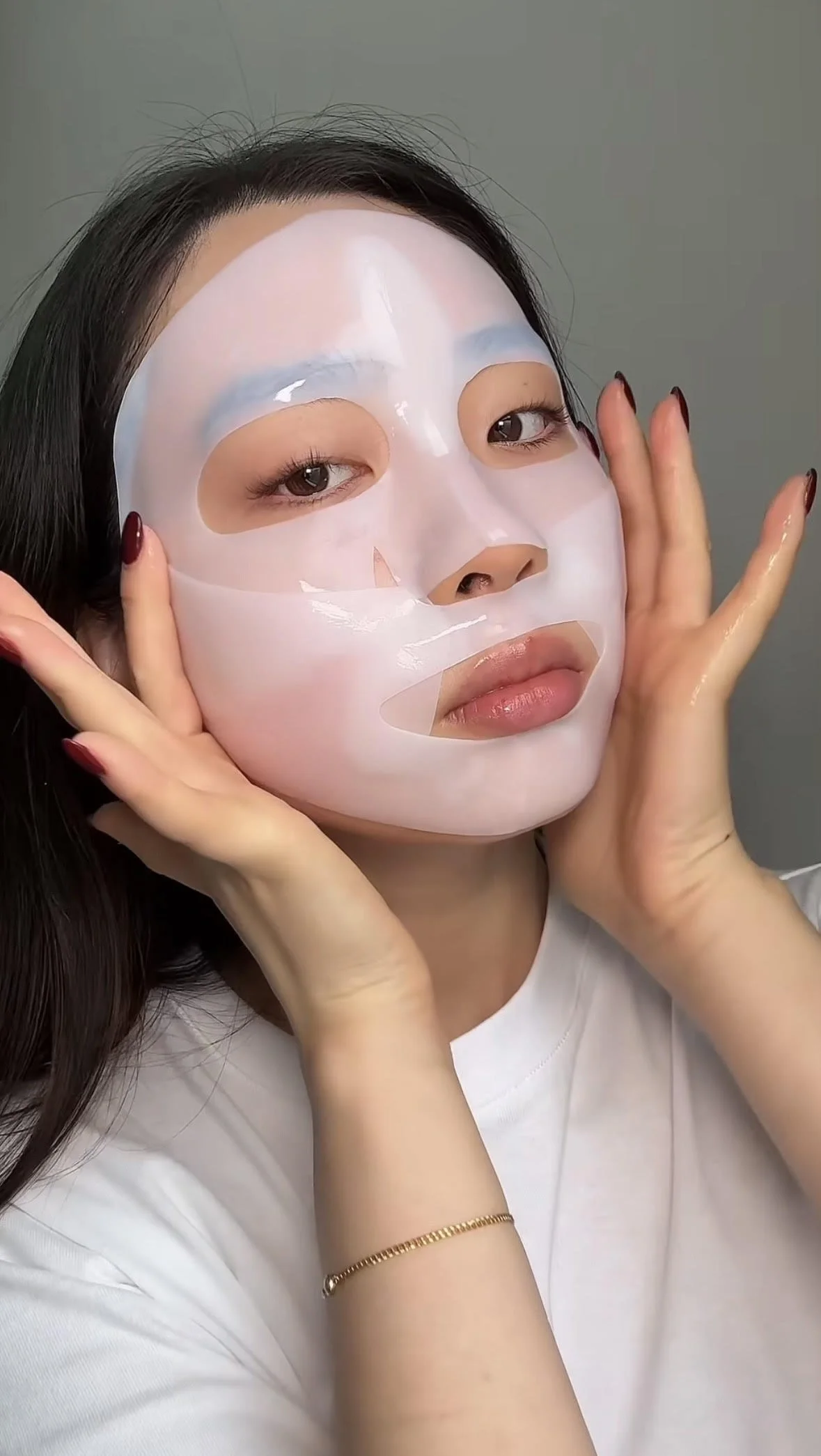
Photo Credit: IG @jungwonjo
The Western obsession with “hacks” stands in sharp contrast. Shortcut culture promises immediate payoff, often at the expense of long-term skin health, and K-Beauty rejects this entirely. There is no miracle product or overnight fix. Only consistency, patience, and the kind of care that compounds quietly over time. Even the much-discussed concept of “glass skin” is frequently misunderstood. We adore the shine and perfection, sometimes missing the clarity, hydration, and resilience that accompany the routine. What has come to be known as glass skin reflects light because it is healthy, not because it has been stripped, peeled, or aggressively treated into submission.
What makes K-Beauty especially compelling today is how it aligns with a broader cultural shift toward intentional living. In an era of burnout, overstimulation, and constant optimization, the Korean approach to beauty feels almost radical. It asks for presence and rewards patience, valuing maintenance. For one to truly adopt K-Beauty is not to buy more products, but to change how you relate to skincare entirely. Fewer steps done consistently will always outperform elaborate routines done sporadically. Devotion, not excess, is what delivers the best results.
K-Beauty endures not because it is trendy, but because it is rooted in care. It reminds us that beauty, like anything worth cultivating, is built slowly through ritual, respect, and the quiet confidence of showing up every day.
Are Beauty Routines the New Religion? A Look at Modern Rituals