
How the Bob Became Fashion’s Most Powerful Haircut
By Alexus Mosley
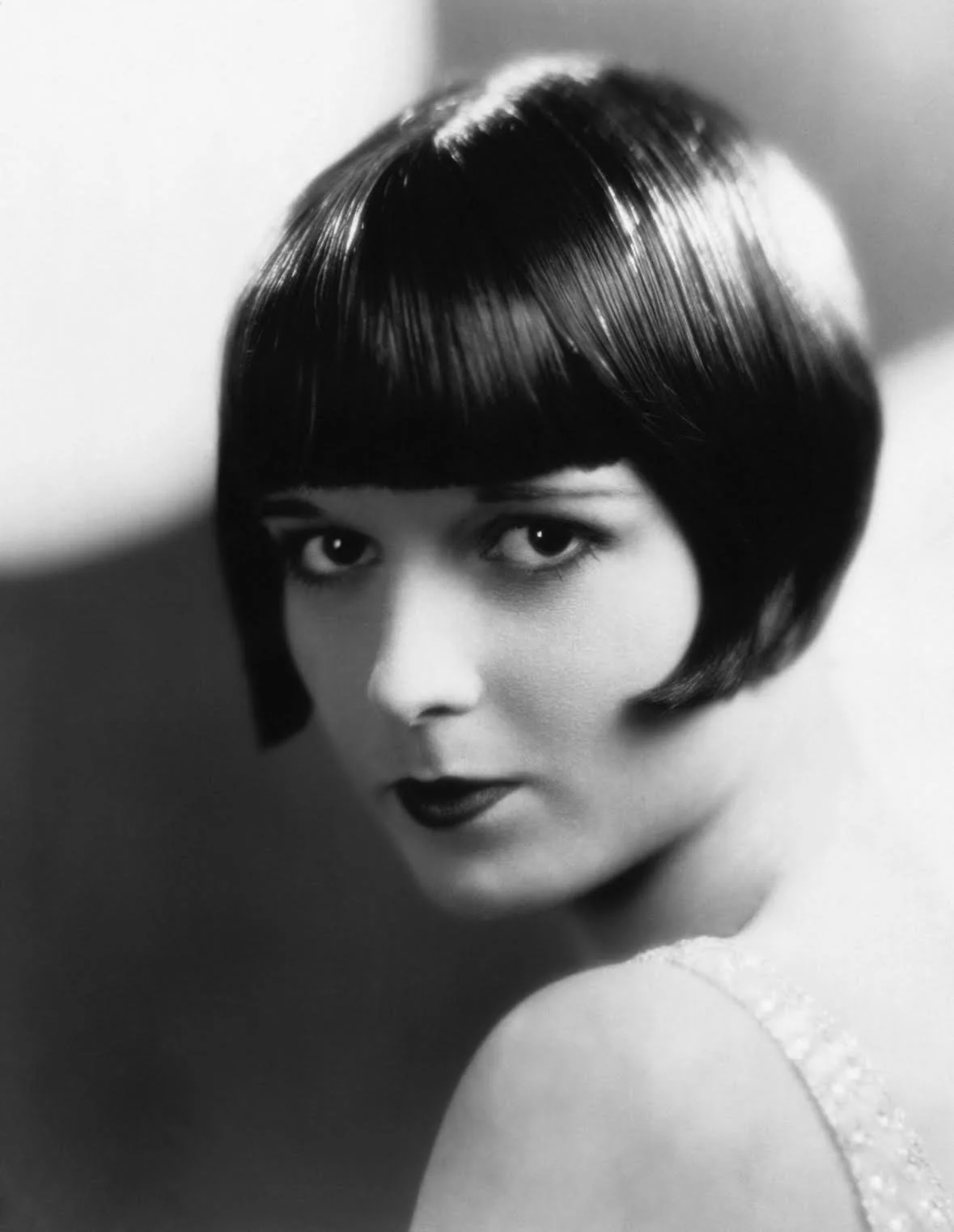
Louise Brooks photographed with her famous "Lulu bob”
Photo Credit: Getty Images
From Coco Chanel to Anna Wintour, the bob haircut has long been associated with fashionable, powerful women and carries a rich history. Sleek, sharp, and endlessly adaptable, the bob has spent more than a century moving in and out of fashion without ever truly disappearing.
What began as a rebellious rejection of traditional femininity eventually became one of beauty’s most enduring symbols of confidence, modernity, and control.
The bob was once considered rebellious. In the early 20th century, long hair was still closely tied to conventional ideas of femininity. Cutting it short could feel almost radical.
By the 1920s, the bob became inseparable from the flapper era. Young women were embracing shorter hemlines, dancing, drinking, smoking, and challenging social expectations, and their hair reflected that shift. The cut represented a new kind of independence.
Actresses and entertainers helped popularize the look, while women across Europe and America began trading elaborate updos for chin-length styles. The bob was no longer just a haircut, but a political statement as well.
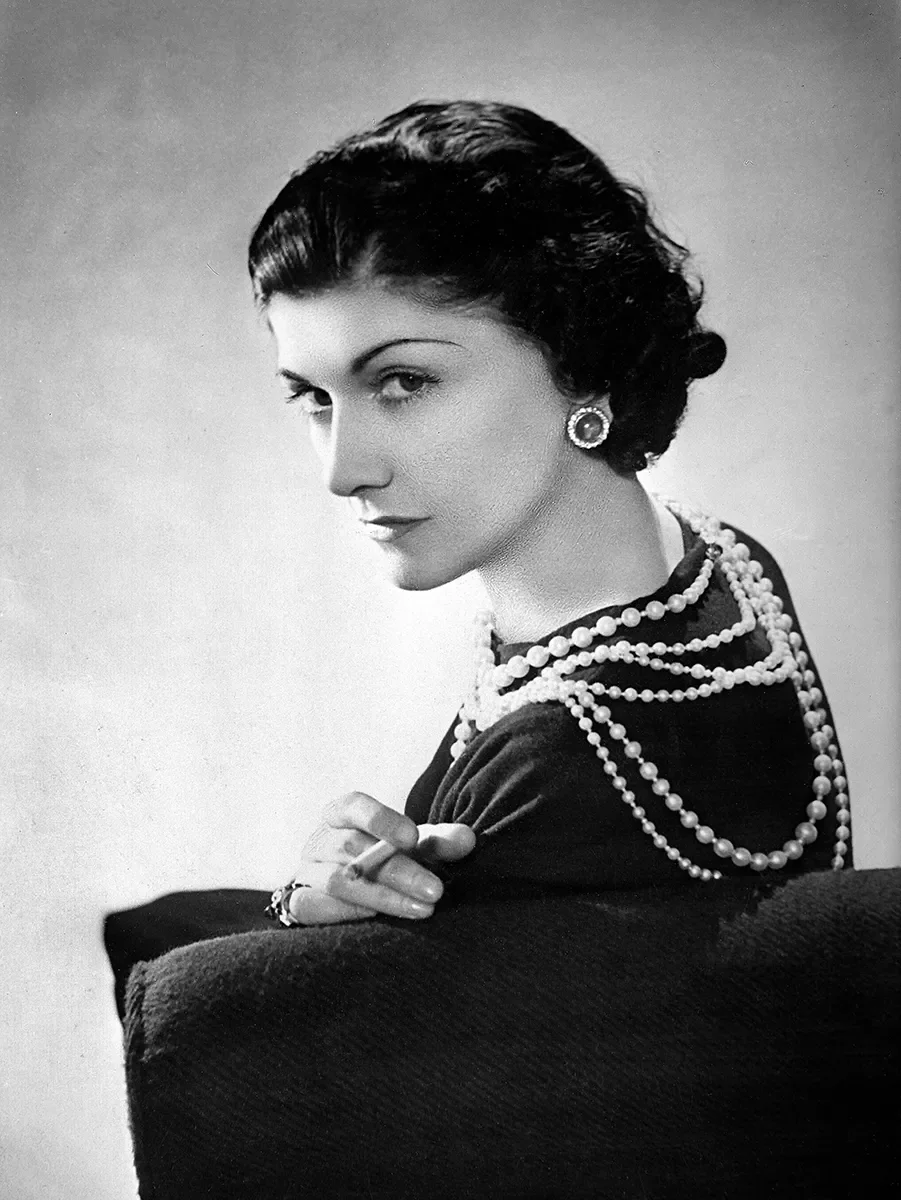
Coco Chanel photographed Horst P. Horst in 1937.
Coco Chanel made short hair look chic, helping to transform the style from something rebellious into something undeniably sophisticated. Her cropped styles complemented the streamlined clothing she championed, which rejected much of the restrictive femininity of the previous era. The simplicity of the haircut worked perfectly with Chanel’s broader aesthetic: practical, modern, and quietly luxurious.
That association would become a recurring theme throughout the bob’s history. The haircut could be feminine without being fussy, polished without appearing overly precious, and glamorous without relying on length.
By the 1960s, the bob underwent another major transformation. Hairdresser Vidal Sassoon introduced geometric, precision-cut styles that moved naturally with the wearer rather than depending on elaborate setting and styling. His sharply sculpted bobs became synonymous with the decade’s futuristic approach to fashion.
The haircut suddenly felt architectural. Clean lines, angled shapes, and carefully constructed silhouettes replaced softer, more traditional styling. Sassoon’s work helped establish the bob as a distinctly fashion-forward haircut, one capable of feeling just as intentional as the clothes accompanying it.
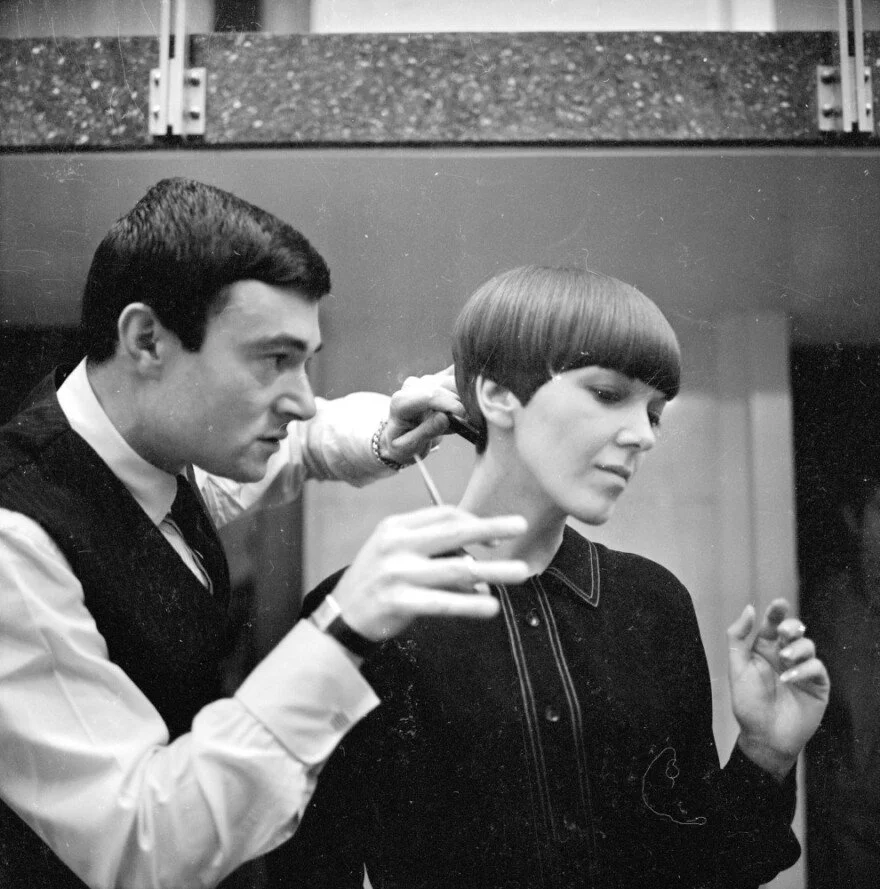
Vidal Sassoon touching up Mary Quant’s bob in 1964.
Photo Credit: Ronald Dumont
As women entered professional spaces in greater numbers, the bob increasingly became associated with authority. Its clean shape could read as polished, controlled, and deliberate, qualities that translated easily into fashion, media, and business.
Few people embody that connection better than Anna Wintour. Her blunt bob with bangs has remained remarkably consistent for decades, becoming nearly as recognizable as the sunglasses she wears to fashion shows. Rather than reinventing her hair with every trend cycle, Wintour turned consistency itself into a form of personal branding.
The 1990s made the bob cool again, giving the cut a looser, more effortless identity. Supermodels, actresses, and musicians wore chin-length cuts that ranged from sleek and minimalist to tousled and undone. The decade’s obsession with simplicity made the bob feel especially appropriate.
It could look polished with a slip dress and barely-there makeup or grungier with undone texture and a leather jacket. The bob had become less about following one specific beauty rule and more about attitude.
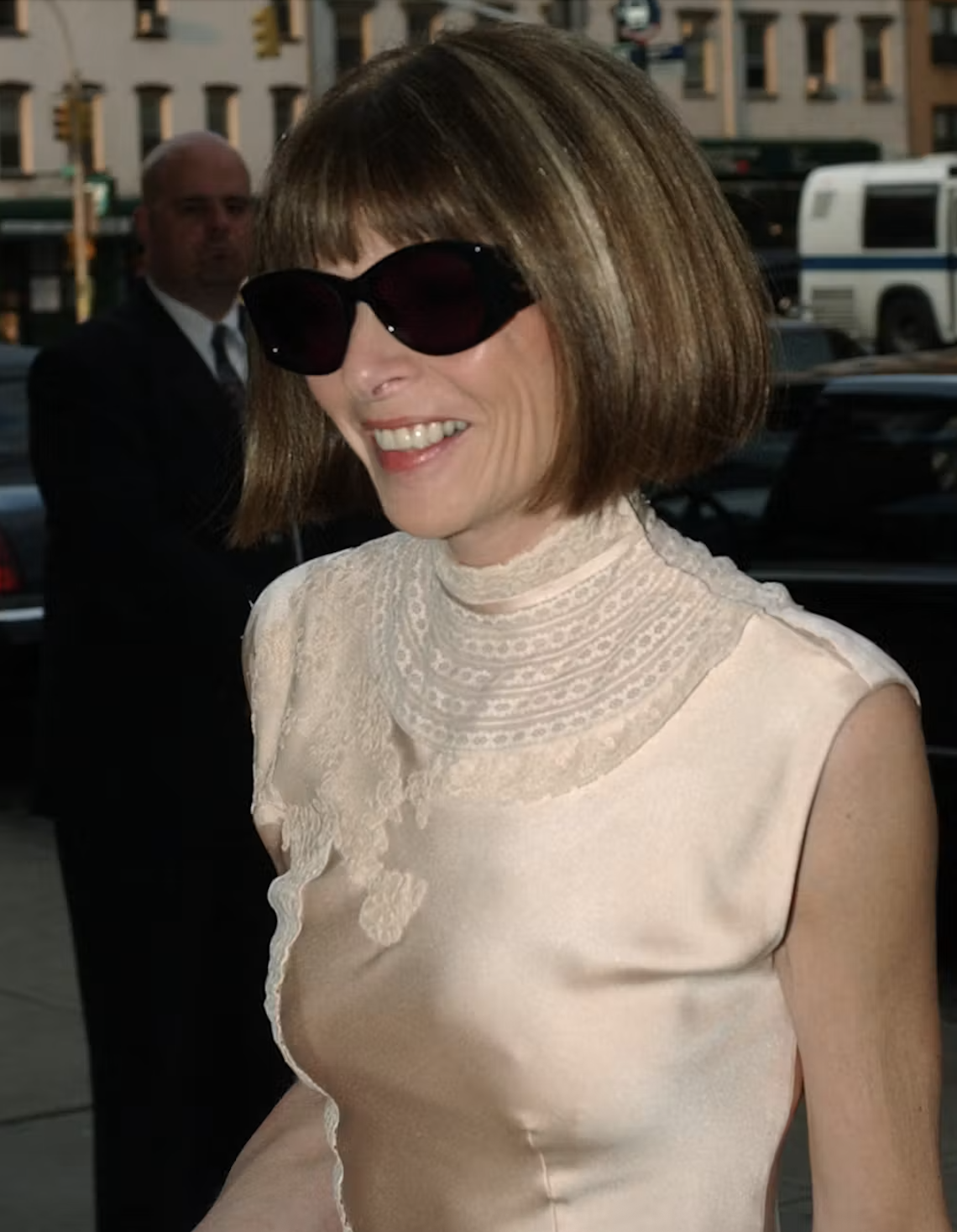
Whatever it is, the way you tell your story online can make all the difference.
Photo Credit: Chad Rachman/AP/Shutterstock
It’s almost as though every era gets its own bob. The 2000s brought asymmetrical cuts and highly stylized bobs. The 2010s gave us blunt lobs and beachy texture. More recently, beauty trends have produced French bobs, Italian bobs, micro bobs, and glossy jaw-length cuts. The names may change, but the basic idea remains remarkably intact. That may be the secret to the bob’s longevity.
Unlike a highly specific trend, the bob is a framework. It can be straight or curly, blunt or layered, severe or romantic, retro or futuristic. It can signal rebellion, wealth, intelligence, creativity, or effortless cool depending on who is wearing it.
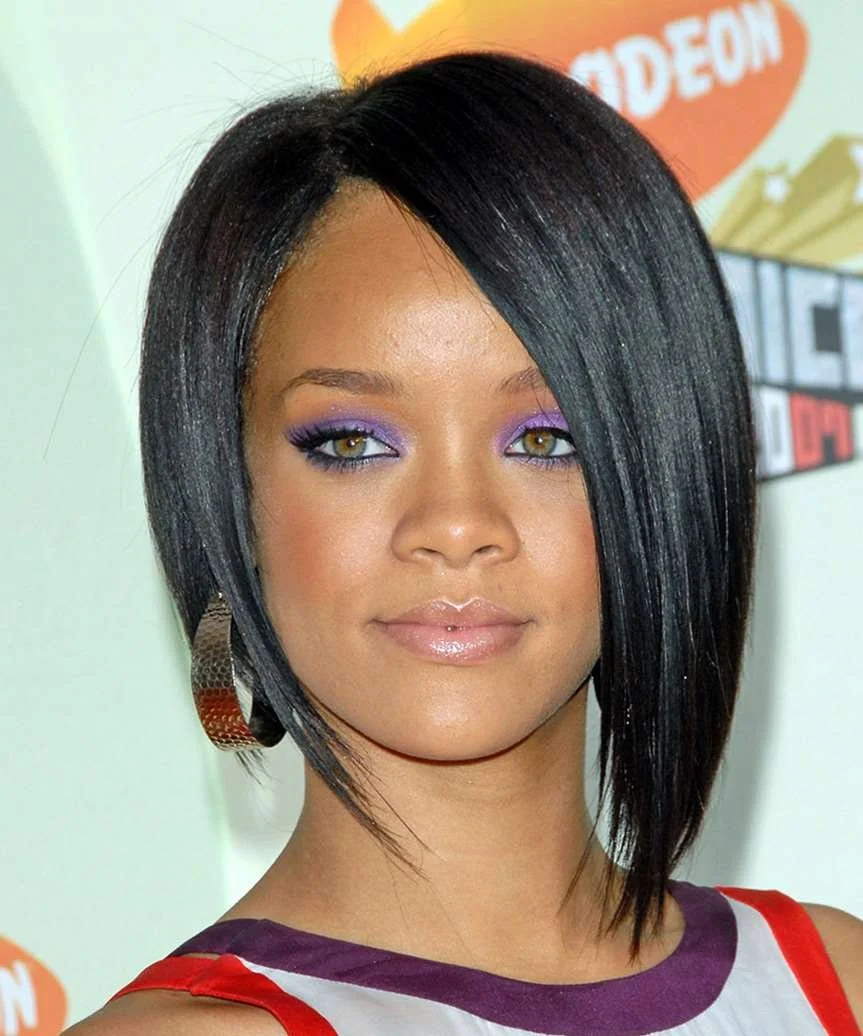
Rihanna arriving at Nickelodeon's 20th Annual Kids' Choice Awards
Photo Credit: Kevin Mazur/Getty Images
So why does the bob still feel powerful? There is something inherently intentional about cutting hair short. Long hair can simply grow, but a bob requires a decision. Maybe it’s the choice of the haircut that lends to the illusion of power as well as the cut’s association with women who know exactly how they want to present themselves.
The bob frames the face, exposes the neck, and refuses to disappear into the background. It can feel controlled without being conservative and feminine without relying on softness.
More than a century after women first shocked society by cutting off their long hair, the bob remains one of fashion’s most reliable ways to signal change. Perhaps that is why powerful women keep returning to it.