
Remembering the Barbizon Hotel: New York’s Most Glamorous Home for Ambitious Women
By Alexus Mosley
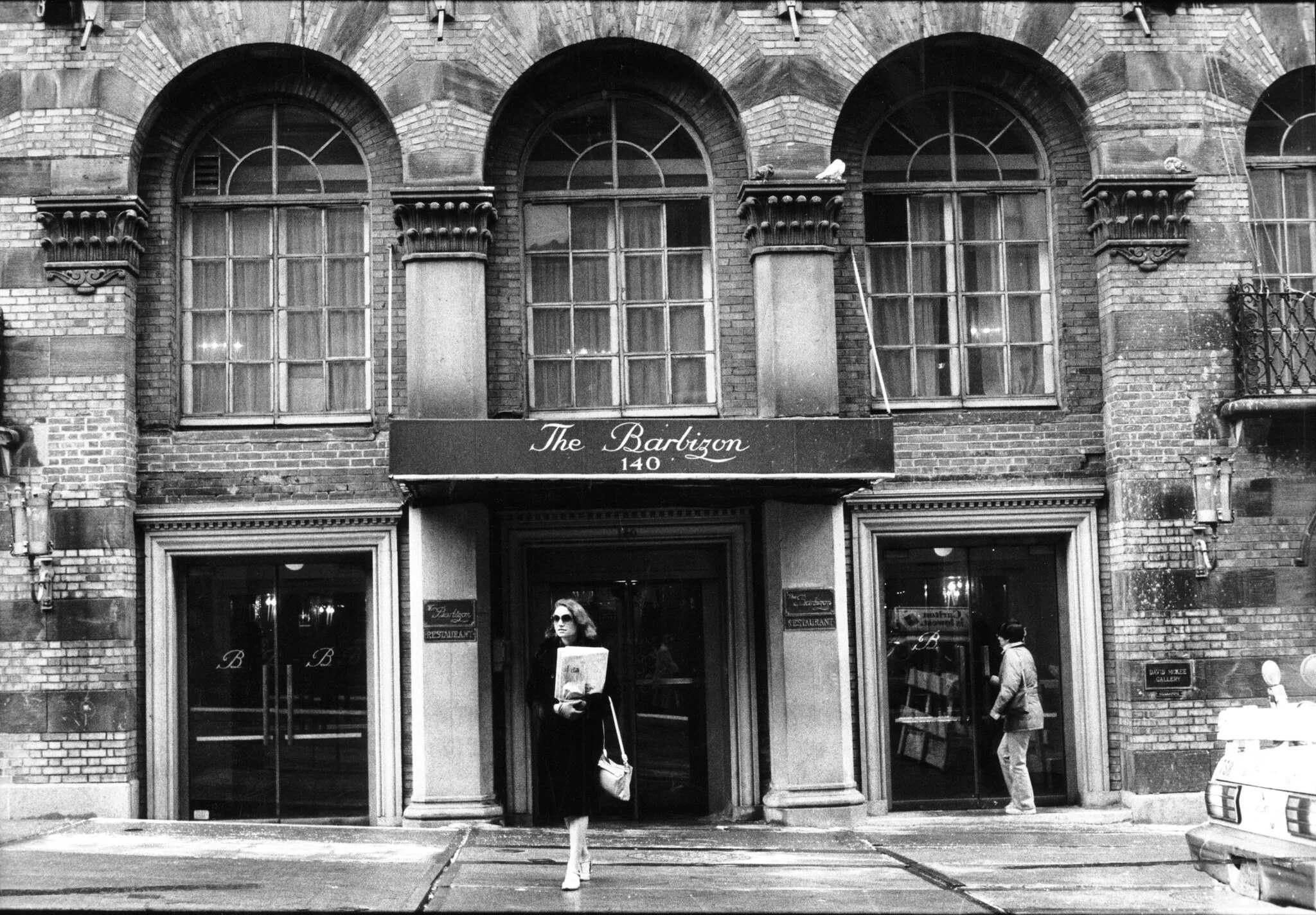
Photo Credit: Dave Pickoff/AP
When young women arrived in New York City with dreams of becoming writers, actresses, models, and editors, there was one address they hoped to call home: the Barbizon Hotel.
Nicknamed “The Dollhouse,” the Barbizon became a haven for ambitious women pursuing careers in the arts, fashion, publishing, and beyond. More than just a hotel, it offered something that was still remarkably rare at the time: independence, opportunity, and a safe place for women to build lives of their own in New York City.
Located on East 63rd Street on Manhattan’s Upper East Side, the Barbizon was built in 1927 and opened its doors the following year. Its arrival came during a transformative era for American women. Just eight years earlier, women had secured the right to vote in 1920, yet many hotels still refused to accommodate women traveling alone after dark. Against that backdrop, the Barbizon represented a new kind of freedom.
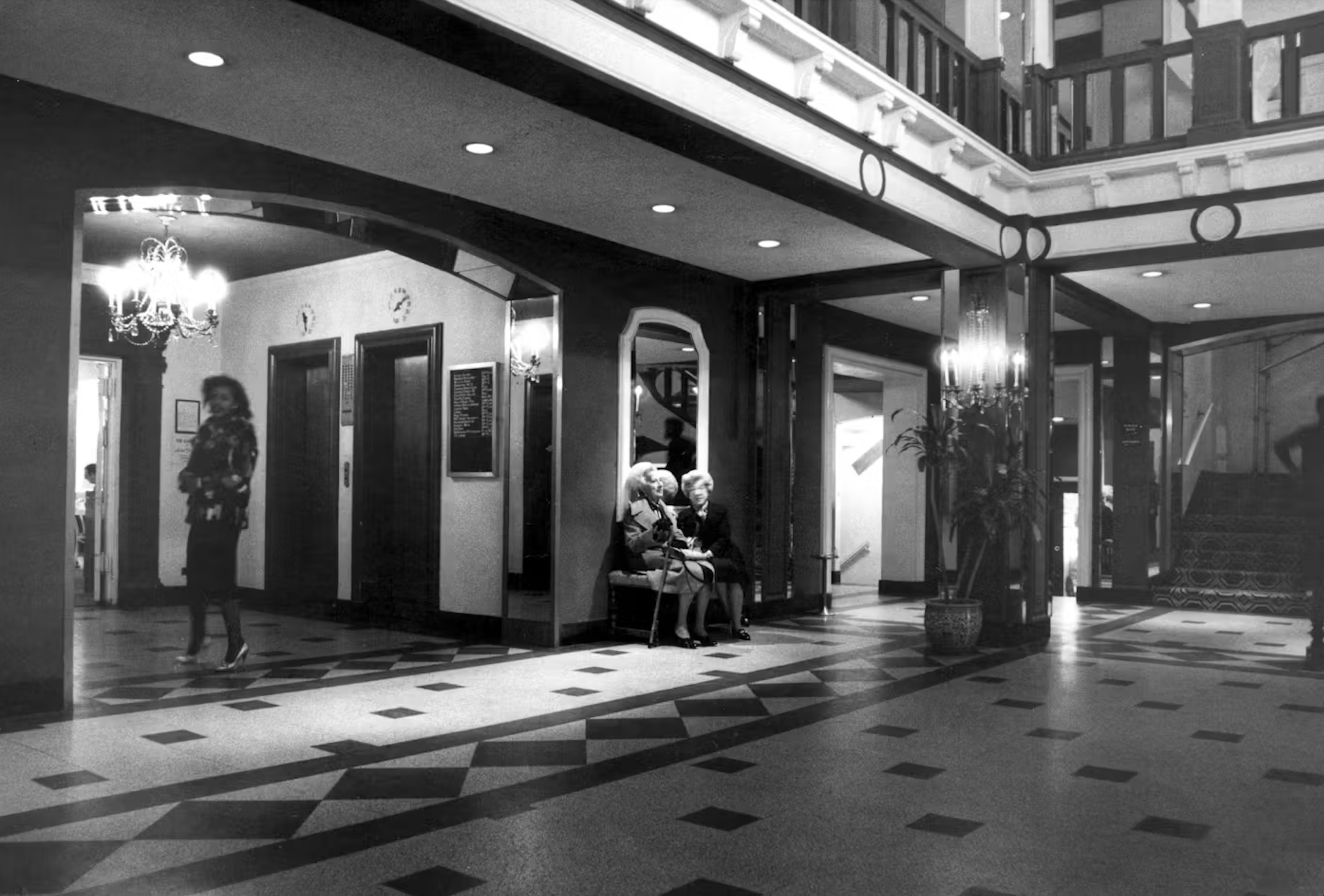
Photo Credit: Jack Manning/The New York Times
The residence quickly established itself as one of the most prestigious addresses in the city. At one point, it was advertised as “the most exclusive residence in New York,” attracting young women from across the country who arrived with talent, ambition, and a determination to make something of themselves.
Life inside the Barbizon balanced independence with strict rules. Residents were expected to adhere to a midnight curfew, and men were not permitted beyond the lobby. Yet for many women, these regulations were a small trade-off for the opportunity to live safely in Manhattan while pursuing careers and education.
Originally designed with artistic women in mind, the building offered residents access to a theater, art studios, and music rooms, creating an environment that encouraged creativity and self-improvement. Following the Wall Street Crash of 1929, however, the Barbizon broadened its appeal, welcoming not only aspiring actresses and artists but also secretaries, teachers, editors, and other professional women entering the workforce.
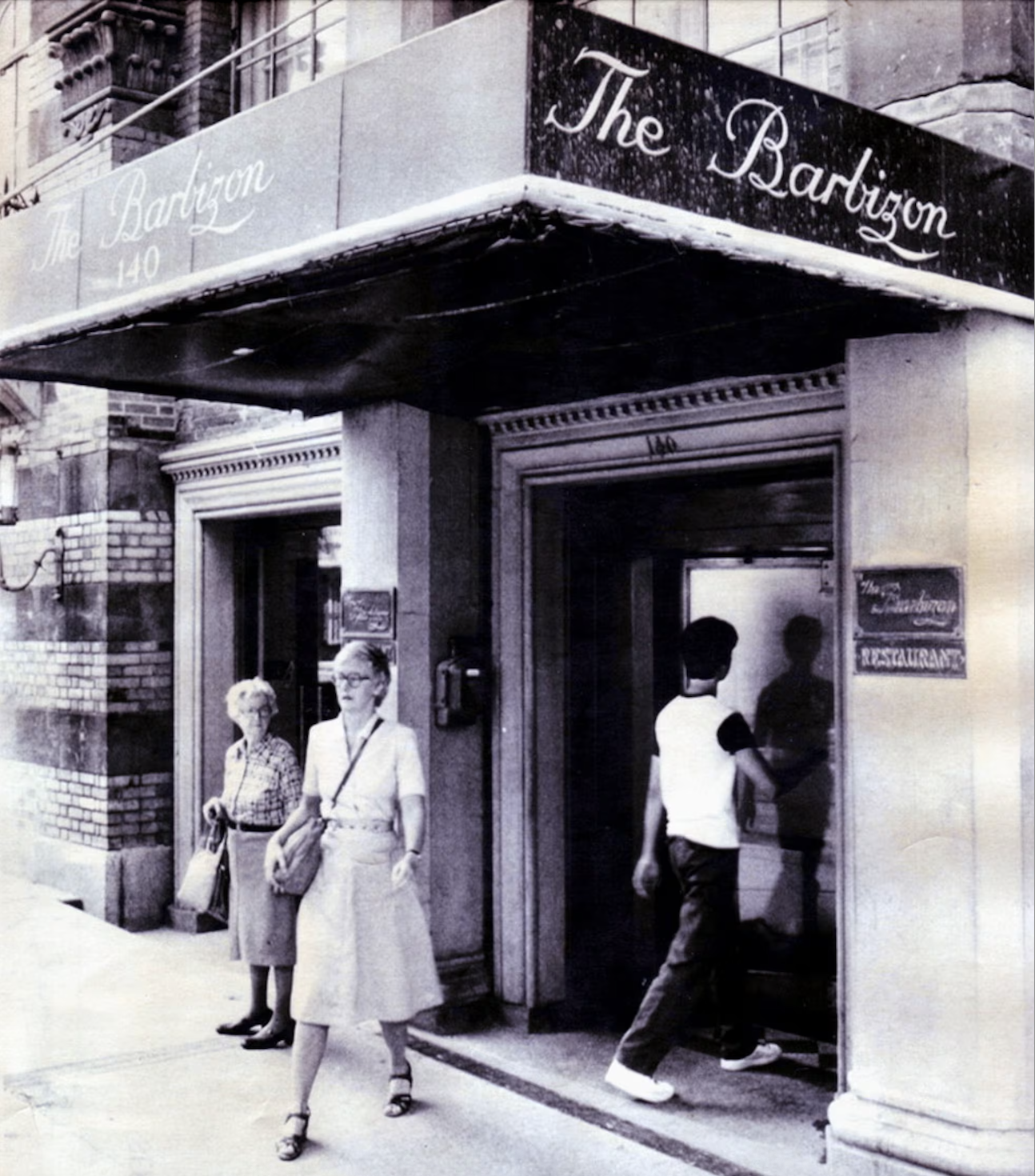
Photo Credit: Dave Pickoff/AP
The hotel’s influence extended far beyond its walls. During the 1930s, the prestigious Gibbs Secretarial School rented two floors of the building for its students, further cementing the Barbizon’s reputation as a launching pad for ambitious young women. The residence also developed close ties to the fashion industry and would eventually play a significant role in the world of modeling. Agencies, including Ford Models, frequently recruited from the Barbizon, helping transform hopeful young women into household names.
The Barbizon also became synonymous with one of publishing’s most coveted opportunities. For years, Mademoiselle magazine hosted its celebrated guest editor program there, inviting promising college women from across the country to spend a month working and living in New York. Among those participants was Sylvia Plath, whose experiences during her time at the Barbizon would later inspire portions of her novel, The Bell Jar.
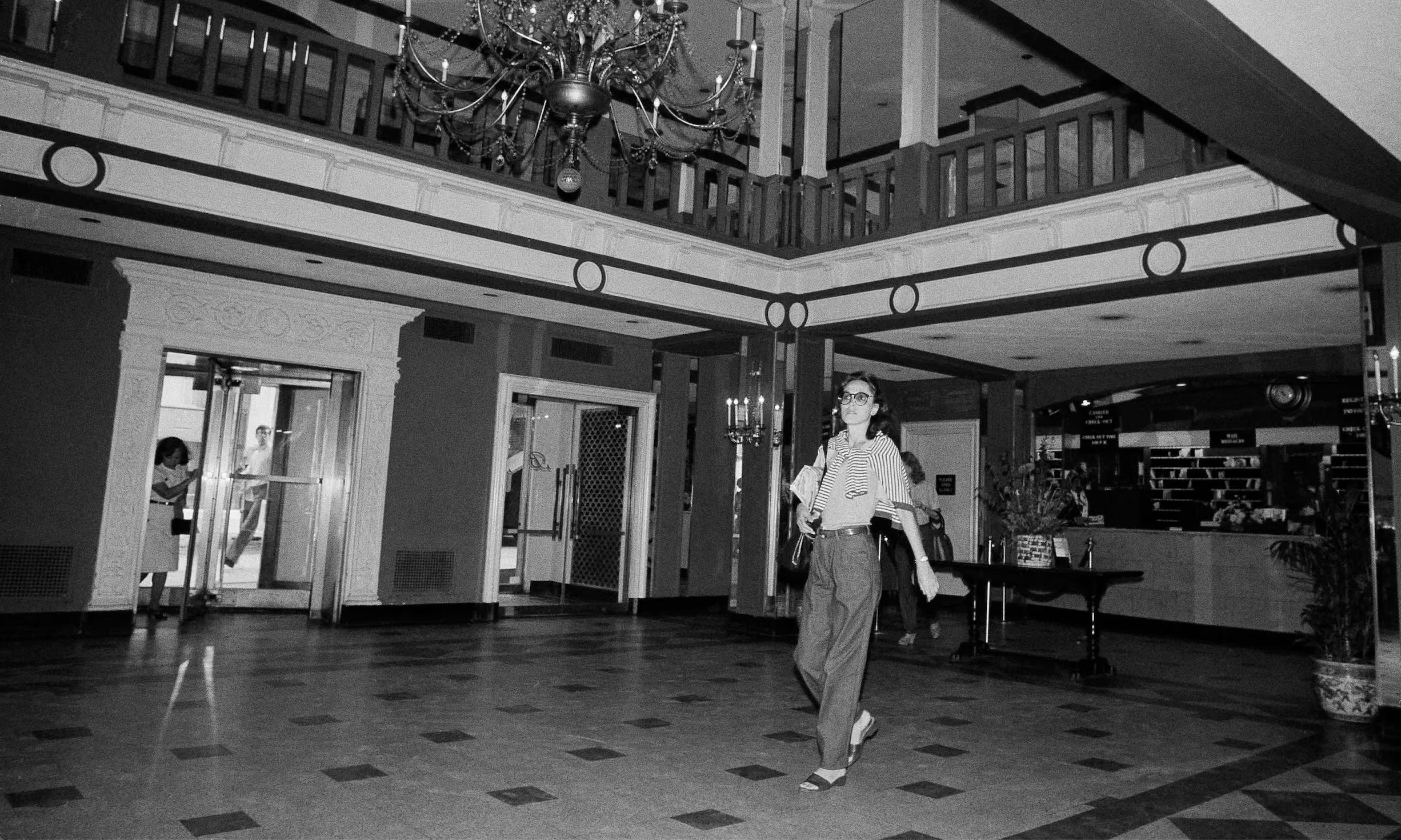
Photo Credit: Dave Pickoff/AP
Over the decades, the hotel welcomed an extraordinary roster of residents and guests. Grace Kelly, Joan Didion, Nancy Reagan, Sylvia Plath, and Phylicia Rashad all spent time there, joining generations of women who viewed the Barbizon not simply as a residence, but as a stepping stone toward the lives they imagined for themselves.
Today, the Barbizon remains one of New York’s most enduring symbols of female ambition. Long after its days as a women-only residence ended, its legacy continues to captivate those drawn to stories of glamorous beginnings, big dreams, and the women determined to make them come true.
The Philosophy of Big Hair in the 1980s: Power, Excess, and Glamour