
Jackie Kennedy’s Hairstylist Had a Front-Row Seat to Beauty, Power and Fame
By Alexus Mosley
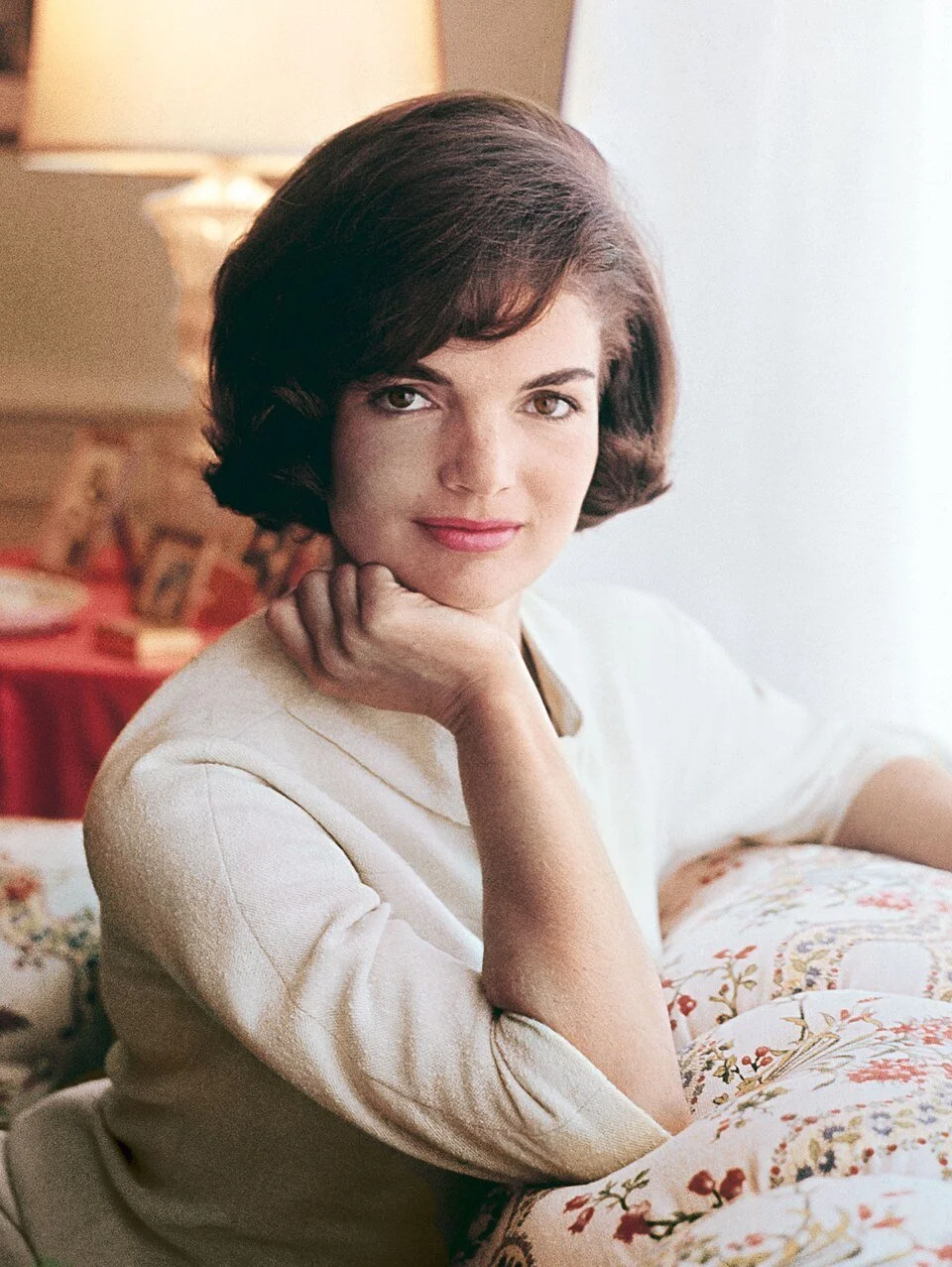
Photo Credit: Mark Shaw
Jackie Kennedy’s famous bouffant may have looked perfectly composed, but the salon chair behind it apparently heard far more than beauty secrets.
Celebrity hairstylist Peter Lamas is opening his archive in a new memoir, Jackie Kennedy’s Stylist, recounting a six-decade career that placed him behind some of the most recognizable women in fashion, Hollywood and American society. From Jackie Kennedy and Grace Kelly to Elizabeth Taylor, Audrey Hepburn and Diana Ross, Lamas went beyond styling famous women, occupying the unusually intimate space between their public image and private lives.
Lamas would arrive in New York from Cuba as a teenager, eventually earning an apprenticeship with Vidal Sassoon and Paul Mitchell before joining Kenneth Battelle’s legendary salon. Battelle’s clientele included the sort of women whose hairstyles became cultural shorthand, making the salon as much a gathering place for high society as a beauty destination.
It was here that Lamas would first cross paths with Jackie Kennedy.
One day, Battelle, who was closely associated with Kennedy’s signature bouffant, asked Lamas to fill in when he was unavailable. Lamas recalled being nervous (understandably so), but apparently Jackie liked the results. He began styling her whenever Battelle couldn’t before becoming a more regular presence in her beauty routine.
That relationship grew particularly useful once photographers made ordinary salon visits increasingly difficult for Jackie. Lamas was willing to travel, and his scissors eventually followed her all the way to Greece for her 1968 wedding to Aristotle Onassis.
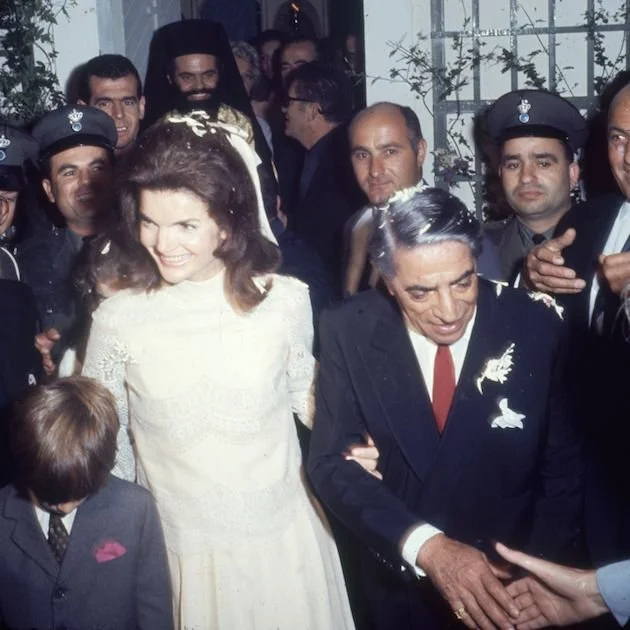
Jack Garofalo/ Paris Match Archive/Getty Images
In the memoir, Lamas writes about noticing a shift between the woman he knew as Jackie Kennedy and the woman who emerged as Jackie O. The former first lady had always been composed and self-aware, he recalled, but marriage to Onassis seemed to usher in a new chapter.
The hair changed with her, too.
Jackie’s beauty image remains one of the most recognizable of the 20th century: controlled volume, polished silhouettes and an effortless-looking sophistication that required considerably more work than it advertised. Lamas’s account offers a glimpse at the machinery behind that image, from house calls to the trust required to let someone repeatedly shape the way the world sees you.
That trust, he says, eventually extended beyond beauty.
According to Lamas, Jackie once spoke to him while he was doing her hair for an event honoring President Kennedy’s legacy and shared her thoughts about her husband’s assassination. Lamas recalls Jackie telling him she did not believe Lee Harvey Oswald killed President Kennedy. He also says she expressed suspicions about Marilyn Monroe’s death.
Lamas’s recollections of a private conversation many years ago illustrate just how personal the stylist-client relationship had become.
Lamas describes hairstylists as something between confidants and therapists. Before the photograph, before the event, and before the mask goes on entirely, few professional relationships involve so much physical closeness, repetition, and vulnerability.
That intimacy would appear throughout Lamas’ career.
Working among the glamazons who helped define modern beauty, such as Grace Kelly, Elizabeth Taylor, and Audrey Hepburn, his stories make Jackie Kennedy’s Stylist sound less like a conventional celebrity tell-all and more like a memoir about what happens just outside the spotlight.
Fashion and beauty history often focuses on the woman in the centrefold, missing the people responsible for constructing those images, who were frequently close enough to witness everything the camera missed.
Lamas was there for decades, standing scissors in hand.