
How Rolex and Tennis Became the Perfect Match
By Alexus Mosley
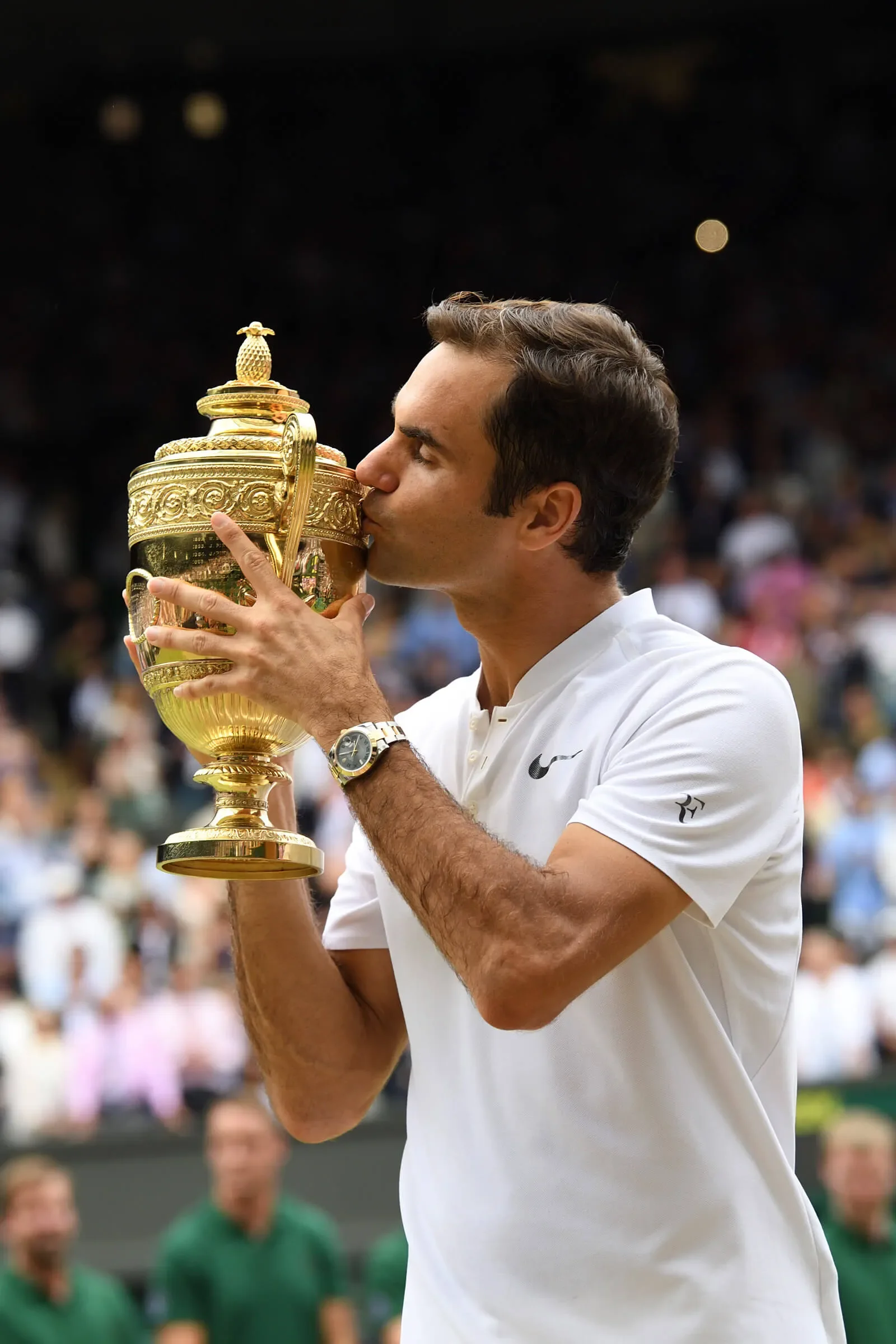
Photo Credit: Clive Brunskill/Getty Images
Look closely at almost any of tennis’ grandest stages, and you’ll find a familiar little gold crown keeping watch over the court. At Wimbledon, it sits against the tournament’s unmistakable green. At the US Open, it overlooks the electric atmosphere of Arthur Ashe Stadium. Travel to Melbourne for the Australian Open or Paris for Roland-Garros and there it is again: Rolex.
At this point, the Swiss watchmaker’s presence in tennis feels less like traditional advertising and more like part of the sport’s culture. But that association was built over nearly half a century, beginning with one of the most prestigious tournaments in the world.
In 1978, Rolex became the Official Timekeeper of Wimbledon, beginning an enduring relationship with professional tennis. It’s difficult to imagine a more appropriate starting point. Founded in 1877, Wimbledon is the world's oldest tennis tournament, and tradition remains central to its identity. The grass courts, predominantly white player dress code and carefully preserved rituals have helped make Wimbledon as much a cultural institution as a sporting event. Rolex operates in much the same territory.
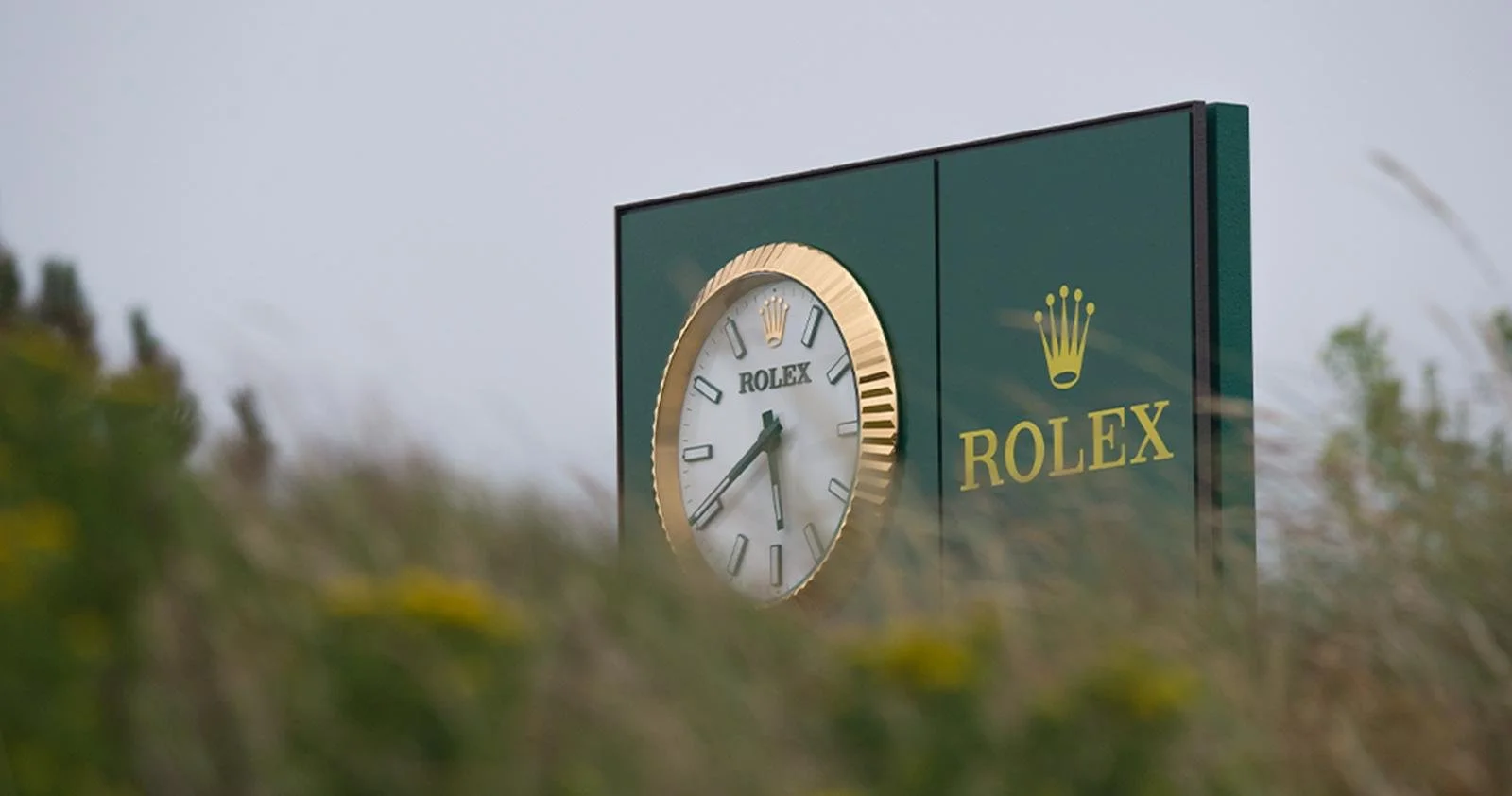
Photo Credit: Getty Images
The company has spent generations selling more than watches. A Rolex represents craftsmanship, longevity, achievement and entry into a particular world of prestige. Wimbledon presented an opportunity for the company to place its crown alongside a sporting institution that already speaks the same language. And it worked. But Rolex didn’t stop with Centre Court. The company became the Australian Open’s Official Timekeeper in 2008, followed by the US Open in 2018 and Roland-Garros in 2019. That year marked the first time Rolex partnered with all four Grand Slam tournaments.
Today, its tennis portfolio extends even further with Rolex serving as the Official Timekeeper of both the ATP and WTA, maintaining relationships with major competitions throughout the professional game.
That ubiquity has accomplished something powerful from a branding perspective.
Few sports have been quite as successful at making athleticism look elegant.
There are the crisp tennis whites, pleated skirts, tennis bracelets, and celebrities photographed courtside. Tennis occupies an unusual place where sport, fashion, wealth, celebrity, and tradition comfortably coexist. Fashion brands are eager to borrow the sport’s aesthetic, making it especially fertile territory for luxury.
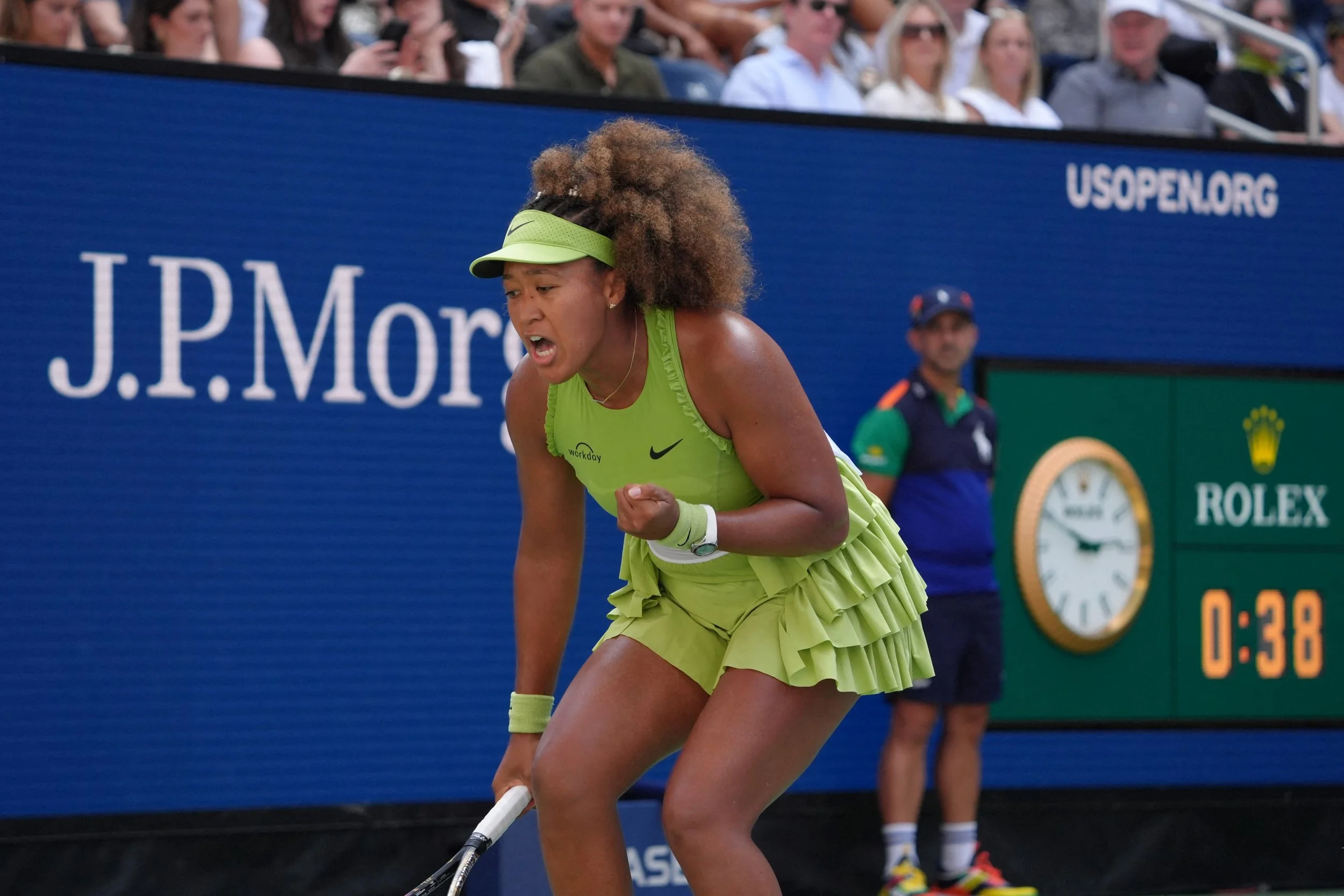
Photo Credit: Timothy A. Clary/ AFP / Getty Images
Rolex’s presence doesn’t feel particularly jarring beside the manicured lawns of Wimbledon because the two institutions communicate many of the same ideas of precision, discipline, heritage and excellence. Even time itself matters enormously to both.
Watchmaking is built around precision, whereas tennis is a sport in which fractions of seconds can determine whether a player reaches a ball, mistimes a swing or produces the shot that changes a championship. It’s difficult to engineer better brand compatibility.
Rolex has also understood that tournaments are only half of tennis’ mythology. The other half belongs to the people holding the rackets.
Over the years, its tennis relationships have included champions such as Rod Laver, Björn Borg, Chris Evert and Roger Federer. In fact, Rolex says Evert became its first female tennis Testimonee in 1978, the same year its Wimbledon relationship began.
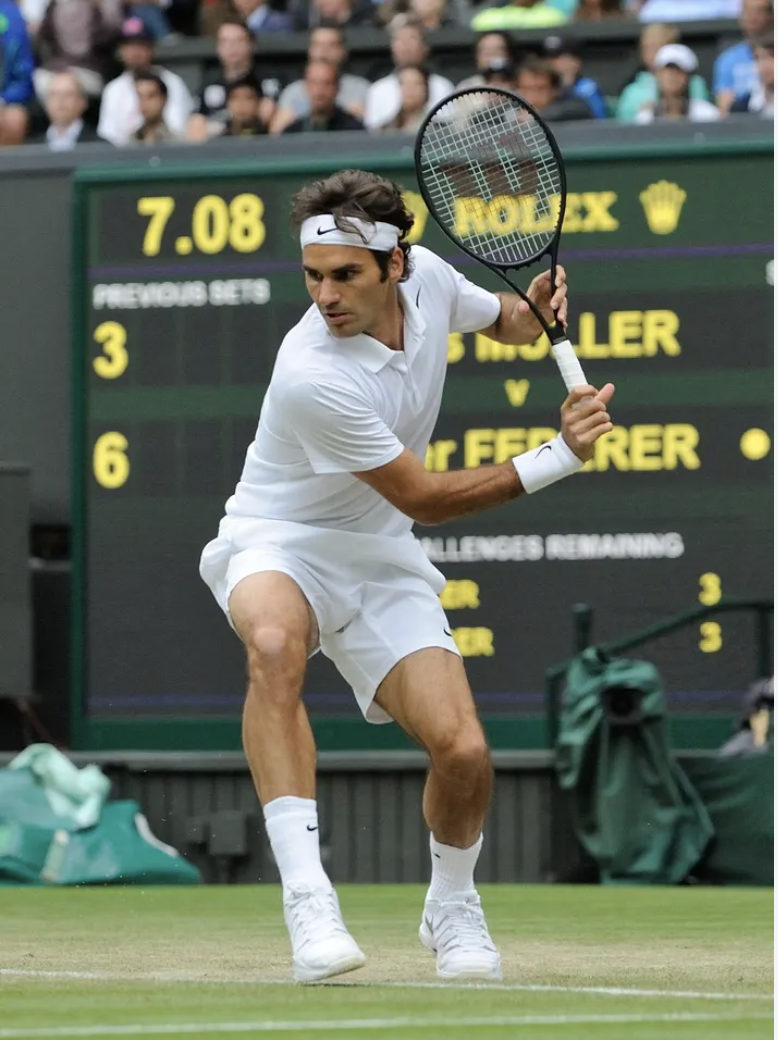
Federer would eventually become particularly intertwined with the brand.
Andy Rain/European Pressphoto Agency
There was something almost tailor-made about the pairing. His game became famous for making extraordinary athleticism appear effortless, while his public image carried an elegance that traveled easily beyond the tennis court and into the luxury world.
The strategy has continued into newer generations. Rolex’s current tennis storytelling features champions including Carlos Alcaraz, Jannik Sinner, Coco Gauff and Iga Świątek, allowing the company to maintain its association with tennis excellence even as the sport’s stars change.
That’s an important part of why the partnership has endured. Rolex attached itself to tennis rather than depending upon a single tennis player. The brand did not simply sponsor a popular sport. It chose a world that already reflected the qualities Rolex wanted associated with its watches. Every Centre Court final, championship trophy, and perfectly kept scoreboard reinforces a story the company has spent generations telling: excellence is earned, tradition matters, and precision never goes out of style.
Champions retire, but the tournament continues.