
65 Years Later, Breakfast at Tiffany’s Is Still a New York Fashion Fantasy
By Alexus Mosley
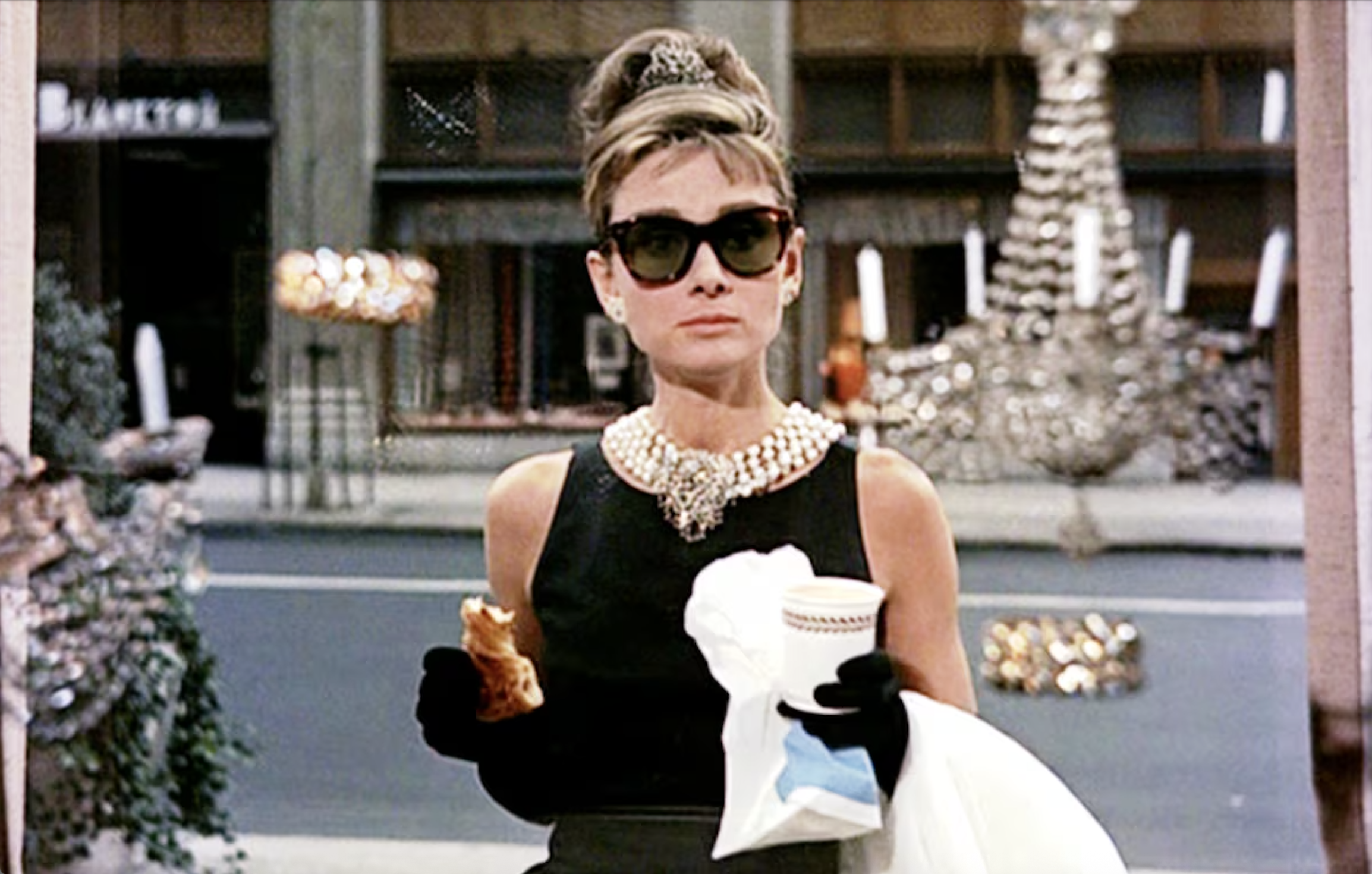
Photo Credit: Paramount Pictures
Sixty-five years ago today, a taxi pulled up to Tiffany & Co. on Fifth Avenue and out stepped Audrey Hepburn in a floor-length black Givenchy dress, pearls, opera gloves, and oversized sunglasses. With a coffee and pastry in hand, Holly Golightly peered through the windows of the famed jeweler and, in a matter of minutes, gave us one of fashion and film’s most enduring images.
Breakfast at Tiffany’s premiered at New York’s Radio City Music Hall on October 5, 1961. Six and a half decades later, the film remains more than a romantic comedy or a snapshot of 1960s Manhattan. It is a fashion fantasy about the kind of woman New York has always promised you could become.
Holly Golightly’s wardrobe is almost inseparable from the character herself. Hubert de Givenchy created Hepburn’s principal wardrobe for the film, continuing a creative relationship that had already helped establish the actress as one of Hollywood’s great style figures. Hepburn even stipulated in her contract that Givenchy design her clothes for Breakfast at Tiffany’s.
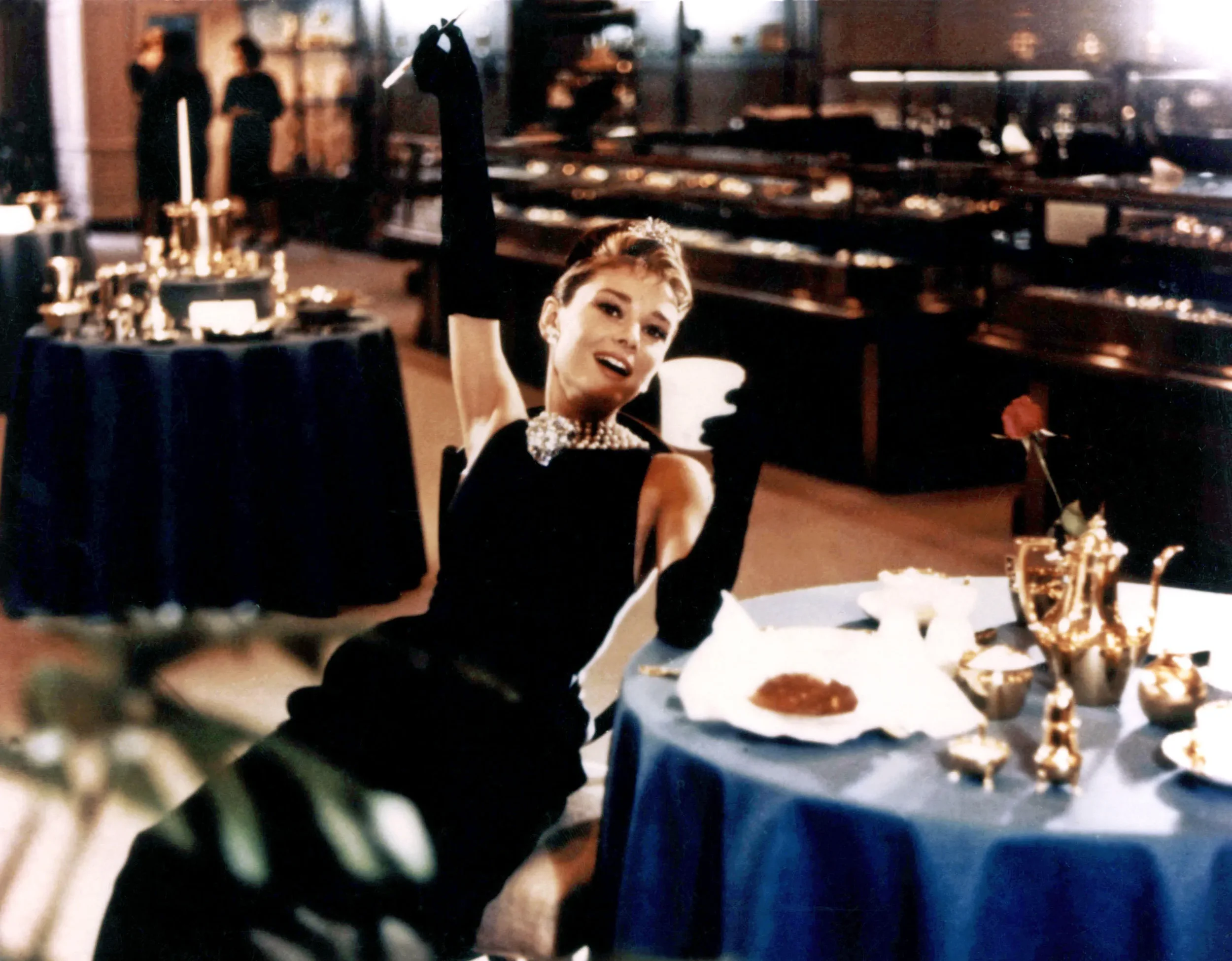
Photo Credit: Paramount Pictures
And then there is the dress. Black satin and long gloves, pearls, with oversized, softened cat-eye dark tortoiseshell sunglasses that delicately frame Hepburn’s angelic heart-shaped. Atop her head is a perfectly perched updo topped with a tiny tiara.
The opening Givenchy look has become so recognizable that you hardly need to have seen the movie to know exactly who Holly Golightly is. In 2006, the iconic black Givenchy column dress sold at a Christie’s auction for $920,00 with proceeds a charity dedicated to impoverished children in India. More than six decades after its screen debut, the look continues to be referenced by designers, celebrities and fashion editorials.
But reducing Holly’s wardrobe to one little black dress misses much of the fun. There are a multitude of oversized hats, kitten heels, and cocktail dresses. And let us not forget the vibrant burnt orange double-breasted coat that Holly wears on a day out with Paul, where they flirt and shoplift masks from a drugstore. Even Holly’s more casual clothes retain the effortless polish that became synonymous with Hepburn. A trench coat worn with a headscarf and sunglasses. Slim black trousers and flats. The wardrobe moves between uptown elegance and downtown ease in a way that still feels remarkably familiar.
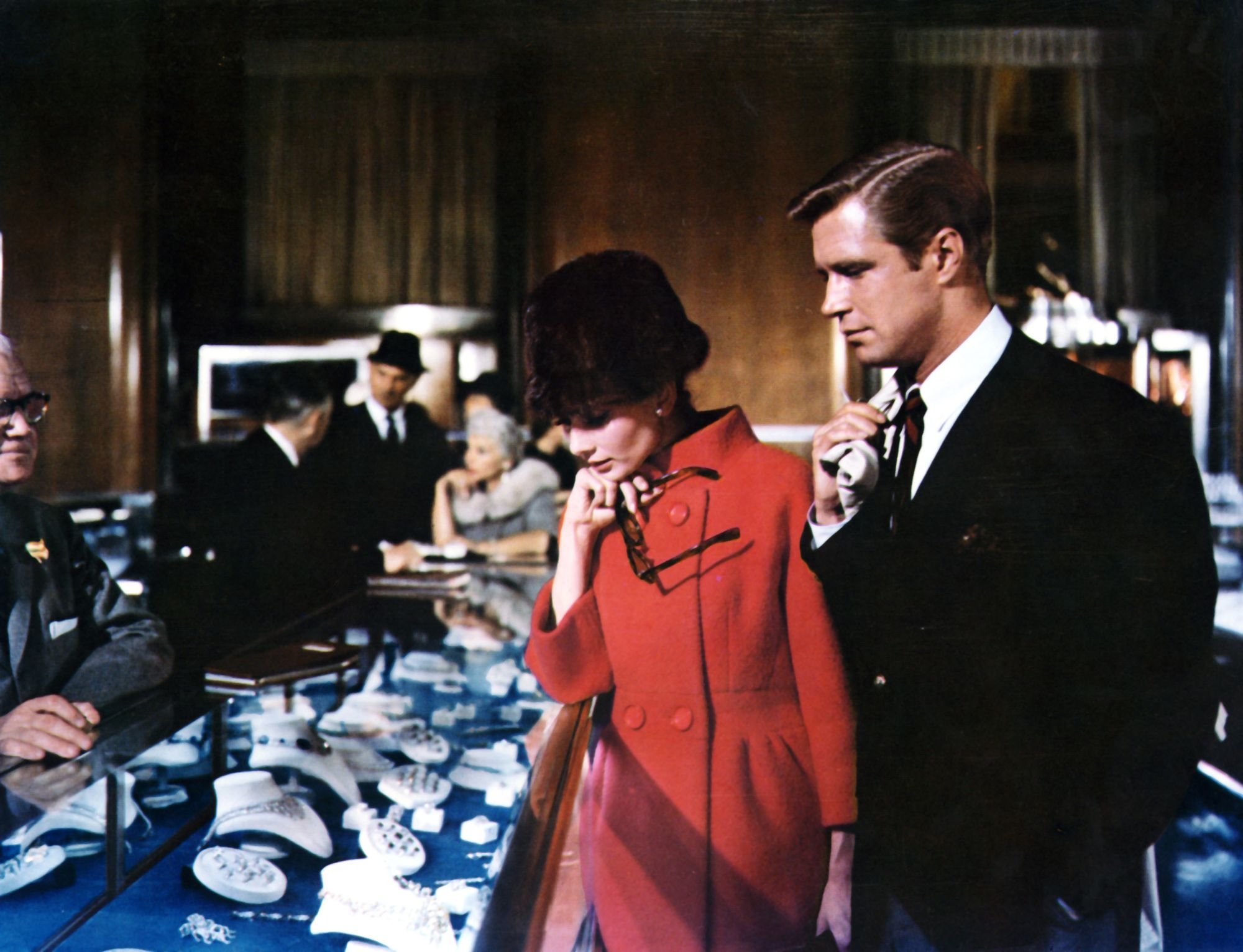
Photo Credit: Paramount Pictures
Part of Holly Golightly's enduring appeal is that the glamour is, to some extent, invented. She has reconstructed herself, burying all remnants of her past life as Lulamae Barnes. Her clothes playing a major role. Fashion becomes part of Holly’s transformation into the sophisticated Manhattan woman she wants the world to see. The pearls, Givenchy dresses, and enormous sunglasses aren’t merely beautiful things. They’re part of the mythology she creates around herself. And perhaps that’s why the movie remains such potent fashion inspiration. Holly’s style isn’t really about dressing like a woman from 1961. It’s about the delicious possibility of dressing like the woman you have decided to become.
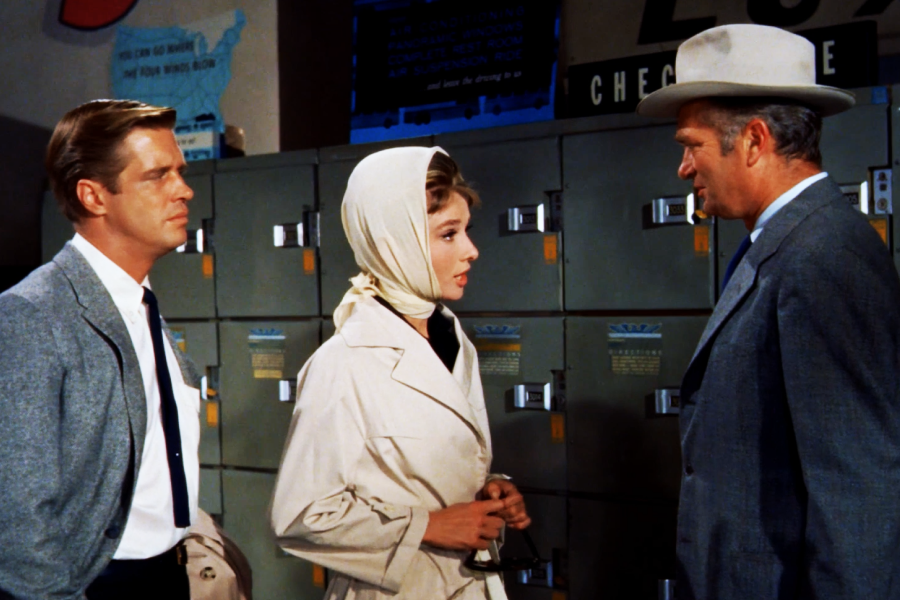
Photo Credit: Paramount Pictures
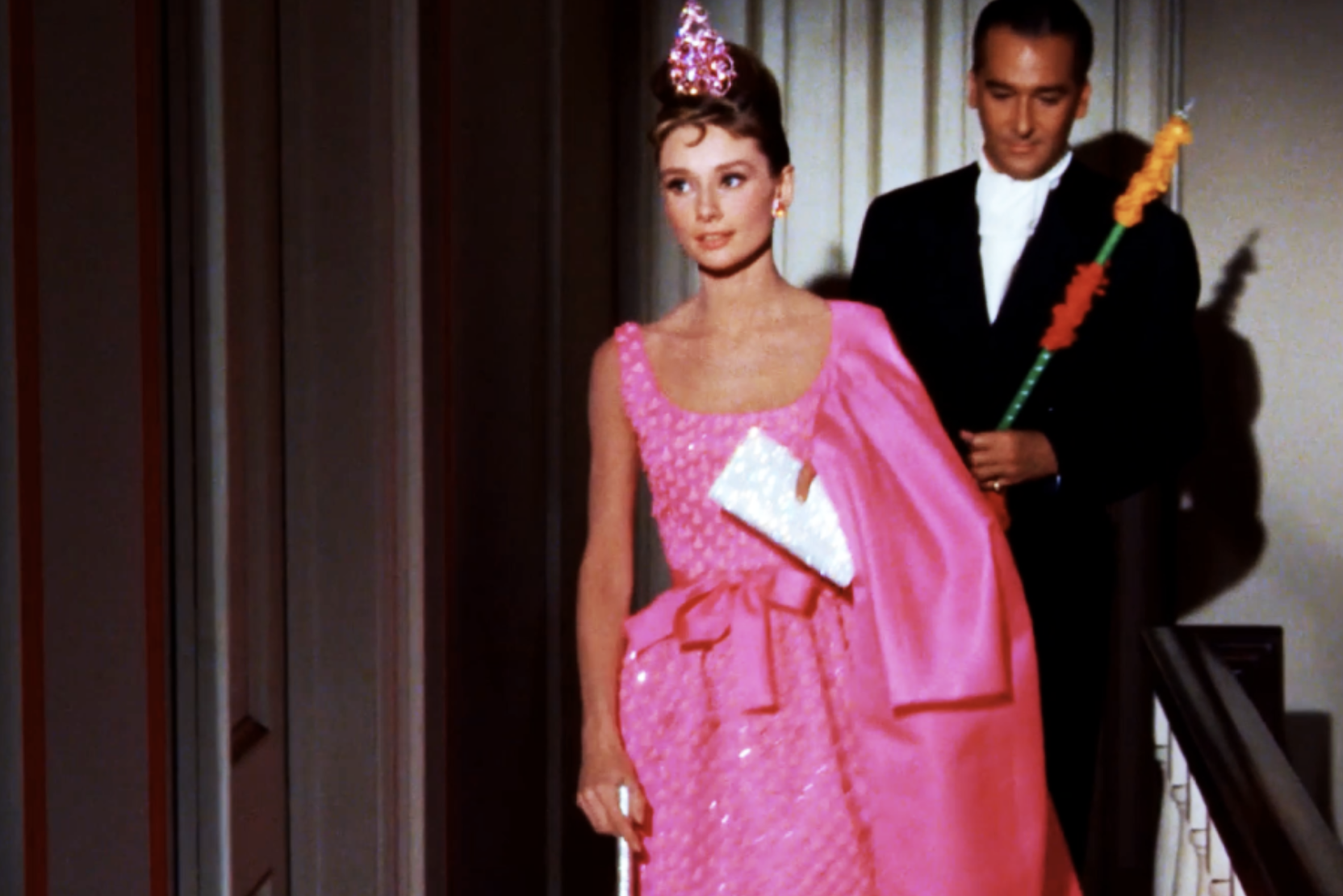
Photo Credit: Paramount Pictures
While Givenchy is half of the fantasy, the other half is, of course, New York. Fifth Avenue before breakfast, yellow taxis, brownstones, and cocktail parties crowded with eccentric guests. The late nights, fire escapes, and tiny apartments occupied by people dreaming of much bigger lives. Breakfast at Tiffany’s presents Manhattan less as a setting than as an accessory.
The city gives Holly somewhere to perform the identity she has created. Tiffany & Co., in particular, becomes her symbol of permanence and possibility. Romanticized as a beautiful place where, in her imagination, nothing bad could happen. That vision proved remarkably powerful. Decades later, Tiffany & Co. would make the film’s fantasy literal by introducing an actual dining experience at its Fifth Avenue flagship.
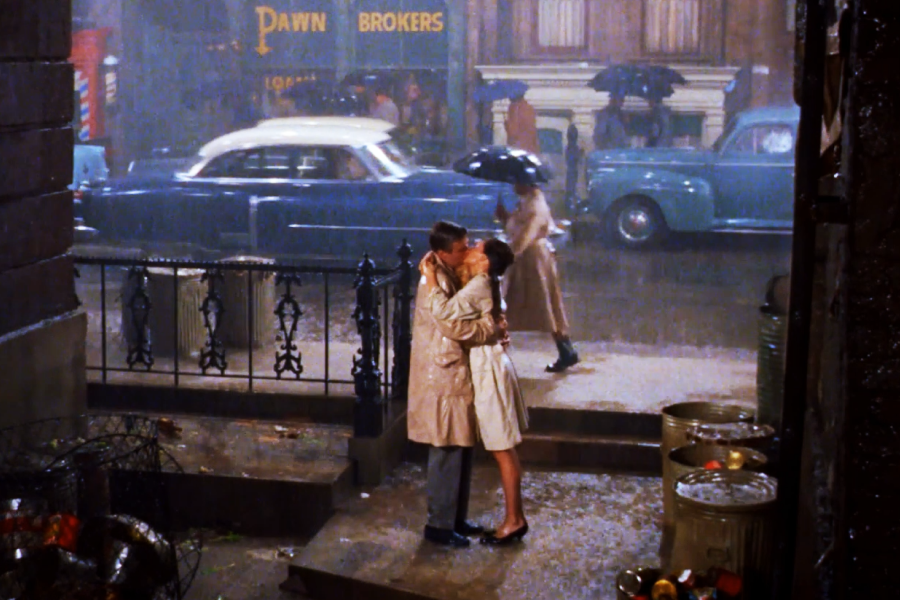
Photo Credit: Paramount Pictures
Fashion has changed enormously since 1961, yet Holly Golightly remains everywhere. You can see her in the continued obsession with the little black dress, ballet flats, oversized sunglasses, and headscarves. You see her whenever a designer sends an Audrey-inspired look down the runway or in generations of women who arrive in New York determined to invent a more glamorous version of themselves.
That’s the extraordinary thing about Breakfast at Tiffany’s. Sixty-five years later, it still sells the same irresistible New York proposition: put on the dress, hail the taxi, and become whoever you came here to be.