
What Even Is Haute Couture
By Alexus Mosley
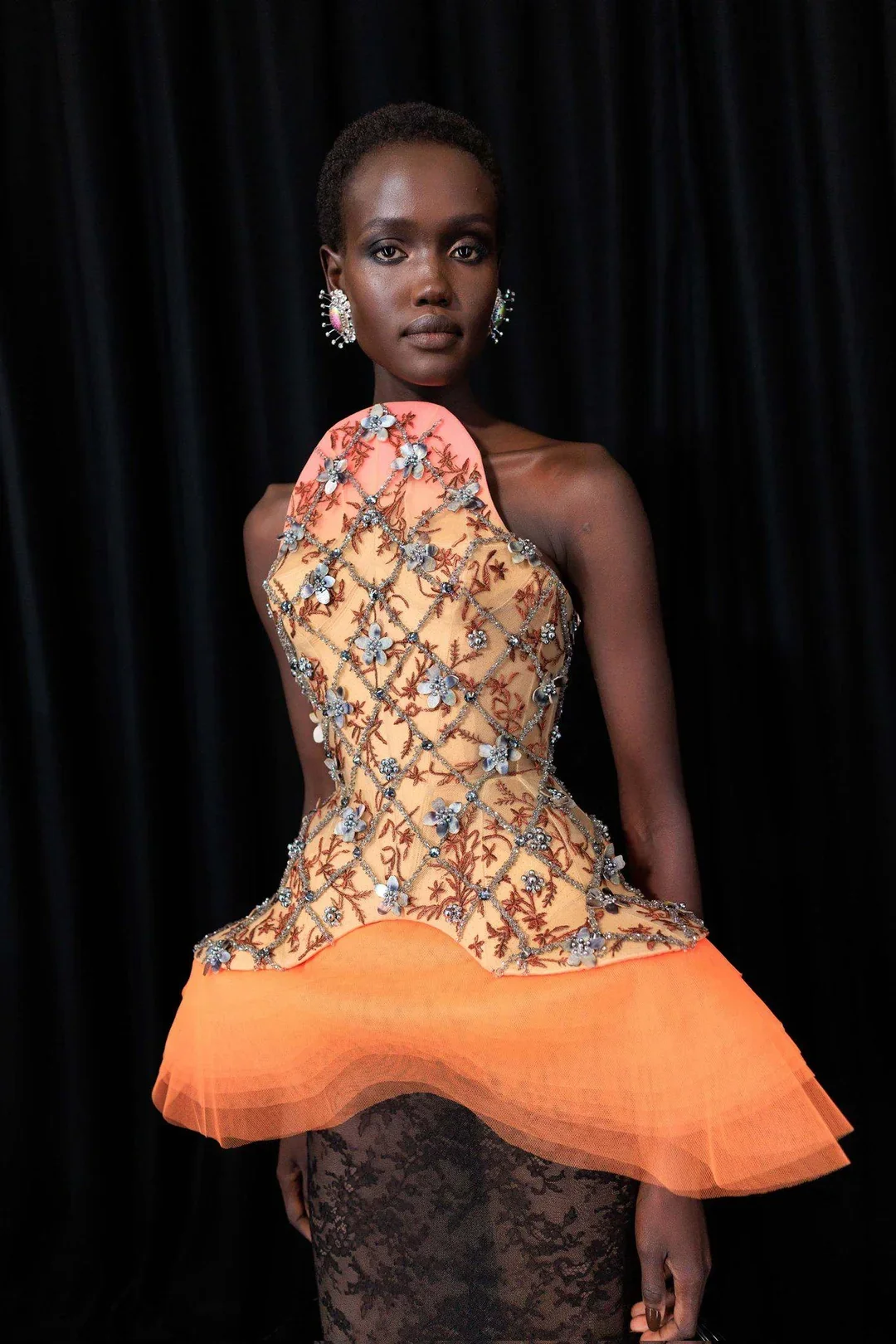
Schiaparelli Spring/Summer 2026 Haute Couture
Have you ever watched a couture show and thought, “This is beautiful, but what exactly am I looking at?” If so, you’re not alone. Haute couture is one of fashion’s most talked-about concepts, but also one of its most misunderstood.
The first thing to note is that not everything labeled “couture” is actually couture. The term is often used loosely, but true haute couture is a legally protected designation governed by the Chambre Syndicale de la Haute Couture in Paris, and participation is invite-only. The tradition dates back to the mid-19th century and is widely credited to Charles Frederick Worth, often referred to as the father of haute couture. In 1911, the Chambre Syndicale was formally established, and many of Worth’s original principles are still upheld today. And those principles are… exacting to say the least.
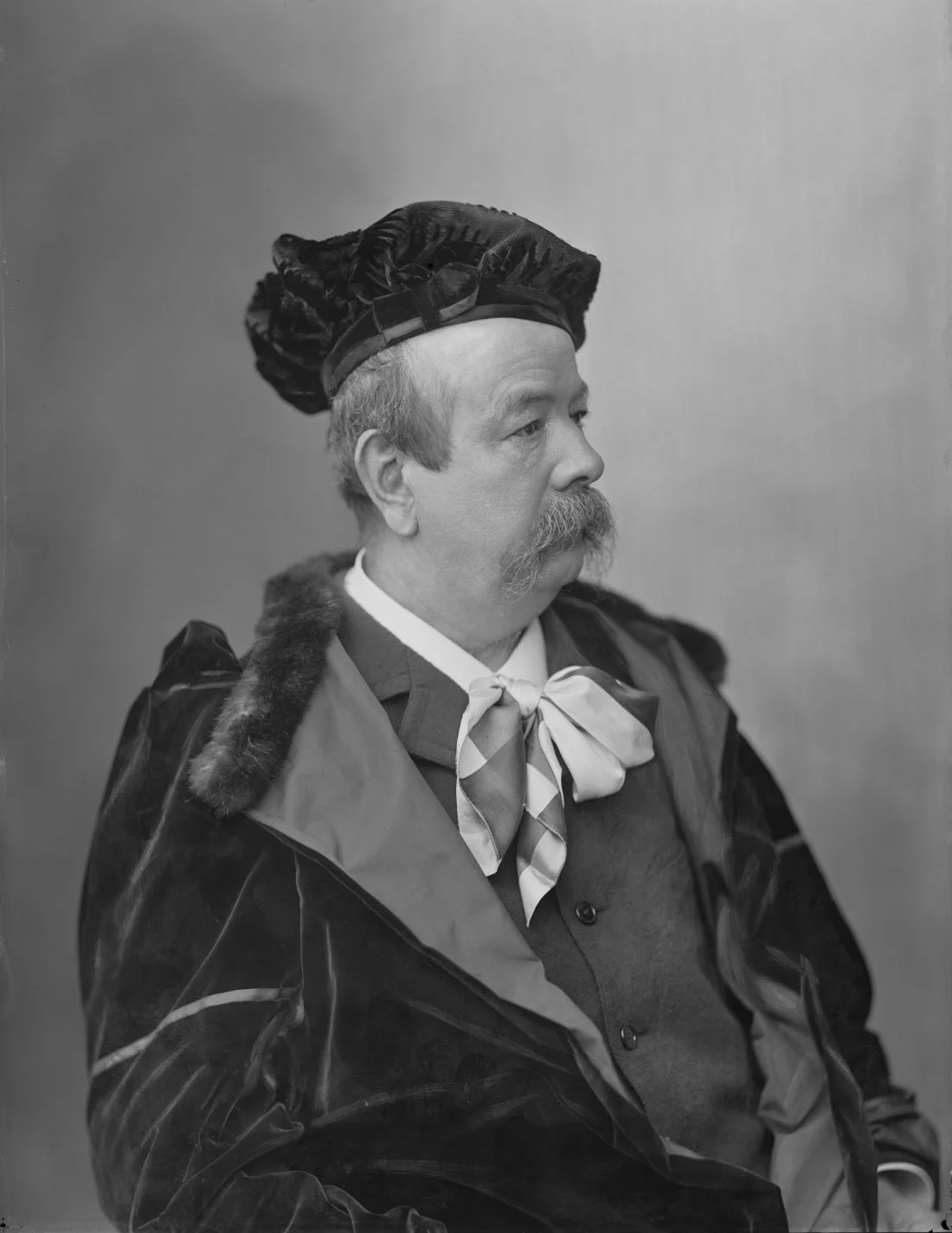
Charles Frederick Worth, 1892
To qualify as an official haute couture house, a brand must maintain an atelier in Paris with at least 15 full-time employees. At least one workshop must employ a minimum of 20 technical artisans, and every piece must be made-to-order for private clients, often requiring multiple fittings. In other words, haute couture isn’t just a high price tag; it’s defined by process.
Each January and July, couture houses present their collections during Haute Couture Fashion Week in Paris. These shows exist on their own schedule, separate from ready-to-wear, and feature at least 50 original designs, from daytime looks to eveningwear. The audience is just as exclusive, open only to editors, buyers, clients, and a carefully curated group of industry insiders. Because of these strict requirements, only a small number of fashion houses qualify at any given time. Even the most well-known luxury brands don’t automatically make the cut.
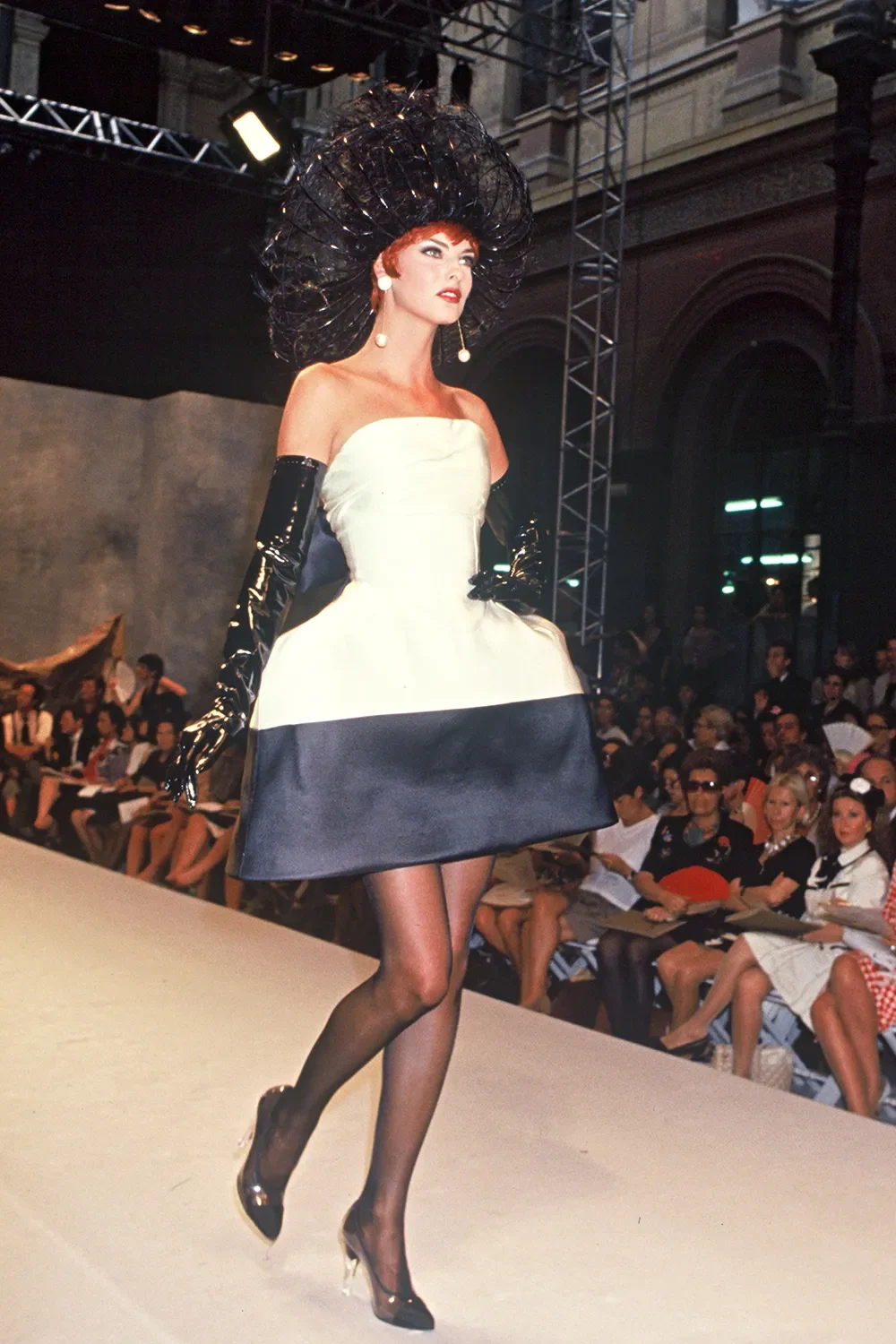
Linda Evangelista at the 1992 Chanel Haute Couture show.
Haute couture garments are created entirely by hand by some of the most skilled artisans in the world. Unlike ready-to-wear, which is produced in standard sizes and larger quantities, couture pieces are one-of-a-kind. They’re designed for a specific client, constructed over hundreds of hours, and treated less like clothing and more like collectible works of art. Naturally, that level of detail comes at a cost.
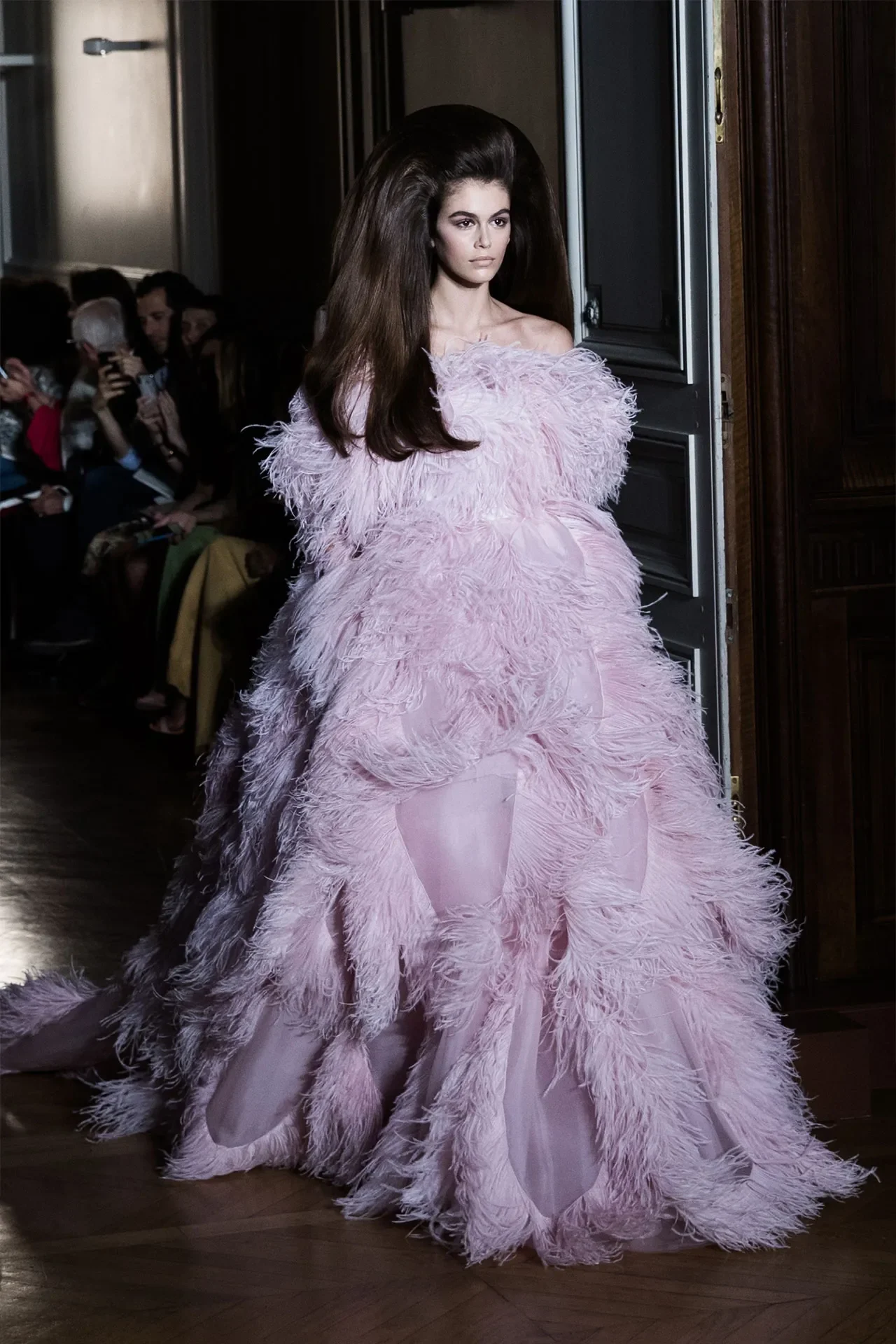
Kaia Gerber at the Valentino Haute Couture Fall/Winter 2018/2019 show
While luxury ready-to-wear might reach into the thousands, haute couture exists in an entirely different category. Prices can easily exceed $100,000 per piece, placing it firmly outside the realm of impulse buys and into the world of long-term investment. But beyond the rules, the price tags, and the exclusivity, couture serves a larger purpose. Less about necessity and more about imagination, couture exists somewhere between fashion and fantasy and remains one of the last places where fashion slows down, and artistry is what matters most.