
We Miss You Barneys: Remembering New York’s Most Legendary Department Store
By Alexus Mosley
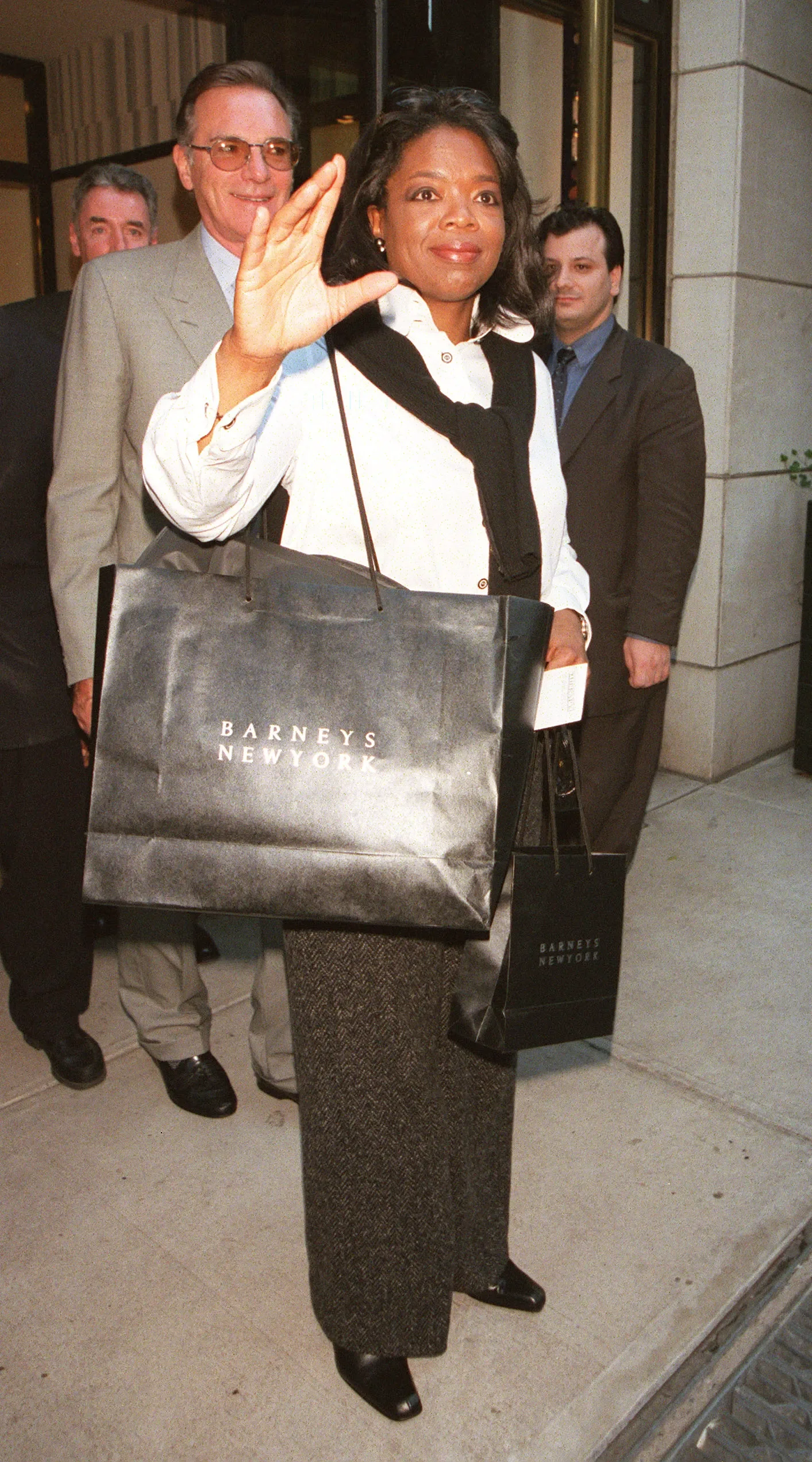
Oprah Winfrey shopping at Barneys New York (October 16, 1999)
Barneys New York served as the backdrop of countless hit shows throughout the ’90s and 2000s, acting as a glamorous refuge for some of television’s most fashionable women, from Friends’ Rachel Green to Sex and the City’s Carrie Bradshaw. But beyond the small screen, Barneys was more than a luxury department store. It was a true fashion mecca that helped define New York style culture for nearly a century.
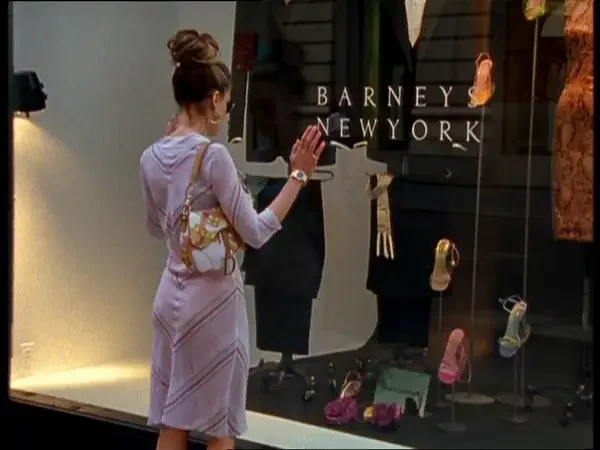
Carrie Bradshaw window-shopping at Barneys New York in Sex and The City, Season 3, Episode 5, titled "No Ifs, Ands or Butts."
Barneys New York began with a pawned engagement ring and a dream. In 1923, founder Barney Pressman used $500 he earned from pawning his wife’s ring to open a modest 500-square-foot men’s discount clothing store on Seventh Avenue in Manhattan’s Chelsea neighborhood. Originally called Barney’s Clothes, the tiny shop quickly became known for its discounted designer suits, clever marketing, and unforgettable slogan: “No Bunk, No Junk, No Imitations.” Long before fashion marketing became an industry of its own, Barney Pressman was already thinking like a showman. He purchased showroom samples, retail overstocks, and closeout pieces to sell at lower prices while offering free alterations and free parking to attract customers.
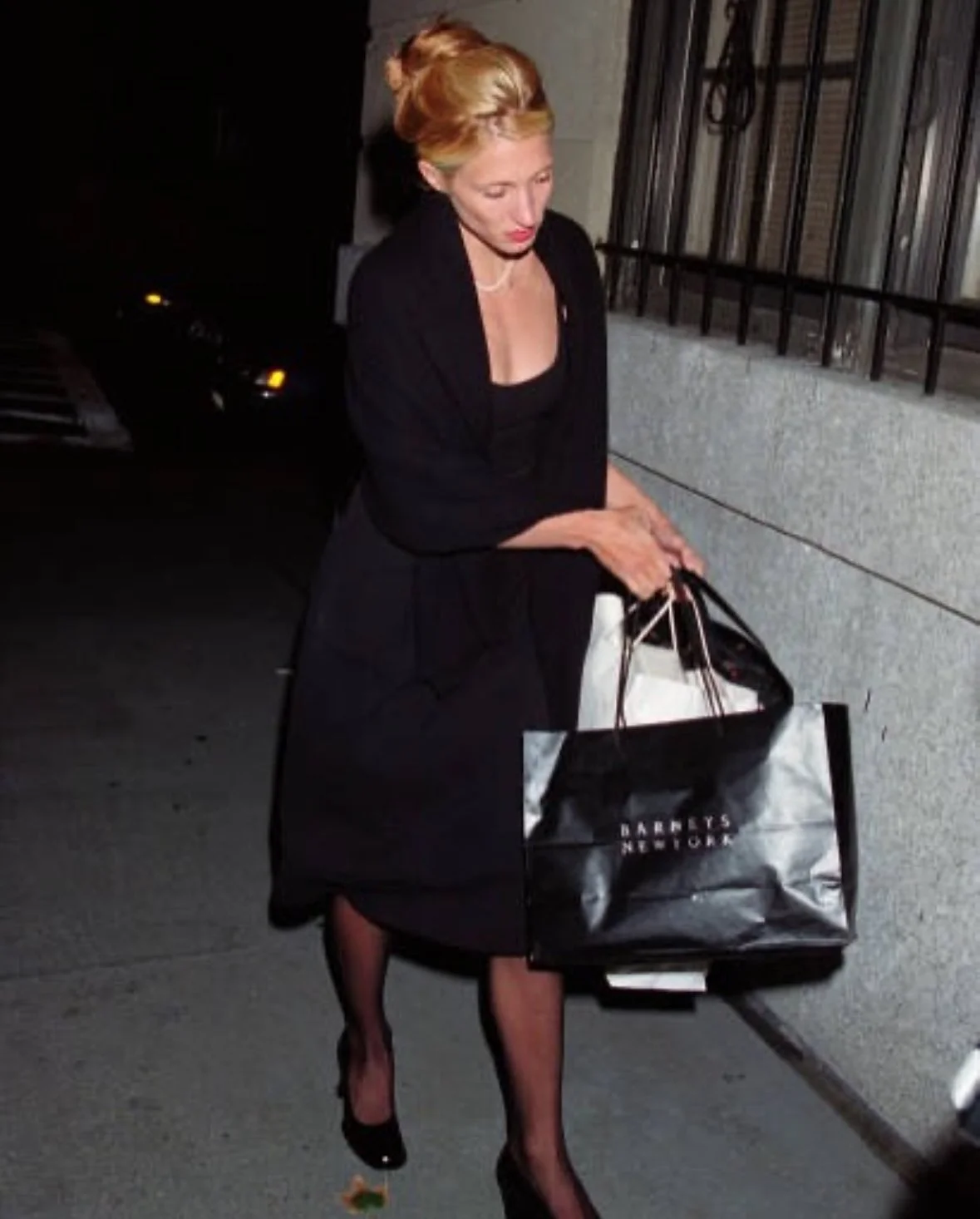
Carolyn Bessette-Kennedy carrying a Barneys’ bag on October 14, 1996.
Pressman also understood the power of publicity long before luxury branding became commonplace. In the 1930s, “Calling All Men to Barney’s” radio spots helped make the store a recognizable New York name, while over-the-top promotional stunts, including women encased in barrels handing out matchbooks, gave the retailer a flair for spectacle from the very beginning. The store’s first-of-its-kind approach quickly earned Barney Pressman appearances on television and radio, helping establish Barneys as a true New York personality.
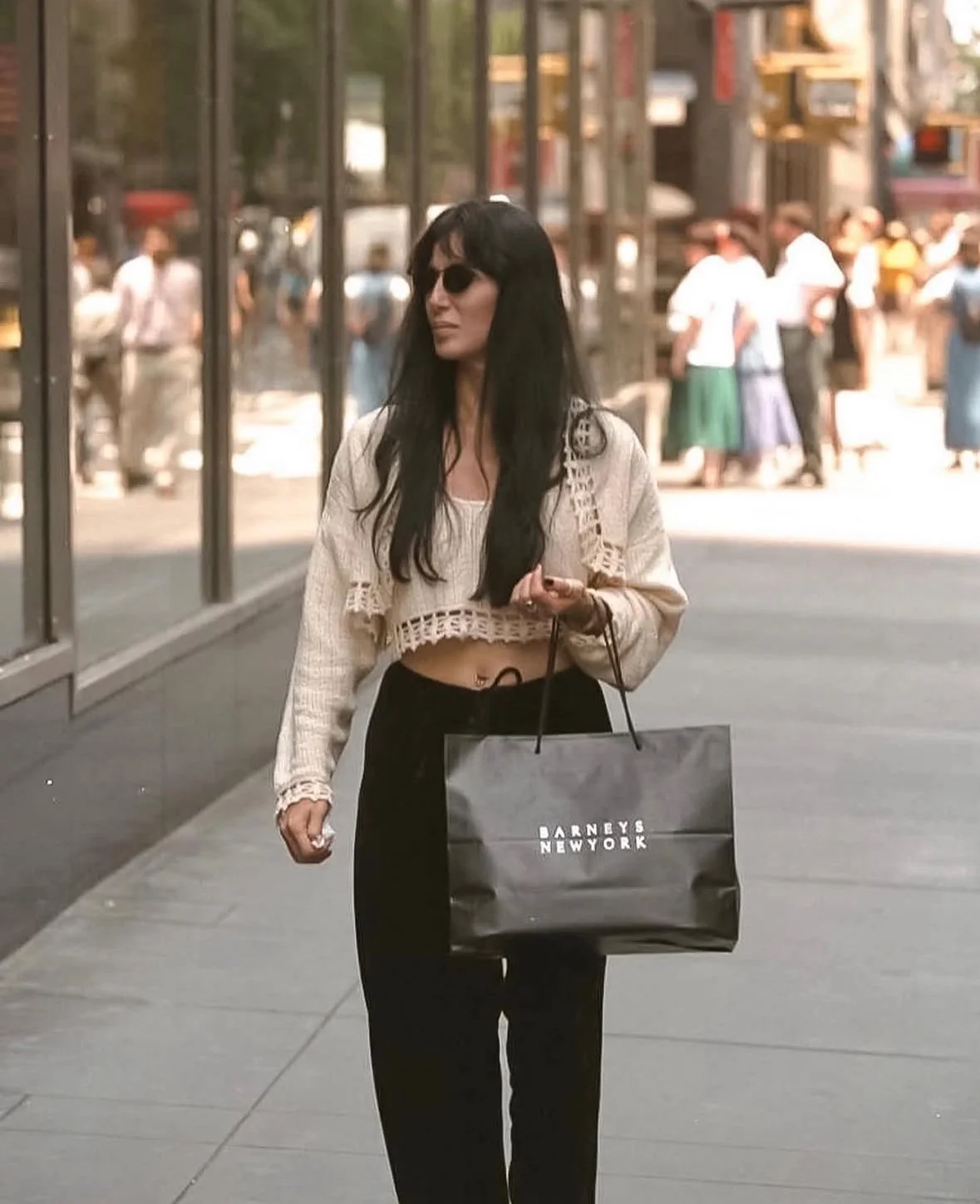
Cher shopping at Barneys in the late 1990s.
In the 1960s, Barney Pressman’s son Fred helped transition the business from a discount menswear retailer into the luxury fashion destination we remember today. Over the following decades, Barneys expanded into beauty, homewares, accessories, restaurants, and designer fashion labels that would eventually redefine American luxury retail. In 1981, the retailer officially dropped the apostrophe from its name, becoming simply Barneys, a name synonymous with fashion.
Under creative director and legendary window dresser Simon Doonan, Barneys transformed into one of fashion’s most theatrical destinations. The retailer became internationally known for its provocative, whimsical, and wildly imaginative holiday window displays, turning ordinary window shopping into a true New York fashion tradition.
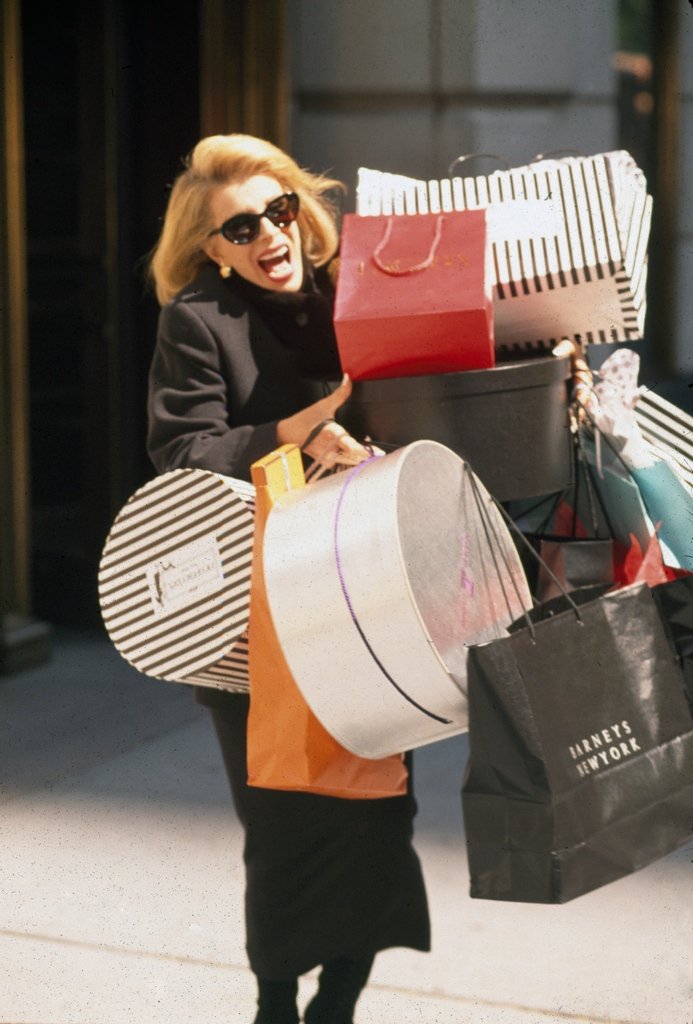
Joan Rivers carrying shopping bags, including Barneys’ bag.
By the late ’80s and ’90s, Barneys had become synonymous with New York fashion culture itself. The Madison Avenue flagship was an experience, complete with marble floors, gold-leaf ceilings, lacquered walls, and the famous Fred’s restaurant upstairs. Barneys represented a glamorous era of fashion where shopping still felt aspirational, artistic, and deeply tied to the identity of New York City. Celebrities, editors, models, socialites, and downtown creatives all passed through its doors, helping cement Barneys as the ultimate destination for the fashion-obsessed.
Eventually, however, changing shopping habits, rising rents, e-commerce competition, and years of financial struggles began catching up with the iconic retailer. After filing for bankruptcy multiple times throughout its history, Barneys officially filed for Chapter 11 bankruptcy in 2019 before permanently closing its remaining stores in early 2020.
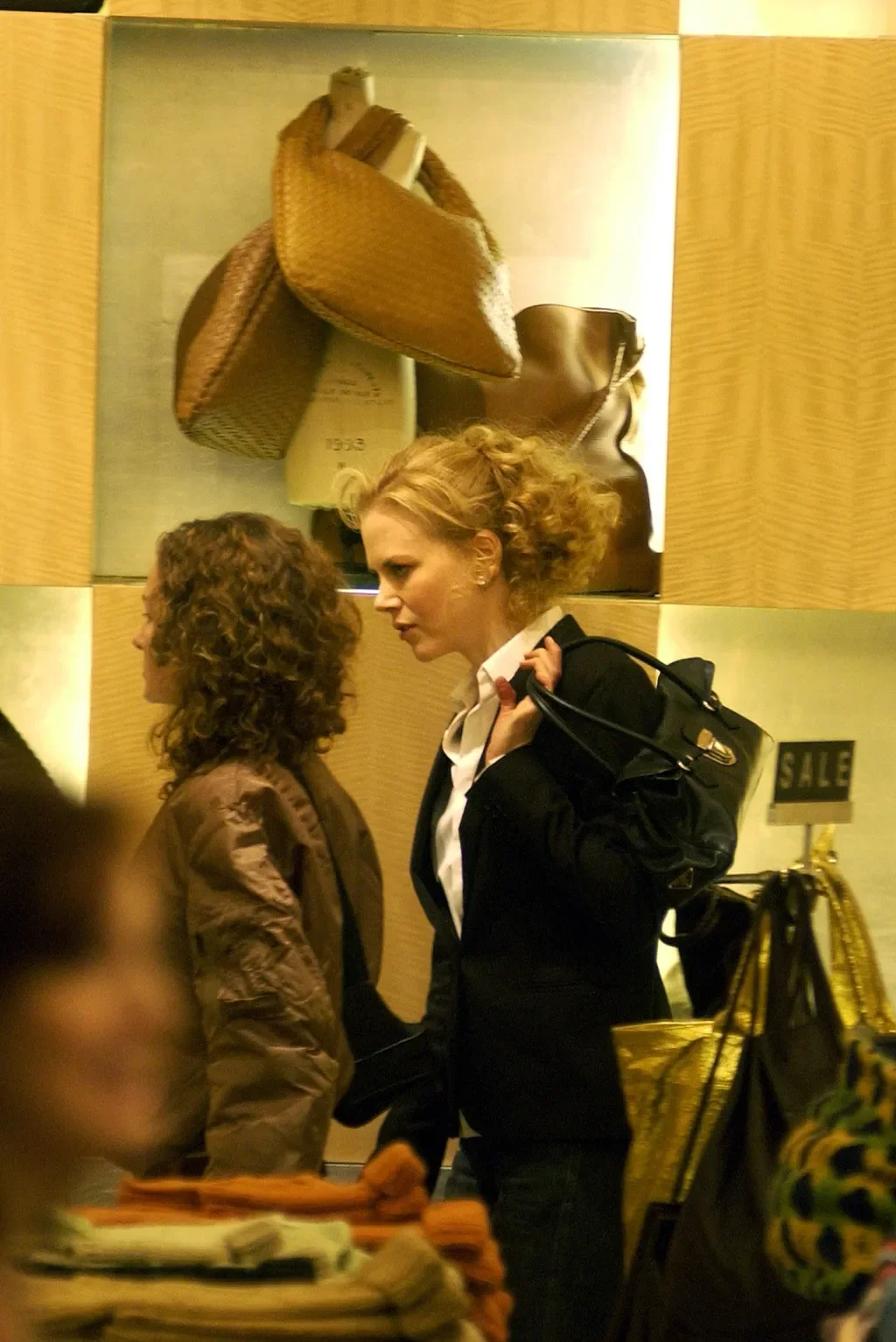
Nicole Kidman shopping at the Barneys New York flagship store on Madison Avenue in December 2002
Though Barneys no longer exists in the way many fashion lovers remember it, its influence remains everywhere. In many ways, the retailer helped shape modern luxury shopping as we know it today, championing emerging designers, transforming department stores into cultural spaces, and making fashion feel exciting, theatrical, and larger than life. From Sex and the City references to Gossip Girl nostalgia, Barneys remains frozen in time as a symbol of a more glamorous New York era. One that fashion lovers still deeply miss.