
Shein’s Acquisition of Everlane: What You Should Know About Fashion’s Most Uncomfortable Union
By Alexus Mosley
For years, Everlane positioned itself as the antidote to fast fashion. A minimalist label built on transparency, ethical factories, and conscious consumerism. That’s precisely why its acquisition by Shein, one of the most controversial names in global retail, has ignited such an intense reaction across the fashion world.
This isn’t just another corporate acquisition, but also a collision of values, and a moment that forces the industry to confront uncomfortable truths about scale, sustainability, and survival.
On paper, the acquisition appears strategic. Shein gains access to a brand long associated with ethical credibility, while Everlane secures financial backing after years of mounting operational pressure. But culturally, the pairing couldn’t feel more jarring. Everlane built its identity on restraint and responsibility, while Shein is synonymous with speed, volume, and trend churn, making the partnership feel more like a philosophical reversal.
Behind Everlane’s clean aesthetic and ethical messaging was a business facing real challenges. Rising costs, competitive pressure, and the difficulty of scaling a values-driven model made long-term independence increasingly difficult. The acquisition offers stability, infrastructure, and access to global logistics that Everlane could not easily build on its own. From a monetary standpoint, the decision kind of makes sense even if it complicates the brand’s narrative.
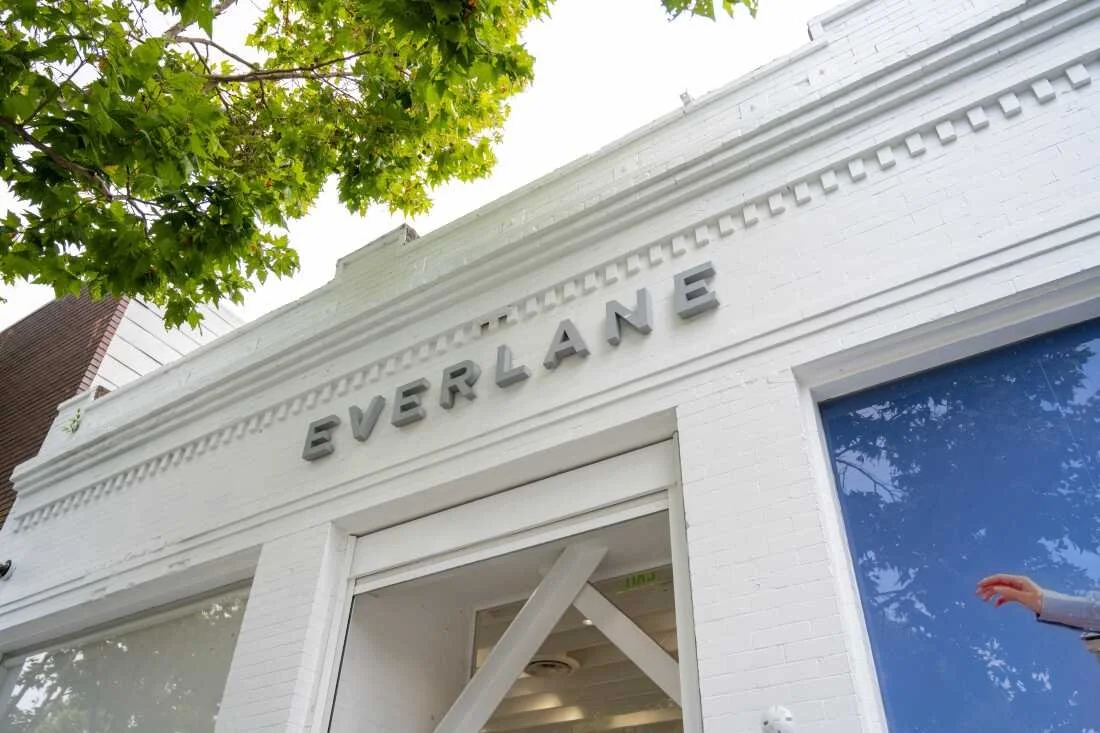
Photo Credit: Gado/Getty Images
What’s in it for Shein? Well, Everlane represents more than a new customer base, offering legitimacy as well. Acquiring a brand known for transparency and ethics helps diversify Shein’s portfolio and potentially soften public perception as regulatory and environmental scrutiny intensifies. Whether that legitimacy is earned or merely borrowed remains an open question.
The loudest response has come from Everlane’s core audience. These are shoppers who believed they were supporting a fundamentally different kind of fashion brand. For many, this acquisition feels like a betrayal of trust, not just a change in ownership. Even if Everlane maintains separate operations, values in fashion are as much emotional as they are operational. Once shaken, trust is difficult to restore.
There’s something genuinely disappointing about this deal. Of course, brands have the right to evolve. But in this case, it underscores how fragile the idea of “ethical fashion” becomes when placed under financial strain. Everlane sold a promise, and seeing that promise folded into a fast-fashion empire feels less like progress and more like a quiet admission that morality alone doesn’t scale in modern retail. This acquisition may mark the end of an era. It’s the moment when millennial-era ethical branding met the hard ceiling of profitability.
As consolidation accelerates, independent brands built on values rather than volume may increasingly face the same crossroads Everlane did. The larger question isn’t whether Everlane will survive under Shein’s ownership, but whether ethical fashion, as consumers once imagined it, can exist without compromise in a system driven by speed and scale.