
Gossip Girl and Old Hollywood: How Blair, Serena, and Lily Embody Classic Film Icons
By Alexus Mosley
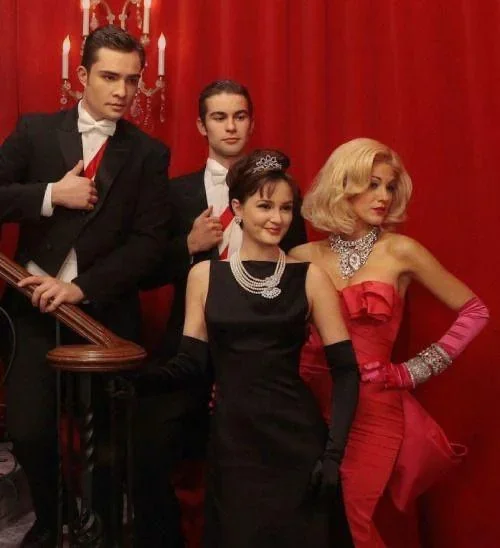
To call Gossip Girl cinematic would be an understatement. The clothes, the drama, and the movie stars are all very campy and glamorous, much like the persona from Old Hollywood. Long before the term “It Girl” and perfectly curated aesthetics bombarded social media algorithms, Old Hollywood perfected the art of persona. Women were defined by presence, mystique, and a carefully cultivated image.
Seen through this lens, the women of the Upper East Side echo the same qualities that once defined classic film icons. The parallels feel less like a coincidence and more like visual storytelling.
Blair Waldorf as Audrey hepburn

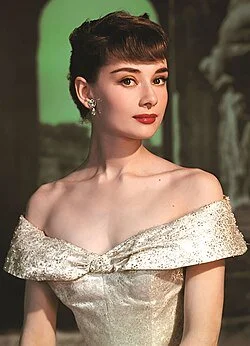
Blair Waldorf carries Audrey Hepburn’s precision. Like Hepburn, Blair’s elegance is never accidental. She studies, and much of how she is perceived is due to her being very controlled and intentional. Her wardrobe favors structure over excess, silhouettes over trends. Even in moments of vulnerability, Blair maintains composure, much like Hepburn’s on-screen characters who balanced softness with restraint.
Audrey Hepburn never relied on spectacle; she relied on posture, taste, and presence. Blair does the same. Her power comes not from effortlessness, but from discipline and an elegance earned through self-awareness and control.
Serena van der Woodsen as Marilyn Monroe

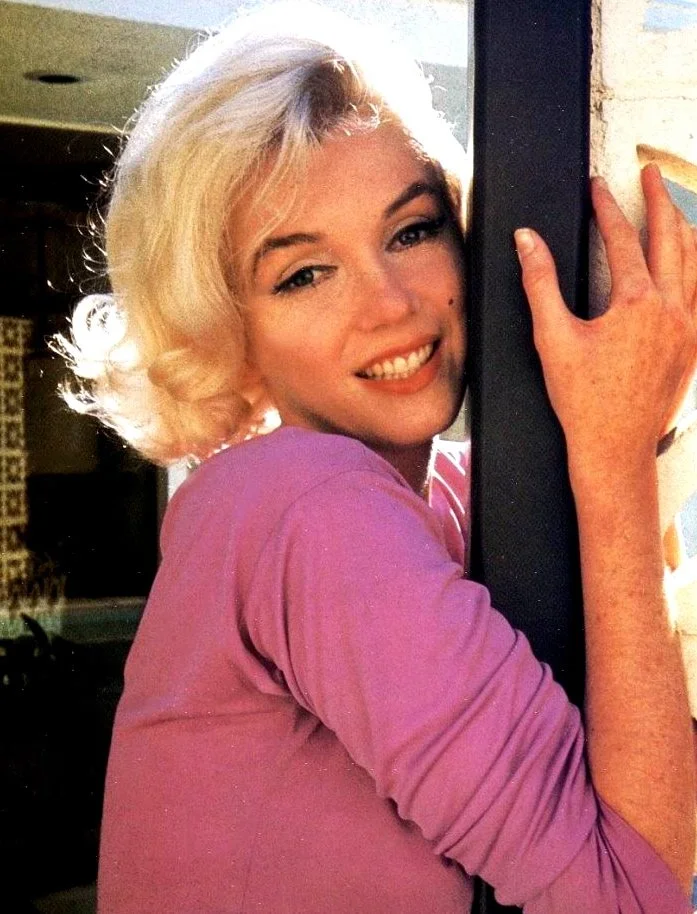
Serena van der Woodsen mirrors Marilyn Monroe in the way she exists in the world. Both are endlessly watched, adored, and projected onto. Serena doesn’t chase attention; it follows her. Her style is fluid, sensual, and seemingly effortless, just as Marilyn’s was.
Like Marilyn, Serena’s appeal is often misunderstood as simplicity, when in reality it’s complexity softened by charm. She is rarely allowed to be ordinary. People fall in love with the idea of her before they ever know her, and that distance between perception and reality becomes part of her story.
Lily van der Woodsen as Grace Kelly
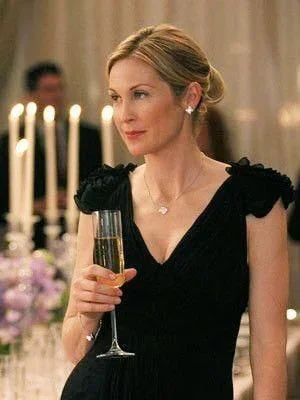
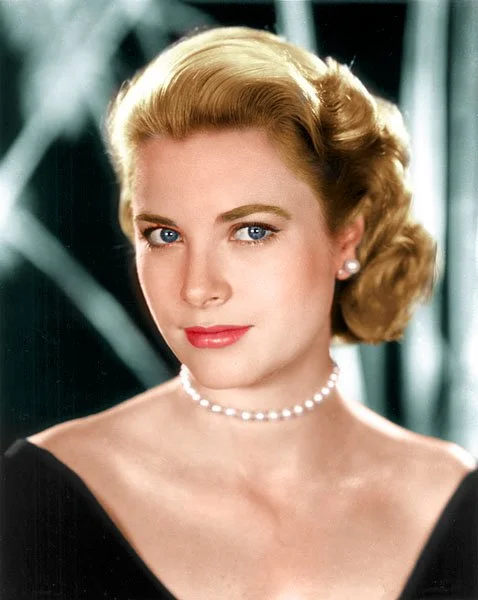
Lily van der Woodsen is Grace Kelly after the credits roll. She is composed, reserved, and impeccably polished. Like Kelly, Lily embodies an elegance that feels inherited rather than performed. Her style is understated, her emotions contained, her life carefully curated.
Grace Kelly represented the fantasy of refinement elevated to royalty. Lily reflects that same ideal within the Upper East Side: beauty without excess, authority without noise. She doesn’t need to assert power because it’s already assumed.
Jenny Humphrey as Louise Brooks
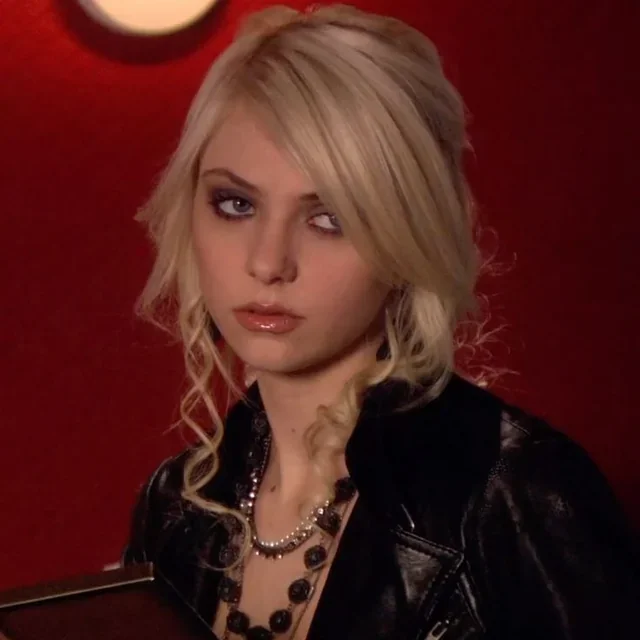
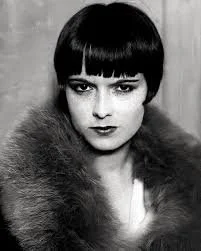
Jenny Humphrey resembles Louise Brooks in her restlessness and refusal to stay contained. Brooks was known for rejecting traditional expectations and embracing modernity, even when it cost her acceptance. Jenny follows a similar path, constantly pushing against the rules of the world she wants to belong to.
Her style evolves rapidly, shifting from imitation to experimentation. Like Brooks, Jenny isn’t interested in preserving tradition. In fact, she wants to disrupt it. She represents the tension between aspiration and rebellion, elegance and edge.
Gossip Girl works because its characters feel familiar in a deeper, cultural way. They resemble real people, the women we’ve been watching for generations. Old Hollywood understood how to build myth through style, presence, and restraint, and Gossip Girl translated that language for a modern audience.
On the Upper East Side, as in Old Hollywood, image is never just about beauty. It’s about who you are allowed to be seen as.
Blair Waldorf’s Most Iconic Quotes Every Gossip Girl Fan Remembers