
This Is the Blair Waldorf Career We Were Robbed Of
By Alexus Mosley
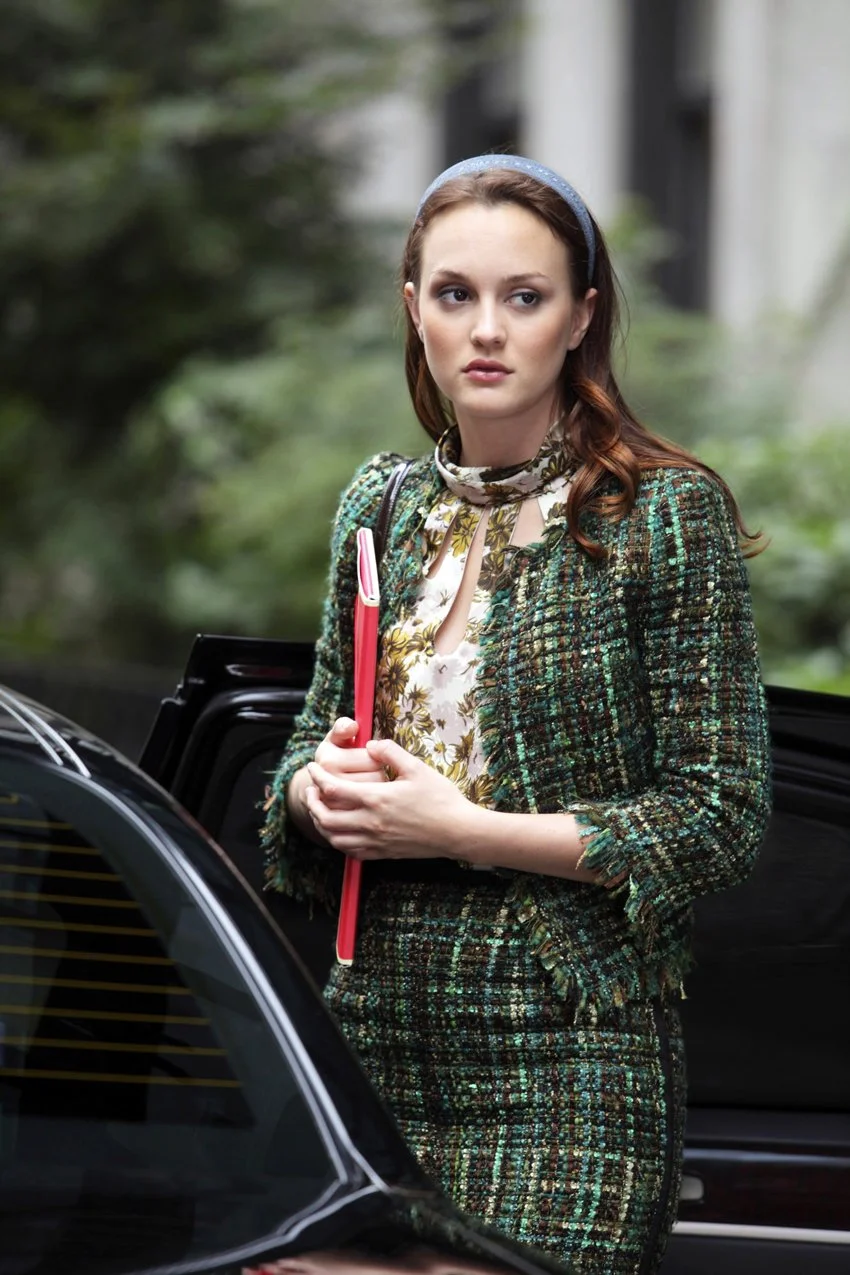
In Gossip Girl, Blair Waldorf ultimately steps into her mother’s legacy, taking the reins at Waldorf Designs and cementing her place in the fashion industry. But for a character who spent almost six seasons obsessing over prestige, intellect, and power, the ending never quite fit. Blair Waldorf wasn’t meant to inherit a brand. She was meant to define culture. And if we’re being honest, her true destiny wasn’t as a designer or CEO. It was as a fashion editor.
Blair was always academically driven. From Constance to Columbia, Blair’s identity was rooted in achievement. She wasn’t just stylish, but she was strategic, disciplined, and deeply intellectual. She revered institutions and studied hard. She competed to be the best. For the Queen B, second place was no prize at all. That kind of mindset thrives in fashion, of course, but especially in editorial, where taste, knowledge, and authority define success.
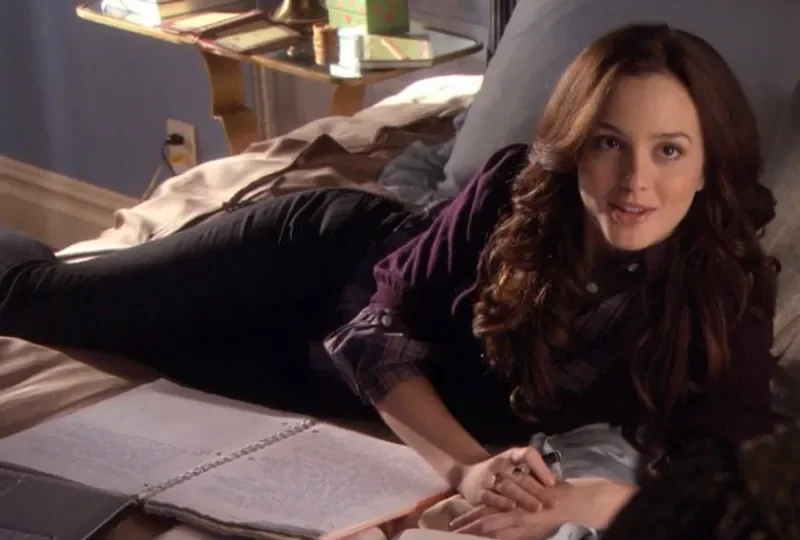
Her love of literature was editorial-coded; Blair wasn’t just your typical hyper consumerist shopaholic. She sought ideas. From classic literature to old Hollywood references, her world was built on narrative, symbolism, and cultural literacy. That’s the DNA of a fashion editor. Great storytelling with cultural context and refined aesthetic curation. Blair didn’t just want to wear her look. She understood it, referenced it, and positioned it.
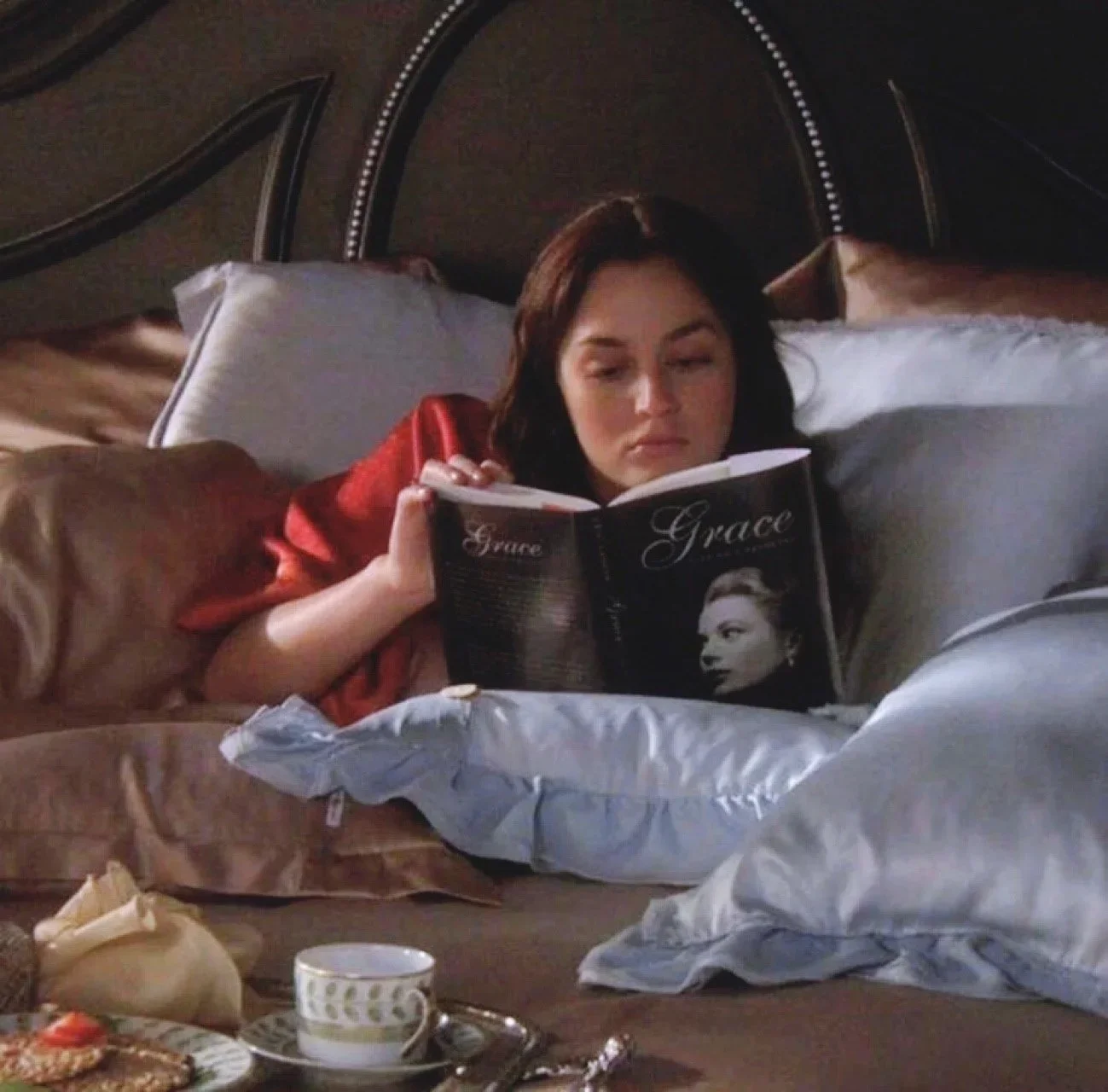
She was obsessed with power, not production. Running Waldorf Designs places Blair in a production role, with her day-to-day consisting of managing collections, operations, and legacy. But Blair never dreamed of being behind the scenes sewing garments.
Never one to get her hands dirty, she craved influence, authority, deciding what matters, and telling minions what to do and when to do it. That’s editorial power. An editor-in-chief doesn’t follow trends. They create the hierarchy of taste, and who understood hierarchy better than Blair Waldorf?
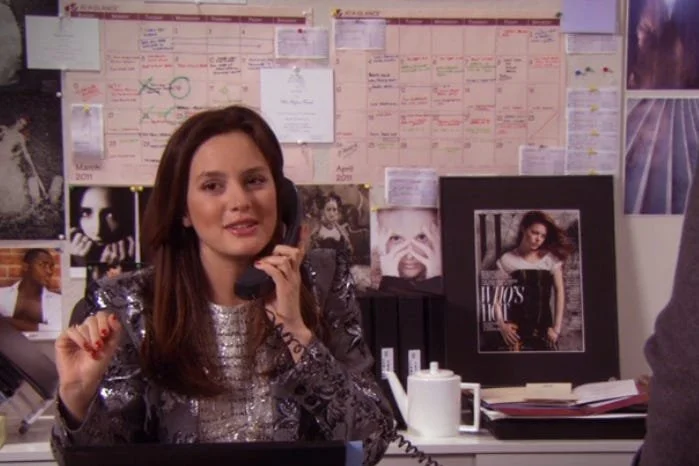
And let’s not forget that Blair Waldorf lived for a moment. From elite parties to perfectly orchestrated soirées, she knew who should be in the room, what they should be wearing, and why it mattered. I mean, she started off the series with the “Kiss on the Lips” party and then managed to top it with her annual sleepover just a few episodes later. That’s not just social climbing. That’s world-building at the highest level.
And since Fashion editors don’t just produce magazines but also create cultural ecosystems, it’s right on brand. Blair already operated like an editor in high school.
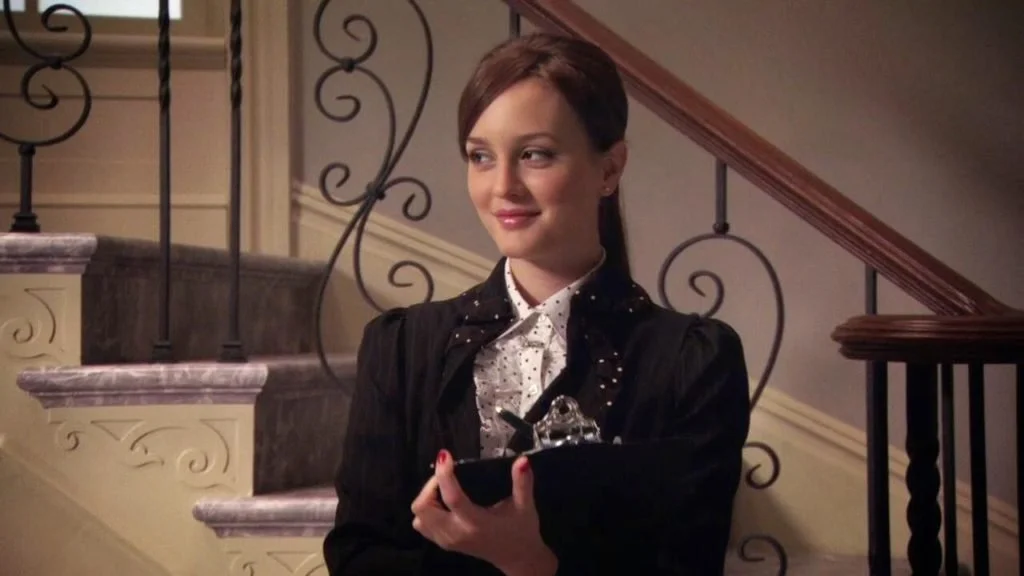
One of the most defining aspects of Blair’s character was her need to become her own woman. It’s what delayed her relationship with Chuck. (Well, one of the many reasons.) It’s what drove her ambition and shaped her identity. So why would her story end with her stepping into her mother’s shadow? Becoming a fashion editor would have allowed Blair to build her own legacy, define her own voice, and wield power on her own terms. Not inherit it. Though she was the super-privileged daughter of Eleanor Waldorf and a member of the elite society, she never gave off “nepo-baby.”
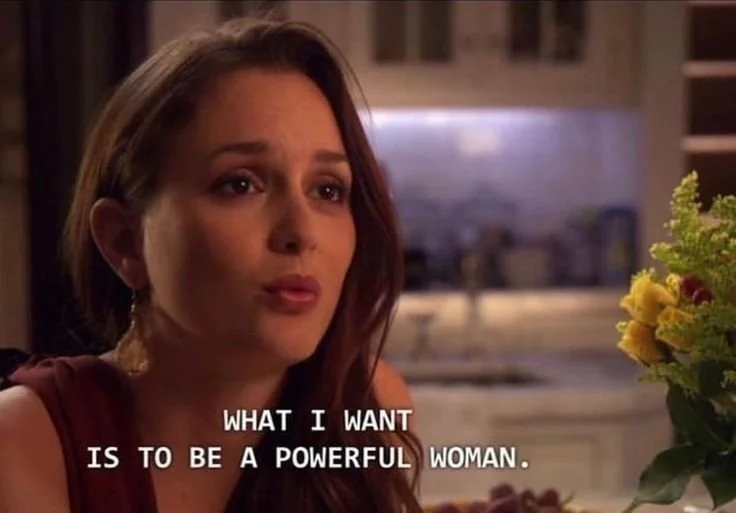
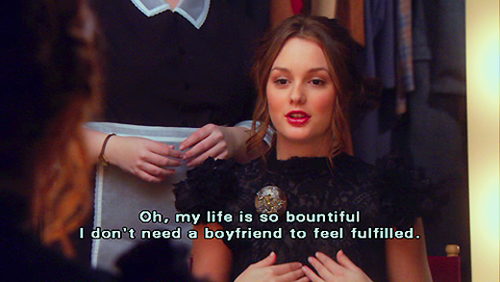
Blair Waldorf didn’t just want to be successful. She wanted to be important. And while Waldorf Designs gave her a title, an editorial position would have given her something far more fitting: Influence, authorship, and cultural power. Unfortunately for us (and by us, I mean me), we’ll likely never see this version of the story play out. But I’m sure in some sort of fictional alternate universe, B is giving power women like Miranda Priestly and Anna Wintour a run for their money.
Because if Serena was the It Girl, then Blair was always meant to be the one deciding who gets to be one.