
7 Hobbies That Quietly Sharpen Your Professional Edge
By Alexus Mosley
Ambition is often framed as something loud. To many of us, it means networking harder, working longer hours, and optimizing every spare moment. But what if I told you that some of the most effective professional advantages are built quietly, away from performance and pressure. The hobbies we choose outside of work shape how we think, observe, communicate, and lead. When practiced with intention, certain pursuits do more than offer leisure. They’re also capable of refining judgment, deepening focus, and cultivating the kind of inner authority that translates seamlessly into professional life. These are 7 hobbies that sharpen your edge through expansion and exploration of one’s mind.
Language Learning
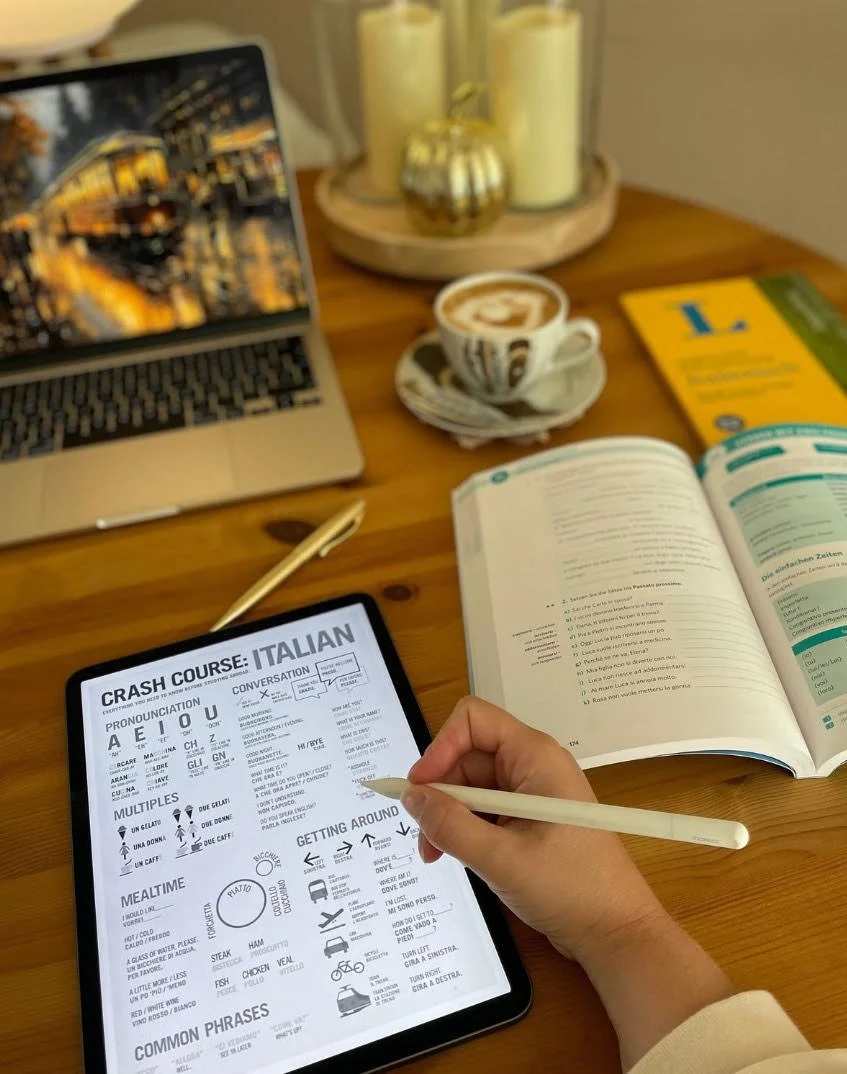
Learning a new language trains the mind to hold multiple frameworks at once. It strengthens memory, increases cognitive flexibility, and builds cultural fluency, which, of course, is an increasingly valuable skill in a globalized professional world. Beyond practicality, language learning encourages humility and curiosity, sharpening one’s ability to listen carefully and communicate with precision.
Reading Fiction

Fiction develops narrative intelligence, which is the ability to understand people, motivations, and emotional nuance. Strong professionals don’t just analyze data. They also read rooms, anticipate reactions, and understand human behavior. Fiction sharpens empathy and imagination, making it one of the most underrated tools for leadership and decision-making.
Playing Chess

Chess is a masterclass in foresight and restraint. It teaches consequence-based thinking, patience, and strategic planning. These skills translate directly into professional environments. Every move matters, and impulsivity is punished. Over time, chess trains the mind to slow down, assess options, and act deliberately.
Writing Reflectively

Whether through journaling or personal essays, reflective writing clarifies thought. It allows professionals to process experiences, refine ideas, and strengthen self-leadership. The ability to articulate ideas privately often precedes the ability to express them confidently in public.
Art Appreciation or Art History

Studying art sharpens visual literacy and discernment. It trains the eye to notice detail, context, and symbolism. These skills enhance creativity, branding intuition, and cultural awareness. Therefore, professionals with cultivated taste often stand out not because they speak louder, but because of their ability to see more.
Attending Lectures, Talks, or Salons

Regular exposure to new ideas keeps thinking elastic. Lectures and intellectual gatherings encourage curiosity, expand perspective, and strengthen conversational confidence. These environments sharpen one’s ability to engage thoughtfully, ask meaningful questions, and participate in high-level discourse.
Tea, Coffee, or Wine Tasting as a Study Practice

Approached as a study rather than indulgence, tasting cultivates sensory intelligence and patience. Learning how to observe, describe, and appreciate nuance enhances communication and presence. It also builds social ease. An often invisible but powerful professional skill.