
Stop Branding Yourself as Relatable — Start Being Aspirational
By Alexus Mosley
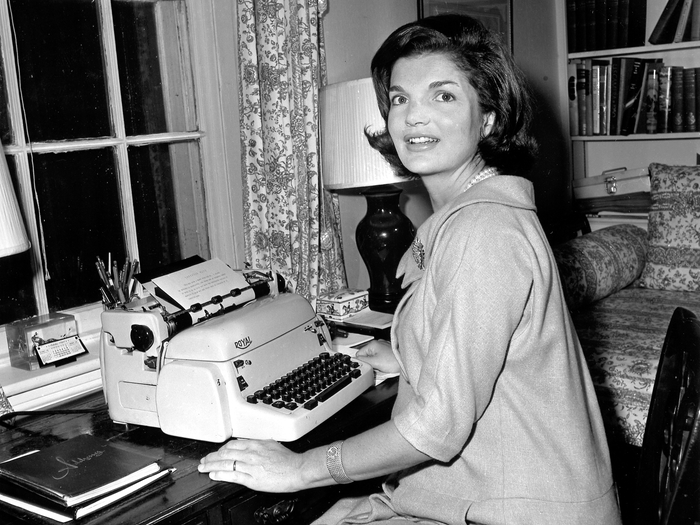
Jacqueline Kennedy in October 1960 with the typewriter she used to write her weekly “Candidate's Wife” column. (Photo Credit/AP)
For the better part of the last decade, women building personal brands have been given the same piece of advice: Be relatable. Post the messy bun, show the behind-the-scenes chaos, laugh about your mistakes, and downplay your success. The idea is simple: if people see themselves in you, they’ll like you more. But there’s a huge problem with this philosophy, especially for ambitious women. The most influential women in culture were never built on relatability. They were built on aspiration.
Think about the women who shaped public imagination for generations. Figures like Grace Kelly, Jackie Kennedy, and Anna Wintour didn’t build influence by appearing “just like everyone else.” Their power came from taste, discipline, and a certain degree of mystique. They represented something elevated, and people were drawn to that. Somewhere along the way, however, the internet flattened ambition into relatability. The goal became to appear casual, accessible, and perpetually self-deprecating. But relatability can quietly become a form of self-minimization. When women are constantly encouraged to make themselves smaller, softer, or more self-mocking to be liked, ambition begins to feel like something that needs to be disguised.

Anna Wintour, the editor-in-chief of Vogue at the Vogue headquarters in One World Trade Center, New York City. (Photo Credit/Getty)
Aspirational women take a different approach. They invest in their taste, take their work seriously, and present themselves with intention. Aspirational women allow excellence to speak for itself. And most importantly, they are not afraid to stand slightly apart.
The push toward relatability didn’t happen by accident. The rise of influencer culture in the 2010s rewarded creators who appeared casual, accessible, and constantly available. The more a personality resembled their audience, the easier it was to sell products to that audience. Therefore, making relatability a marketing strategy. Creators began sharing every detail of their lives. From morning routines, messy apartments, personal insecurities, and emotional breakdowns. All in the name of authenticity. But somewhere in this shift, authority began to disappear. The algorithm rewarded familiarity, not excellence. And for ambitious women in particular, this created a subtle pressure to perform humility. To appear impressive, but never intimidating. successful, but never too polished, and confident, but never too certain. Relatability became the safest way to be liked. But safety rarely builds legacy.

Grace Kelly, photographed reading letters at her desk
Long before social media existed, public figures understood the power of aspiration. Jackie Kennedy cultivated elegance and cultural curiosity that reshaped the image of the White House, while Grace Kelly embodied poise and restraint that made her presence feel almost mythic. Diana Ross transformed glamour into performance, proving that confidence and spectacle could command global attention. And figures like Anna Wintour built influence through authority, taste, and discipline, not accessibility. None of these women attempted to appear relatable in the modern sense. They didn’t invite the world into every corner of their lives. They didn’t constantly narrate their insecurities or apologize for their ambition. Instead, they cultivated presence. But their distance didn’t make them less influential. Instead, it made them magnetic.
There is also a deeper cultural dynamic at play. Rarely are men in positions of power asked to soften their authority with relatability. In fact, male founders, executives, and leaders are celebrated for being visionary, praised for their confidence, and expected to project certainty. Women, however, are often encouraged to balance ambition with likability. Confidence must be tempered with humility, and success should be met with self-depreciation in order to be softened. The result is a subtle but powerful pressure on women to be impressive, but never intimidating. Relatability becomes the compromise, but ambition rarely thrives inside compromise.

Mellody Hobson, Co-CEO and President of Ariel Investments, a Chicago-based investment management firm.
Branding yourself as aspirational is not about arrogance or perfection, but intention. These women invest in their knowledge, taste, and presentation. They share ideas and perspectives rather than constant vulnerability, creating an atmosphere around their work that communicates seriousness and purpose. Selective about what they reveal, they understand that mystery is not distance. It is a sort of presence in itself. This consists of curating your image thoughtfully, sharing insight rather than constant personal disclosure, and valuing excellence over constant accessibility. As well as allowing your work to speak before your personality does, and leading conversations instead of chasing trends. This makes your approach deliberate.
While relatability might win you quick attention, aspiration builds admiration. The women who shape culture don’t do so by blending in but by raising the standard through discipline, vision, and a refusal to shrink themselves to make others comfortable. So instead of asking, “How can I seem more relatable?” A better question might just be, “What kind of woman do I want people to aspire to become?” History rarely remembers the most relatable woman in the room. It remembers the one who made excellence look possible.