
The Women Quietly Shaping Global Power
By Alexus Mosley
Contrary to what many may believe, political power doesn’t live exclusively in parliaments, palaces, or presidencies. Today, some of the most consequential global influence flows through boardrooms, diplomatic salons, philanthropic foundations, cultural capital, and strategic advisory roles. Many of which are led by women. From global finance and diplomacy to international law and soft power, these women are shaping global politics without holding traditional political titles.
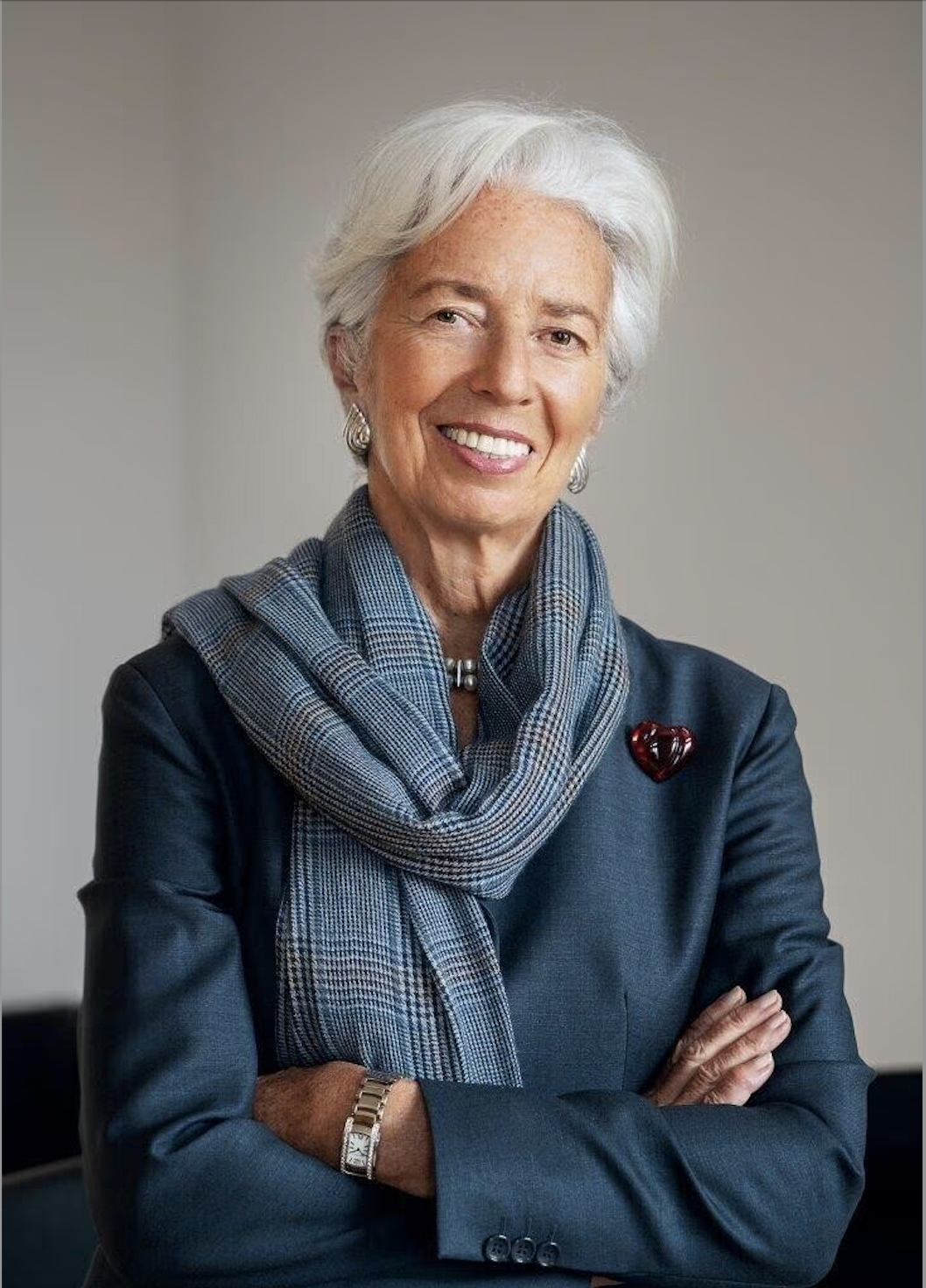
Christine Lagarde
President of the European Central Bank
While technically a formal role, Lagarde’s real power lies in global economic signaling. Her influence affects currencies, markets, and political stability across Europe and beyond.
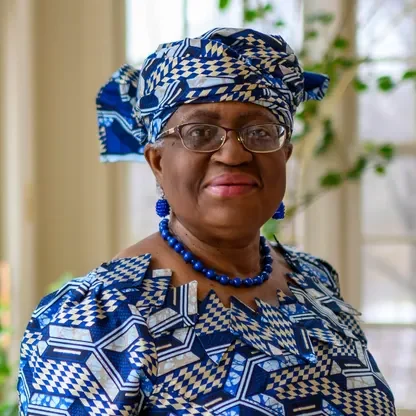
Ngozi Okonjo-Iweala
Director-General of the World Trade Organization
She shapes global trade policy, development access, and international negotiations, often behind closed doors.
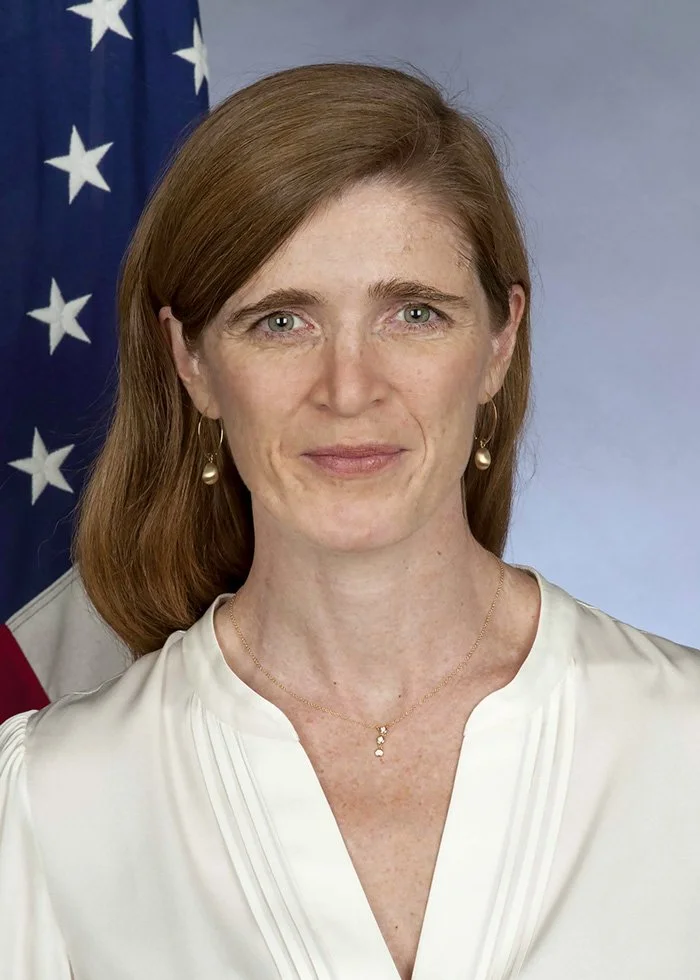
Samantha power
Administrator of USAID, former UN Ambassador
Power operates at the intersection of humanitarian aid, foreign policy, and soft power strategy.
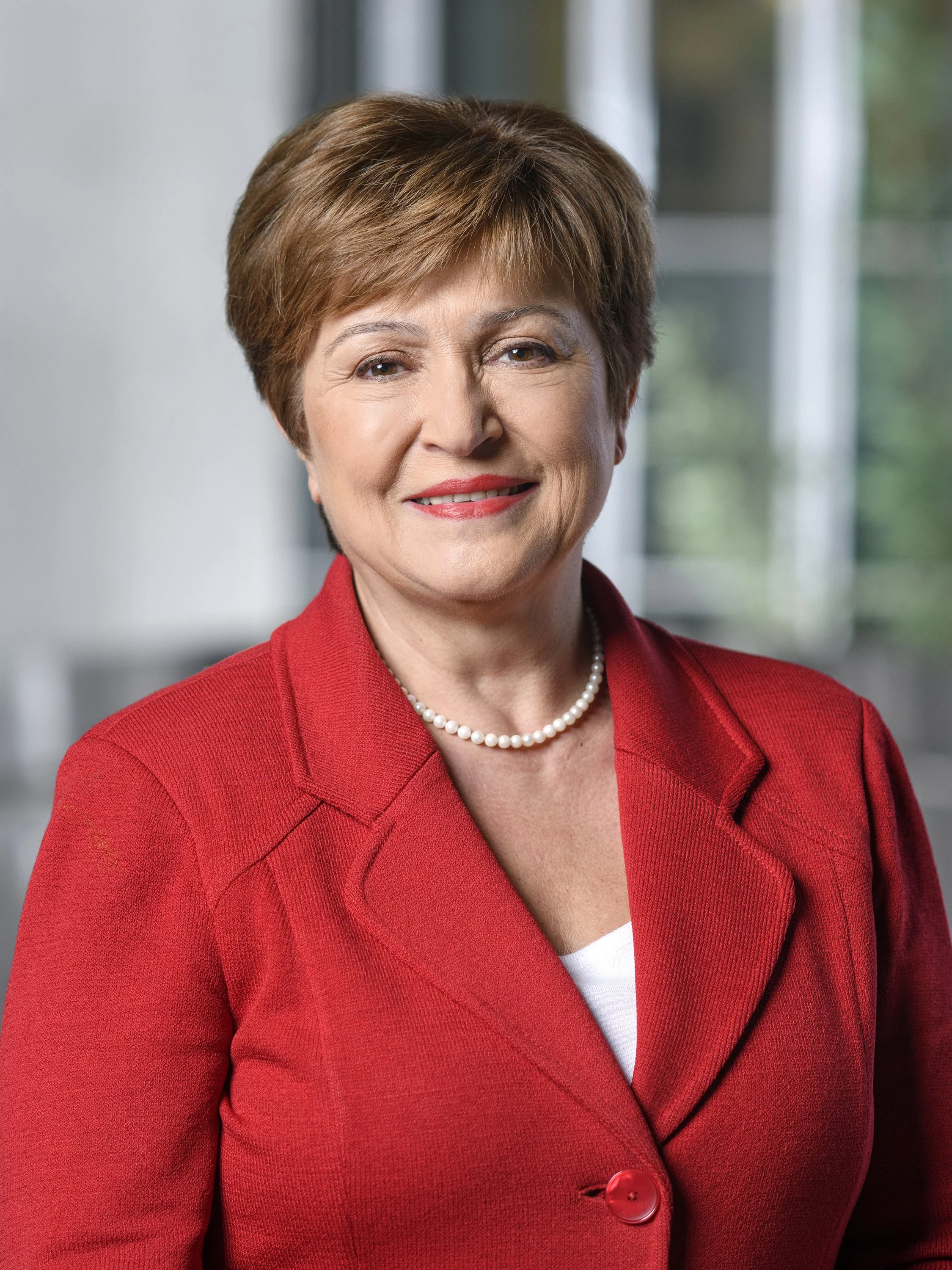
Kristalina Georgieva
Managing Director of the IMF
Her decisions influence debt relief, national recovery strategies, and economic reform across developing and developed nations alike.
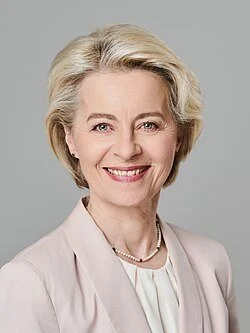
Ursula von der Leyen
President of the European Commission
Often underestimated, she wields enormous influence over EU legislation, climate policy, and geopolitical positioning.
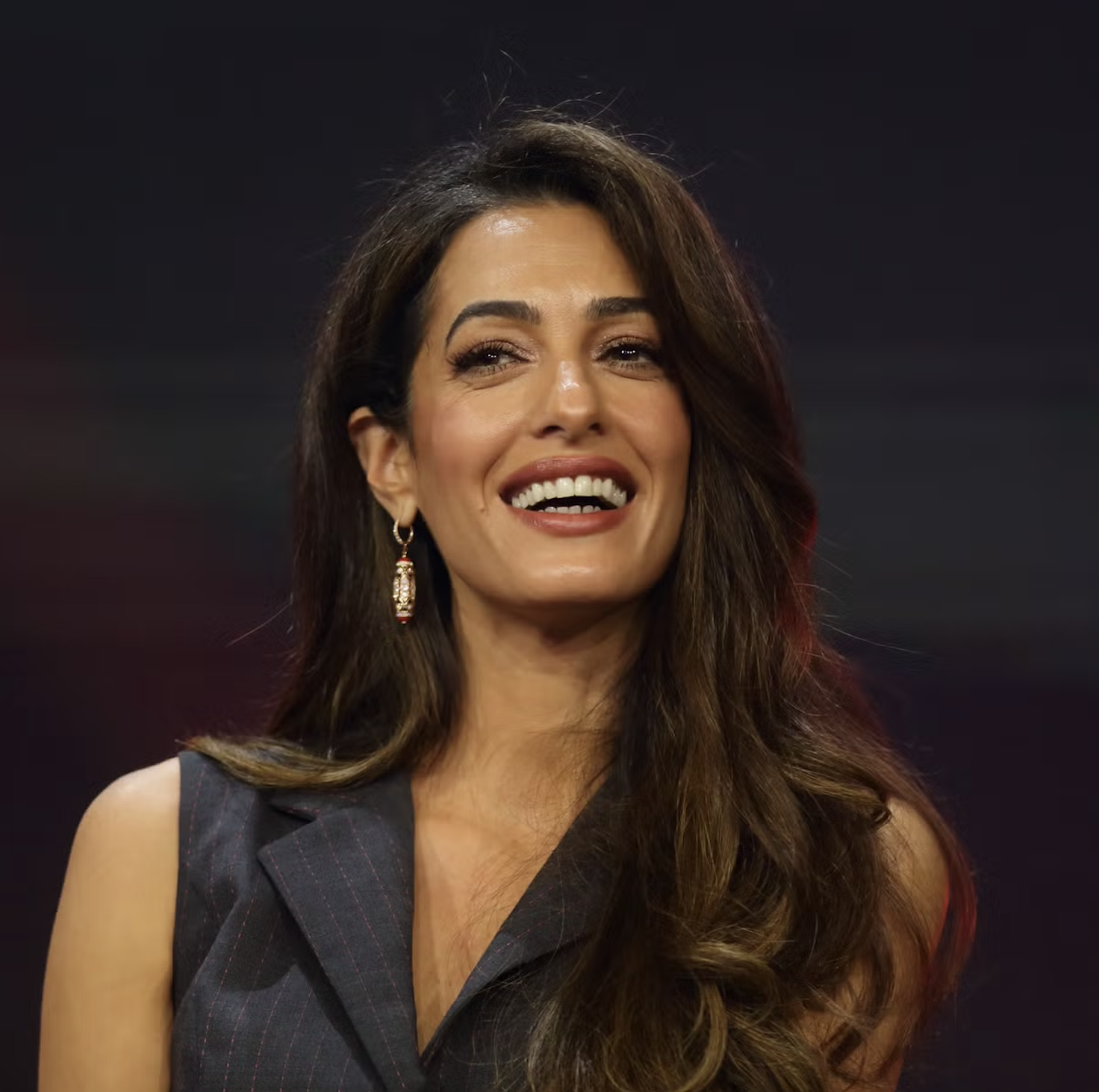
Amal clooney
International human rights lawyer and legal advisor to governments and the UN
She operates where law meets diplomacy, representing journalists, political prisoners, and states.
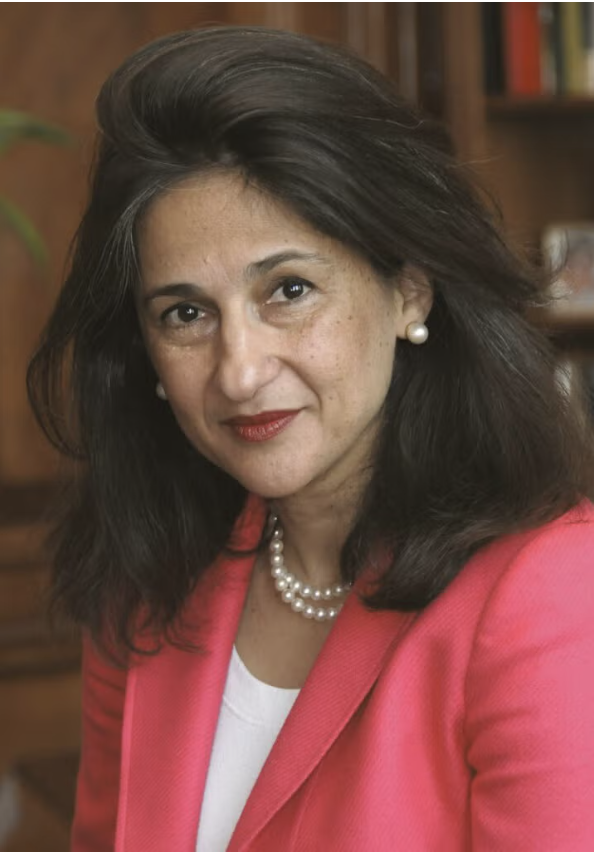
Nemat Shafik
Economist, former Deputy Governor of the Bank of England, global policy advisor
She has shaped education, financial policy, and development strategy across continents.
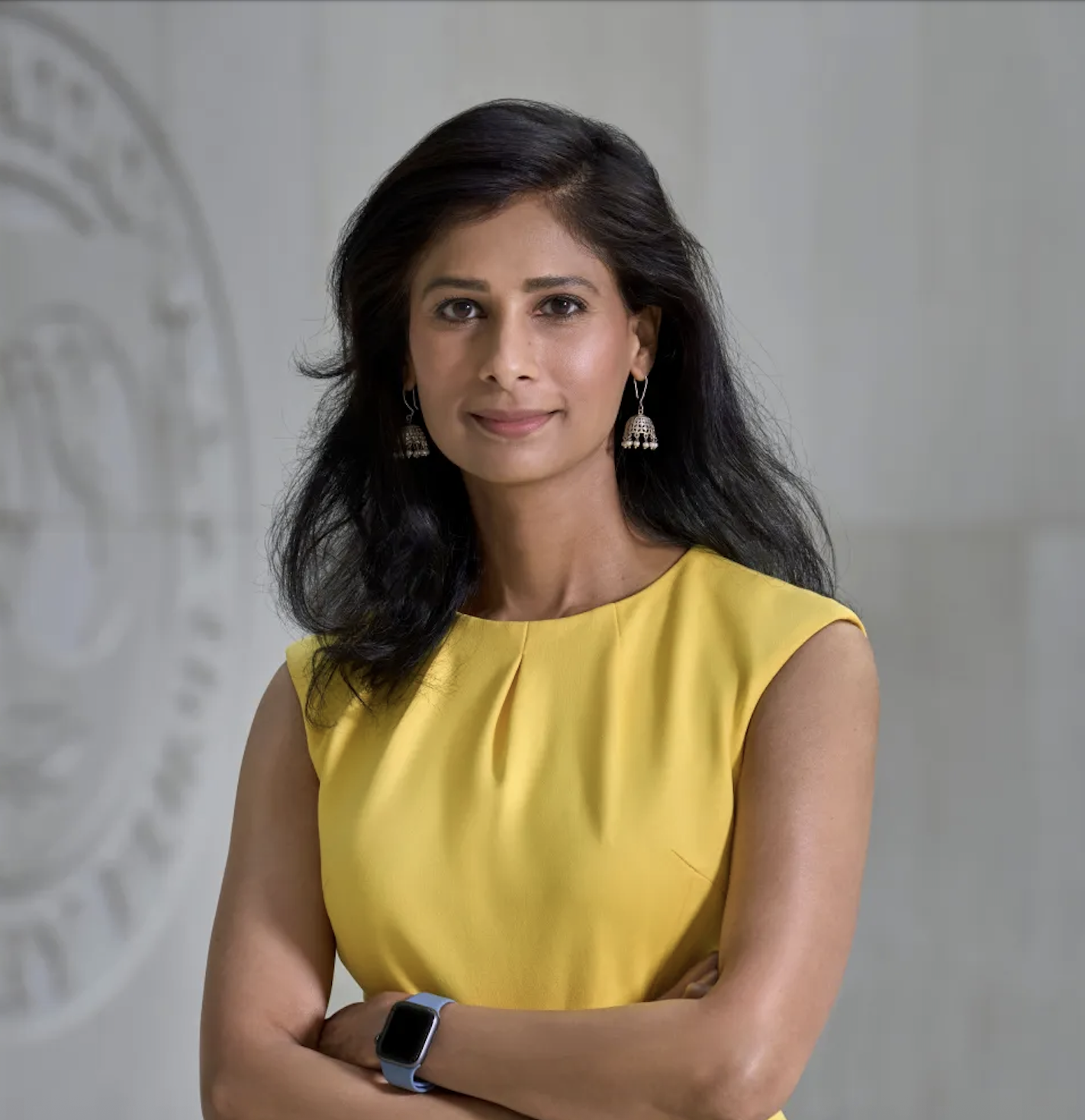
Gita Gopinath
Chief Economist at the IMF
Often behind the scenes, but deeply influential in shaping fiscal policy recommendations adopted by nations worldwide.
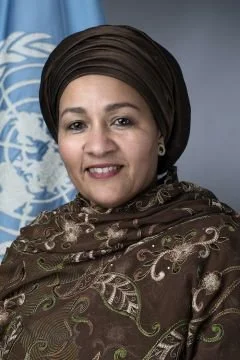
Amina Mohammed
Deputy Secretary-General of the United Nations
A central force in sustainable development goals, climate diplomacy, and global cooperation frameworks.
These women remind us that power is not confined to titles or televised moments. Today, influence is exercised through access, credibility, and long-term vision—often away from the spotlight. In a global landscape increasingly shaped by complexity rather than ceremony, it is these quieter architects of power who are defining what leadership truly looks like.
Digital Fatigue: Why America Is on the Brink of a Tech Burnout