
Digital Fatigue: Why America Is on the Brink of a Tech Burnout
By Alexus Mosley
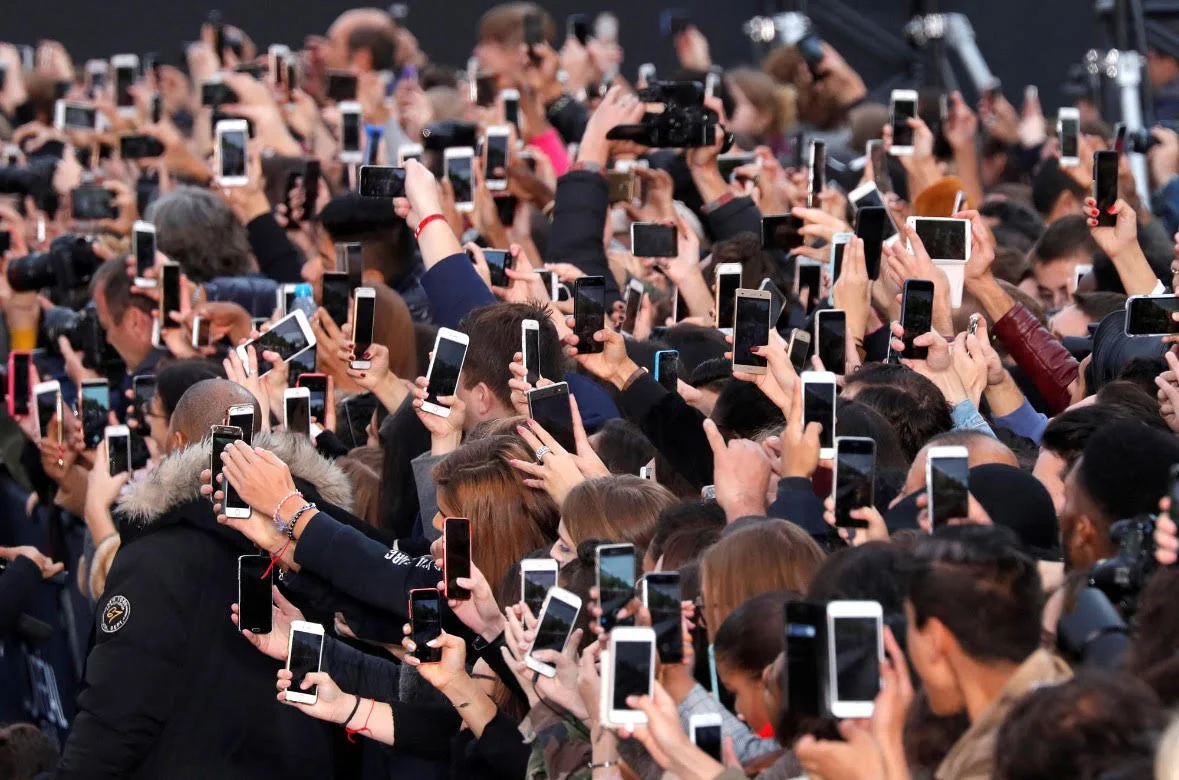
Photo credit: Reuters/Charles Platiau
Research across health and labor sectors has proven that America is exhausted, and for the first time in modern history, it’s not due to working conditions but because most of its population is never offline. Many of us wake up to the glow of our phones and return to it for a scroll before sleep. Our lives are mediated by screens, notifications, and algorithms, all of which seem so urgent. In our culture, it’s an expectation to always be reachable, and productivity is a moral obligation. All of which contribute to the result of a mentally overstimulated and emotionally fragmented nation inching toward a collective tech burnout.
The technology that once promised convenience and flexibility has delivered permanence. Work follows us home through email and messaging platforms, news cycles reset by the minute, and social media collapses time, geography, and privacy into a single endless feed. Even much of what we consider to be leisure is optimized, tracked, and monetized, leaving little room for true rest. The boundaries between labor and downtime, public and private life, and consumption and participation have blurred to the point of invisibility. Everything demands attention, and very few things feel restorative. Burnout is less about workload and more about overexposure.
Americans are consuming more information than any generation in history, yet processing less of it. Headlines are skimmed instead of read, replacing reflection with reactions. Today, both tragedy and outrage are absorbed at a pace the human nervous system was never designed to sustain. This constant intake without time for integration leaves many people anxious, irritable, or emotionally numb. We often equate awareness with virtue, and because we do so, logging off can sometimes feel irresponsible, but mental clarity simply cannot exist in a state of uninterrupted consumption.
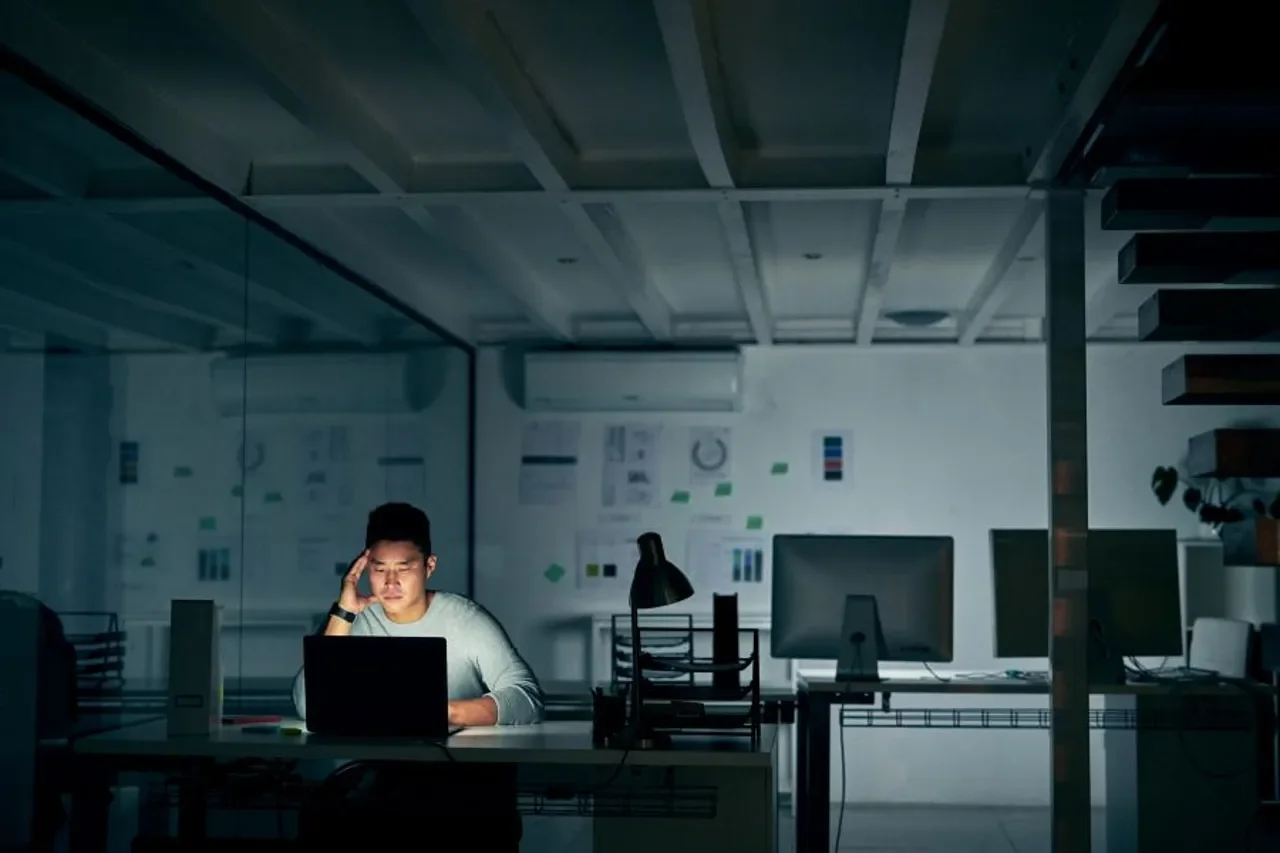
Photo Credit: Getty Images
Despite unprecedented connectivity, feelings of isolation are growing. Digital communication favors speed over depth and visibility over intimacy. In this digital age, likes stand in for affirmation, creating an illusion of closeness without presence. The pressure to remain visible, responsive, and curated adds a layer of emotional labor that rarely feels reciprocal. This connection without presence is noise, not nourishment.
Many fear that acquiring a healthy digital diet means completely abandoning technology or disappearing from modern life. And while that is untrue, it will require intention. Choosing when and how to engage rather than being perpetually summoned by devices designed to compete for attention requires much discipline. We must allow space for boredom, silence, and uninterrupted thought, recognizing that focus and rest are not luxuries but necessities. An intentional digital diet reframes attention as a finite resource rather than a public obligation.

A cultural shift is already underway. Just as conversations around wellness have evolved beyond hustle culture, our relationship with technology is beginning to demand recalibration. Expect to see a spike in slower media consumption and analog habits in 2026 and beyond. Many Americans are recognizing that deliberate digital boundaries are no longer fringe ideas; they just may be a tool for survival. As our country stands on the brink of tech burnout, a healthy digital diet may emerge as the most valuable and most necessary form of modern wealth.