
Why America Still Obsesses Over Political Families
By Alexus Mosley

For a nation founded on a rebellion against monarchy, America has an undeniable soft spot for political royalty. From the Kennedys and the Bushes to the Clintons, Rockefellers, and now a rising class of political heirs emerging through social media and state races, the United States is a country that claims to value individualism but votes as if it believes in legacy. How did a nation built on the idea that anyone can rise to power end up with a political class that so often looks inherited rather than earned? The answer lies somewhere between psychology, nostalgia, branding, and the uniquely American obsession with legacy.
America has always loved a dynasty. Whether in Hollywood, sports, or the world of fashion, dynasties give people something to follow, adore, debate, and root for. Political families are no different. They offer a recognizable lineage, decades of cultural and political memory, familiar faces, and a mythology that extends far beyond an election cycle. The Kennedys weren’t simply politicians; they became a cultural brand, conjuring images of glamour, tragedy, and national promise. The Bushes created an aura of stability and steady conservatism. The Clintons represented modern ambition, partnership, and reinvention. Each family came with a distinctive narrative, a legend, and a storyline ready to be continued by the next generation. In a political era marked by chaos and unpredictability, a familiar name can feel like emotional stability.
In that way, political dynasties function almost exactly like luxury brands. Hearing “Kennedy,” “Clinton,” or “Bush” affects voters in the same way “Chanel,” “Dior,” or “Ferragamo” affects shoppers. It signals something trusted and true. In a country where the majority of its voters don’t follow politics obsessively, a well-known name becomes a shortcut. It’s not always ideological; often, it’s psychological. A famous last name becomes a brand, a promise, or at least the illusion of one. Even voters who dislike a political family usually know exactly what that name represents. In American politics, name recognition is a form of currency and one that’s often more powerful than money itself.
This dynamic reveals something deeper about America’s complicated relationship with meritocracy. We love to say that success in this country comes from hard work, grit, and determination. But the quiet truth is that political dynasties thrive because the system often rewards wealth, social capital, early exposure to politics, and inherited networks. Children raised in political families grow up surrounded by donors, advisers, journalists, strategists, and influence. They learn the language of politics before they can vote. They inherit platforms, connections, and opportunities that outsiders rarely access. Political dynasties aren’t accidental but structural. And though the public often critiques this, election results repeatedly show that when forced to choose between the unknown and the familiar, voters tend to choose legacy.
There’s also an undeniable emotional layer to all of this. America’s fascination with political families is steeped in nostalgia. These families evoke memories of earlier eras. Moments of national unity, stability, or promise that people long to return to. The Kennedys, especially, exist in the public imagination with a soft-focus glow, a kind of American Camelot that has never fully faded. The Obamas carry a similar aura for many. They are aspirational, stylish, poised, and emblematic of a certain kind of modern dignity. Nostalgia is powerful. It creates emotional safety, and emotional safety often wins elections.
But more than anything, political dynasties turn politics into storytelling, and Americans love a story. Dynasties come with characters, arcs, scandals, tragedies, rivalries, comebacks, and cliffhangers. Politics becomes part governance, part national soap opera. America doesn’t just vote; it watches, follows, and anticipates. It tunes in to see what the next generation will do, how the story will evolve, and whether the legacy will continue.
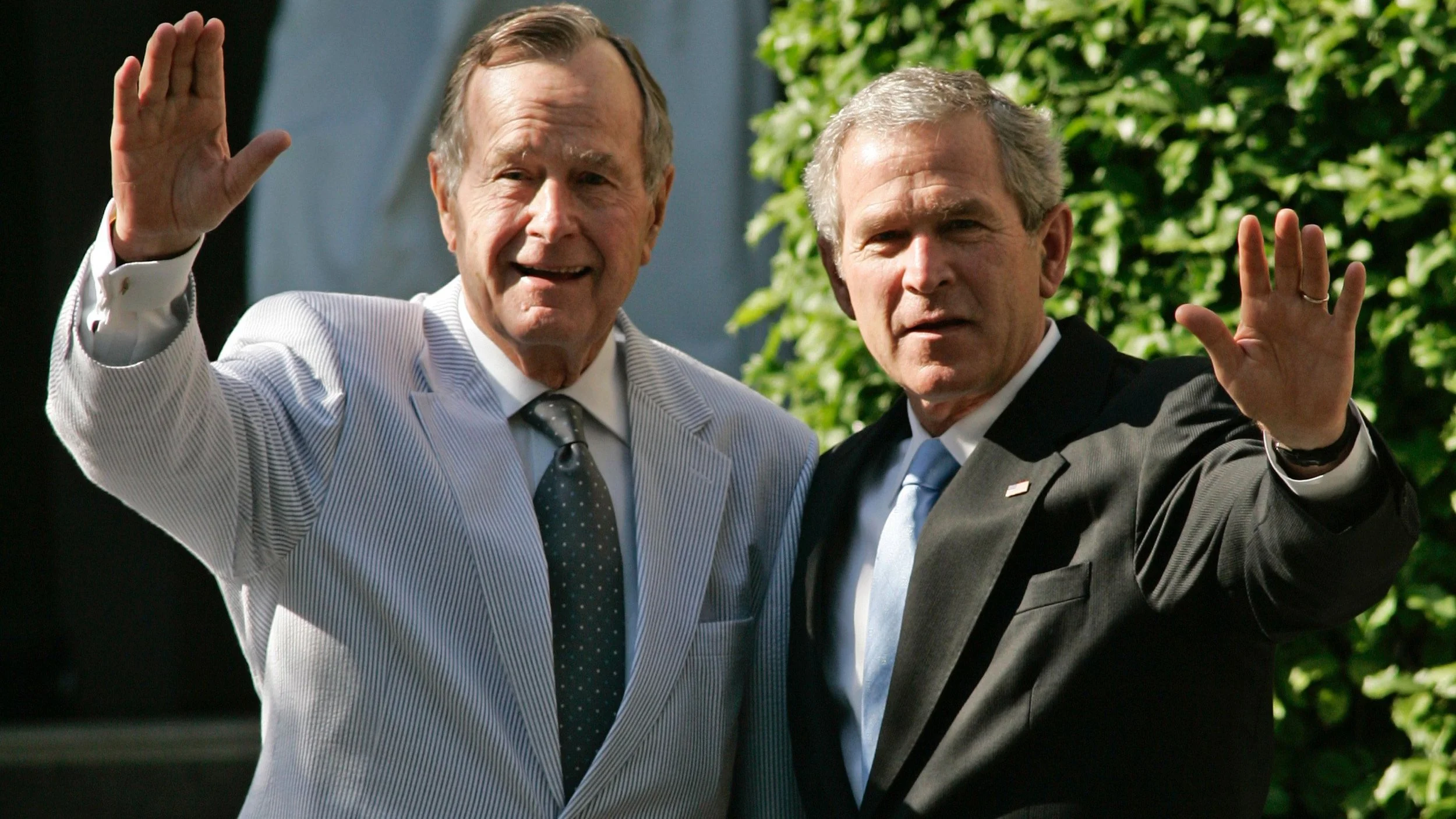
The media plays a significant role in sustaining this fascination. A story about an unknown newcomer rarely outranks headlines announcing that the child of a famous political figure is entering public life. Political families generate documentaries, nostalgia montages, viral moments, talk-show jokes, scandals, and think pieces. They keep politics feeling like a familiar neighborhood rather than an unpredictable frontier. Dynasties sell because they captivate, and the media gives the people what they want.
All of this reveals a larger truth about American power. Political dynasties show that U.S. politics isn’t just about policy; it’s about identity, legacy, and narrative. Though America claims egalitarian ideals, it functions with soft aristocracies, elite networks, inherited influence, and generational pathways to power. Political families expose the difference between the America we say we are and the America we actually behave like. They remind us that in this country, anyone can rise, but if they have access, visibility, and a platform.
Yet, a shift is happening. Younger voters are increasingly skeptical of political families. They question dynasty politics, demand broader representation, uplift unconventional candidates, and distrust institutions that concentrate power. The obsession remains, but the audience is changing. Americans still love political dynasties, but they’re harder to impress. Legacy still matters, but authenticity matters more.
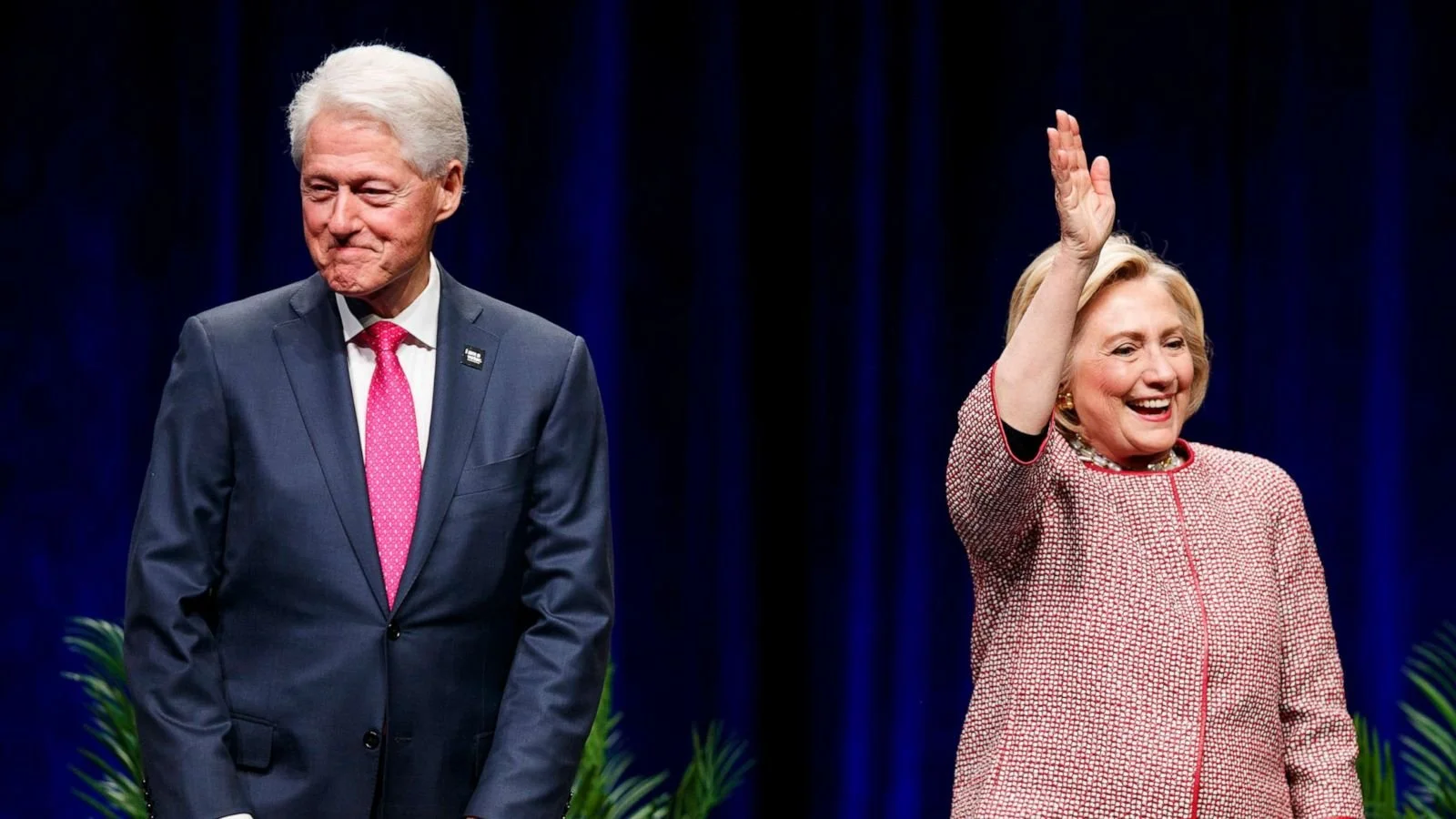
In the end, America’s fascination with political families reveals a fundamental truth. We are a nation that rebels against royalty while quietly craving it. We want democracy but trust legacy. We say anyone can lead, but we often prefer someone whose family already has. Political dynasties expose the deep tension between our ideals and our instincts.
And as long as Americans crave familiarity, nostalgia, and a compelling story, political families will remain a defining part of the national imagination. Even in a fractured, rapidly changing world, one thing is clear: in America, legacy still sells.