
Inside the Rise of Energy Billionaires in Politics
By Alexus Mosley
There’s a new kind of political power player reshaping global influence, and they aren’t career politicians, tech founders, or even legacy dynasty heirs. They’re energy billionaires. The ultra-wealthy magnates behind oil, natural gas, renewables, and global energy logistics have quietly stepped out of the boardroom and into the political arena. Their ascent is far from accidental, and their influence is beginning to redefine how political power operates in America and beyond.
Energy has always been political. Wars have been fought over it, treaties negotiated around it, and global alliances built on top of it. But the 2020s ushered in something different. Today, there’s a new class of energy elites using their fortunes not just to lobby or donate, but to actively shape policy narratives, fund candidates, and position themselves as public actors in national decision-making. This is the billionaire era of power politics, and energy is at the center of it.
Unlike tech moguls who center innovation, or Wall Street titans who traffic in capital, energy billionaires deal in something more fundamental: security, stability, and national leverage.
Figures like Charles Koch, Harold Hamm, and Kelcy Warren have shown how energy wealth can translate into enormous political leverage. Koch’s donor network is one of the most influential in American political history. Hamm (who is often called the “Shale King” ) has directly advised multiple administrations on energy strategy. Warren, whose companies control major pipeline networks, remains a consistent and powerful campaign financier. On the clean-energy side, Elon Musk, through Tesla, SolarCity, and battery storage, has also become a dominant political voice, influencing conversations around renewables, vehicle policy, and climate transition.
As countries navigate climate transition, geopolitical instability, and the future of global energy supply, those who control these systems also control political messaging, policy agendas, national priorities, and international alliances. Energy billionaires are positioned within one of the most powerful industries on earth.
Politicians across parties have realized that aligning with energy wealth means access to three things campaigns desperately need: capital, narrative power, and voter leverage. Through Super PACs and dark-money networks, many of these billionaires channel hundreds of millions into elections, shaping everything from local primaries to national policy agendas. Messaging around national security, jobs, energy independence, and fuel prices is often shaped by those who control production and distribution, and energy policy is one of the few issues that reaches every single household.
From presidential campaigns to congressional primaries, candidates are increasingly reliant on energy industry giants and the billionaires behind them to shape their political brands. And some energy magnates aren’t just funding the political class, they’re becoming part of it. We’re seeing the early stages of a new hybrid figure. It’s the billionaire-politician, someone who moves between private-sector dominance and direct political ambition. It’s the model Koch perfected through influence networks, and Musk experiments with through public political declarations and online influence.
In a world where voters are frustrated with traditional politicians, billionaires with “outsider” personas, national reach, and economic power become compelling. Their pitch is simple: “I already know how to run a global enterprise, now let me run a government.” It’s a narrative that resonates in a climate of political distrust.
The rise of energy billionaires in politics isn’t inherently good or bad, but it is consequential. Decision-making is increasingly influenced by a select group with extraordinary wealth. Fuel pricing, clean-energy incentives, and fossil fuel transitions become political weapons. Instead of corporations lobbying Congress, billionaires now lobby as individuals.
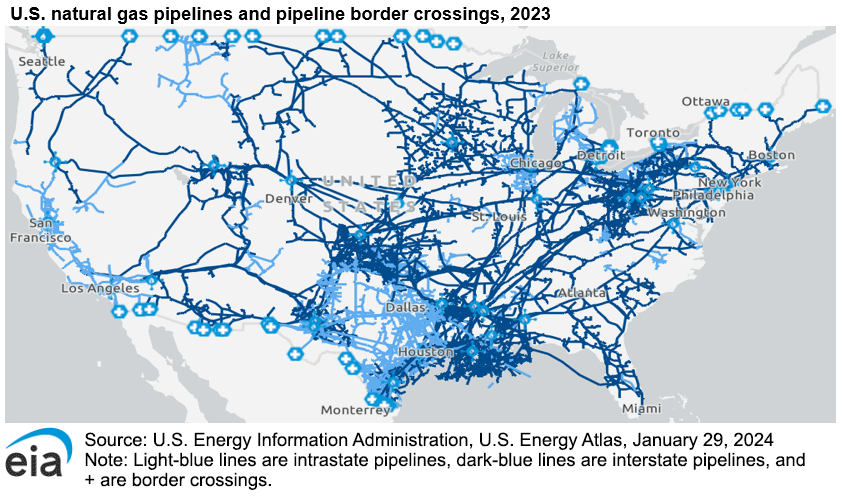
The fight for political power runs through pipelines, grids, electric vehicles, and global supply chains. From Koch’s influence networks to Warren’s pipeline power to Musk’s climate-policy sway, energy billionaires are positioning themselves not just as donors, but as architects of national direction. The rise of energy billionaires in politics signals the next evolution of power in the 21st century: economic influence turning into political identity.
These are not passive donors or background lobbyists. They are active power brokers shaping policy, narrative, and governance. As this influence grows, the question becomes not whether energy billionaires will shape politics but how far their power will reach.
As America heads into its next political era, one thing is clear, and that is that power is flowing where the energy is.