
How John H. Johnson and Eunice Johnson Built the First Black Media Dynasty
By Alexus Mosley
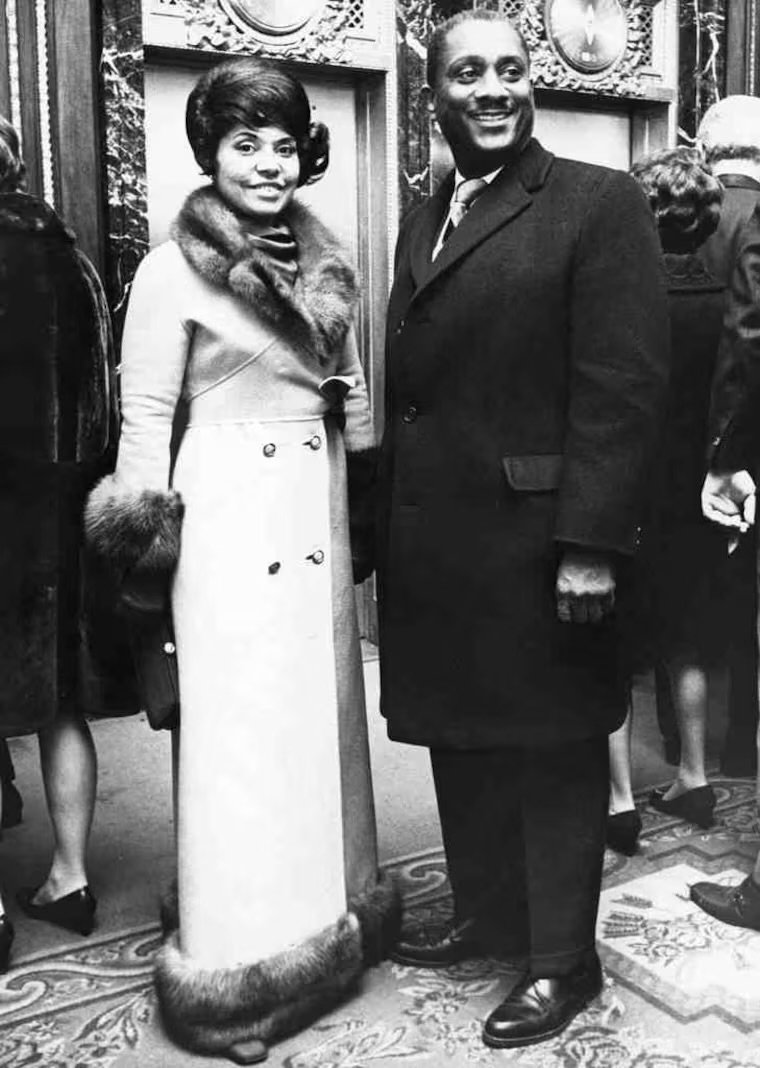
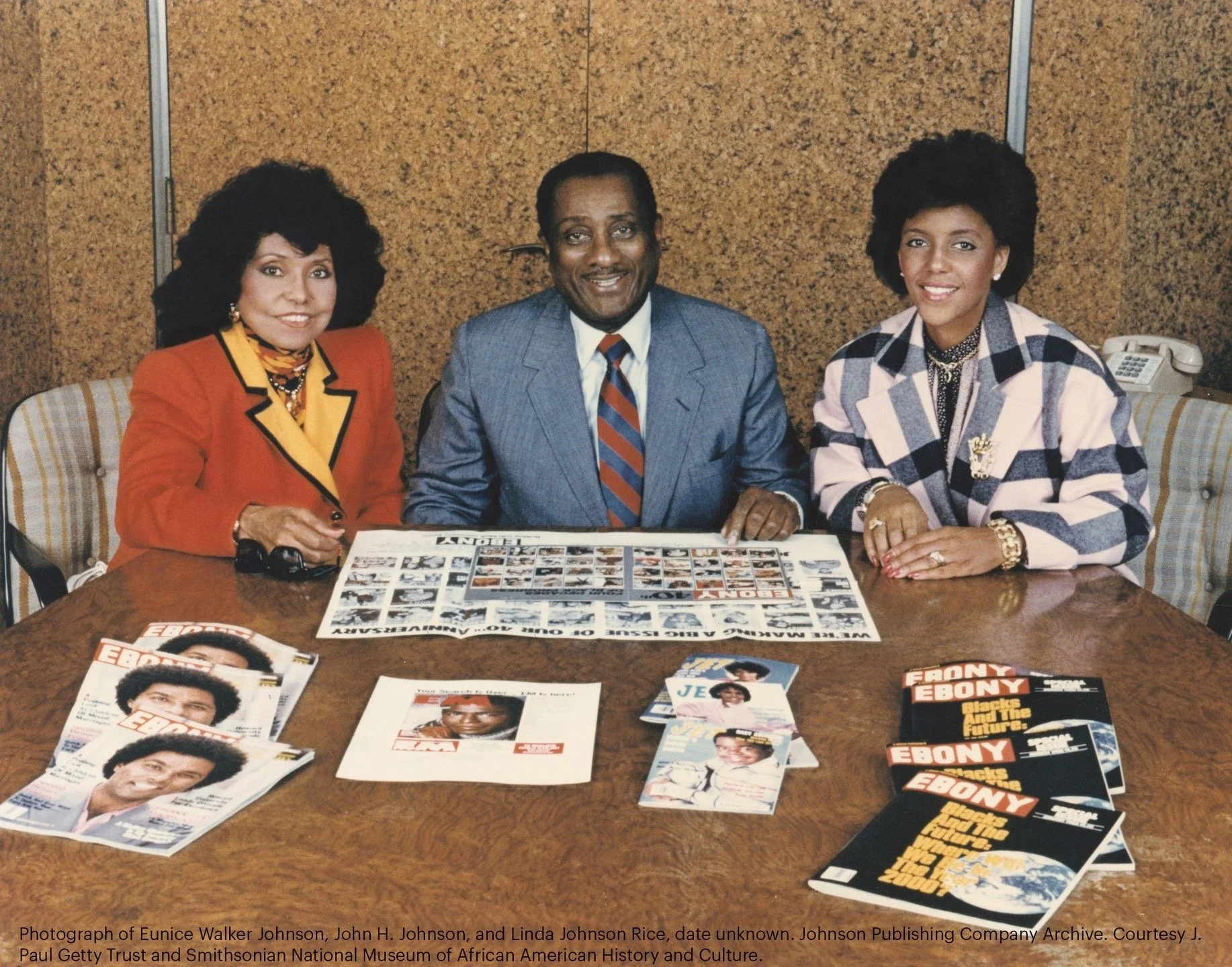
Long before diversity became a buzzword in American media, John H. Johnson and Eunice Johnson were already reshaping how Black life was seen, celebrated, and documented. Together, the husband-and-wife duo built what would become the first Black media dynasty in the United States through their groundbreaking publications Ebony and Jet. Through journalism, photography, fashion, and storytelling, Johnson Publishing Company helped redefine the image of Black America in the twentieth century. Their empire had humble beginnings, but their vision was revolutionary.
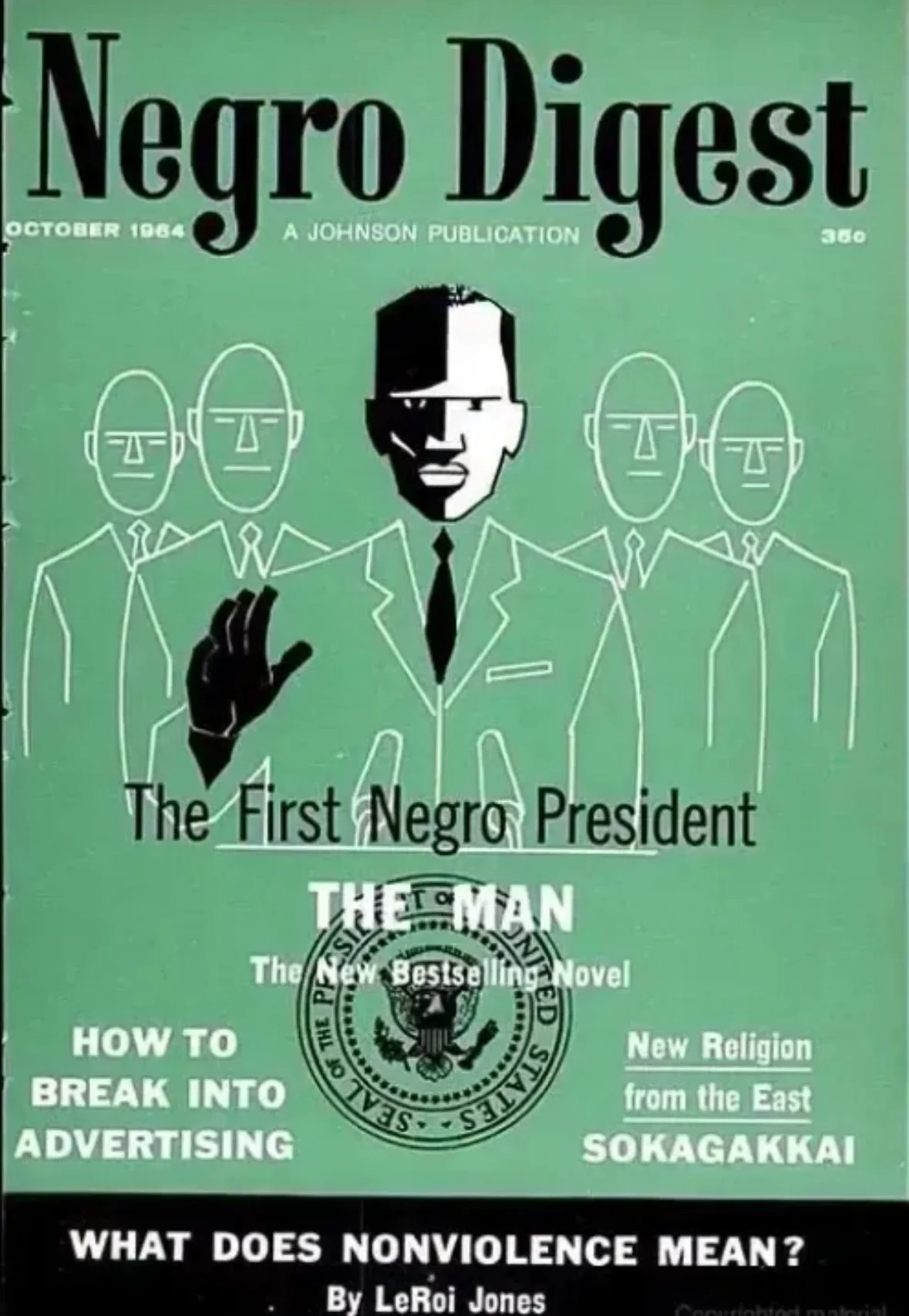
The Johnson Publishing story began in Chicago in 1942 with the launch of Negro Digest, a pocket-sized magazine inspired by Reader’s Digest that highlighted Black American life, history, and culture. The idea came to John H. Johnson while working for Harry Pace, a Black man who founded the Supreme Life Insurance Company of America. One of Johnson’s assignments was to read newspapers and magazines and prepare summaries for Pace.
During that work, Johnson noticed something striking: major publications rarely included Black stories unless they focused on crime or poverty. He believed there was a different story to tell. One centered on Black success, culture, and achievement. With a $500 bank loan secured by his mother’s furniture as collateral, Johnson launched Negro Digest at age 23. The first issue, printed in nearly 3,000 copies, quickly sold out. Within a year, circulation had grown to nearly 50,000 copies per issue.
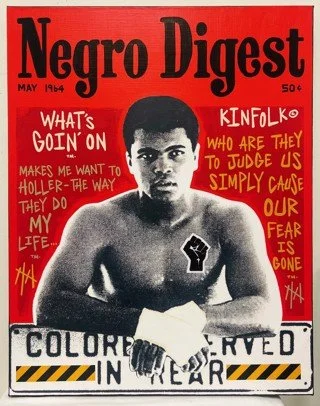
The magazine soon attracted prominent contributors such as Langston Hughes, W. E. B. Du Bois, and Zora Neale Hurston. In June 1943, Eleanor Roosevelt contributed an essay titled “Freedom: Promise or Fact?” to the magazine’s “If I Were a Negro” column. The magazine’s circulation doubled almost overnight. The success of Negro Digest proved that Black audiences were eager for media that reflected their experiences and aspirations.
In 1945, John H. Johnson and his wife Eunice Johnson launched what would become their most influential publication: Ebony. Modeled after LIFE magazine, Ebony combined elegant photography with storytelling that highlighted the richness of Black life. Eunice Johnson named the magazine “Ebony” after the dark, luxurious wood as an intentional celebration of Black skin, beauty, and identity.
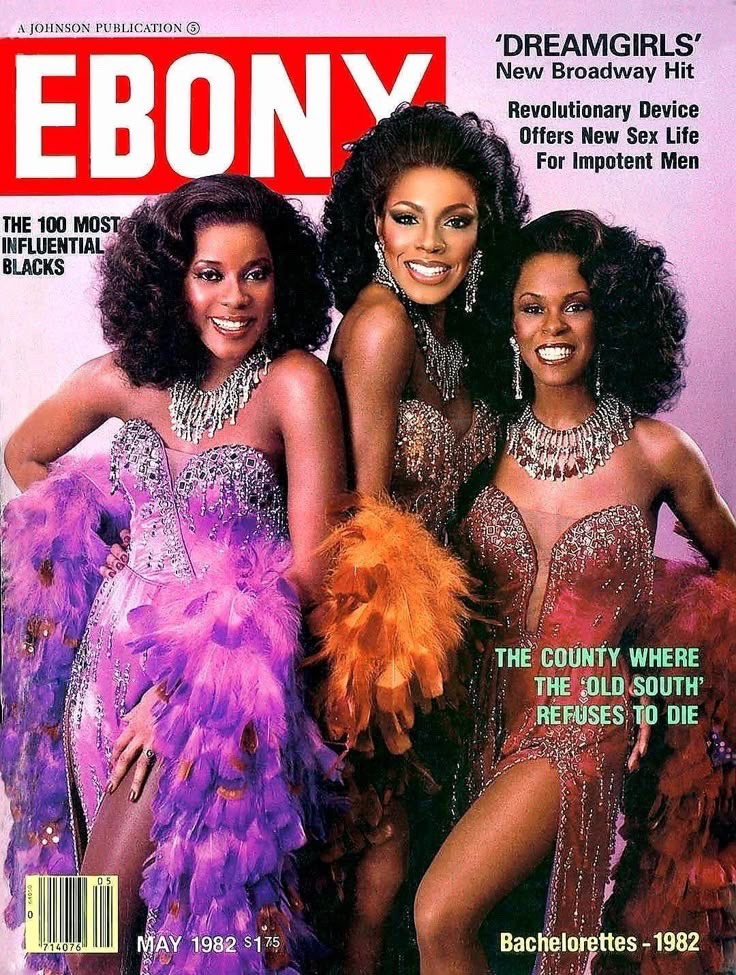
The first issue, published in November 1945, featured four young children from Chicago’s South Side joyfully playing together. The image was simple but powerful. It celebrated the dignity and innocence of ordinary Black childhood at a time when such images were rarely seen in mainstream media. Inside the magazine, the editors wrote, “We like to look at the zesty side of life… Ebony will try to mirror the happier side of Negro life—the positive everyday achievements from Harlem to Hollywood.” The first press run of 25,000 copies sold out completely. By the end of its first year, Ebony was selling nearly 300,000 copies.
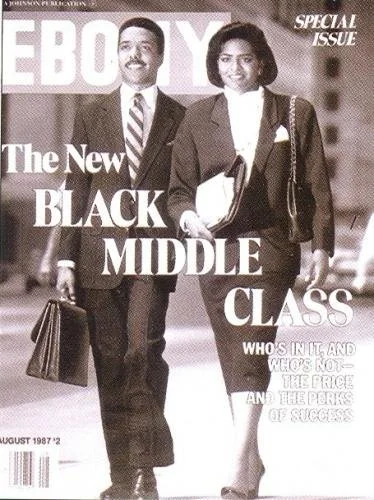
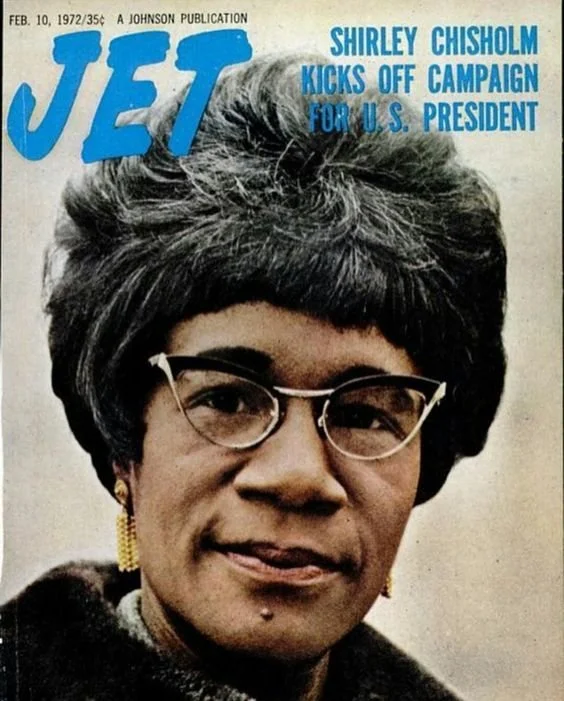
Through elegant photojournalism and aspirational storytelling, the magazine showed Black Americans living full and accomplished lives. Something largely absent from American media at the time. Documenting both triumph and tragedy, Ebony celebrated achievement and glamour, but Johnson Publishing never shied away from history. One of the most consequential moments in American journalism came when Jet magazine published photographs from the open-casket funeral of Emmett Till in 1955. The images shocked the nation and helped galvanize the civil rights movement. At the same time, the magazines continued documenting Black excellence, including iconic covers such as the February 1972 issue featuring Shirley Chisholm. The Johnson publications balanced joy, aspiration, tragedy, and political reality, creating a comprehensive portrait of Black life in America.
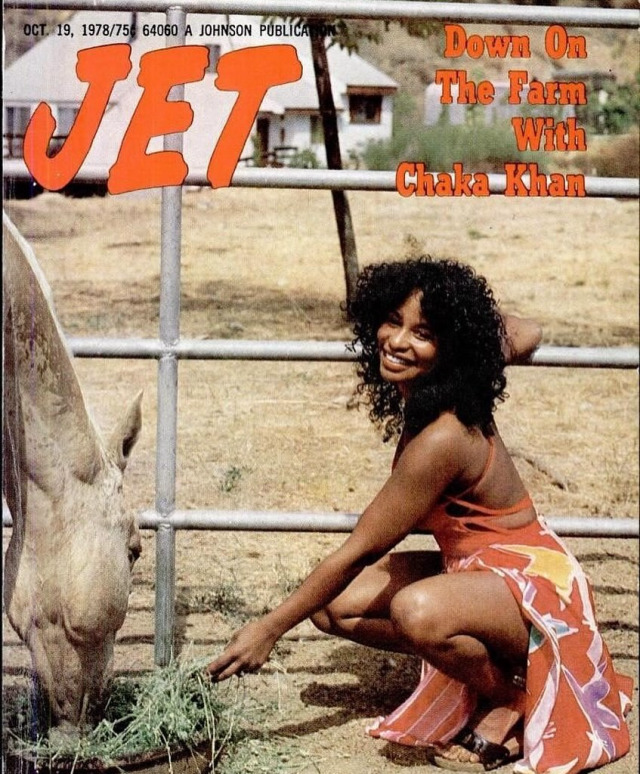
In 1951, Johnson launched Jet, a compact weekly news magazine designed to deliver fast, accessible coverage of current events. Jet reported on politics, sports, cultural milestones, and community life—from HBCU homecoming queens to major civil rights developments. In 1952, the magazine introduced one of its most famous features: Jet Beauty of the Week, which celebrated everyday Black women and highlighted their careers, hobbies, and achievements. The feature helped normalize images of Black beauty during an era when mainstream media largely excluded them.

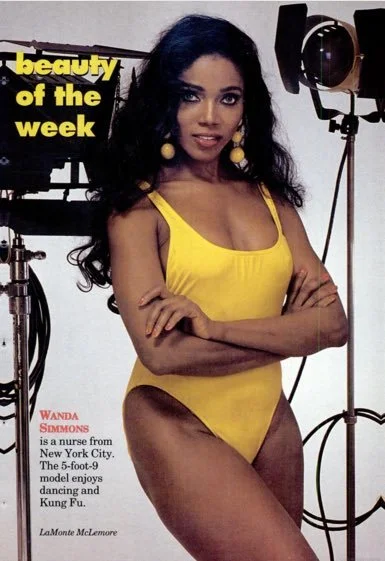
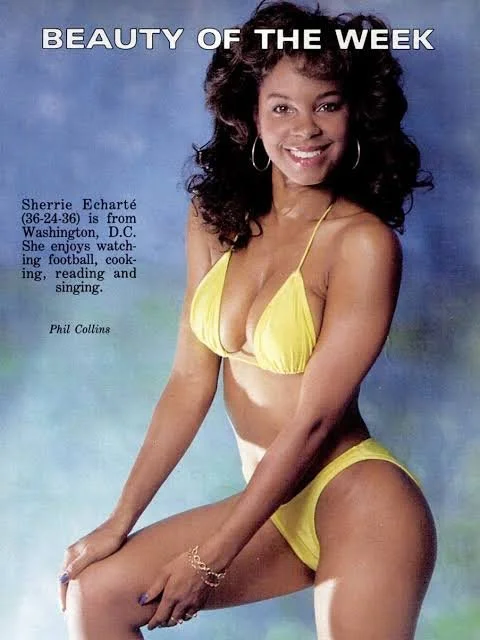
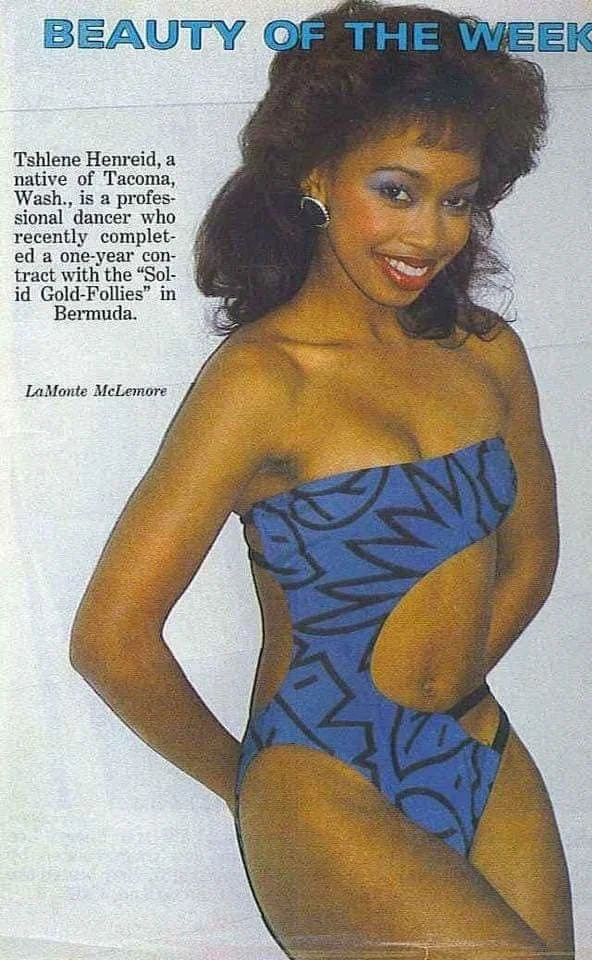
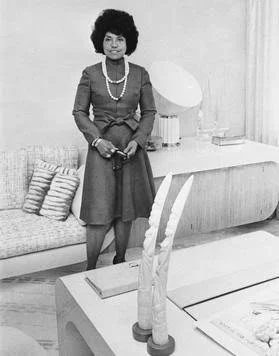
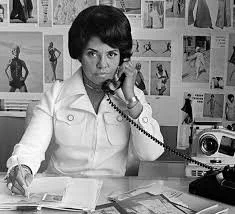
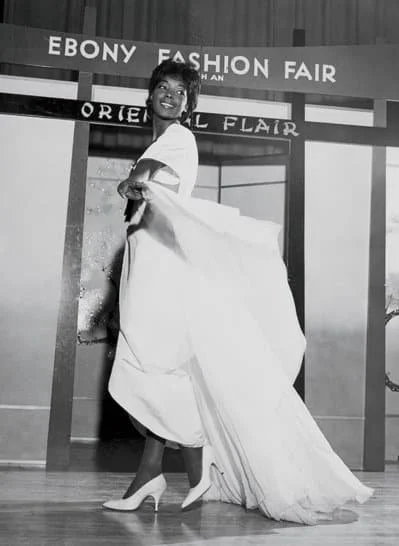
Eunice Johnson extended the influence of the Johnson empire into fashion with the launch of the Ebony Fashion Fair in 1958. Originally created as a fundraiser for a women’s hospital in New Orleans, the event quickly grew into a global fashion tour. For more than 50 years, the Ebony Fashion Fair traveled to more than 180 cities and raised over $50 million for scholarships, civil rights organizations, and community initiatives. The show also introduced audiences to emerging Black designers, including Willi Smith and Patrick Kelly. Through the magazines and fashion shows, Eunice Johnson helped create an aspirational visual culture for Black women.
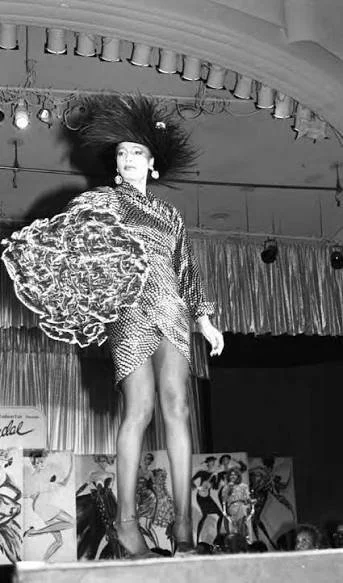
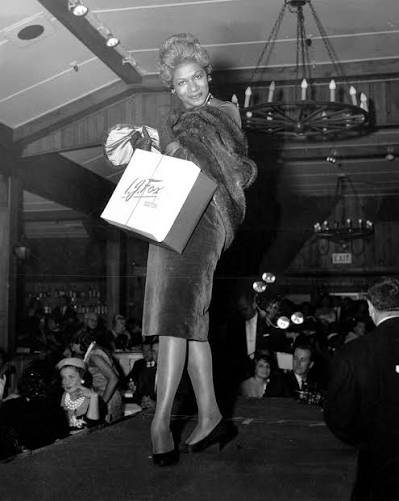
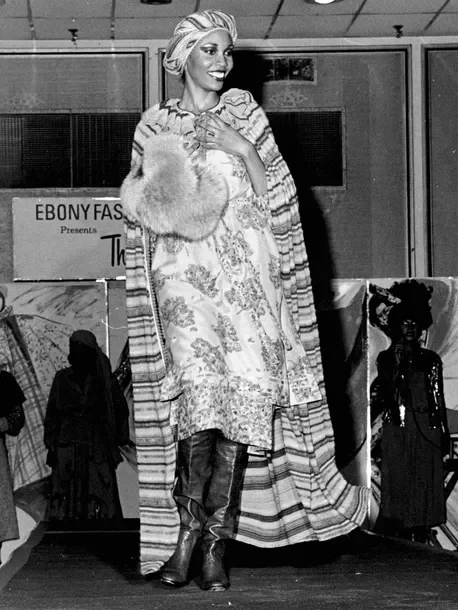
By the 1970s, Johnson Publishing Company had grown into one of the most influential businesses in America. In 1971, the Johnsons purchased an entire city block in Chicago to house their headquarters. The company expanded into broadcasting as well. In 1973, John H. Johnson acquired WJPC-AM and WJPC-FM, creating the first Black-owned radio station in Chicago. Johnson Publishing also produced television specials like the Ebony Fashion Fair, the American Black Achievement Award, and the Ebony Music Awards. The company had become a multimedia powerhouse.
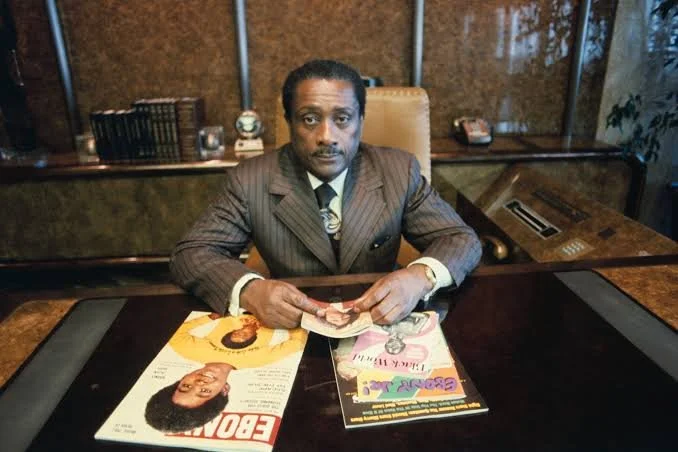
In 1982, John H. Johnson became the first Black American to appear on the Forbes list of the 400 wealthiest Americans. The following year, he was inducted into the Chicago Business Hall of Fame. But perhaps the Johnsons’ greatest achievement was something less tangible. Through Ebony, Jet, and their many cultural initiatives, John H. Johnson and Eunice Johnson helped reshape how Black Americans saw themselves, and how the world saw them.
Their publications documented Black life not as tragedy alone, but as beauty, ambition, family, creativity, and power. In doing so, they built not just a publishing company, but the first true Black media dynasty.