
Leah Chase: The Queen of Creole Cuisine Who Helped Change America
By Alexus Mosley
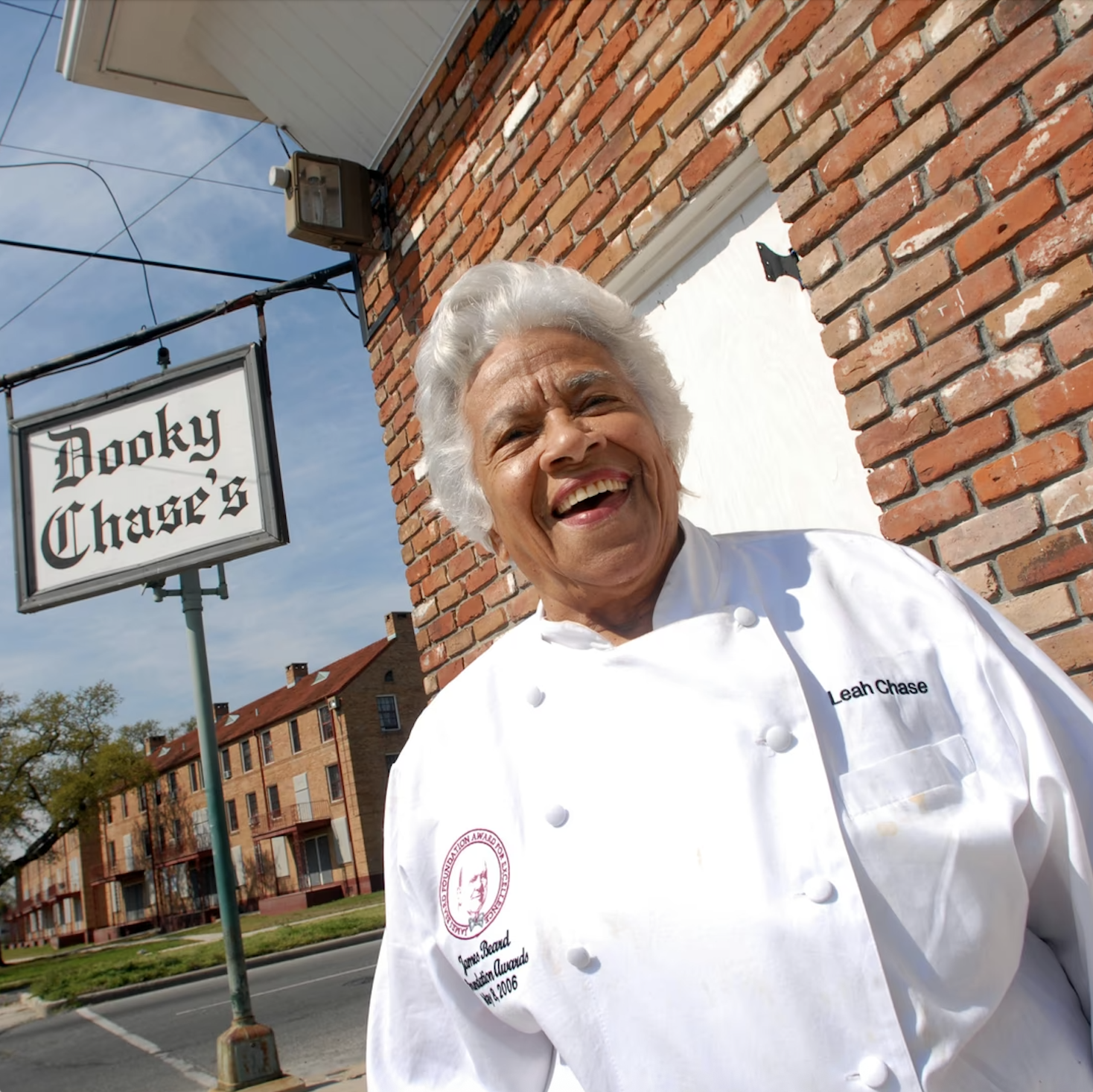
Chef Leah Chase outside her restaurant, Dooky Chase's, on Friday, March 9, 2007. (Photo Credit/Carlos Barria / Reuters)
Known as the “Queen of Creole Cuisine,” Leah Chase built one of the most influential Black-owned restaurants in America. But her impact extended far beyond food. Through Dooky Chase’s Restaurant, she helped shape the Civil Rights Movement, supported Black artists, and preserved the culture of New Orleans. In the process, she created far more than a dining destination. She built an institution that became a gathering place for activists, politicians, musicians, and generations of families.
Born on January 6, 1923, in Madisonville, Louisiana, Chase was one of eleven children. Growing up in a shotgun house on a twenty-acre strawberry farm, money was often tight, but education remained a priority. As a young girl, she traveled across Lake Ponchartrain by ferry to attend St. Mary’s Academy, a Black Catholic school in New Orleans, with the ten-dollar-per-month tuition cost being a significant expense for her family.
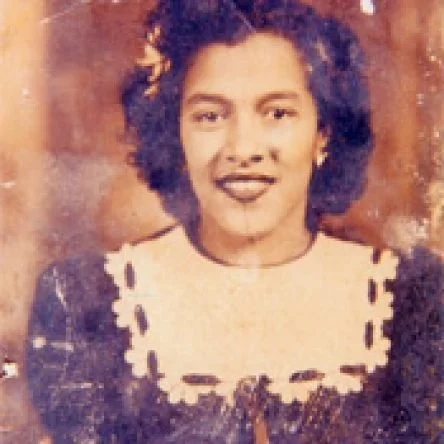
Leah Chase, the legendary "Queen of Creole Cuisine," during the 1940s
At eighteen, Chase moved to New Orleans to live with an aunt and work in a sewing factory, but the arrangement would be short-lived as she had her own plans. “I could not see myself sitting down, shooting out pockets all day long,” she later recalled. Instead, she found work as a waitress in the French Quarter at the Colonial Restaurant. Because segregation limited where Black Americans could dine, it was the first time Chase had experienced working inside a restaurant. That experience would spark a lifelong passion for hospitality.
After several years at the Colonial, she moved on to The Coffee Pot restaurant in New Orleans. There, she offered her first culinary suggestion to the chef: a wiener jambalaya recipe that she had developed herself. The dish sold within minutes, giving Chase an early glimpse of her future.
In 1945, Chase attended a Mardi Gras ball at Labor Union Hall, where she met jazz trumpeter Edgar “Dooky” Chase Jr. Hitting it off quickly, three months later, twenty-two-year-old Leah was married. The Chase family owned a neighborhood tavern in the historic Tremé neighborhood. More than a bar, it was a vital community hub that served po-boy sandwiches, sold lottery tickets, and cashed checks for its black patrons due to the lack of banks that would service them. Volunteering to work there alongside her mother-in-law, Leah Chase would go on to transform the restaurant. Her first order of business was expanding the menu with dishes such as Lobster Thermidor and shrimp cocktail. Meals she had encountered while working in the French Quarter. Over time, she elevated the establishment into a premier restaurant, a pioneering, upscale dining establishment for blacks that offered blacks the same quality and aesthetic they were denied.
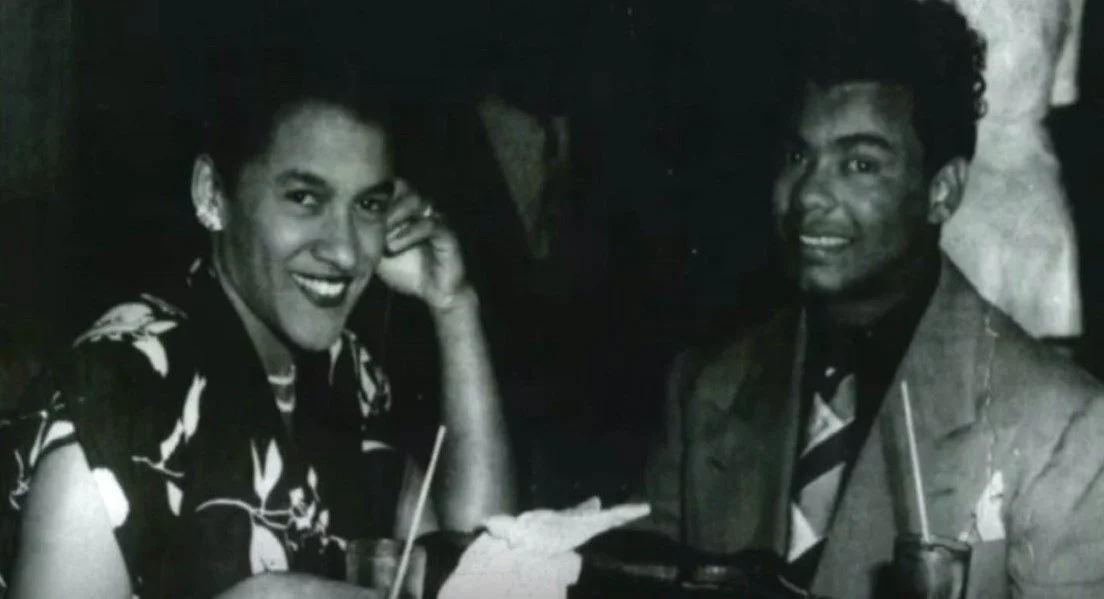
Leah Chase and her husband, Edgar "Dooky" Chase Jr., taken in 1946
The dining room itself reflected her vision. Red and gold walls surrounded guests, as well as artwork by Black American artists from New Orleans and beyond. Excellence was expected, elegance was celebrated, and every customer was treated with dignity. The restaurant soon became a destination for some of the biggest names in entertainment. Singer Lena Horne reportedly favored the fried chicken, while Sarah Vaughan was known for ordering the stuffed crab, and Michael Jackson was a fan of Chase’s sweet potato pies. But its greatest legacy extended far beyond food. During the Civil Rights Movement, the restaurant became one of the most important meeting places in New Orleans. At a time when segregation laws prohibited Black and whites from eating together, activists gathered in the restaurant’s upstairs dining room to plan protests, discuss strategy, and organize for change.
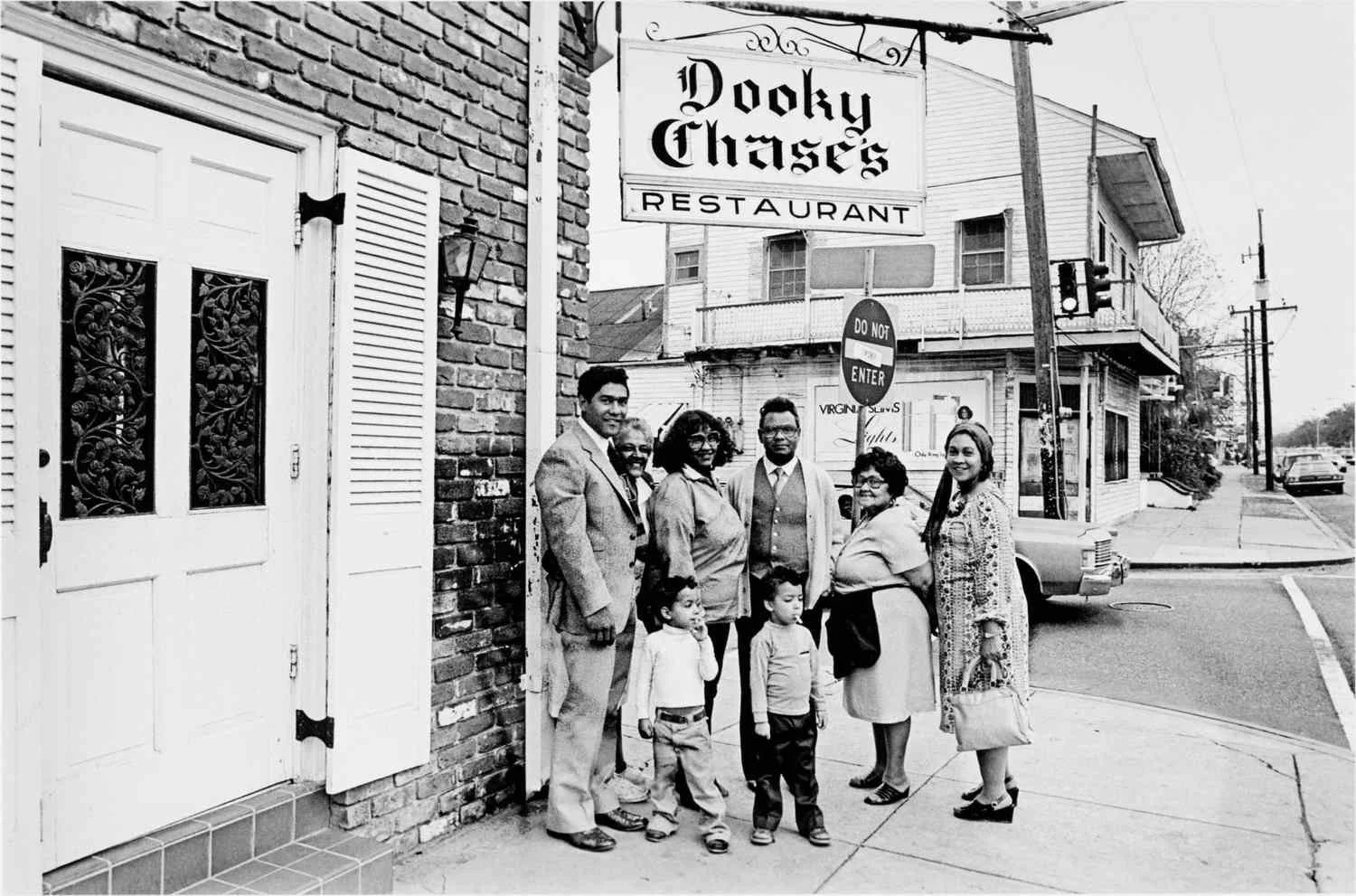
The Chase family in front of Dooky Chase's Restaurant in New Orleans was taken on October 7, 1979
NAACP lawyer Thurgood Marshall, who would later become the first Black justice on the United States Supreme Court, and Dr. Martin Luther King Jr. met there alongside local activists. History was shaped over bowls of gumbo. While building her restaurant, Chase also became deeply involved in charitable and civic causes throughout New Orleans. She supported the Ebony Fashion Fair, the groundbreaking traveling fashion show that benefited Flint-Goodridge Hospital, the only private hospital in New Orleans that granted staff privileges to Black physicians during segregation. In 1977, Chase became an early supporter of Ernest “Dutch” Morial during his historic campaign for mayor of New Orleans, becoming an early and prominent financial backer of his campaign. Morial would go on to become the city’s first Black mayor, marking a major milestone in Louisiana politics. Chase also helped raise funds for the NAACP and participated in voter registration efforts designed to increase political engagement within Black communities.
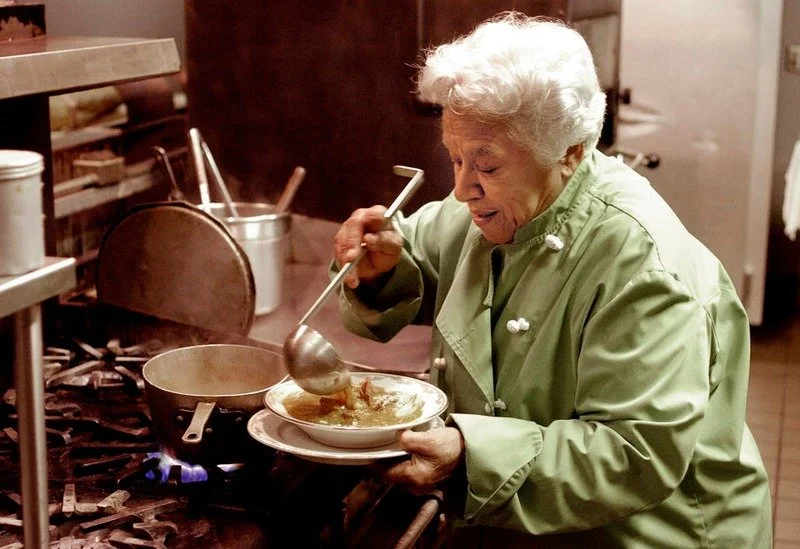
Leah Chase making gumbo on Tuesday, March 2, 2004 (Photo Credit/Eliot Kamenitz)
Beyond food and politics, Leah Chase was a champion of the arts. With the encouragement of her close friend Celestine Cook, she joined the Board of Trustees of the New Orleans Museum of Art in 1977. She remained connected to the institution for forty-two years, eventually becoming an Honorary Life Member. Her involvement in the institution included advocating for greater representation of Black artists within the museum’s collection. Years later, the museum honored her legacy with an exhibition featuring a painting by artist Gustavo Blache III depicting Chase at work.
National leaders also sought her out. In 2007, President George W. Bush visited Dooky Chase’s Restaurant and enjoyed her famed crab soup. During his 2008 presidential campaign, Barack Obama as well. The visit produced one of the most memorable stories associated with the Queen of Creole Cuisine. Before tasting her gumbo, Obama reached for a bottle of hot sauce, which Chase famously scolded him for. The moment perfectly captured her warm, confident, and unapologetically direct spirit that made her such a respected figure.
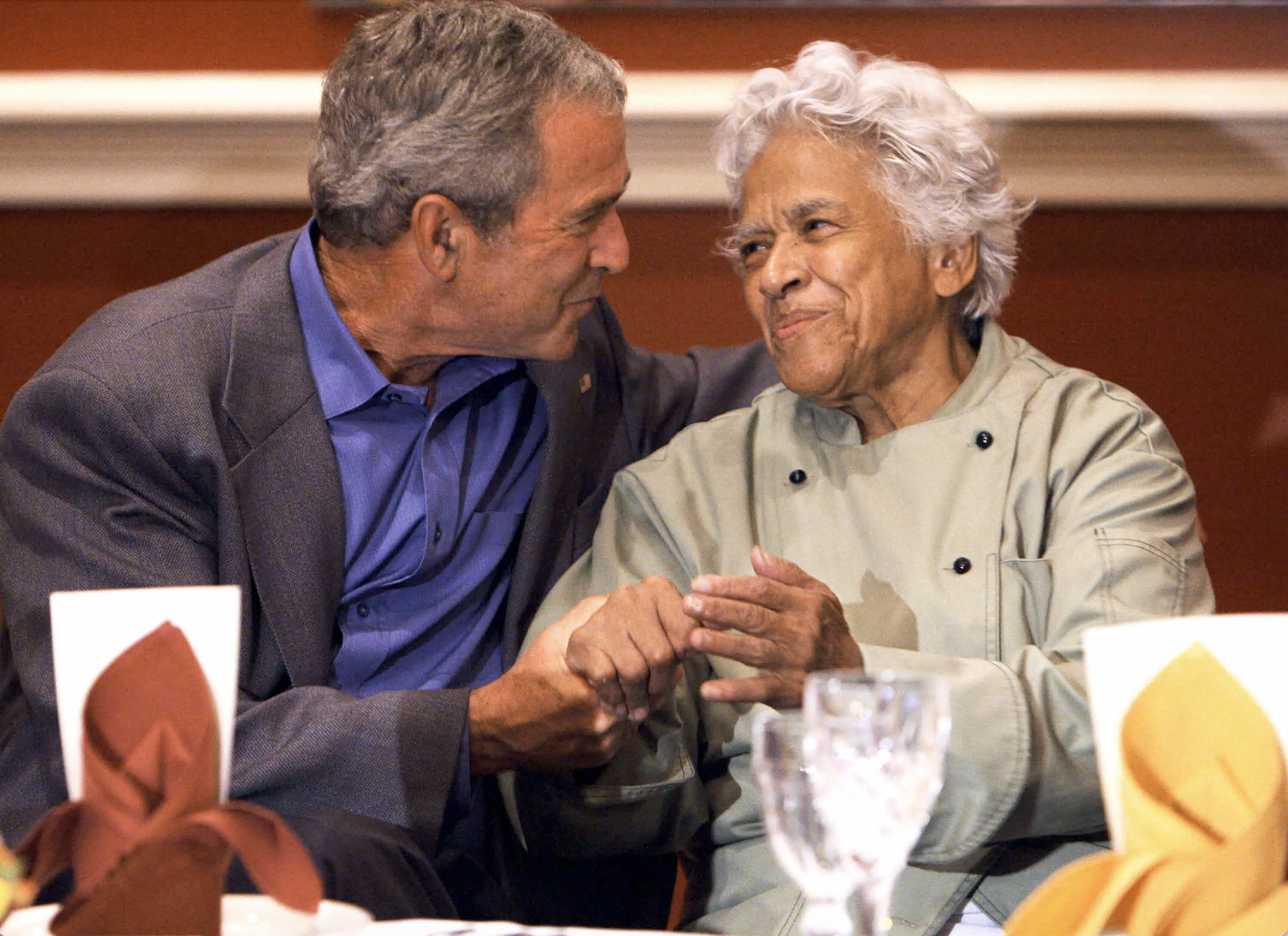
President George W. Bush with Leah Chase on August 28, 2007 (Photo Credit/Rusty Costanza/The Times-Picayune)
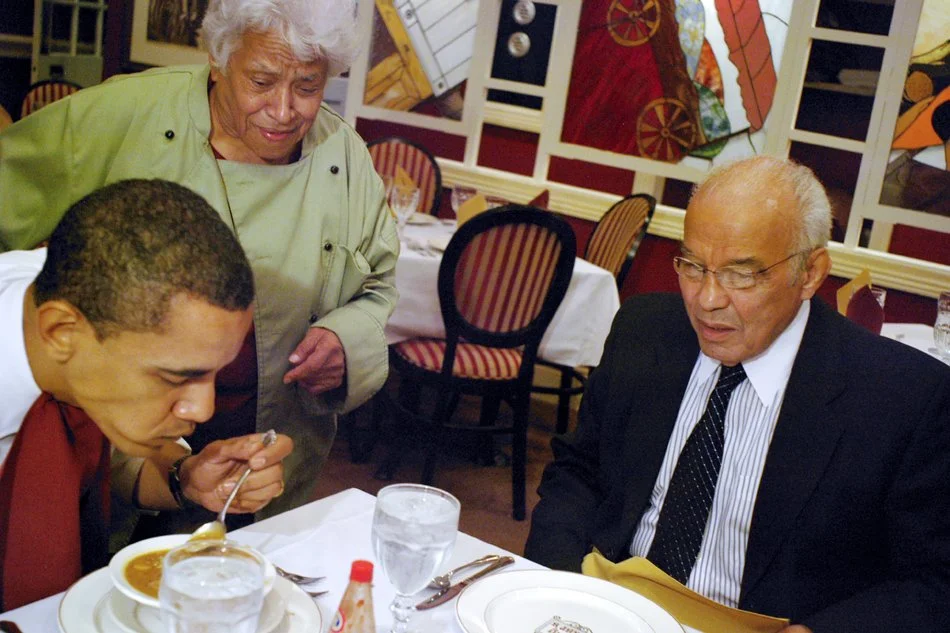
Barack Obama and Leah Chase at Dooky Chase on February 7, 2008 (Photo Credit/Ted Jackson The Times - Picayune)
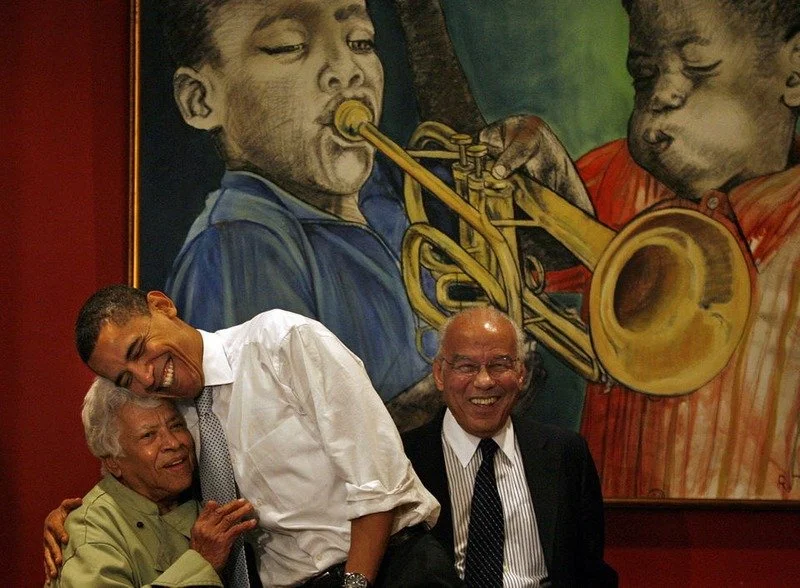
Barack Obama and Leah Chase at Dooky Chase on February 7, 2008 (Photo Credit/Ted Jackson The Times - Picayune)
Although Chase achieved national recognition as a chef, she often spoke about the importance of faith, family, and hard work. Those values guided her throughout a career that spanned decades and transformed both New Orleans and American culture.
Leah Chase passed away in 2019 at the age of ninety-six, but her influence remains woven into the fabric of New Orleans and the country itself. She proved that a restaurant could also be a place where culture is preserved, communities are strengthened, art is celebrated, and history is made.
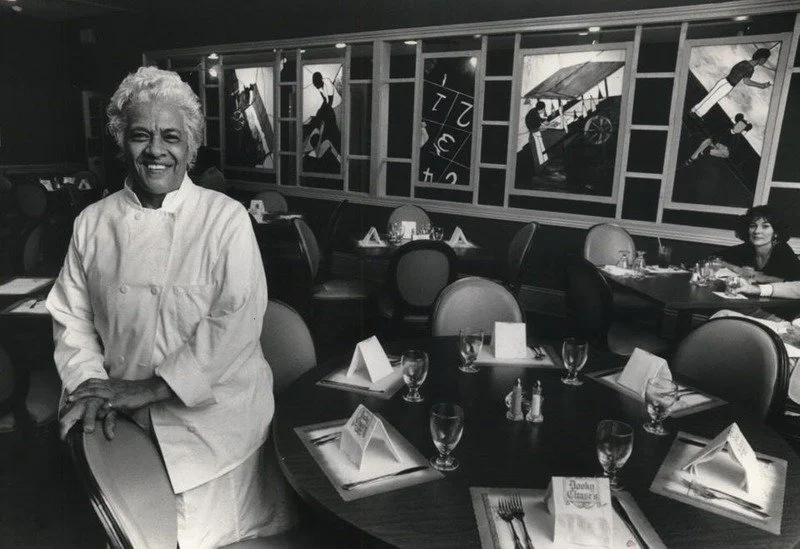
Leah Chase in her dining room of Dooky Chase in 1985 (Photo Credit/The Times-Picayune)
Perhaps no quote better captures her philosophy than the one she became known for throughout her remarkable life: “To be a woman, you have to look like a girl, act like a lady, think like a man, and work like a dog.”
How John H. Johnson and Eunice Johnson Built the First Black Media Dynasty