
8 Black Men Behind the Camera Who Helped Shape Our Favorite Stories
By Alexus Mosley
We know the movies by heart. We often quote the lines, remember the soundtracks, and are still debating the characters decades later. Behind so many of the stories that became part of Black culture were filmmakers determined to put our lives, families, friendships, neighborhoods, romances, and realities on screen.
From Spike Lee capturing the heat of a Brooklyn summer to John Singleton taking us to South Central Los Angeles and Malcolm D. Lee introducing us to a group of college friends we’d still be checking in on decades later, these directors didn’t simply make movies. They gave generations of Black audiences stories in which we could recognize pieces of ourselves.
Here are eight Black men behind the camera who helped shape some of our favorite stories.
Spike Lee
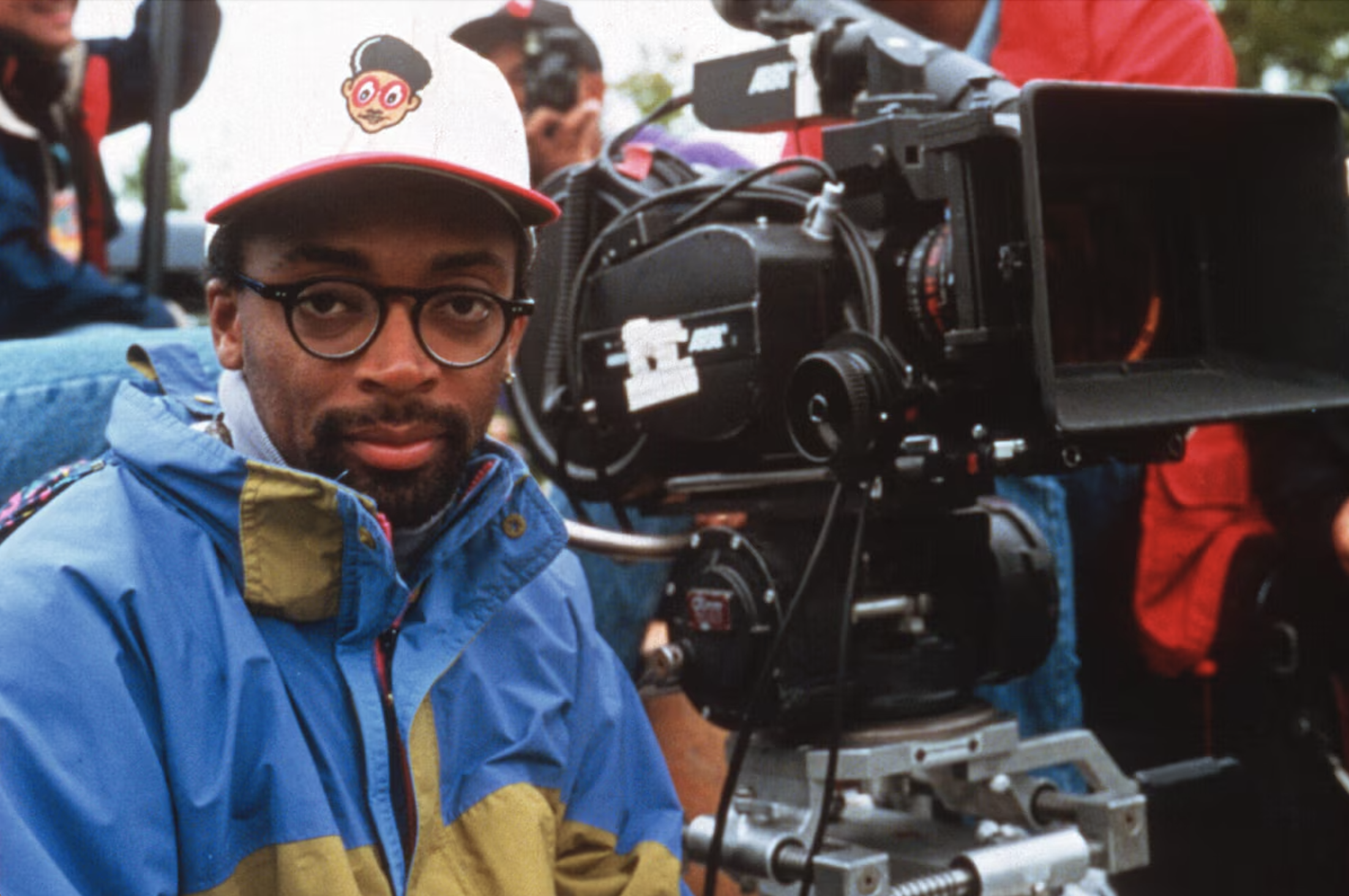
Photo Credit: David Lee
Few filmmakers have documented Black America with the urgency, style, and unmistakable point of view of Spike Lee. From the simmering Brooklyn block of Do the Right Thing to the sweeping life of Malcolm X and the complicated family dynamics of Crooklyn, Lee made Black stories feel simultaneously personal, political, and larger than life.
Must-watch: Do the Right Thing, Malcolm X, Crooklyn
Robert Townsend
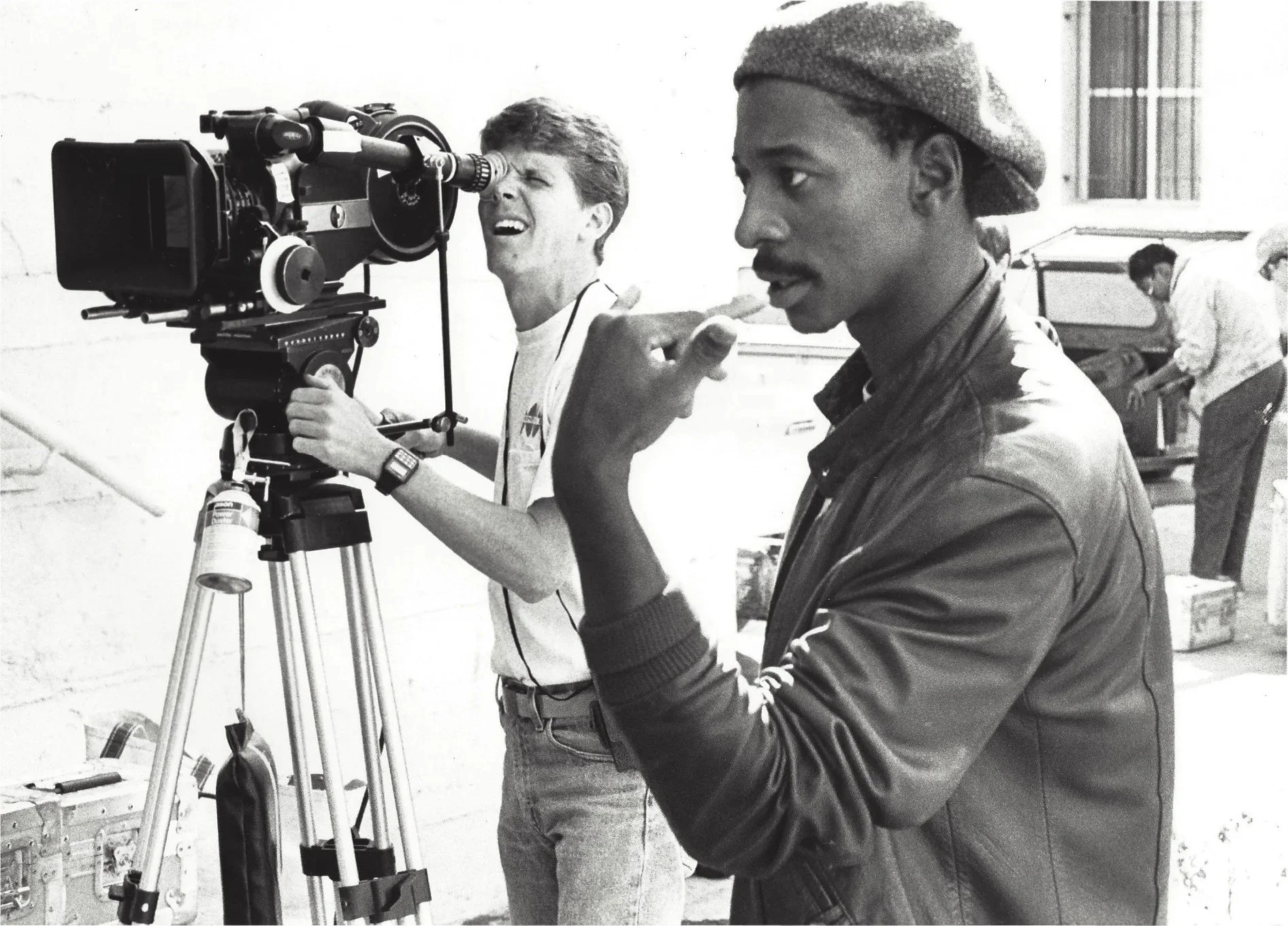
Photo Credit: The Samuel Goldwyn Company
When Hollywood wasn’t offering the kinds of Black stories Robert Townsend wanted to see, he decided to make them himself. Hollywood Shuffle hilariously took the industry to task for its stereotypes. At the same time, The Five Heartbeats gave us friendship, ambition, fabulous suits, and enough fictional music-industry drama to keep us invested more than 30 years later. Townsend has described turning to filmmaking after confronting the limitations placed on Black actors in Hollywood.
Must-watch: Hollywood Shuffle, The Five Heartbeats
John Singleton
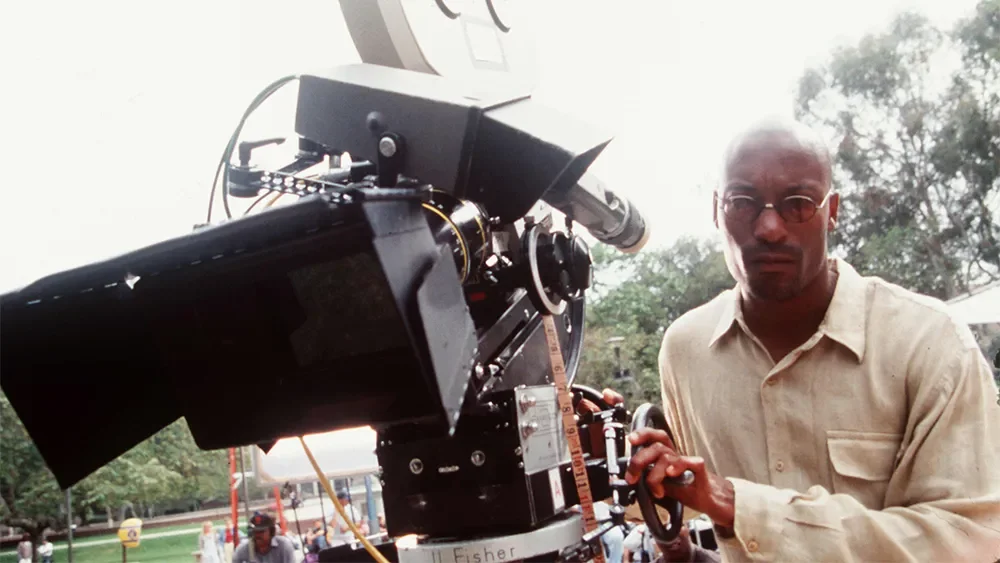
Photo Credit: Eli Reed
John Singleton was only 23 when Boyz n the Hood arrived, but he already had something important to say. His portrait of young Black men growing up in South Central Los Angeles earned him two Oscar nominations, making him the first Black filmmaker nominated for Best Director and, to this day, the youngest directing nominee.
And he didn’t stop there. From the romance of Poetic Justice to the complicated adulthood of Baby Boy, Singleton helped define an entire era of Black cinema.
Must-watch: Boyz n the Hood, Poetic Justice, Baby Boy
Reginald Hudlin
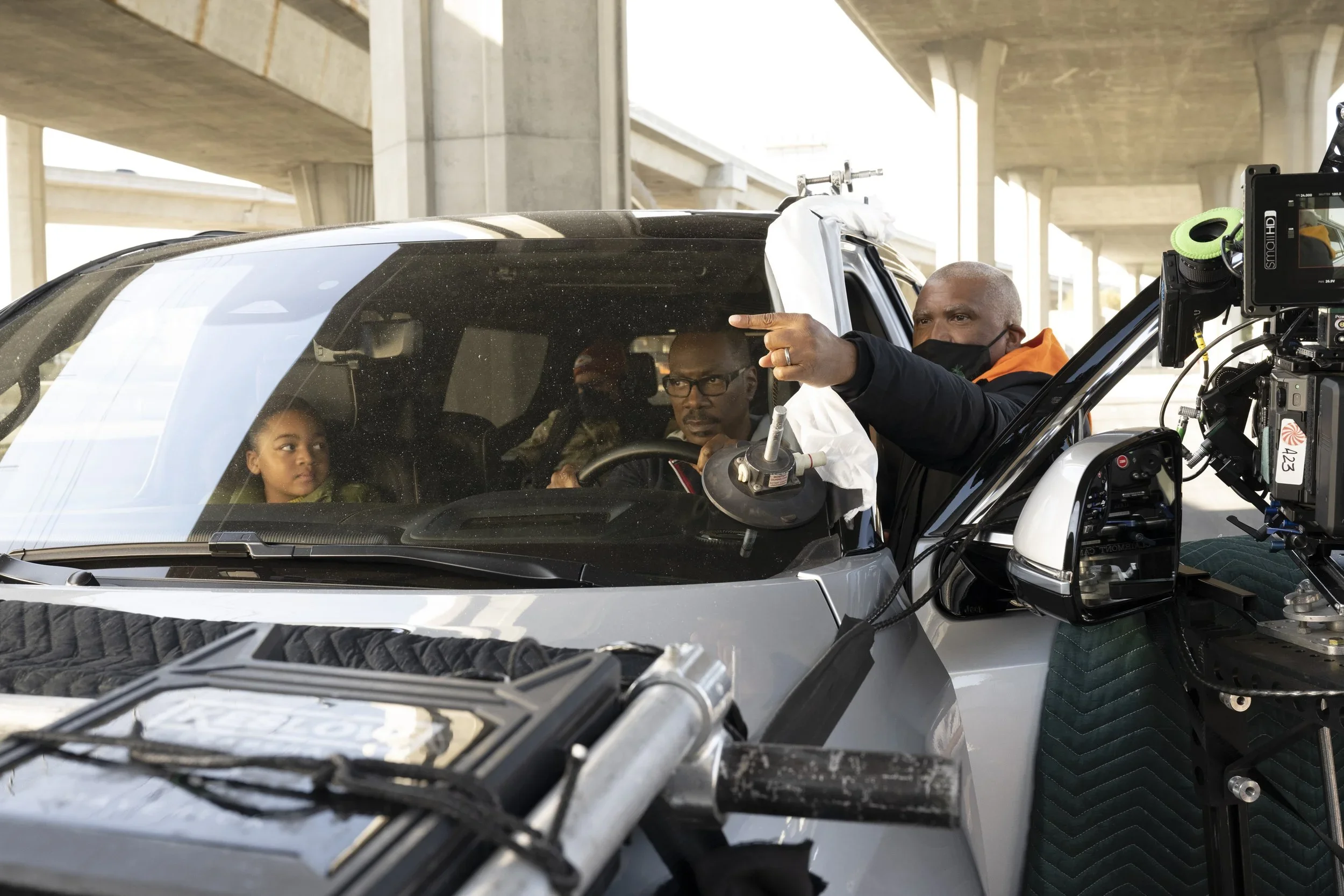
Photo Credit: Amazon MGM Studios
Not every Black story needed to center struggle—and Reginald Hudlin understood that beautifully. With House Party and Boomerang, Hudlin helped give audiences stylish, funny, and aspirational Black characters who got to fall in love, go to parties, build careers, and occasionally make an absolute mess of their relationships.
Must-watch: House Party, Boomerang
F. Gary Gray
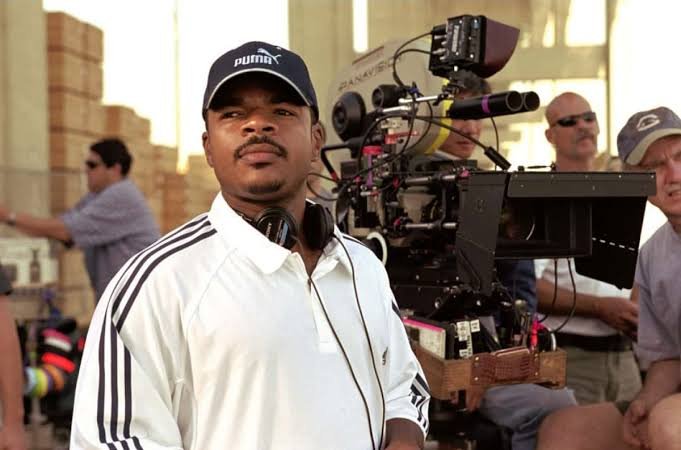
Photo Credit: MGM
F. Gary Gray gave the ’90s some serious range. He took us through one very eventful day in South Central with Friday, put four unforgettable women at the center of a heist in Set It Off, and decades later chronicled the rise of N.W.A in Straight Outta Compton. Comedy, action, drama, music—Gray has done a little bit of everything.
Must-watch: Friday, Set It Off, Straight Outta Compton
Malcolm D. Lee
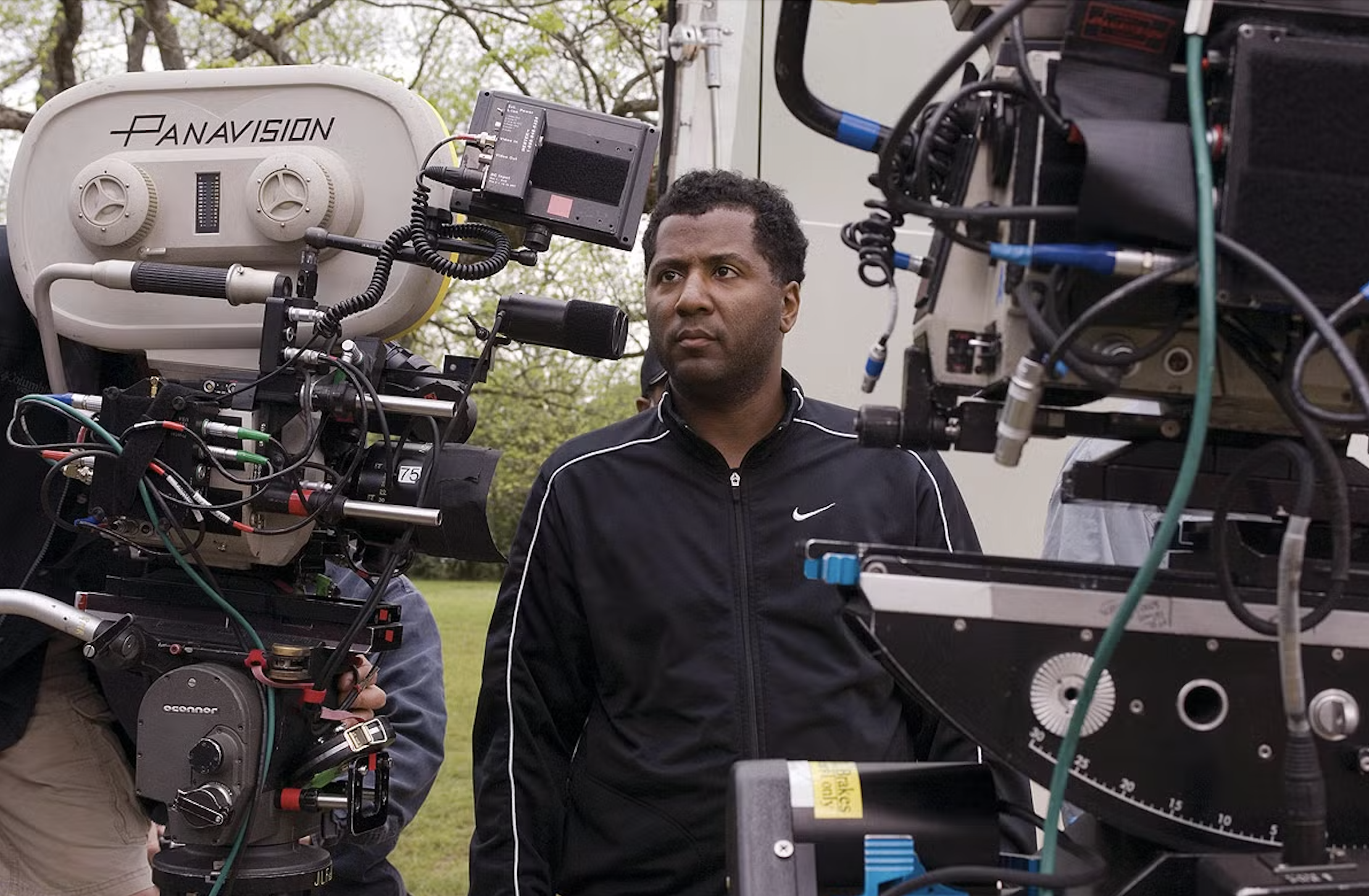
Photo Credit: Glenn Watson
If you’ve ever argued over whether Harper deserved Robin, Malcolm D. Lee has already done his job.
With The Best Man, Lee introduced audiences to a polished, successful group of Black friends navigating love, ambition, betrayal, and adulthood, creating characters compelling enough to revisit across movies and television. He later gave us everything from Undercover Brother to the gloriously chaotic friendship trip that was Girls Trip.
Must-watch: The Best Man, The Best Man Holiday, Girls Trip
Barry Jenkins
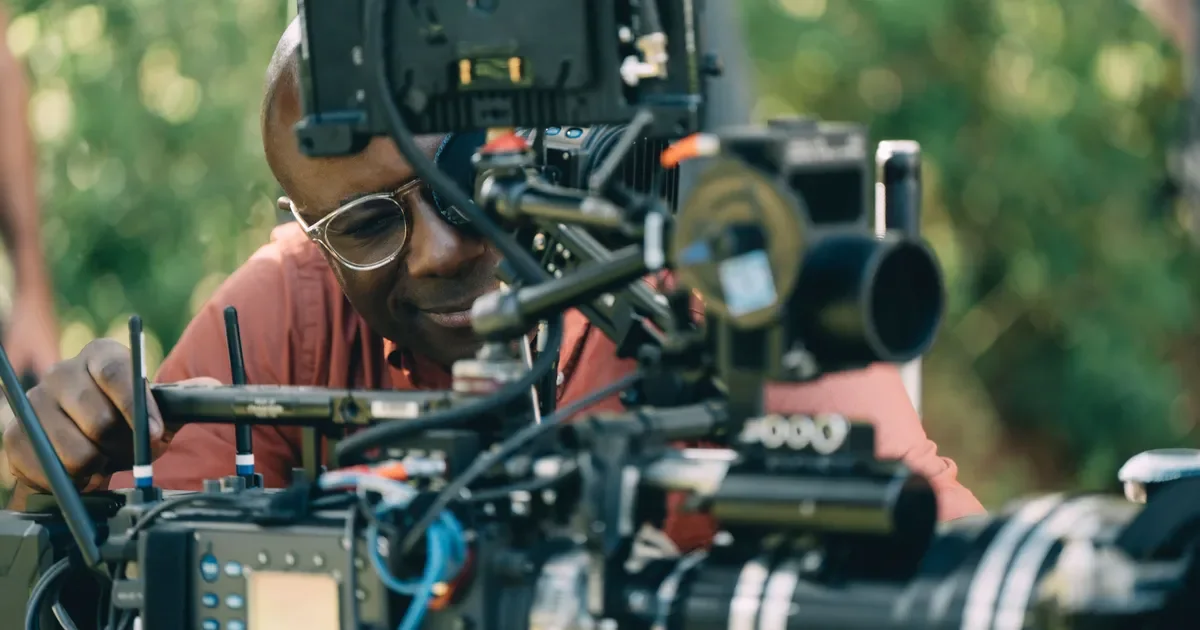
Photo Credit: Atsushi Nishijima / Amazon Studios
Barry Jenkins brought a quieter kind of intimacy to the screen. Moonlight explored identity, masculinity and tenderness through the life of one Black man, while If Beale Street Could Talk transformed James Baldwin’s novel into an achingly beautiful portrait of Black love.
His films remind us that sometimes the smallest moments (a glance, a touch, a conversation) can tell the biggest stories.
Must-watch: Moonlight, If Beale Street Could Talk
Ryan Coogler
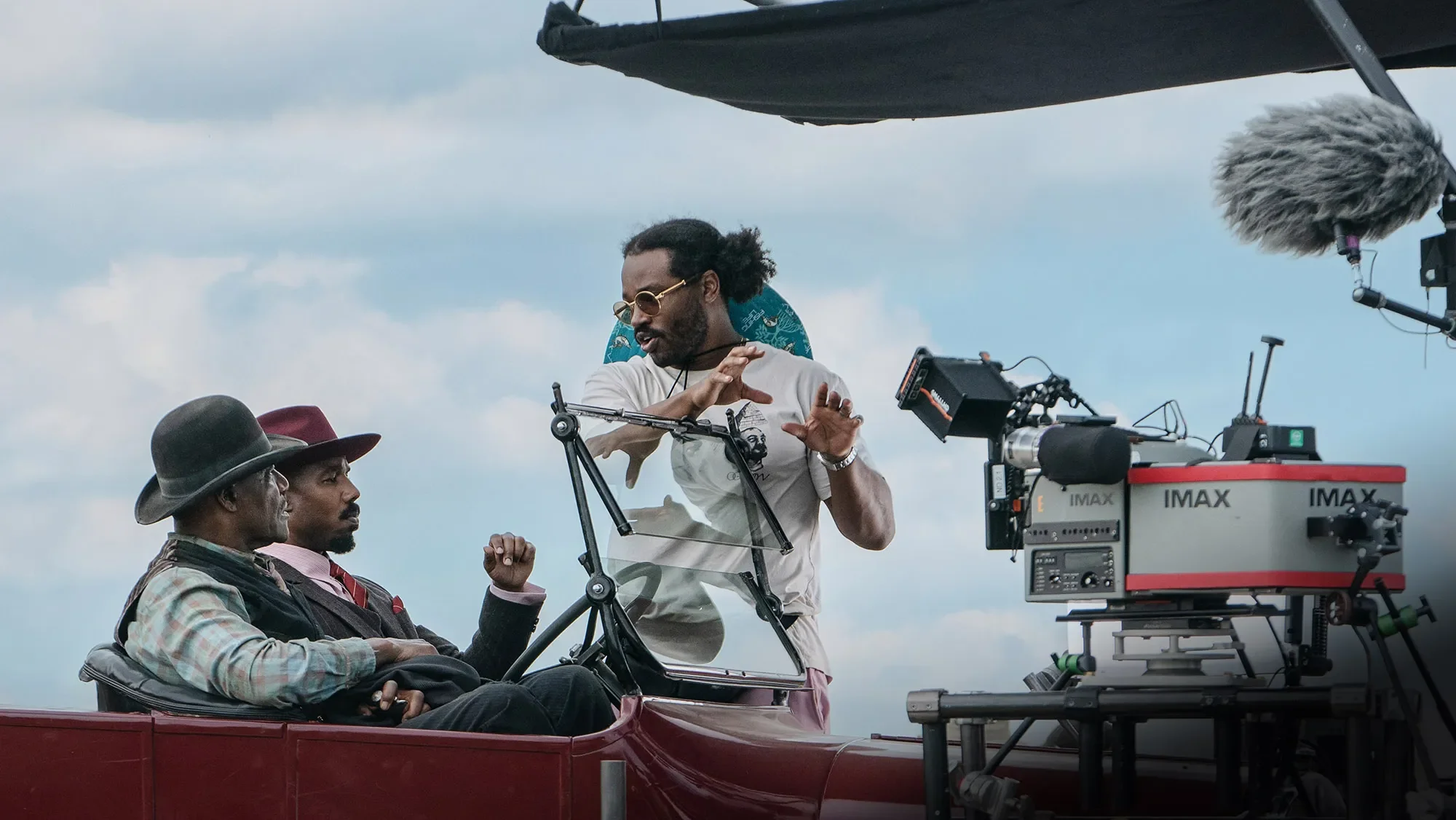
Photo Credit: Eli Adé
Ryan Coogler went from the intimate tragedy of Fruitvale Station to revitalizing the Rocky franchise with Creed and then took Black audiences somewhere mainstream Hollywood rarely had before: Wakanda.
With Black Panther, Coogler helped create a global blockbuster in which Blackness wasn’t peripheral to the fantasy, but at the very center of it.
Must-watch: Fruitvale Station, Creed, Black Panther
Now the only question is which one are we rewatching first?